
If you’ve ever wondered why the “L” comes first in LGBTQ+, you're not alone. The order of the letters in the LGBTQ+ acronym isn't random—it reflects an important moment in LGBTQ history and recognizes the powerful role lesbian activists played during one of the community’s most difficult periods.
At Pride Palace, we believe understanding queer history helps us appreciate the strength, resilience, and solidarity that shaped the community we celebrate today.
The Original LGBTQ Acronym
In the early years of the modern LGBTQ rights movement during the 1970s and 1980s, the acronym was often written as GLBT (Gay, Lesbian, Bisexual, Transgender). At the time, the word “gay” was commonly used as an umbrella term for many identities within the queer community.
However, as LGBTQ activism grew, many people began questioning the order of the letters and whether it truly reflected the diversity and contributions of the entire community.
If you're interested in learning more about queer identities and community history, explore more resources on our LGBTQ+ blog.
The AIDS Crisis and Lesbian Activism
The shift from GLBT to LGBTQ happened largely because of the events surrounding the AIDS crisis in the 1980s.
During this devastating epidemic, gay and bisexual men were disproportionately affected by HIV/AIDS. At the same time, stigma and discrimination meant many people living with AIDS were abandoned by families, denied proper healthcare, and left without support.
This is when lesbian activists stepped up in extraordinary ways.
Lesbians across the United States and around the world:
- Volunteered in hospitals and community health clinics
- Organized fundraising efforts and community support groups
- Advocated for HIV/AIDS research and medical care
- Cared for gay men who had been rejected by families or institutions
Their leadership, compassion, and activism helped save lives and strengthen the LGBTQ community during an incredibly difficult time.
Why the “L” Comes First
As a way to recognize the incredible contributions of lesbian activists during the AIDS crisis, many organizations and community leaders intentionally began placing the “L” before the “G.”
The change was symbolic but meaningful. It represented:
- Recognition of lesbian activism
- Gratitude for community care and solidarity
- A reminder that LGBTQ progress is built collectively
Over time, LGBT became the most widely used version of the acronym, eventually expanding to LGBTQ+ and LGBTQIA+ as more identities gained recognition.
The Meaning Behind LGBTQ+
Today, the acronym continues to evolve as language grows to reflect the diversity of the community. But the reason the L comes first in LGBTQ+ remains an important reminder of queer solidarity and the people who stepped up when the community needed them most.
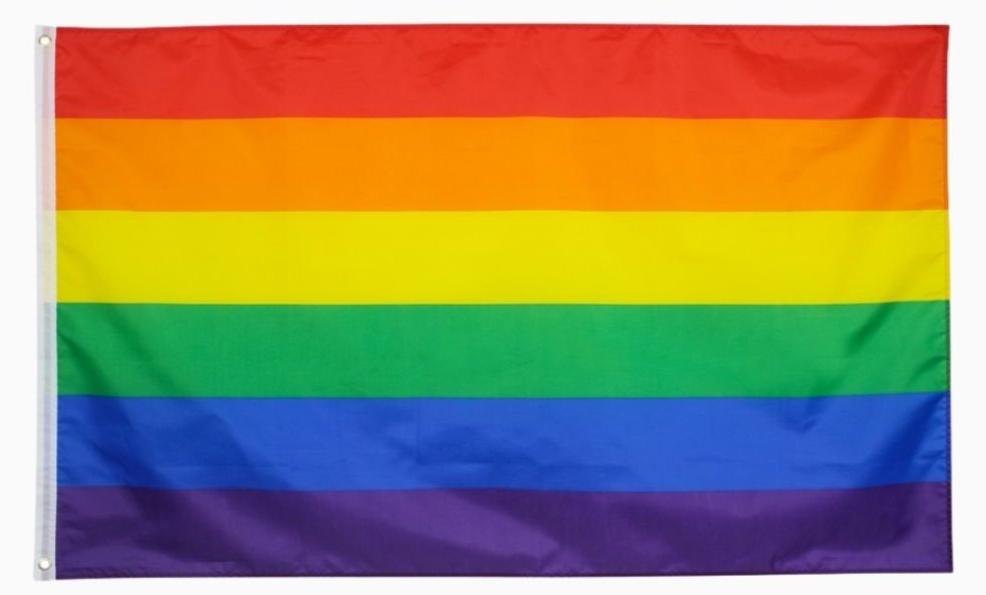
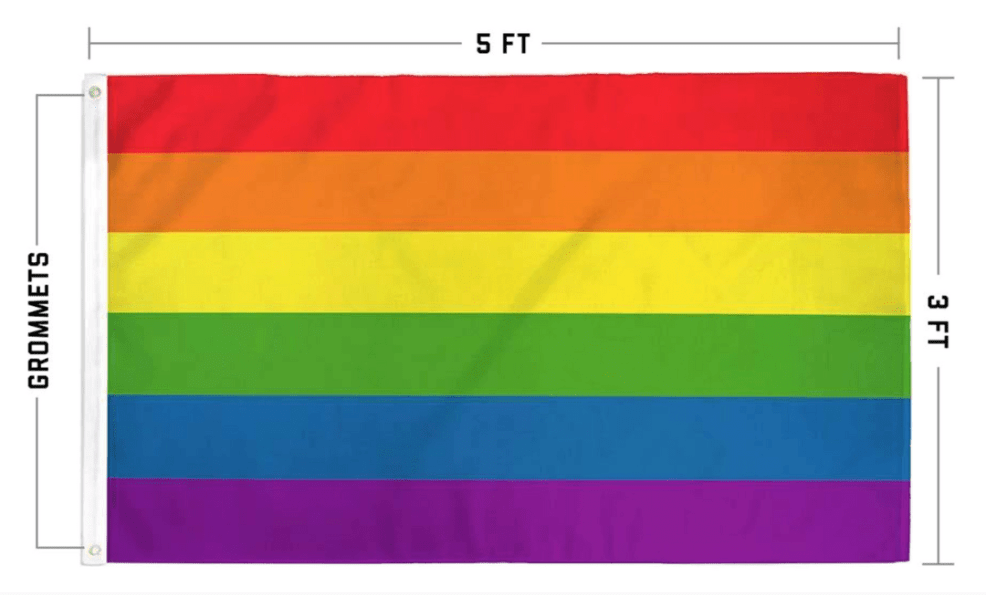
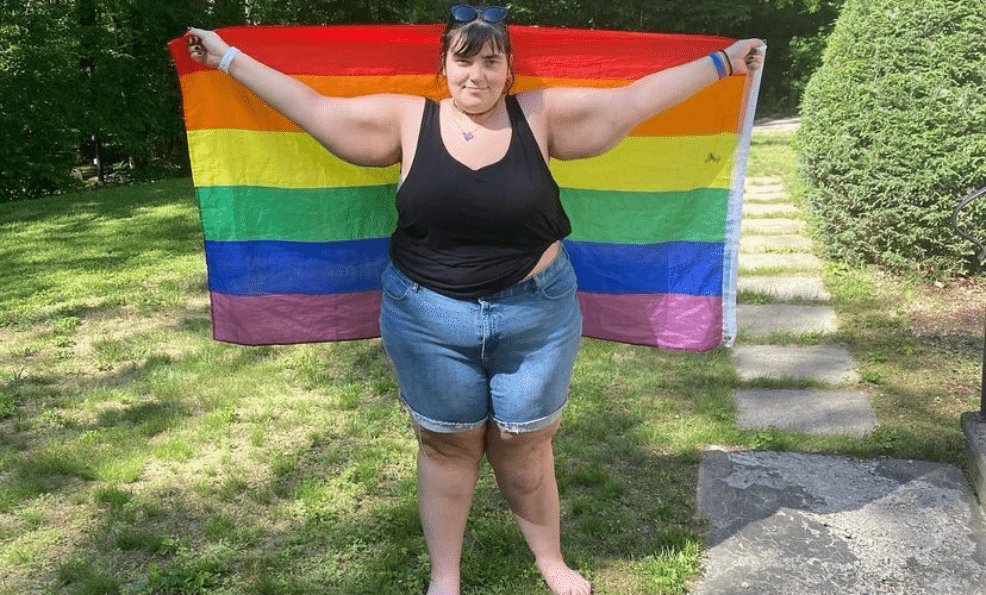
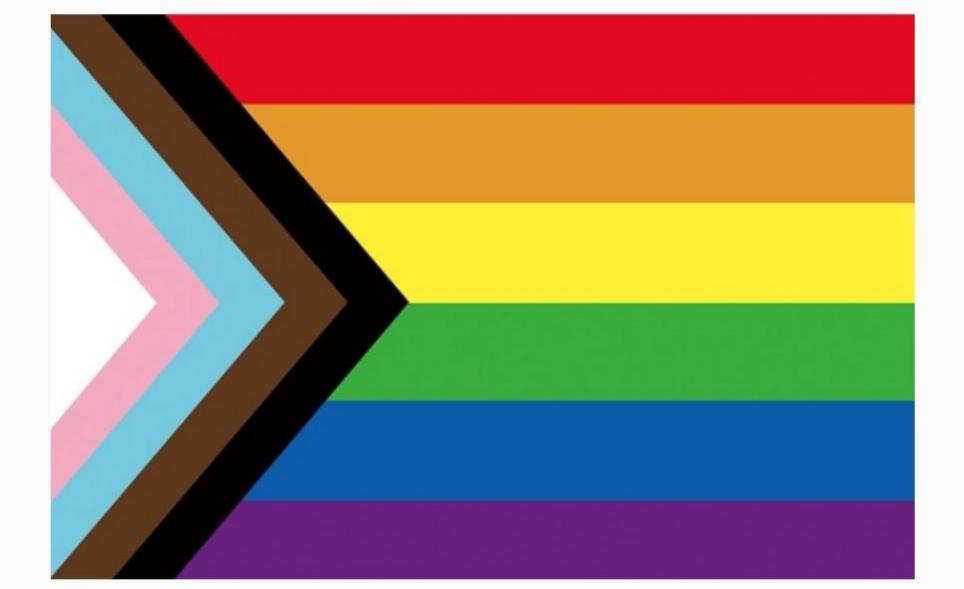
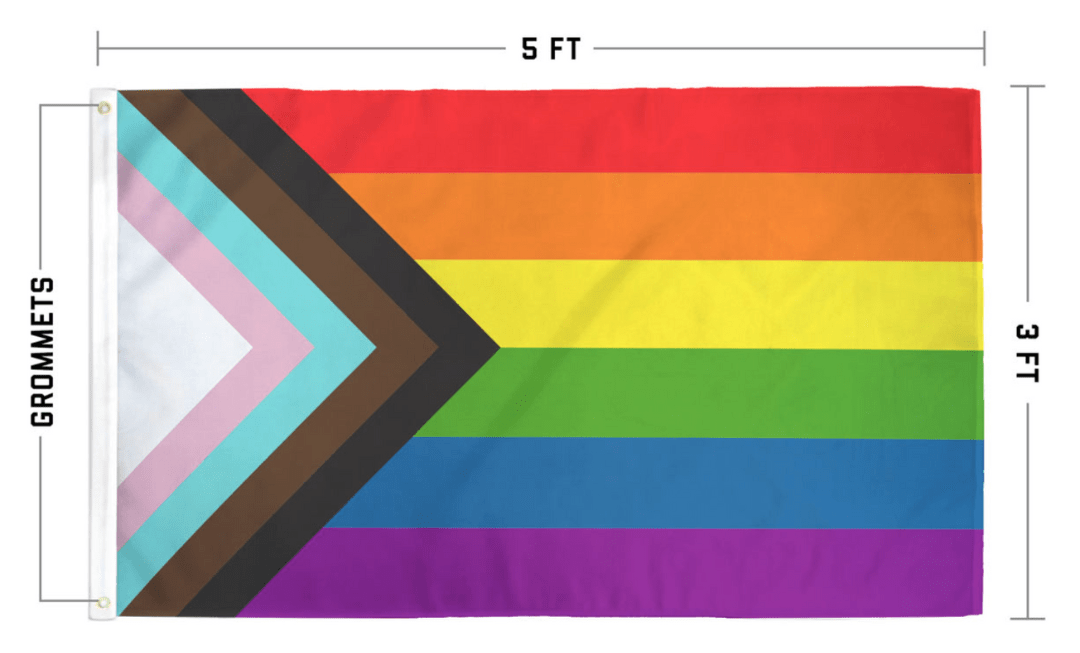
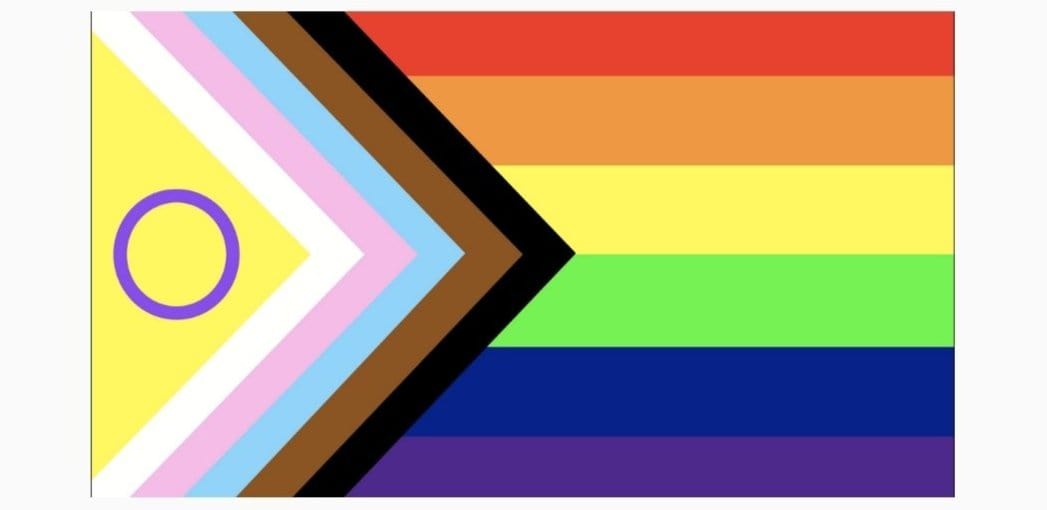
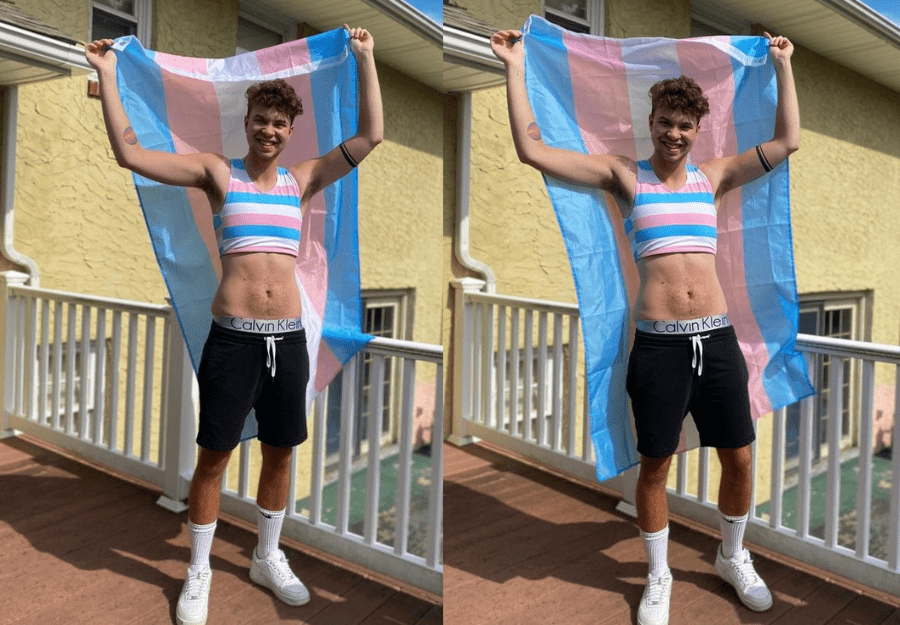
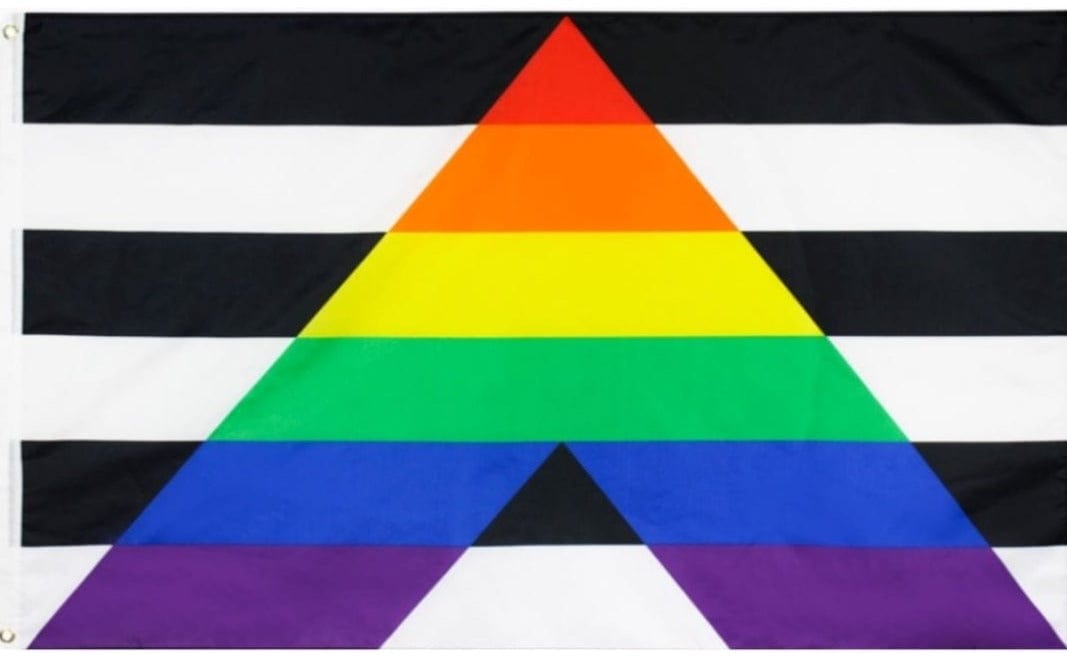
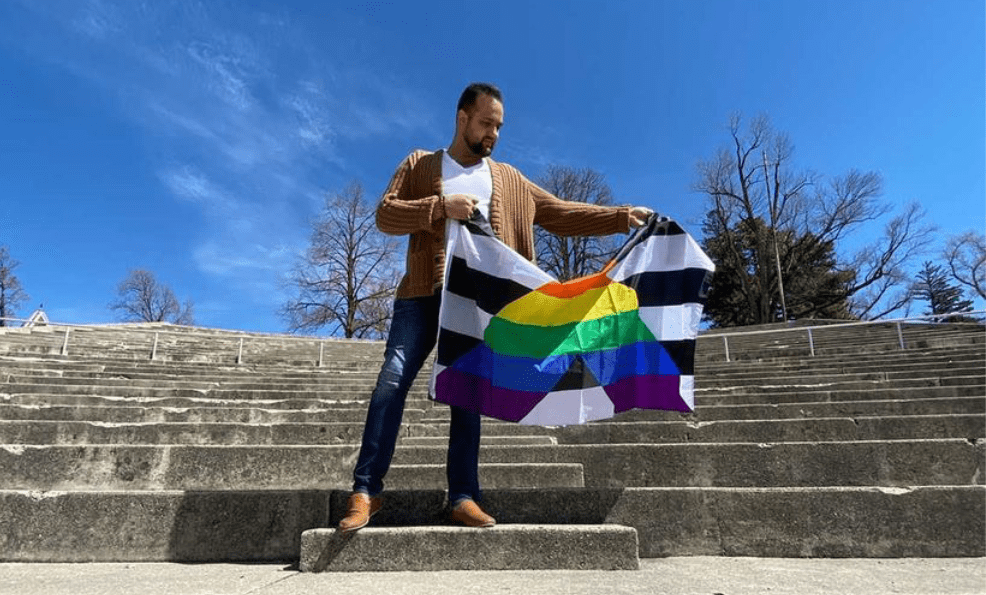
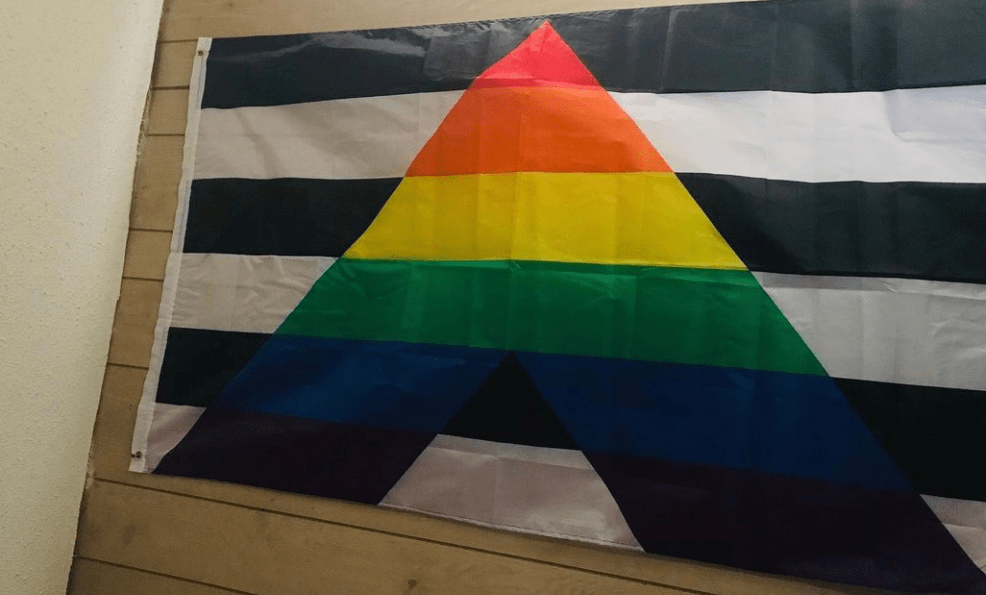
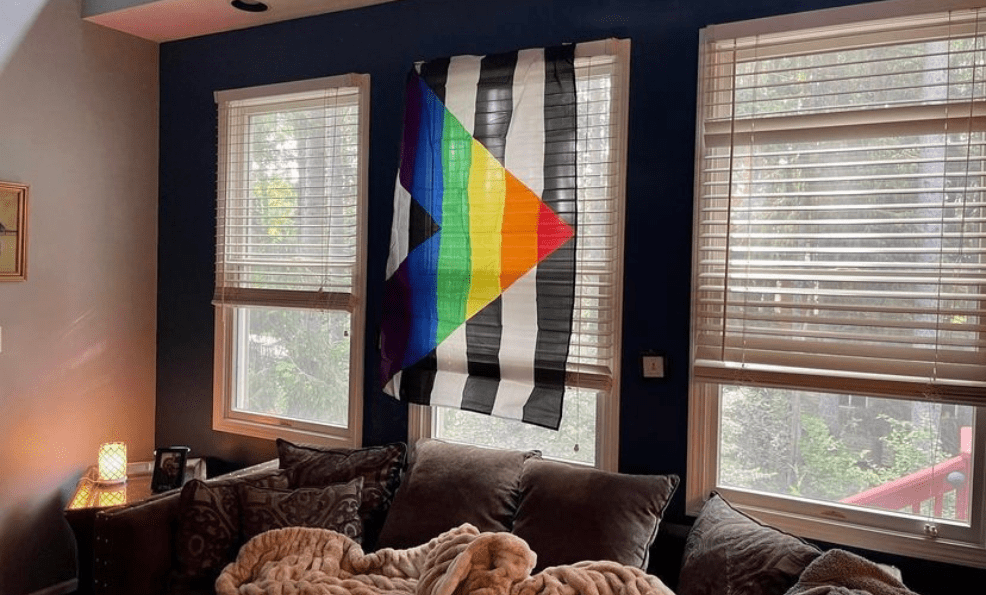
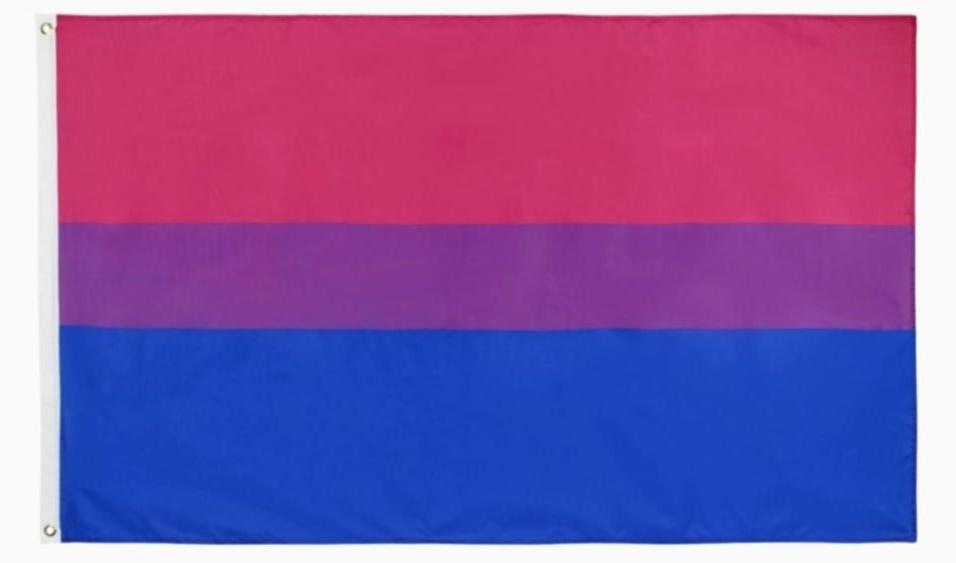
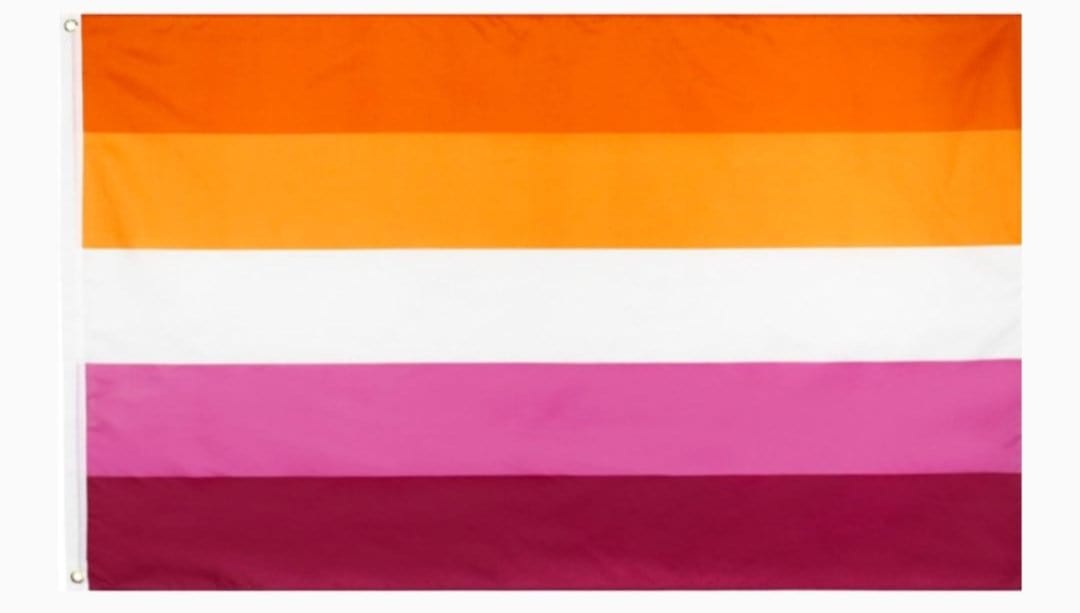
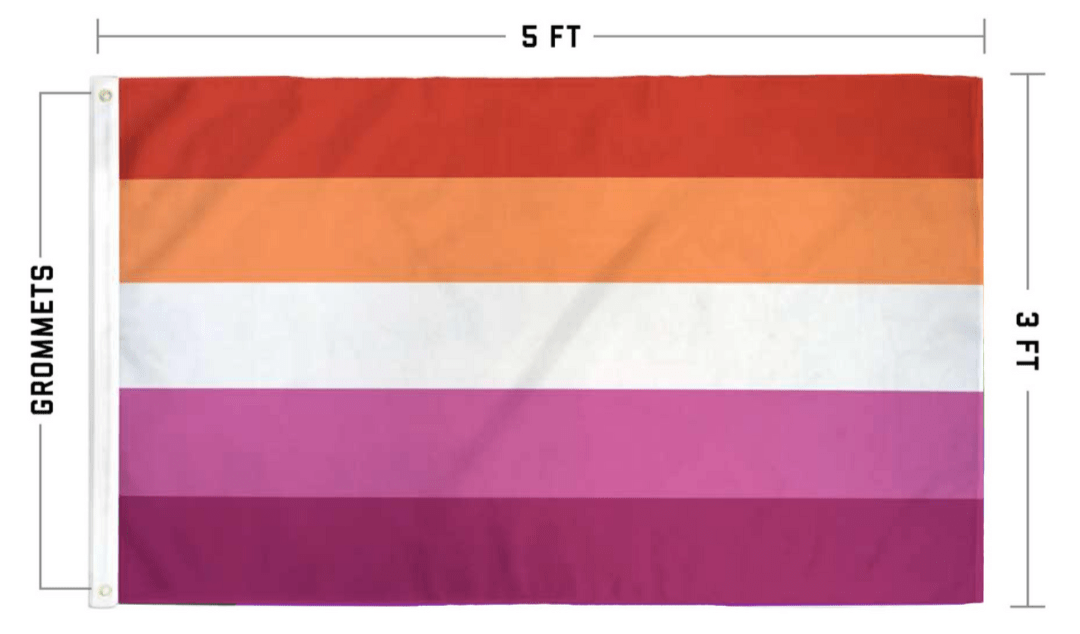
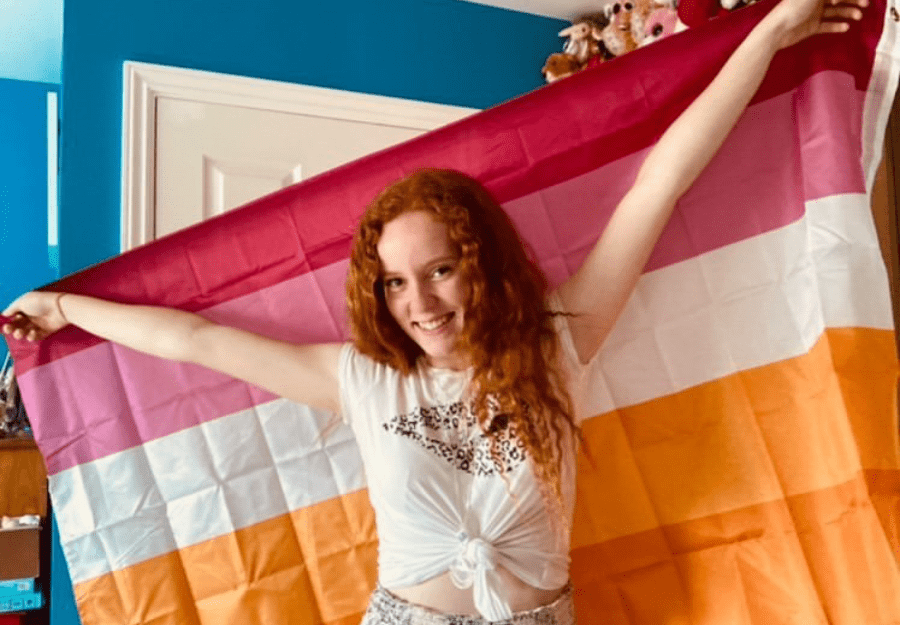
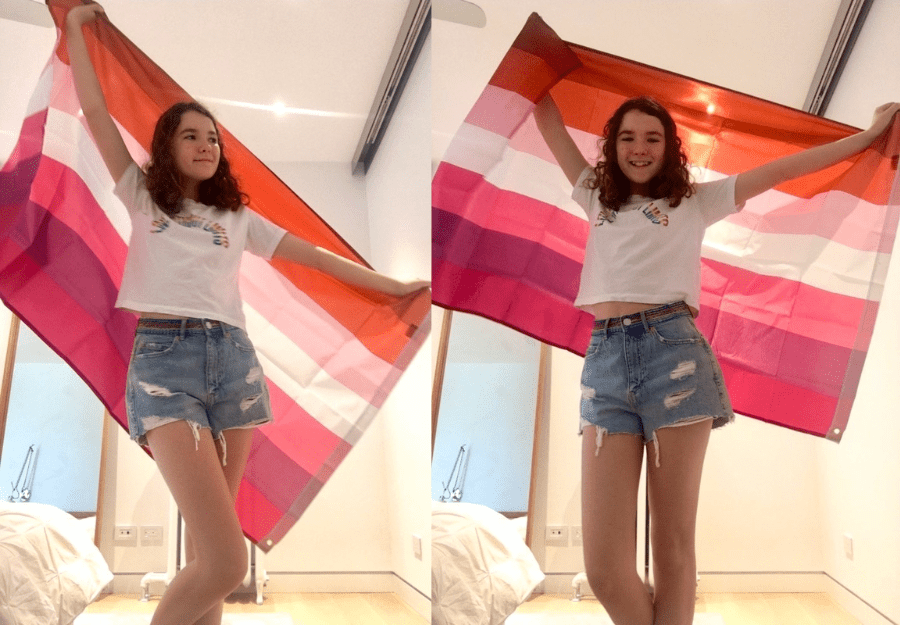
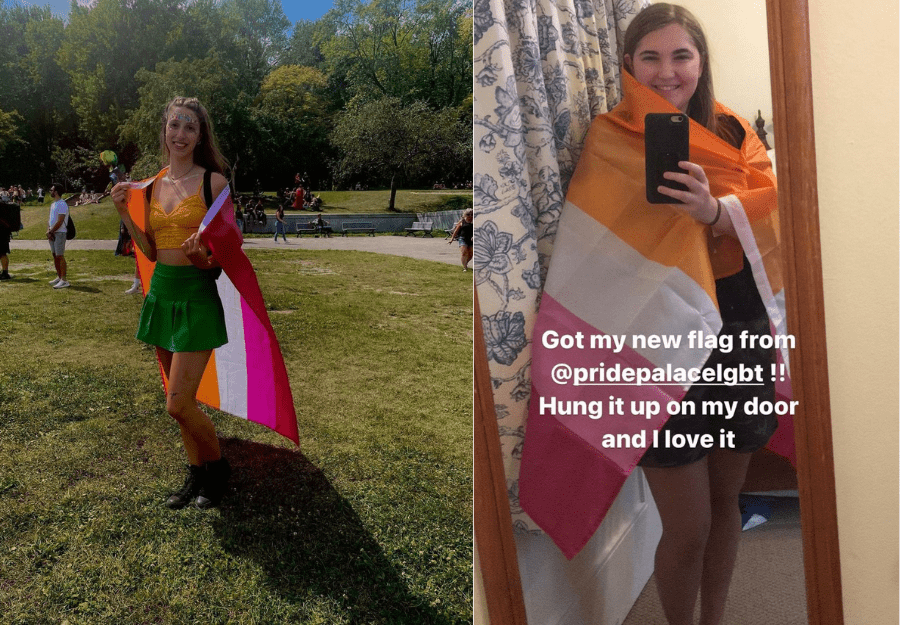
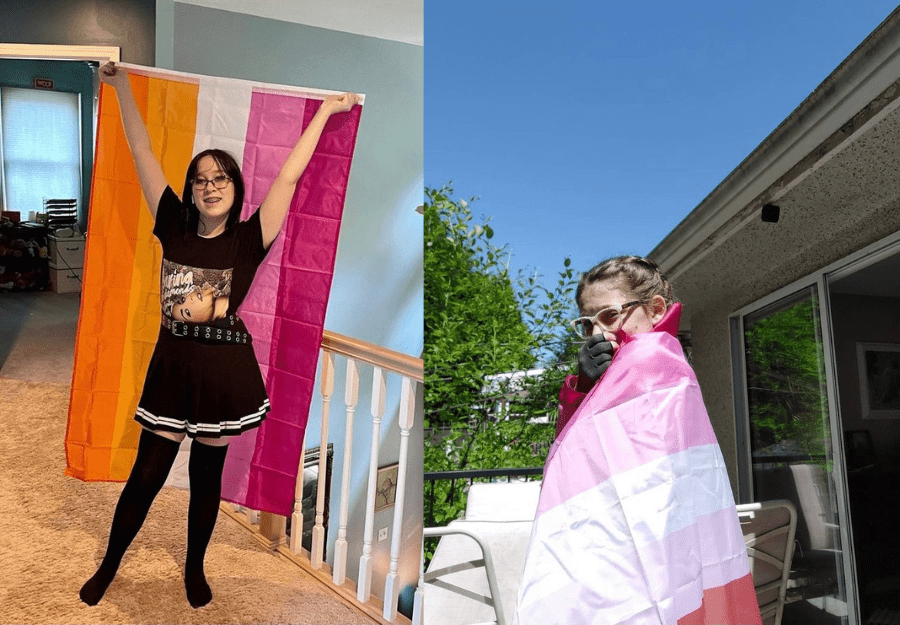
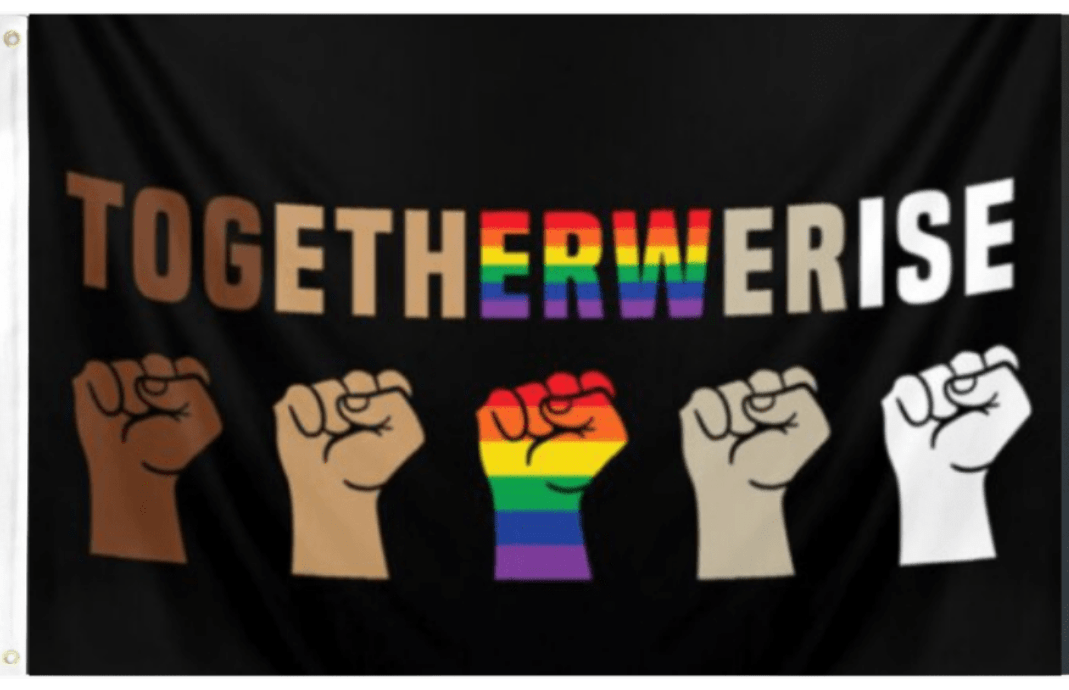
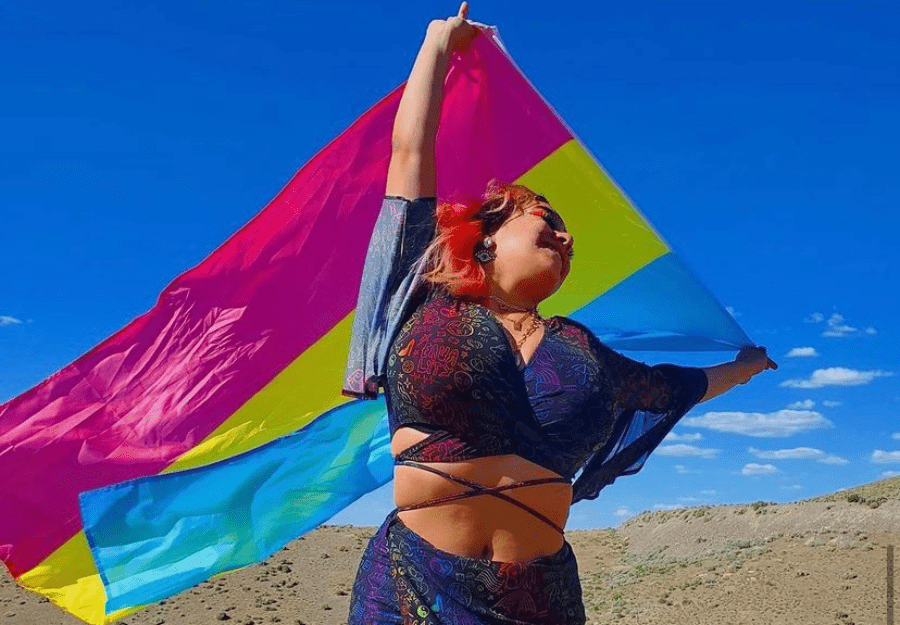
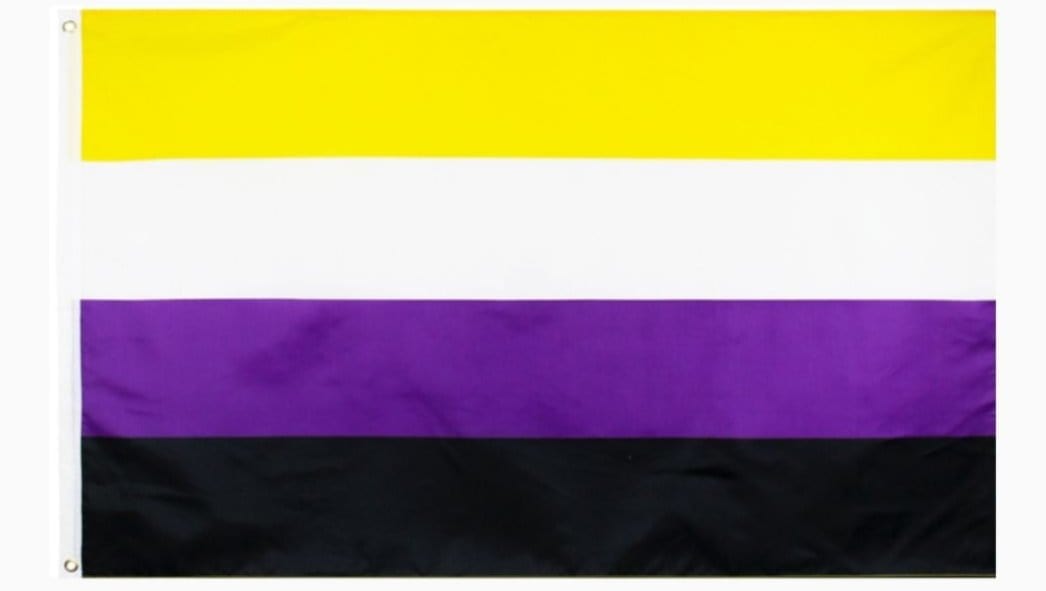
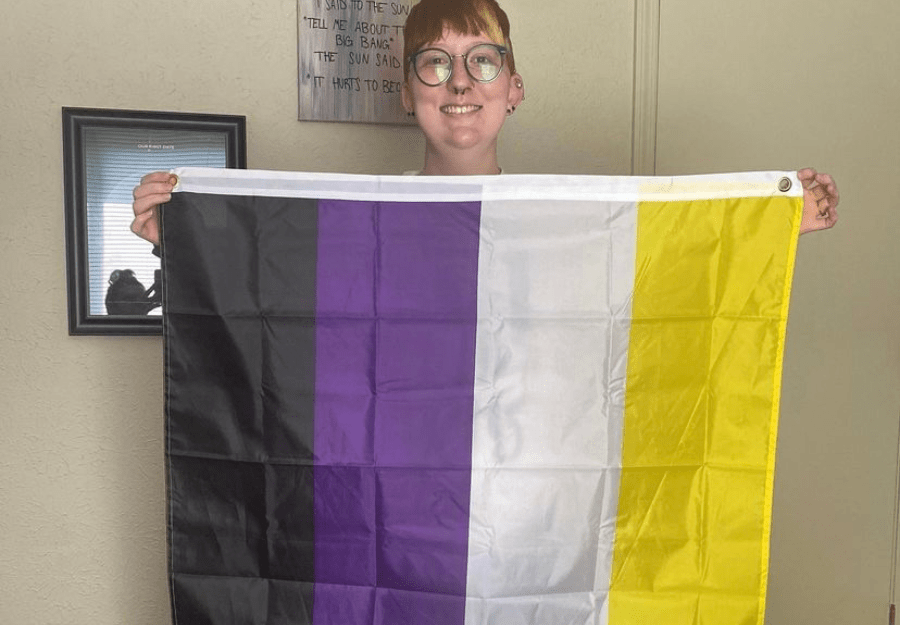
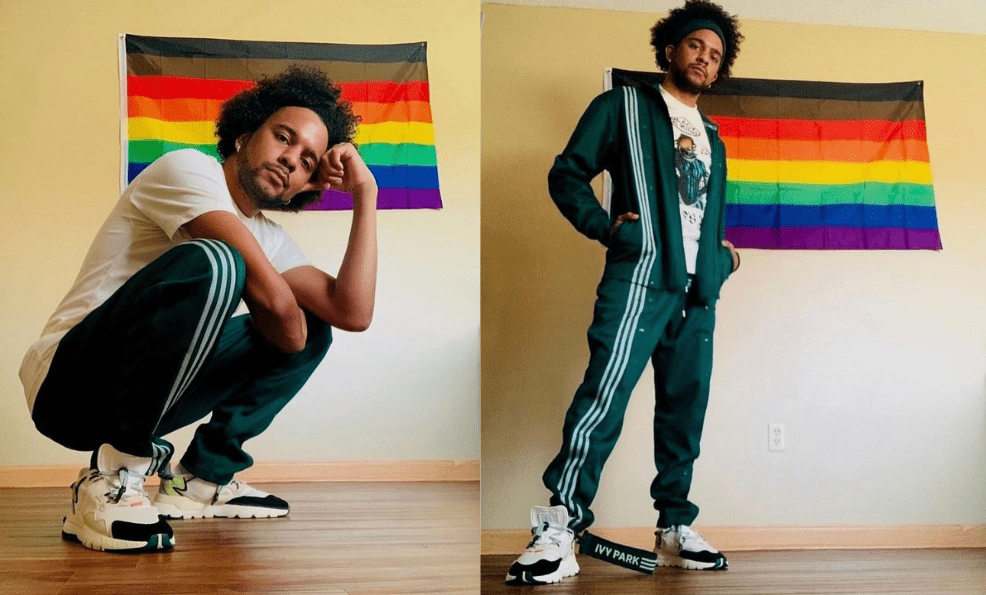
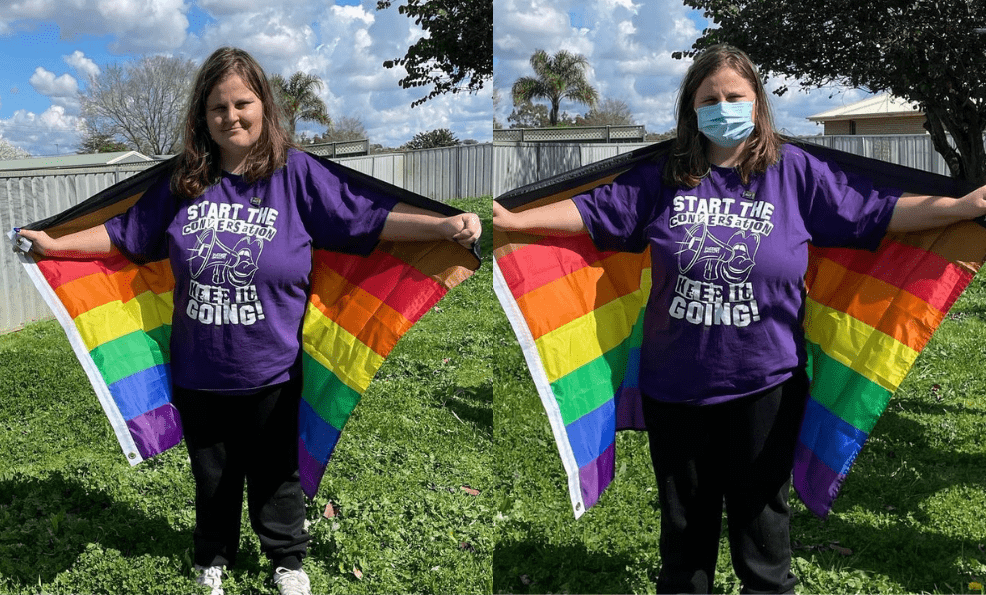
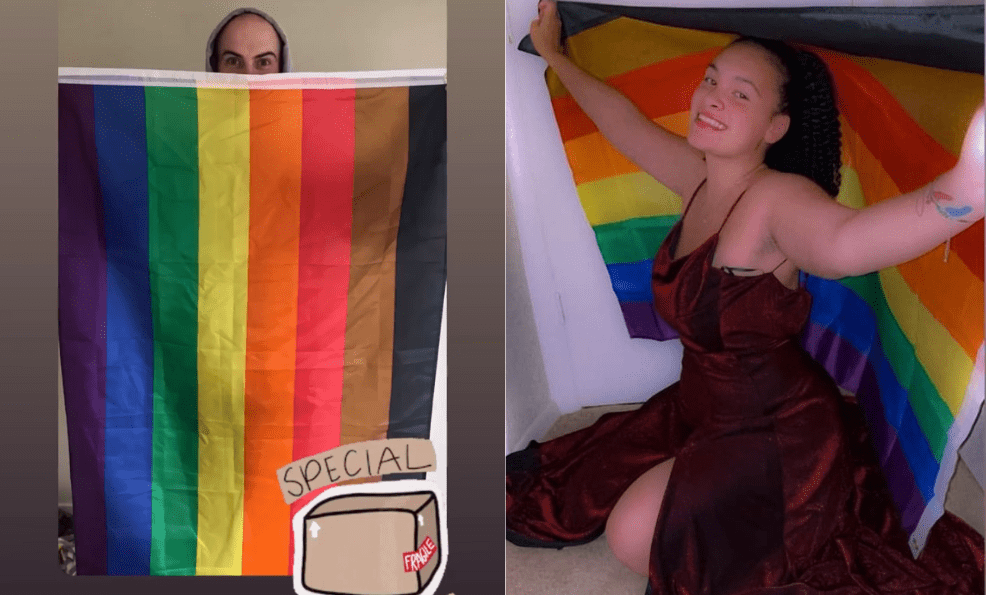
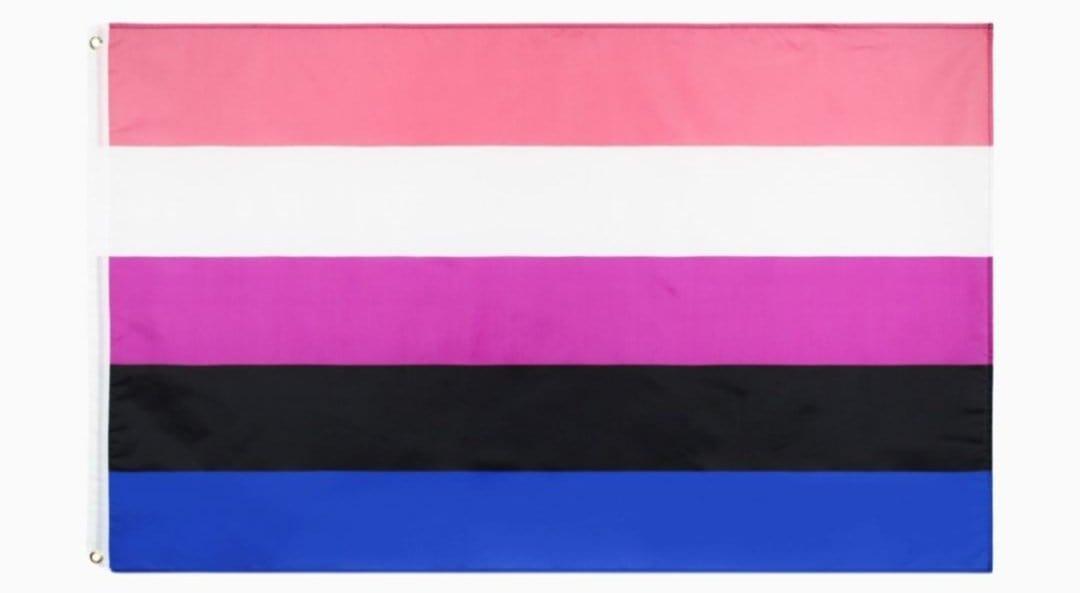
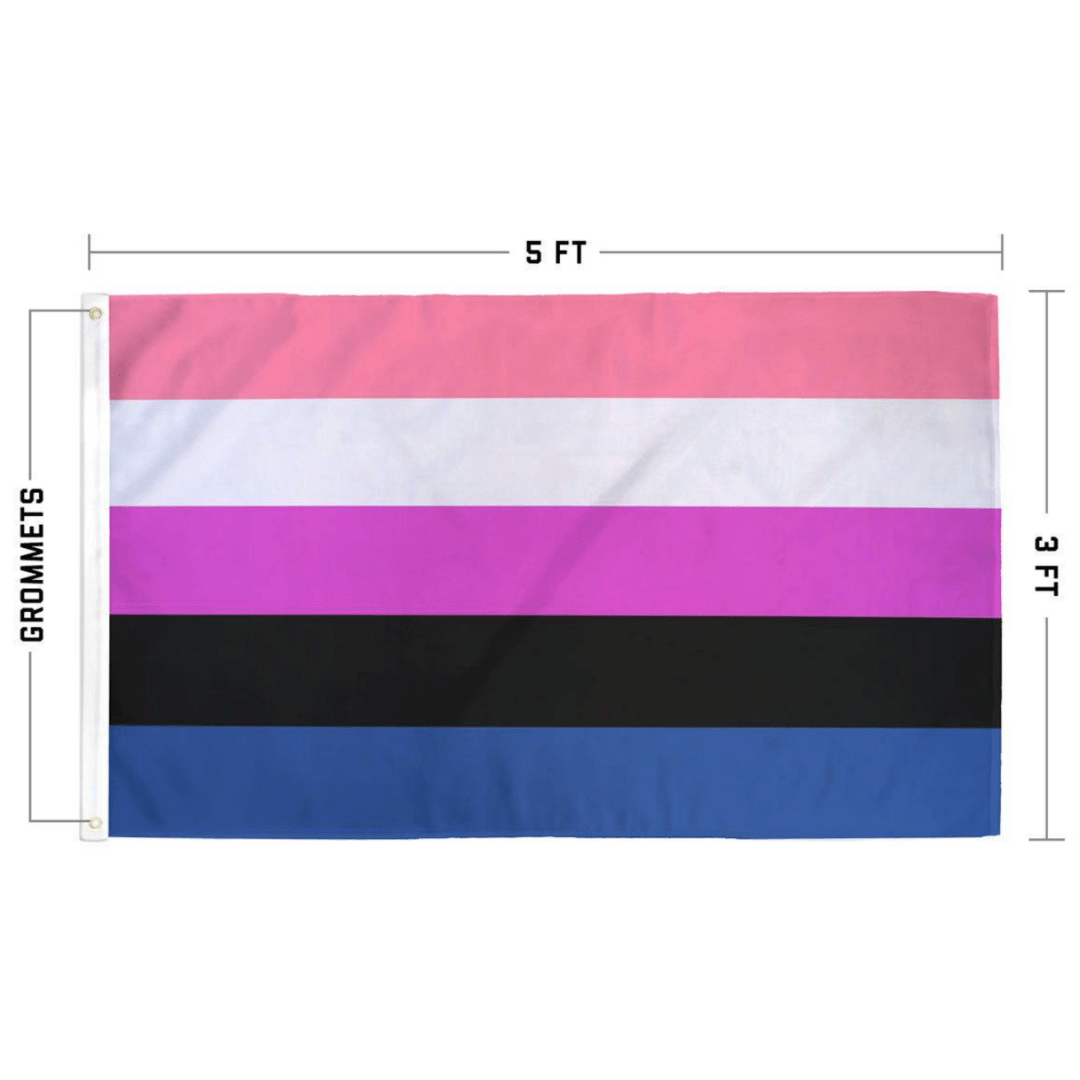
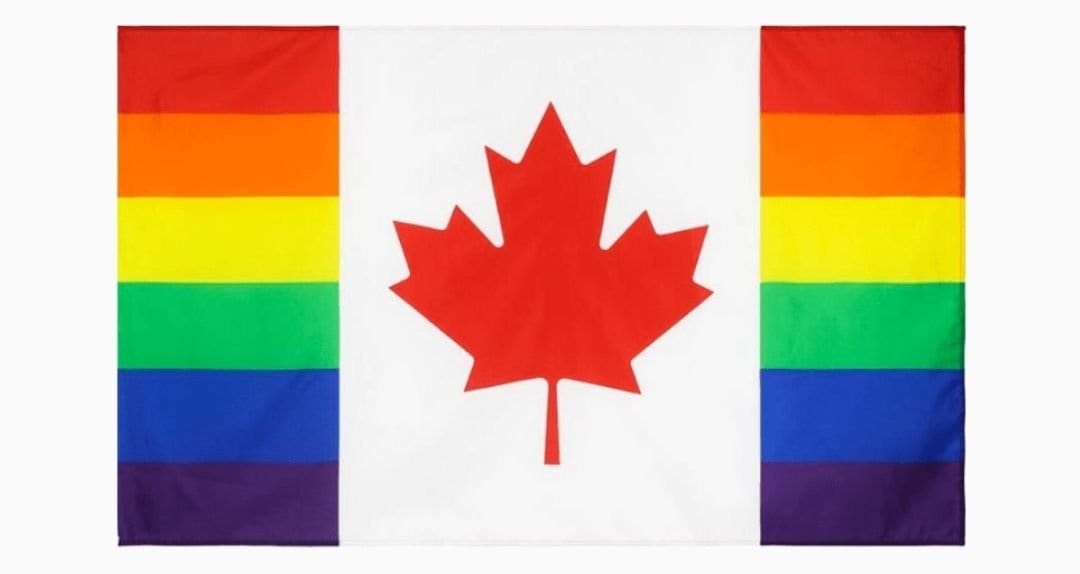
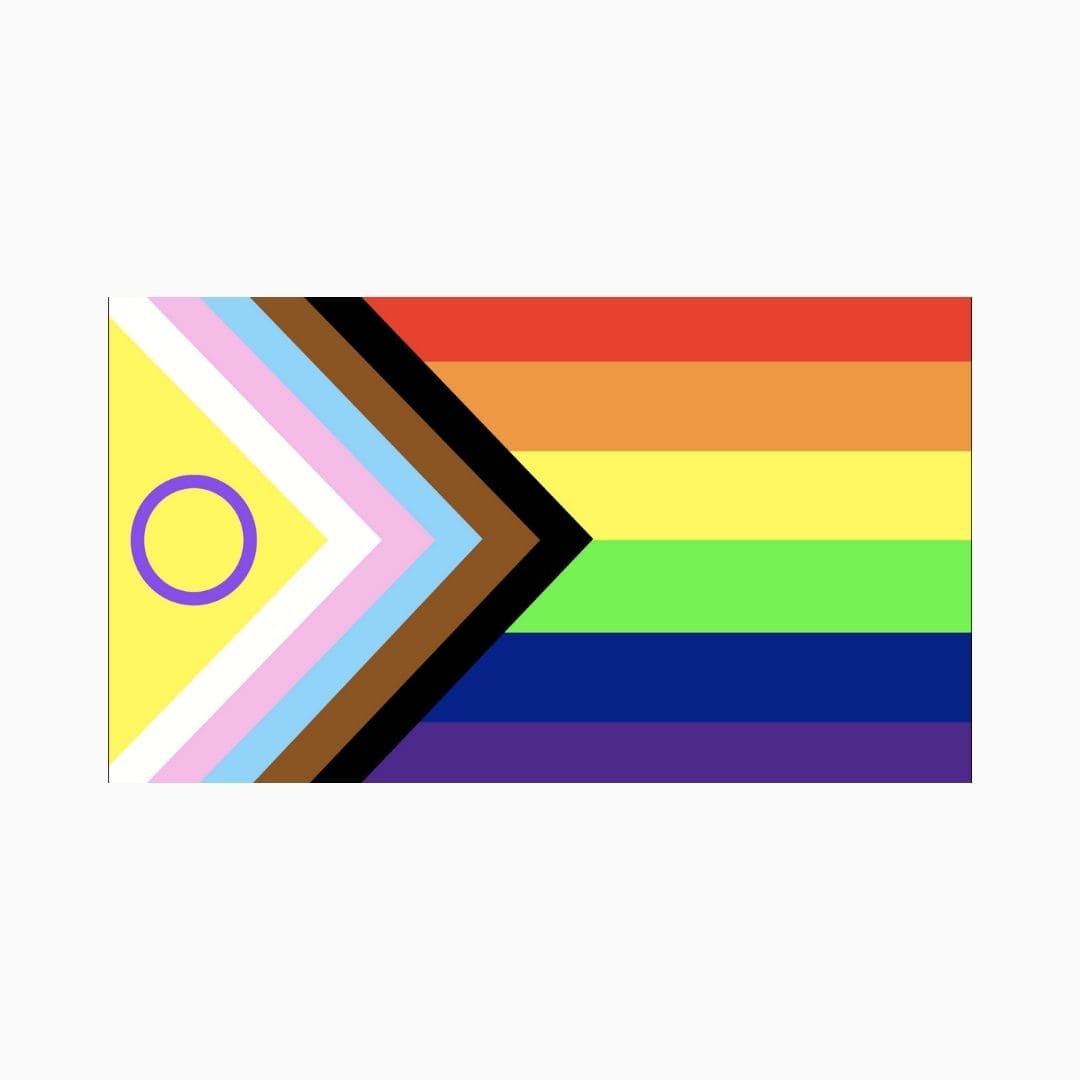
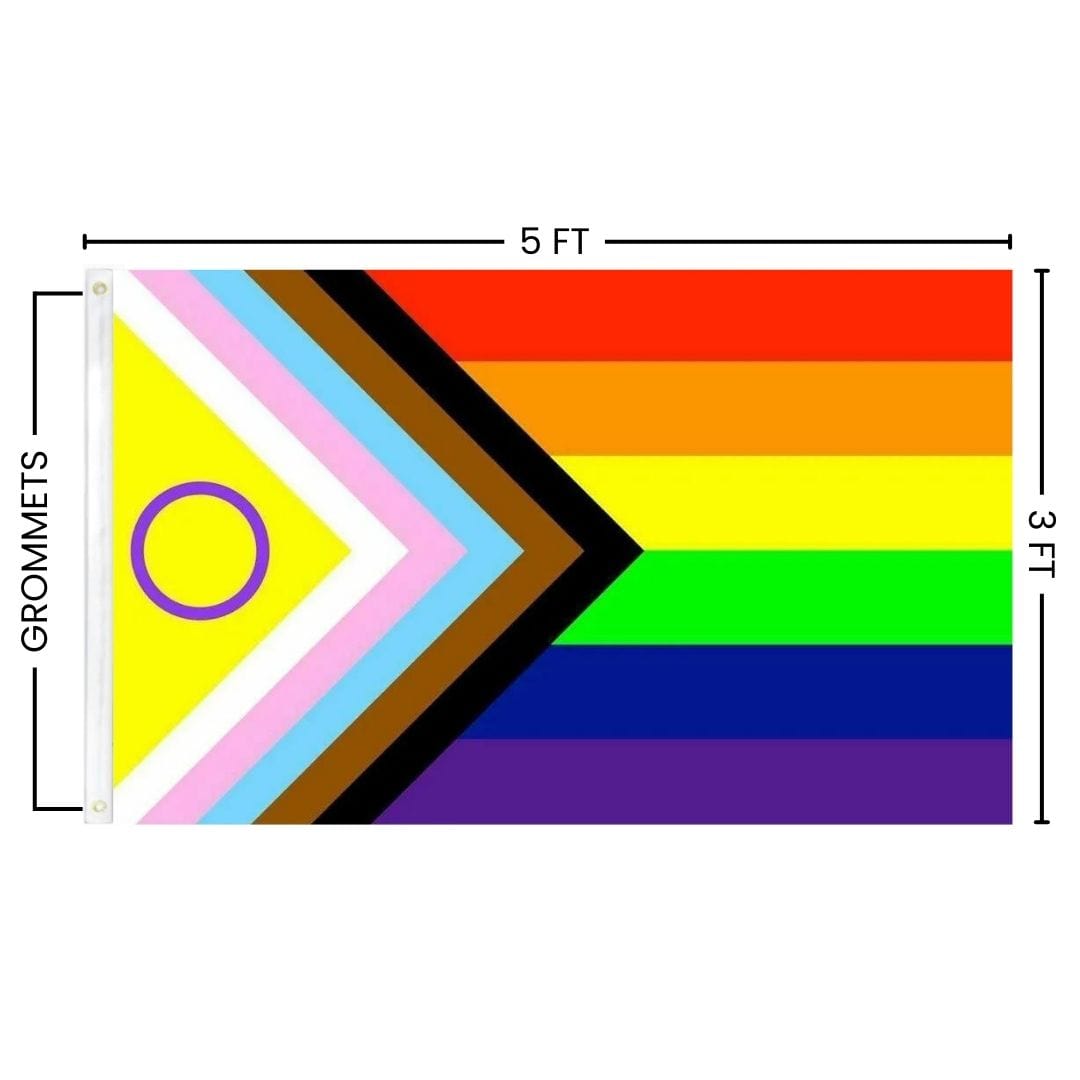
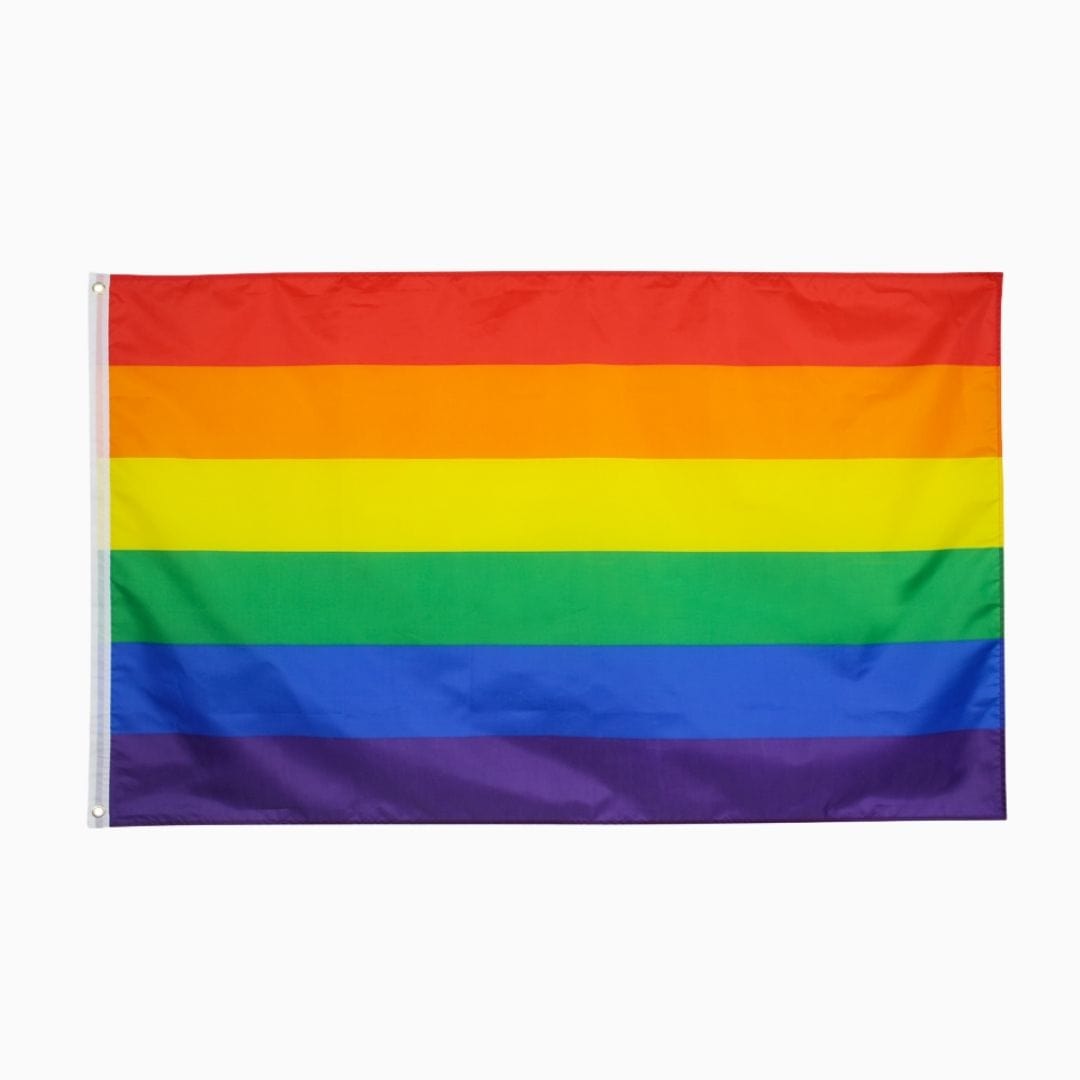
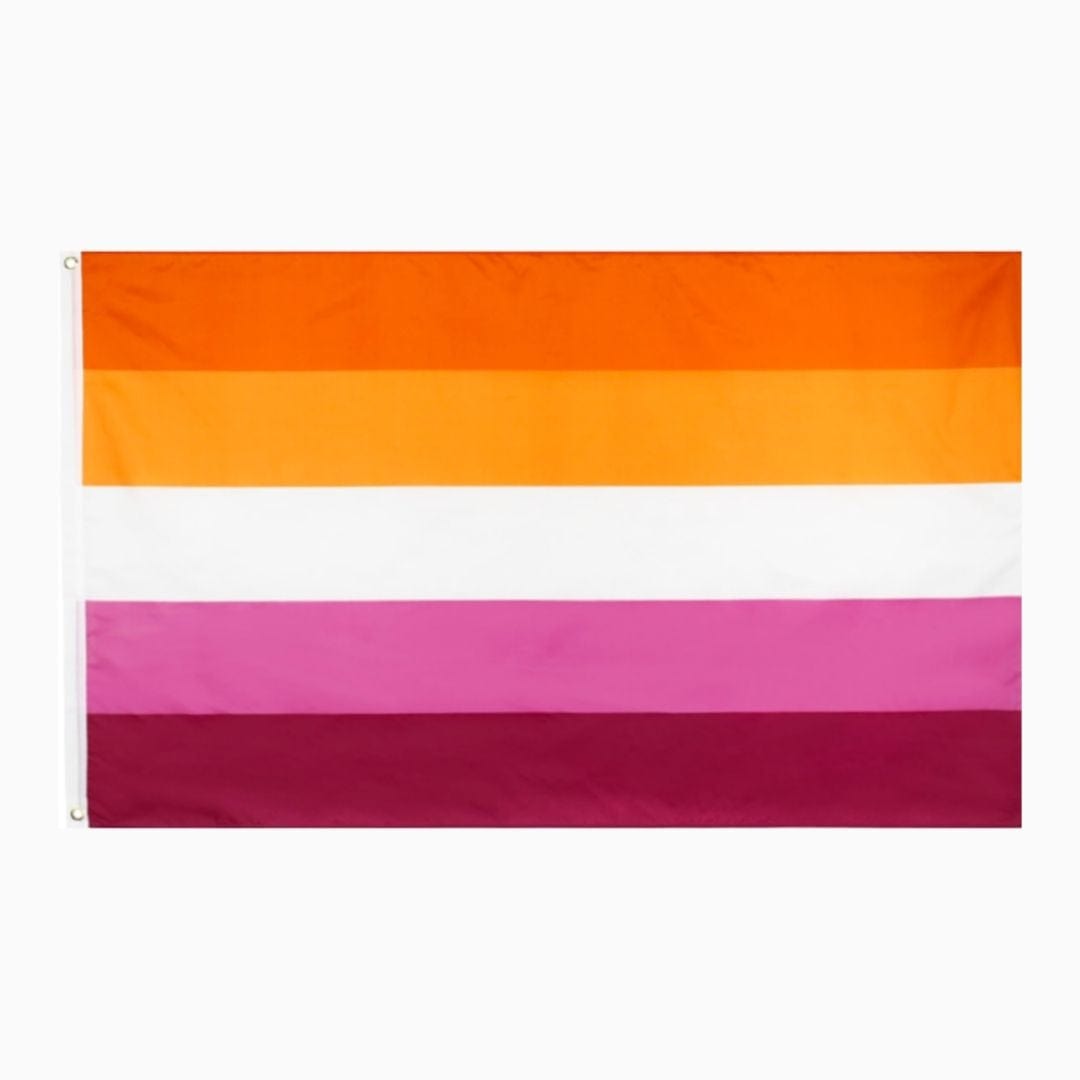
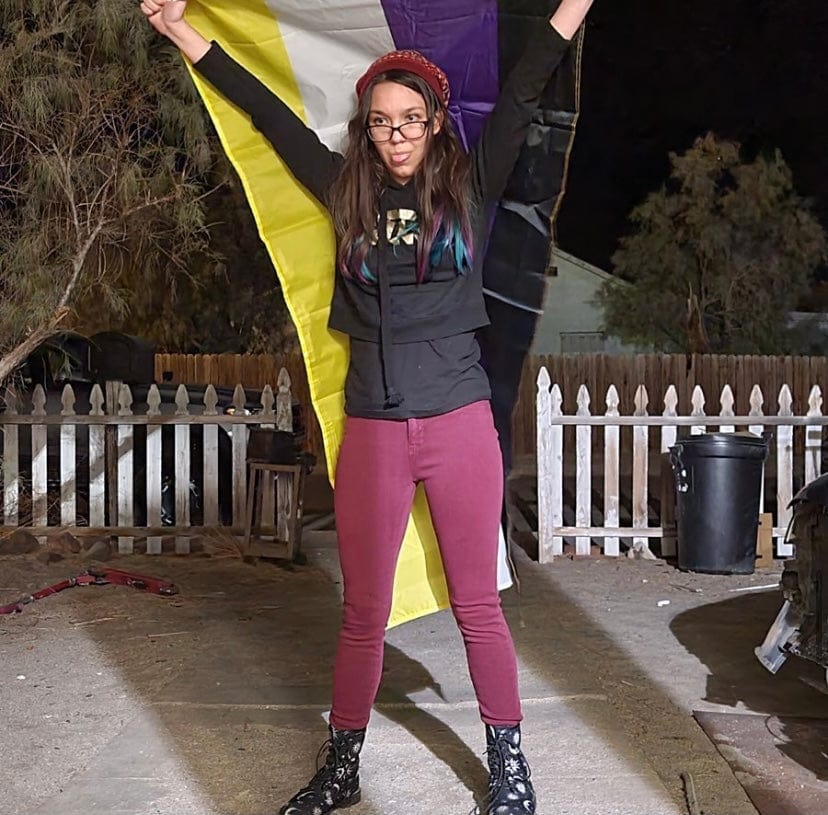
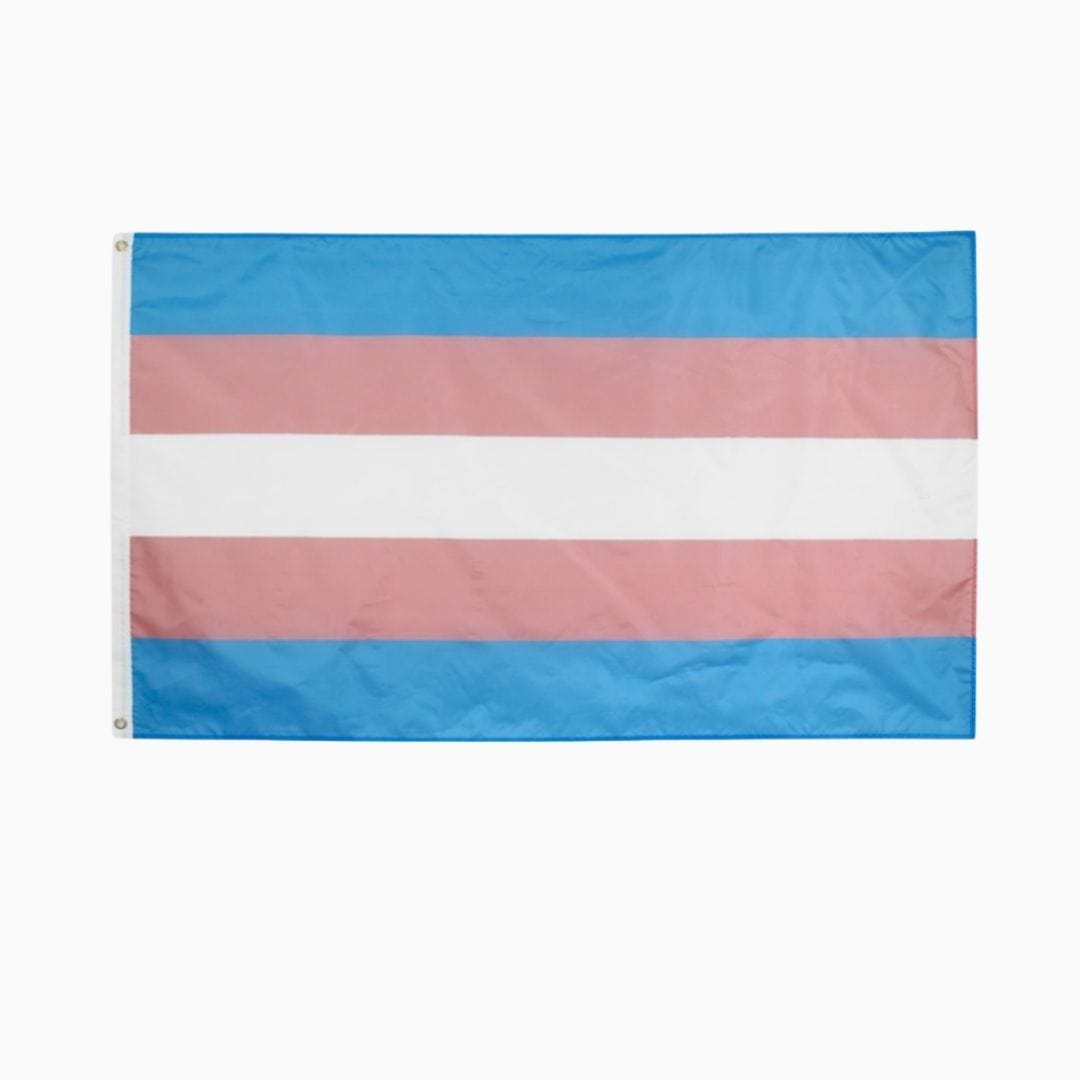
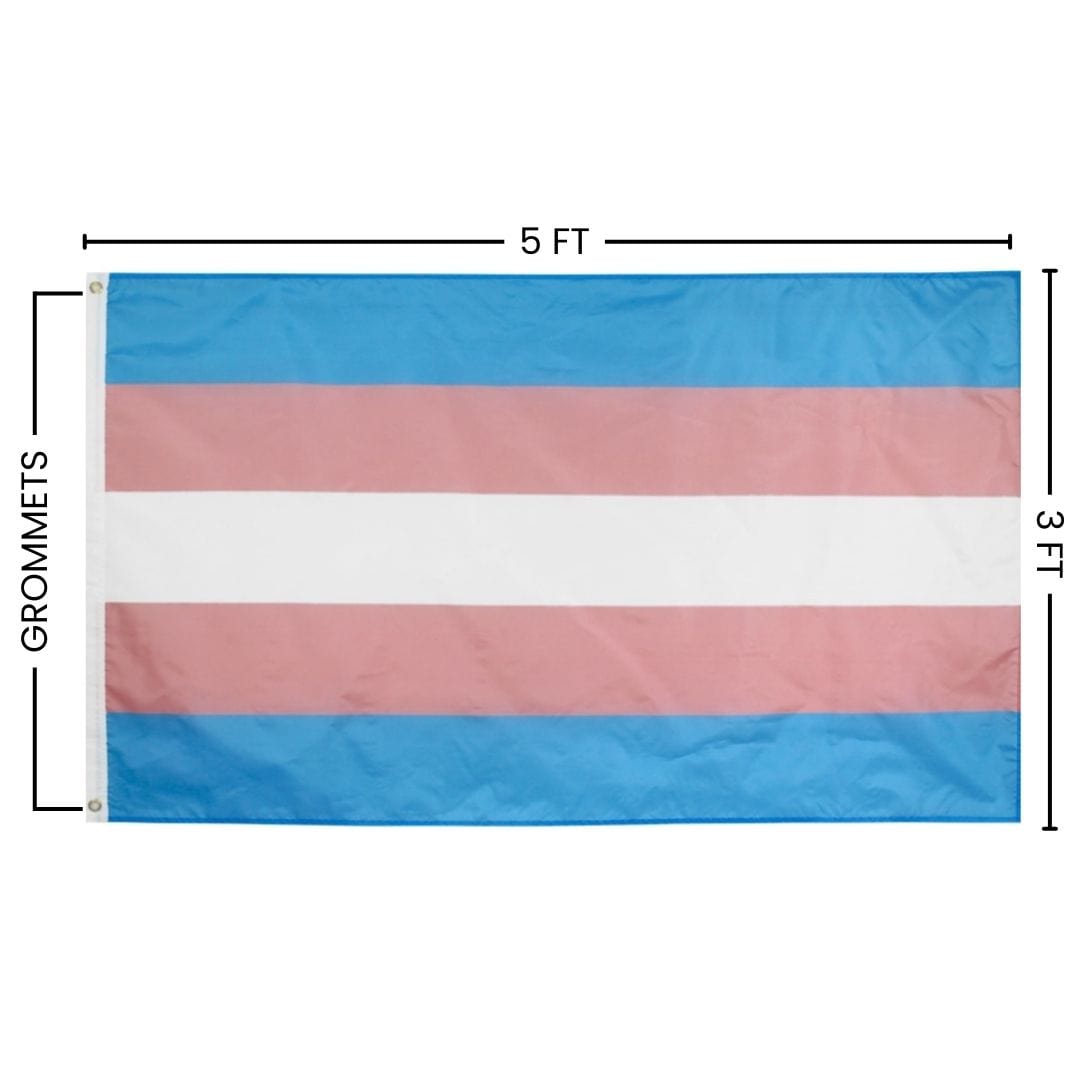
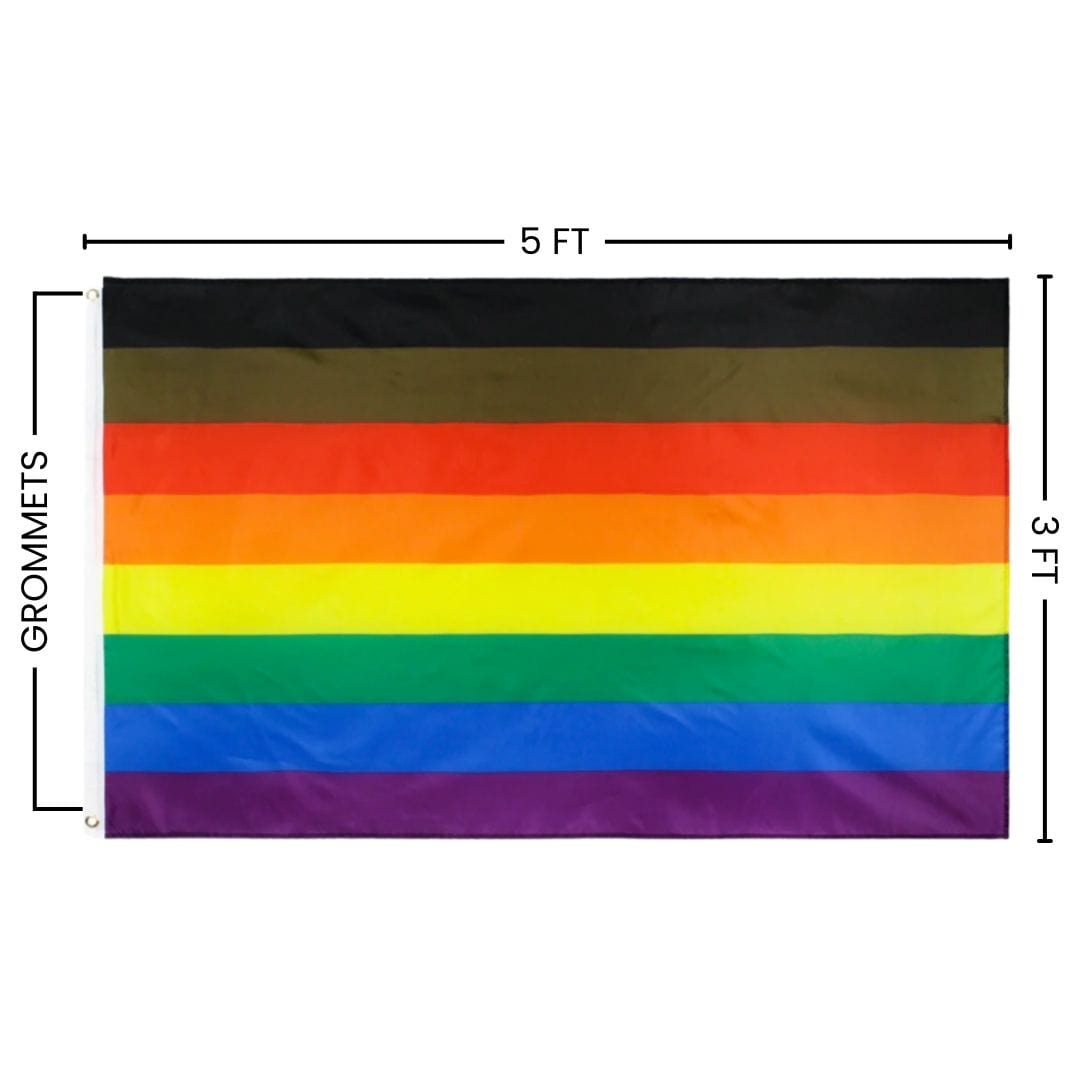
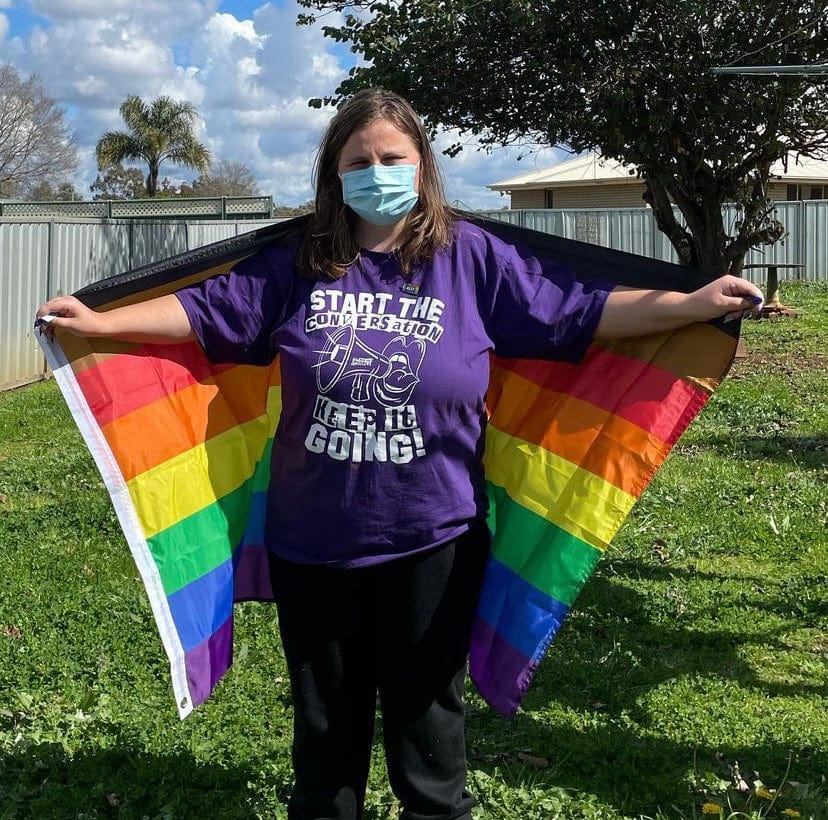
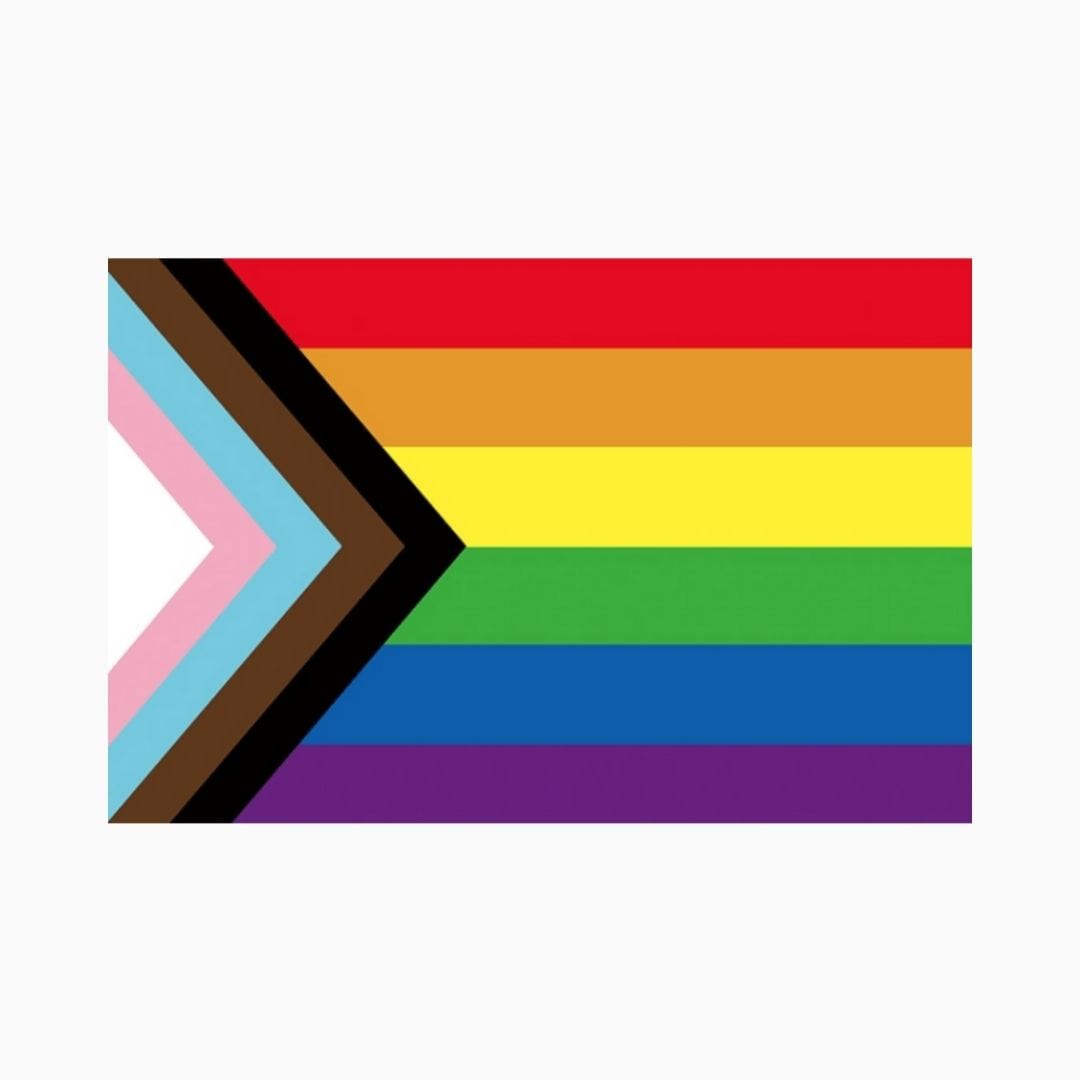
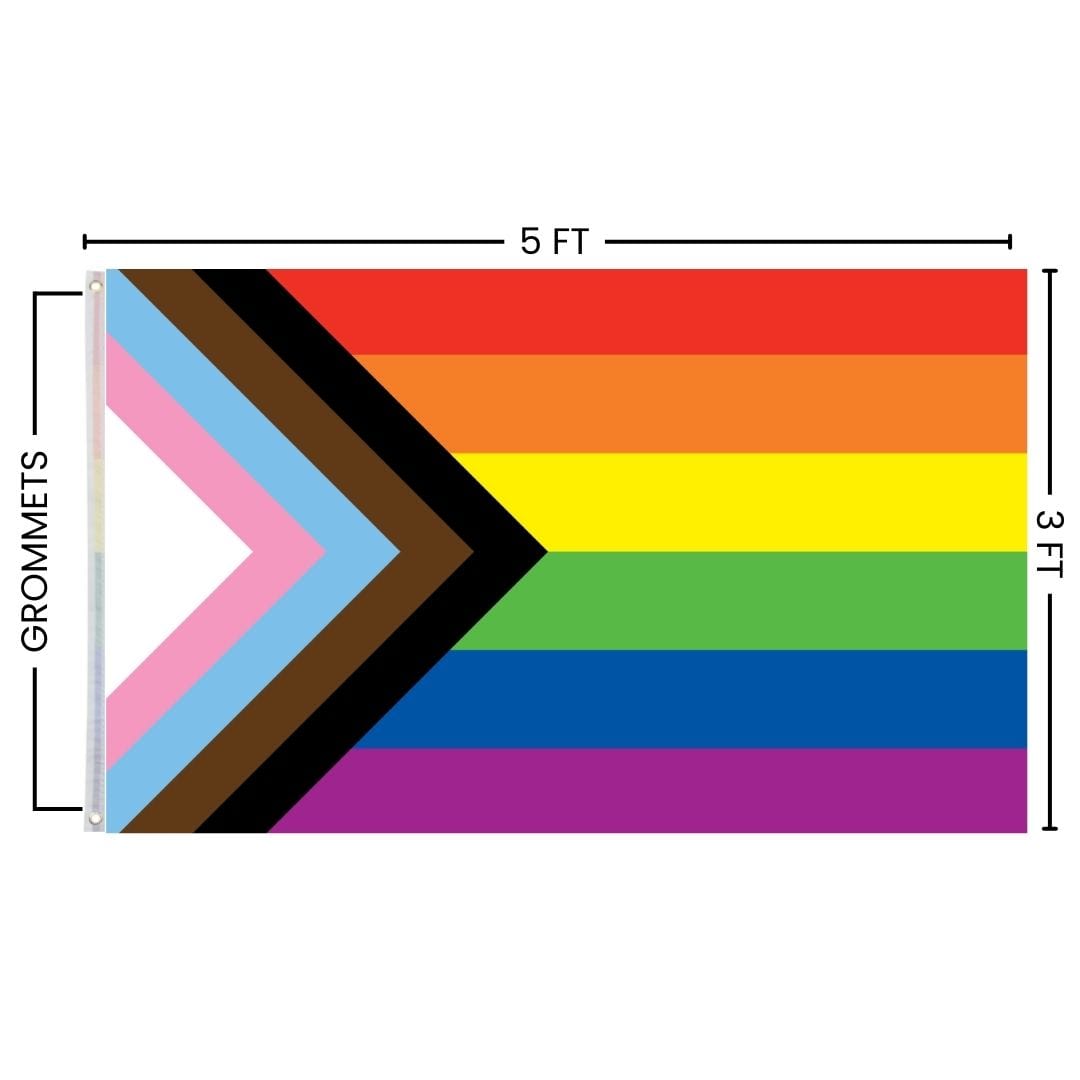
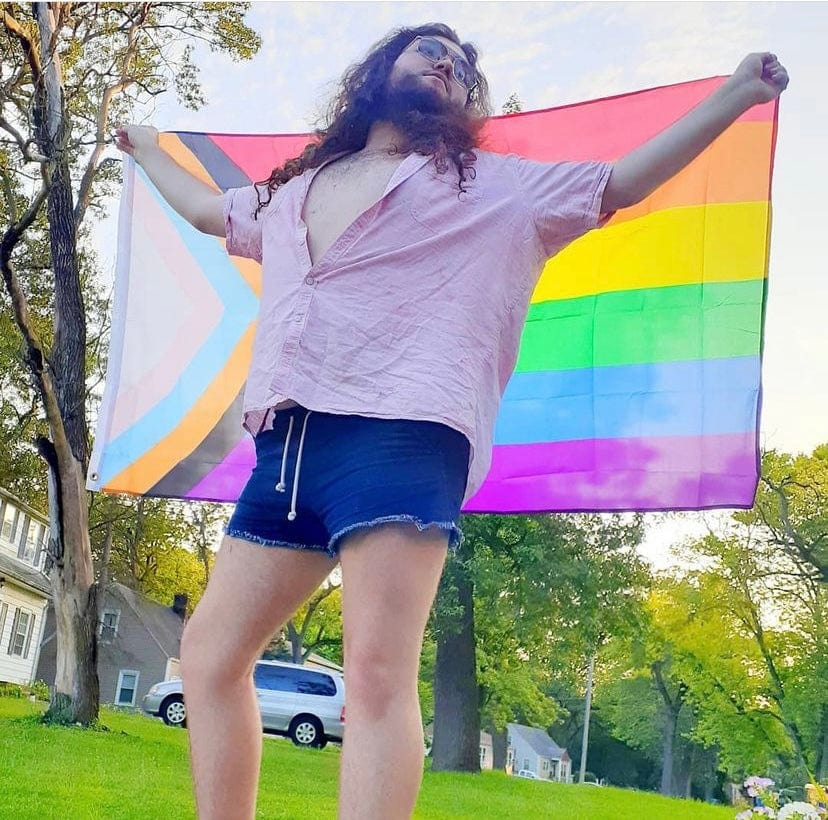
Celebrating LGBTQ history is also part of what Pride is about. If you're looking for ways to express pride and support the community, you can explore our collection of LGBTQ pride flags and other items designed to help people celebrate who they are.
Why LGBTQ History Matters
Understanding stories like this helps keep LGBTQ history alive. The movement has always been about community, mutual support, and standing up for each other.
And the reason “L” comes first in LGBTQ+ is a lasting tribute to the lesbians who helped lead, care for, and support the community during one of its darkest chapters.
Want to learn more about LGBTQ culture, identity, and history? Visit the Pride Palace blog for more stories and educational resources.