
Bisexuality is one of the most misunderstood identities in the LGBTQ+ community. Many people grow up hearing myths about what being bisexual is supposed to look like, who you should date, how you should express yourself, or what experiences you need to prove your identity.
The truth is simple. Bisexuality is about attraction, not a checklist.
If you have ever asked yourself “Am I still bi if…?” you are not alone. Here are 10 common situations people worry about and why none of them make you any less bisexual.
1. You Have Never Been to Pride
Pride events are beautiful celebrations of LGBTQ+ identity and community, but attending one is not what makes someone part of the community.
Some people do not live near Pride events. Others may not feel ready, comfortable, or safe attending yet.
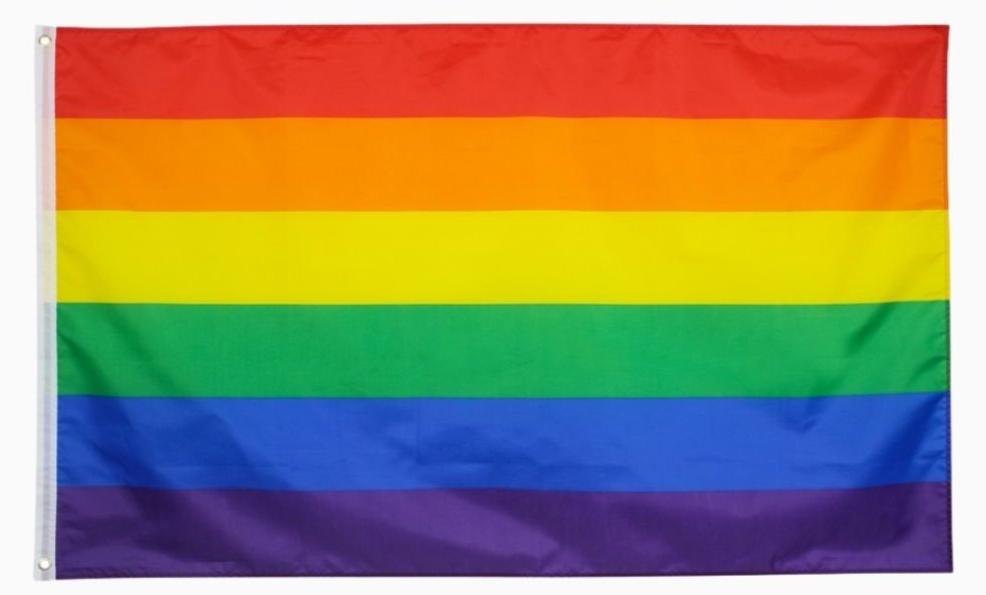
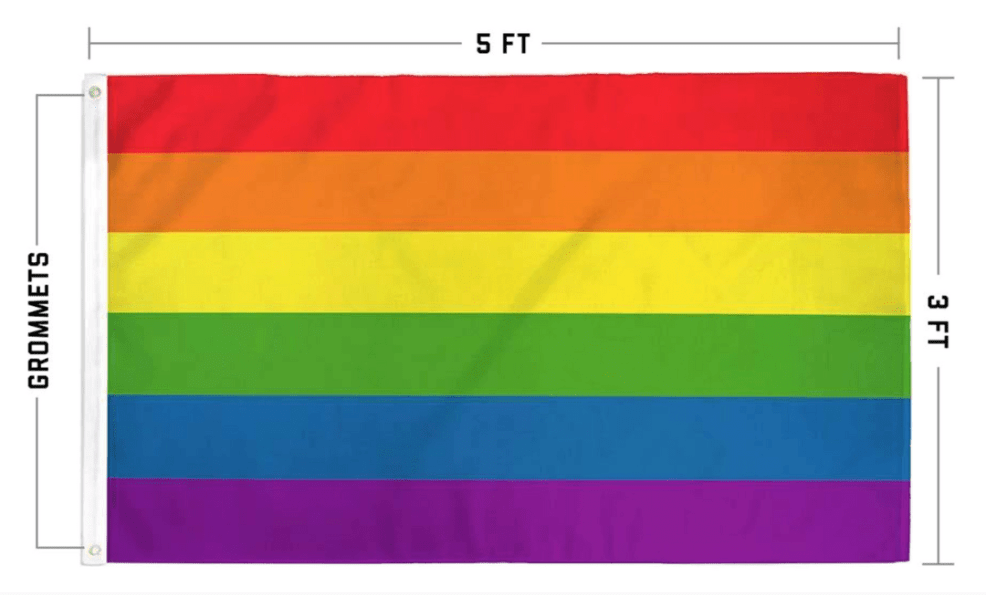
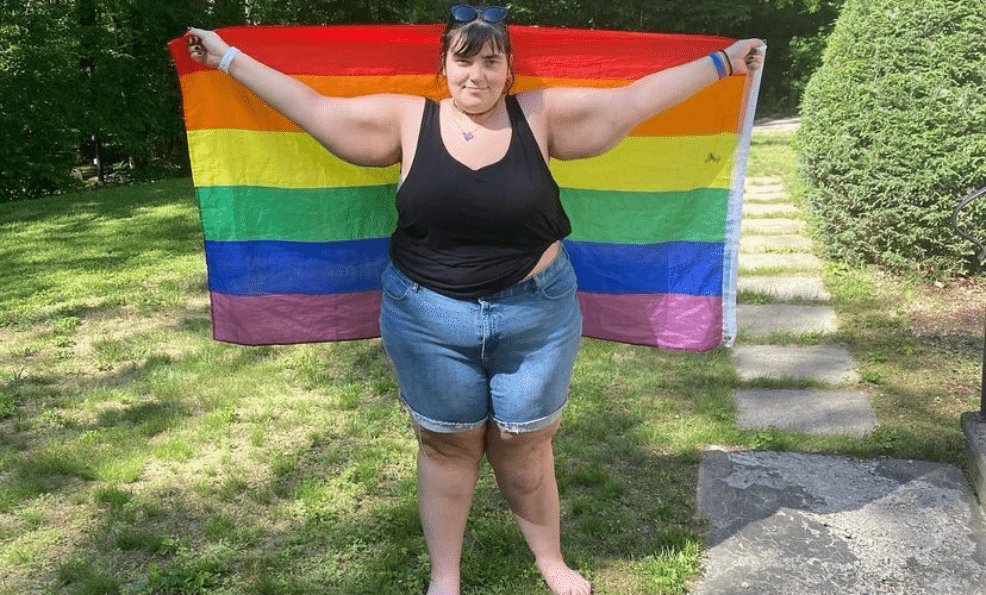
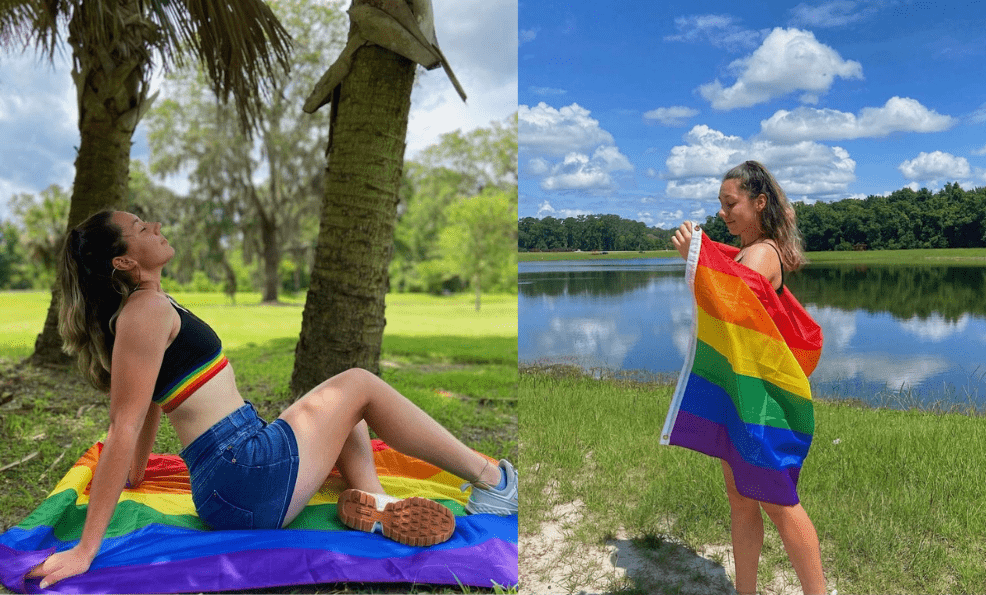
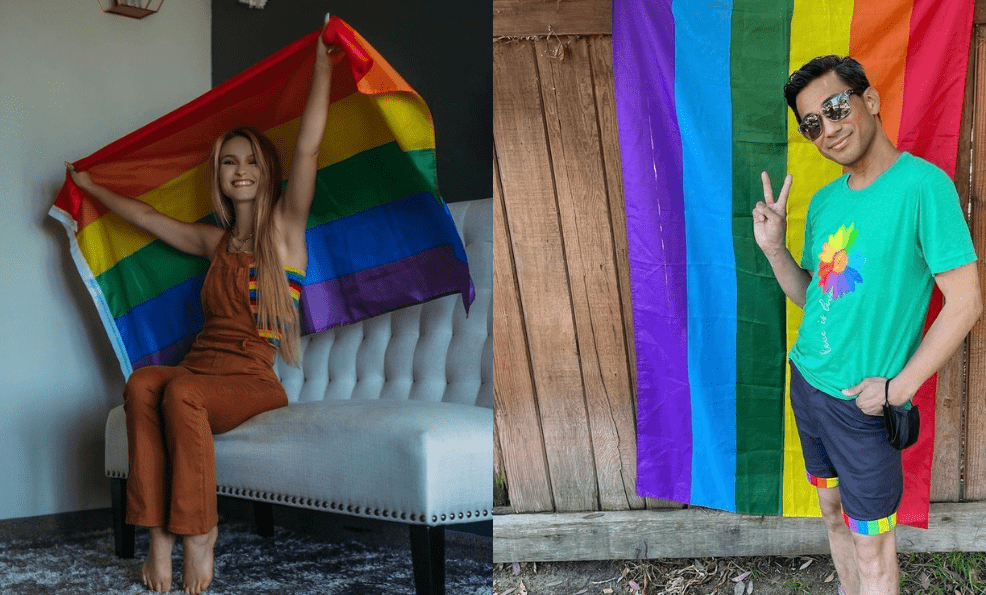
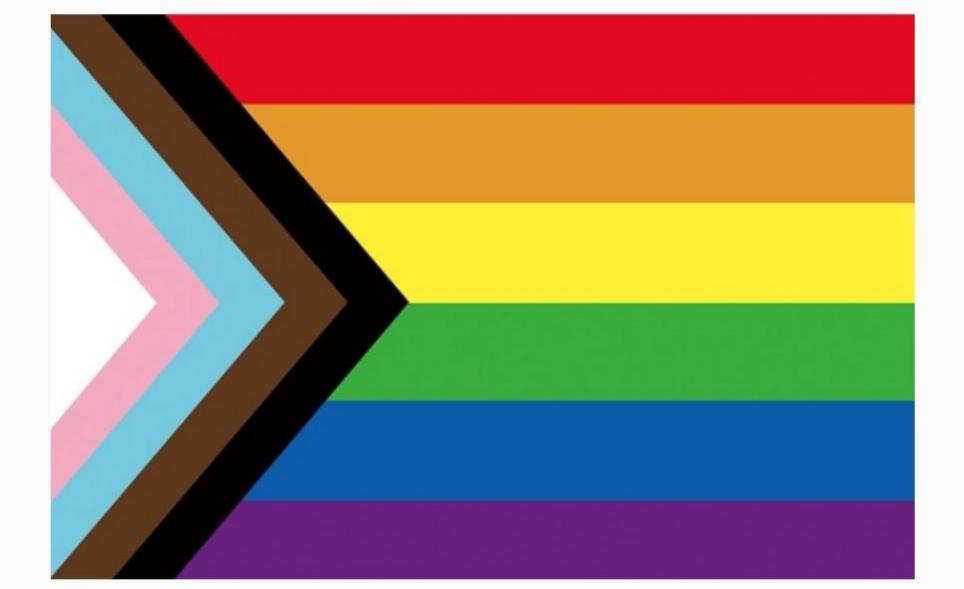
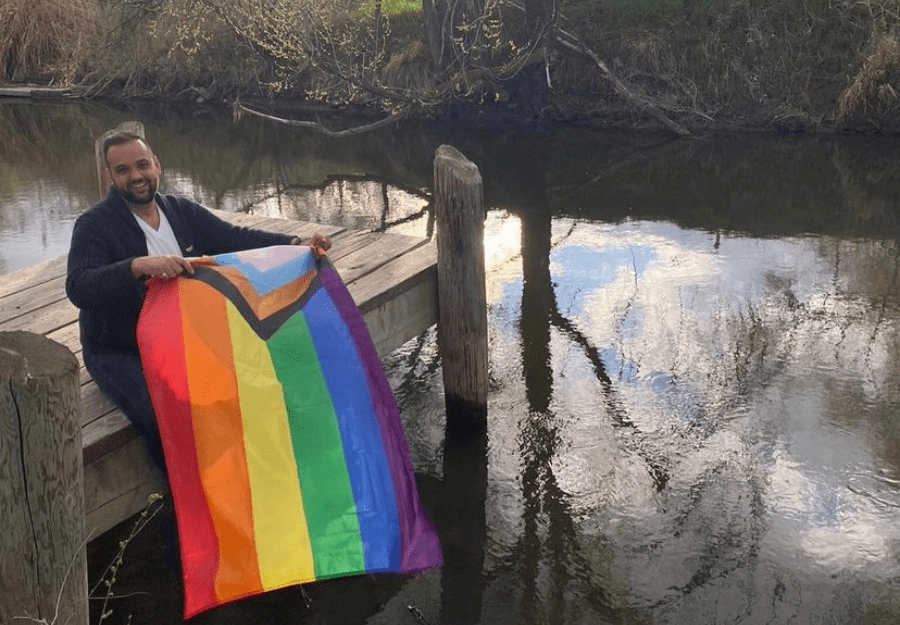
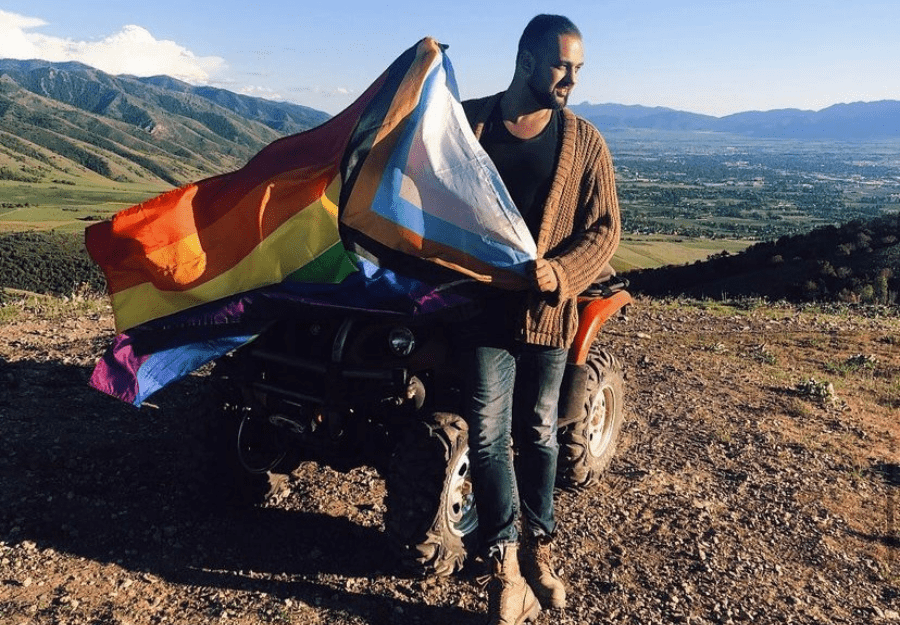
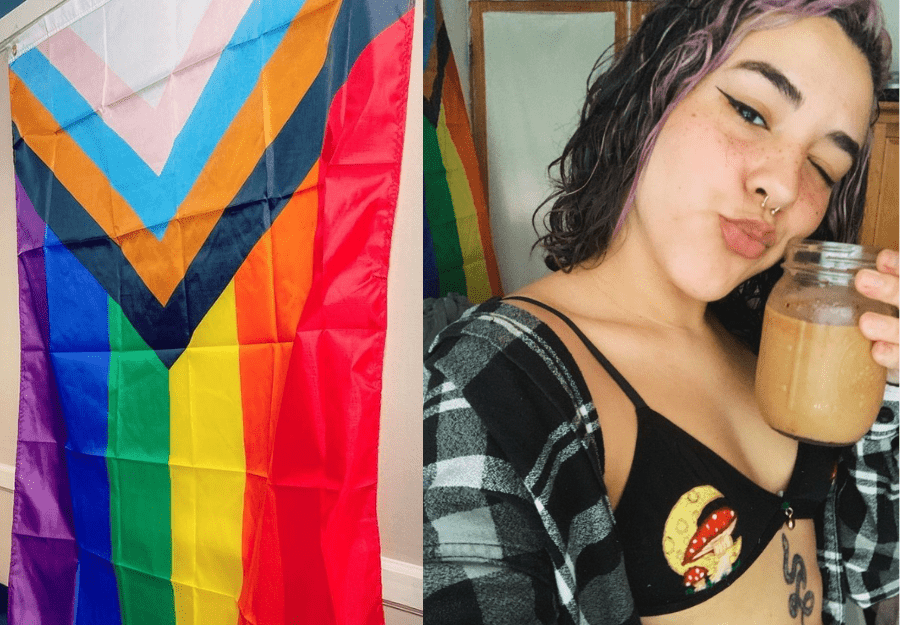
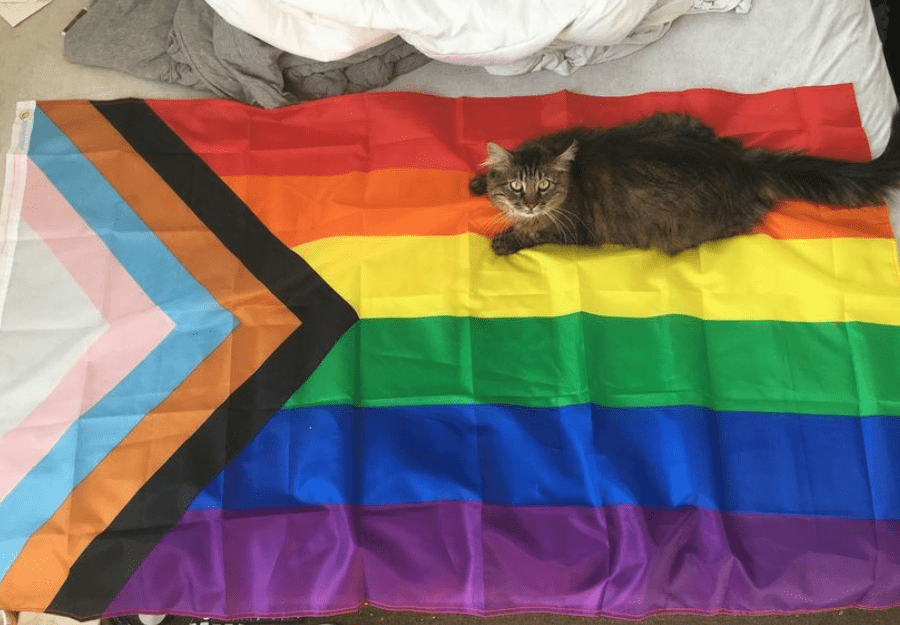
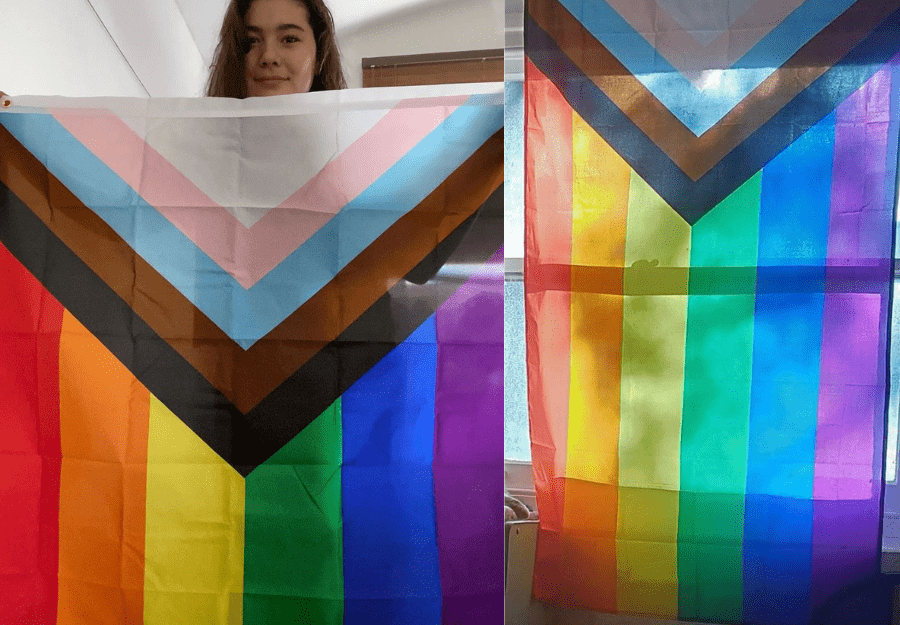
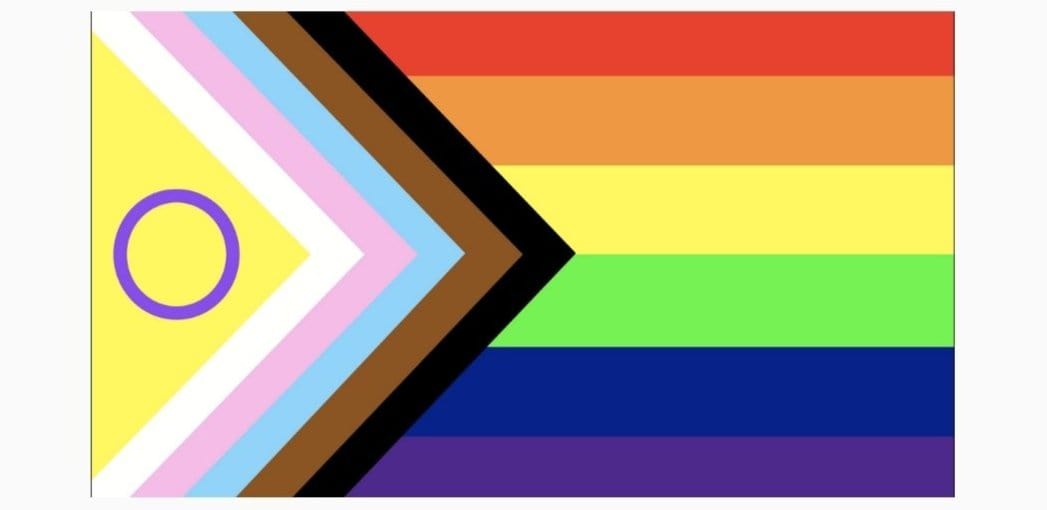
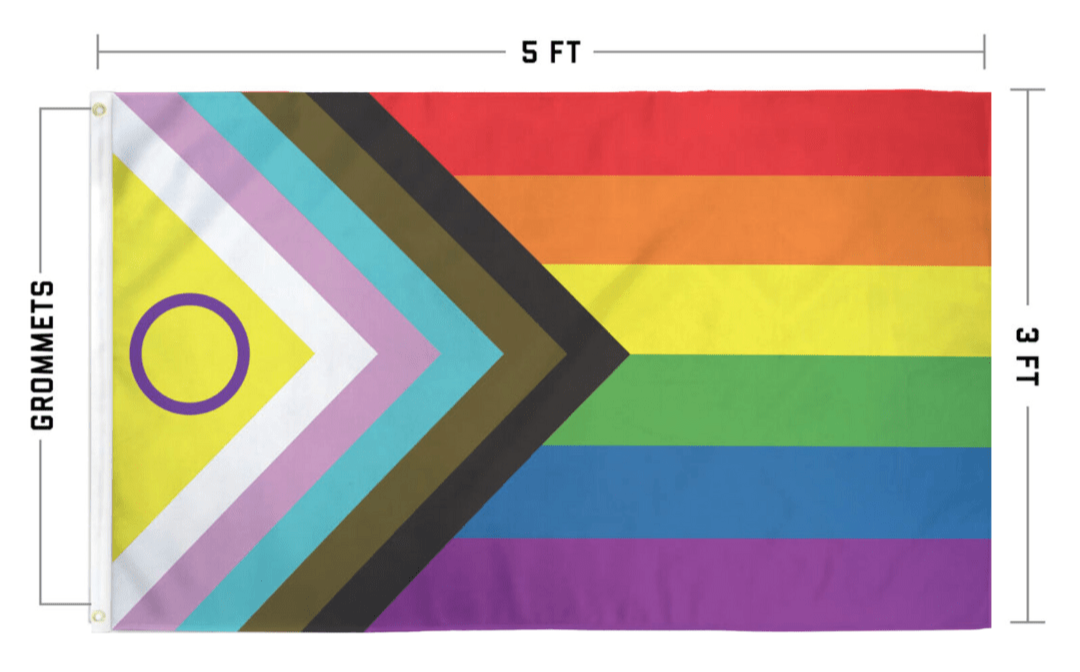
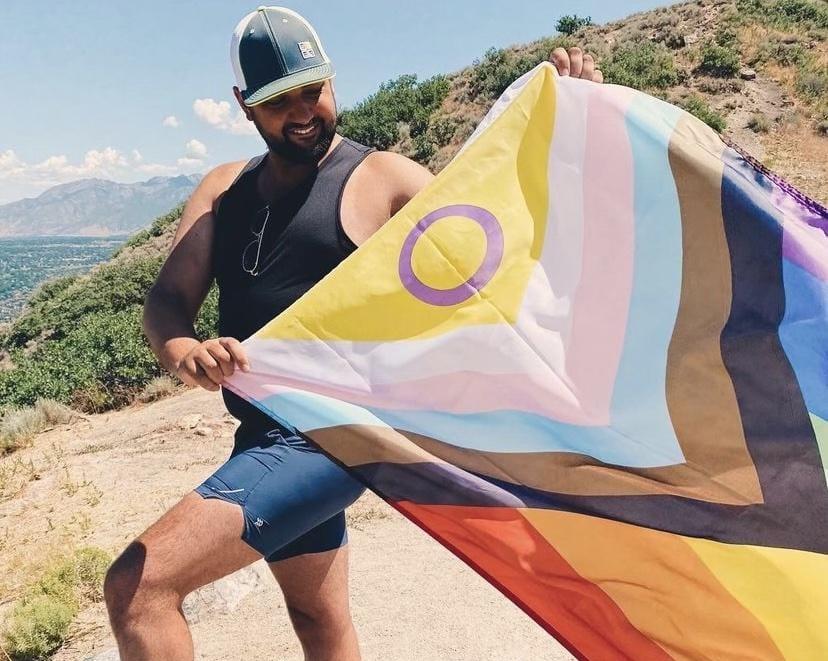
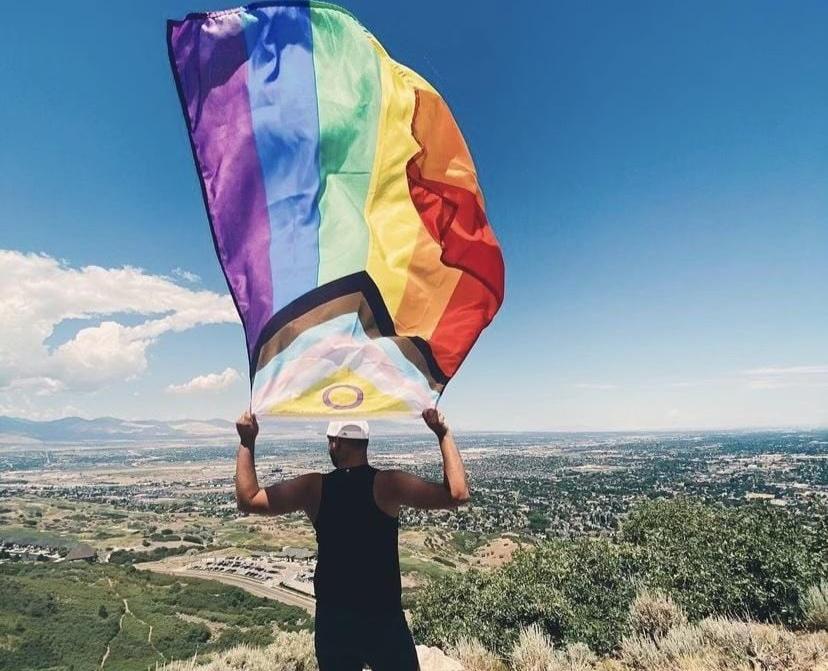
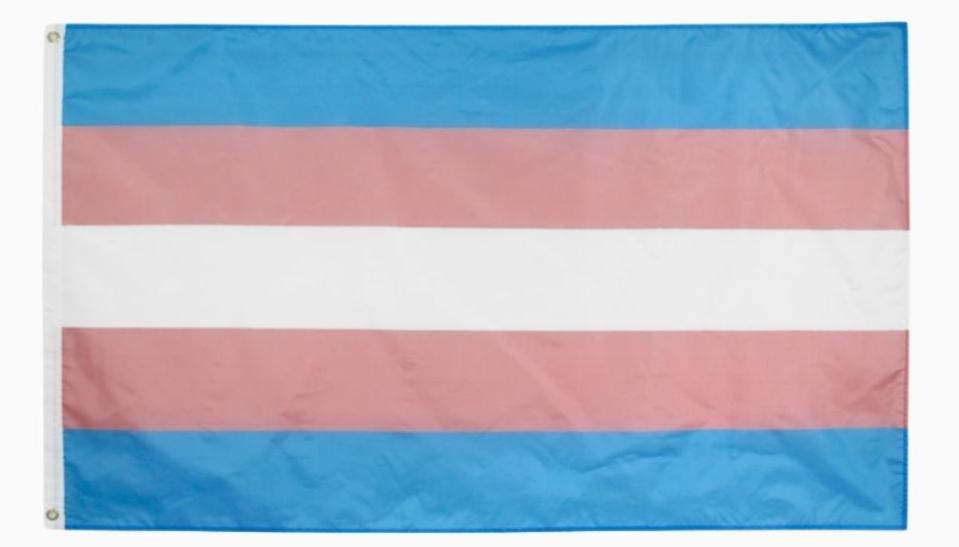
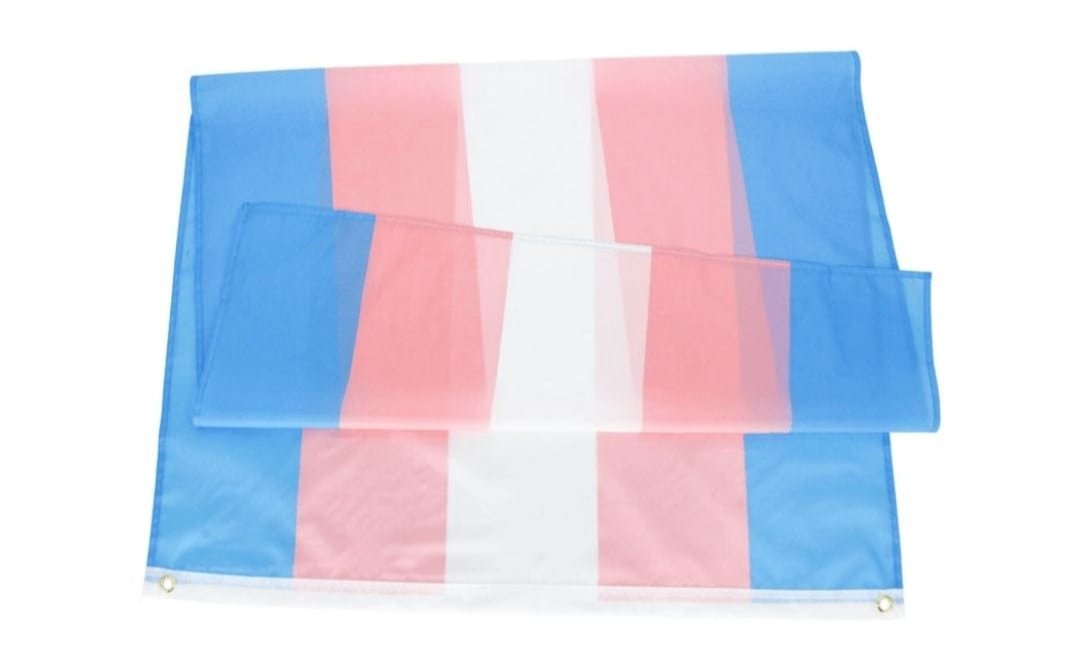
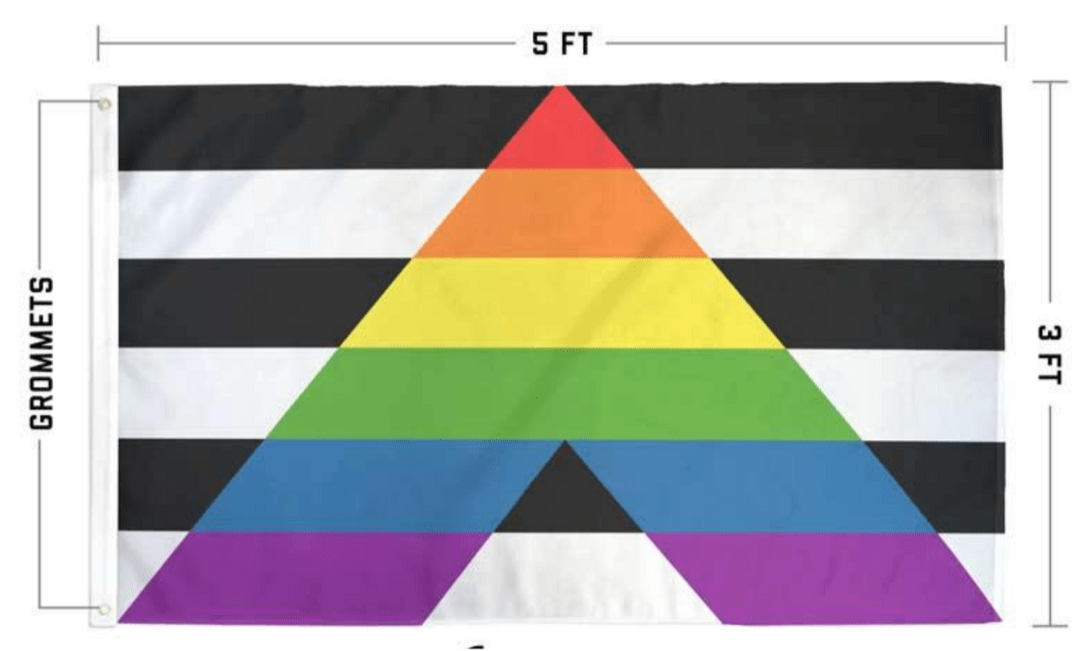
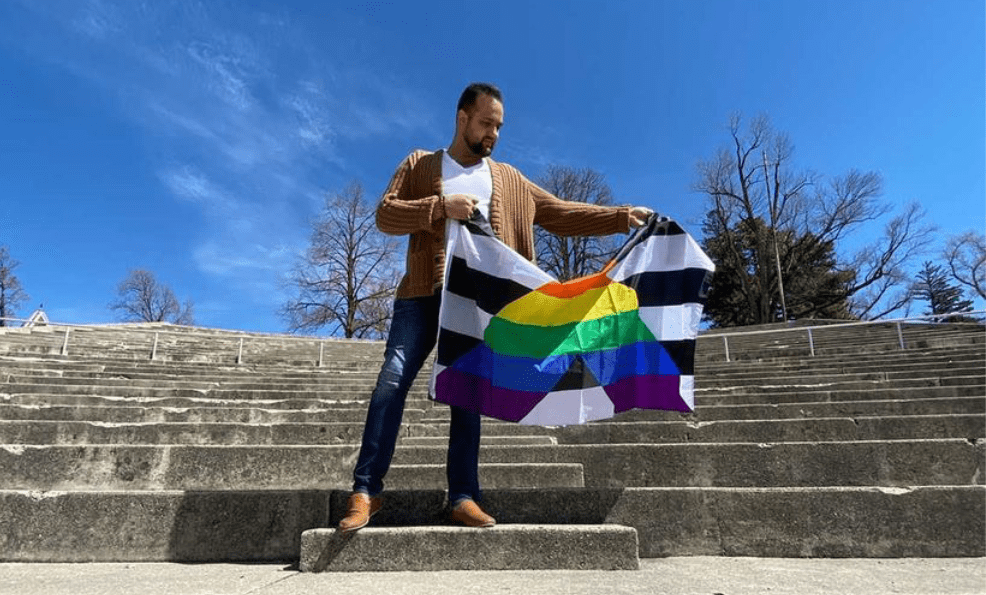
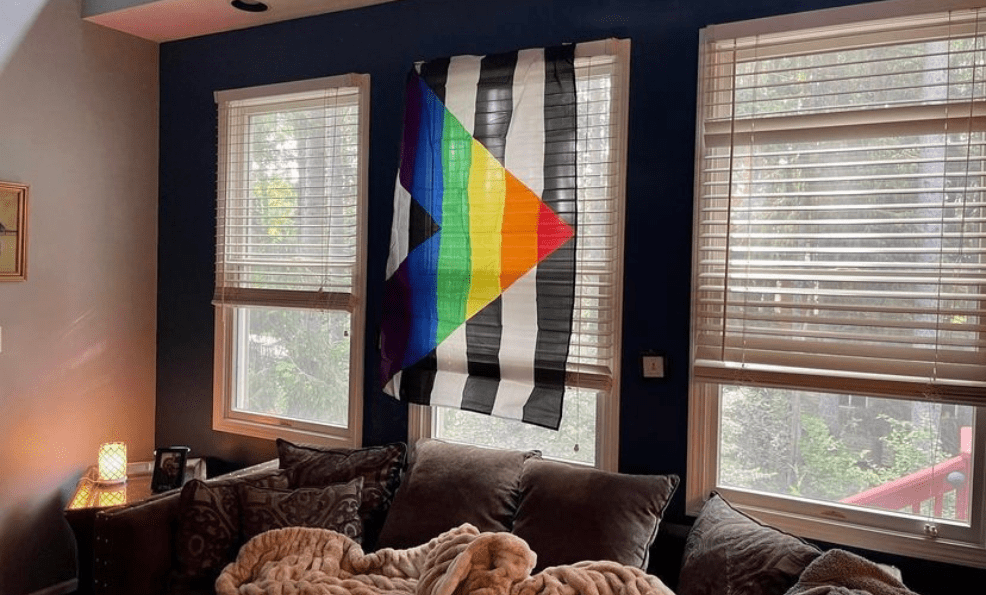
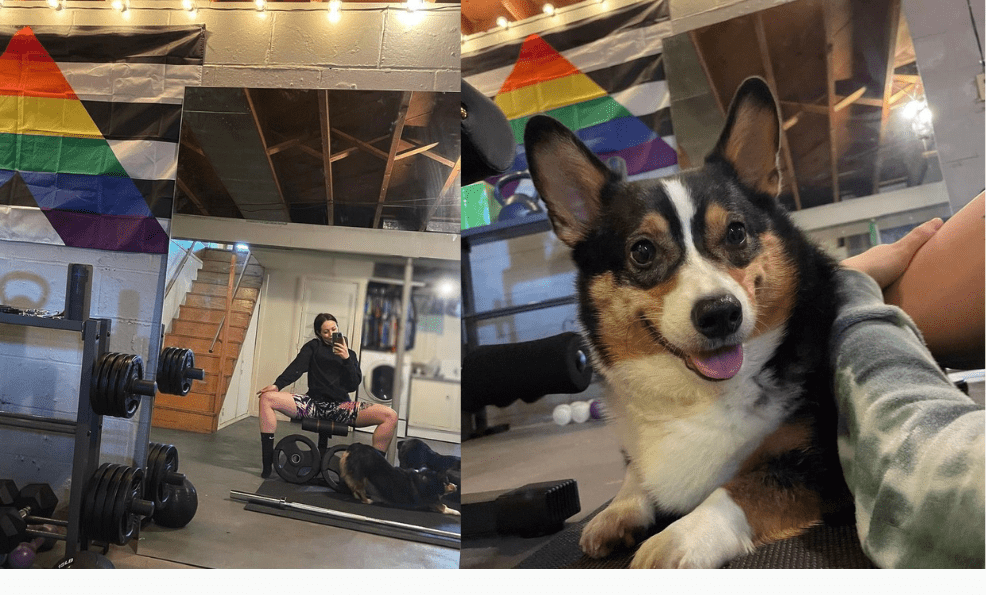
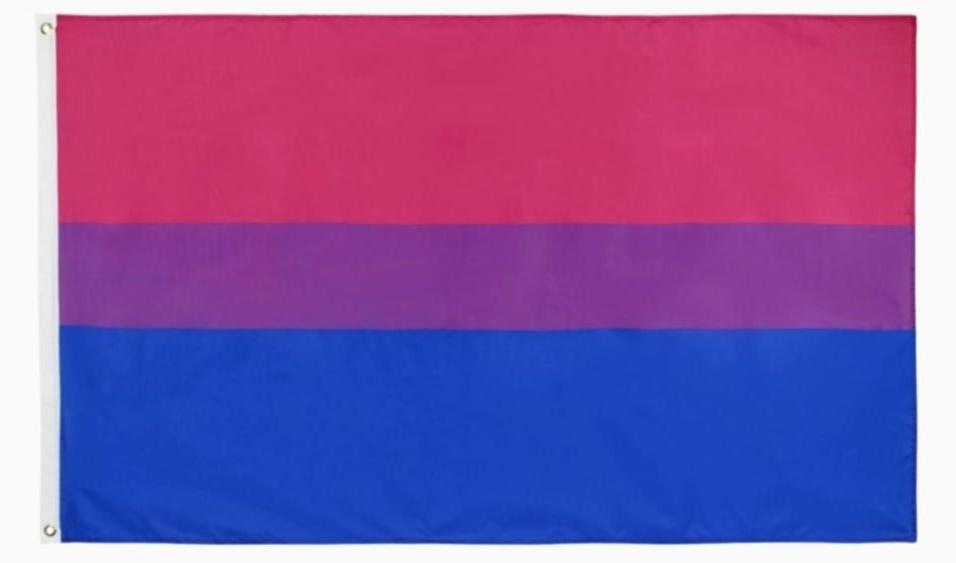
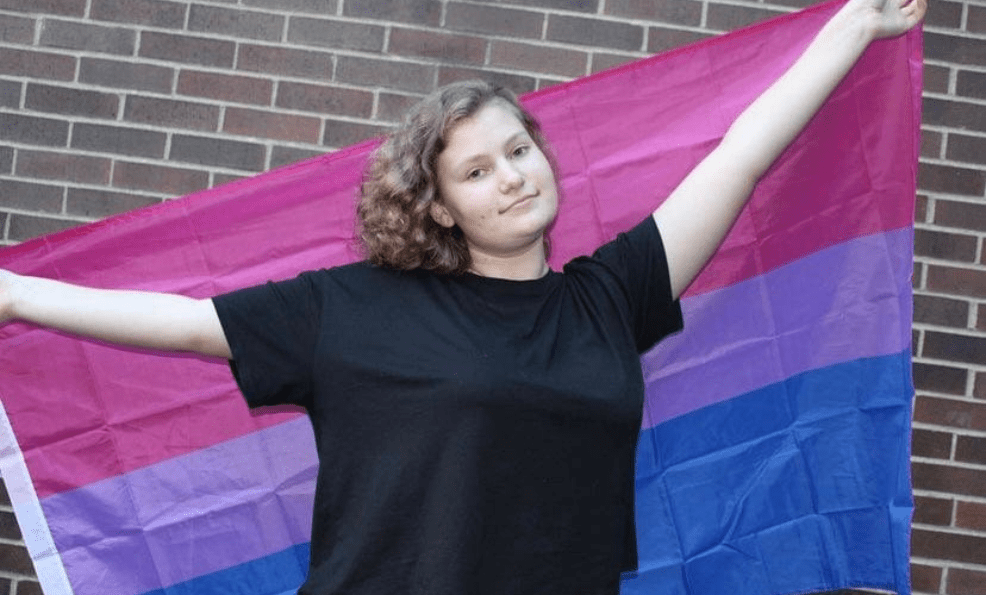
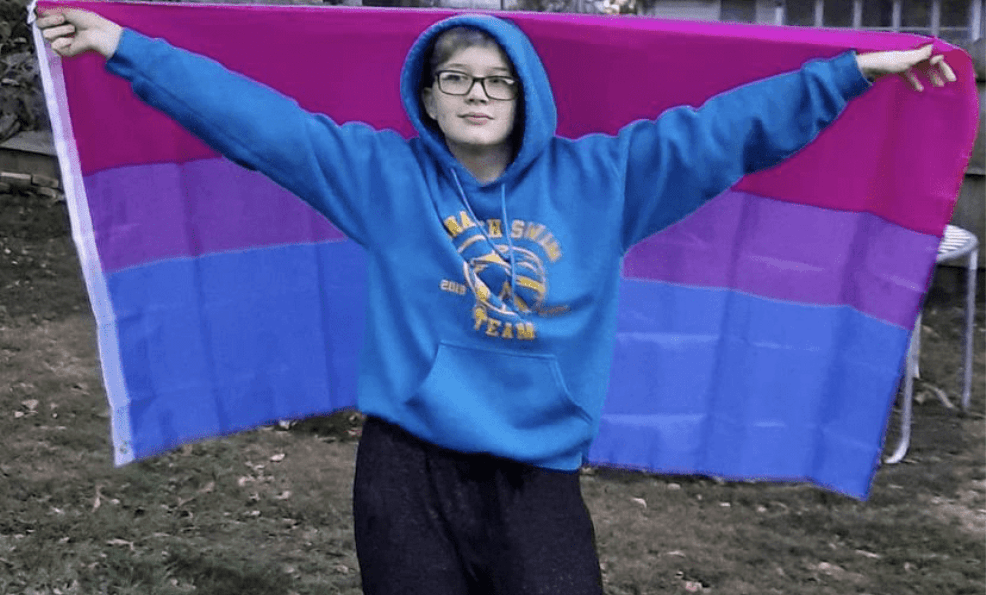
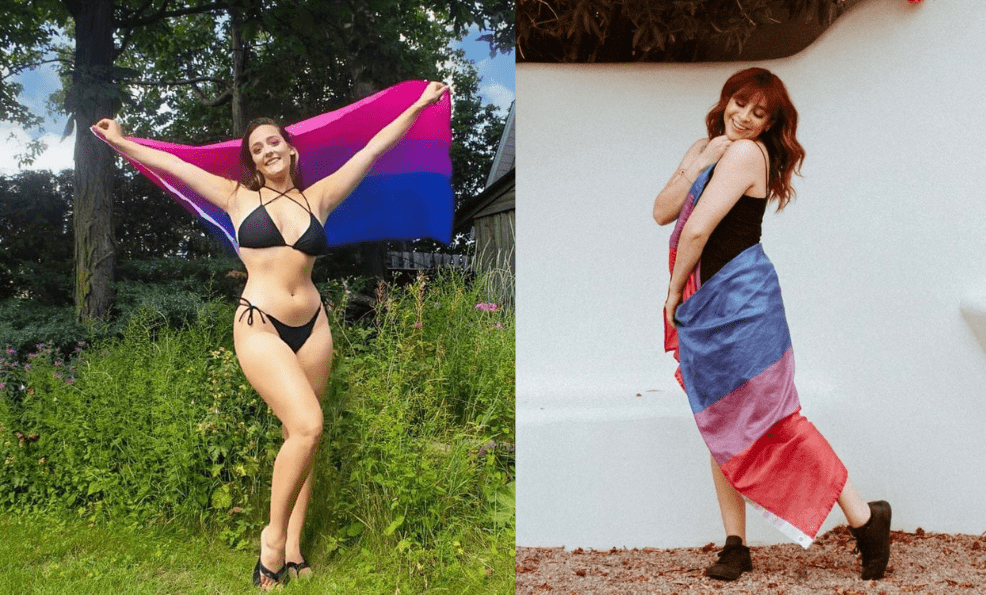
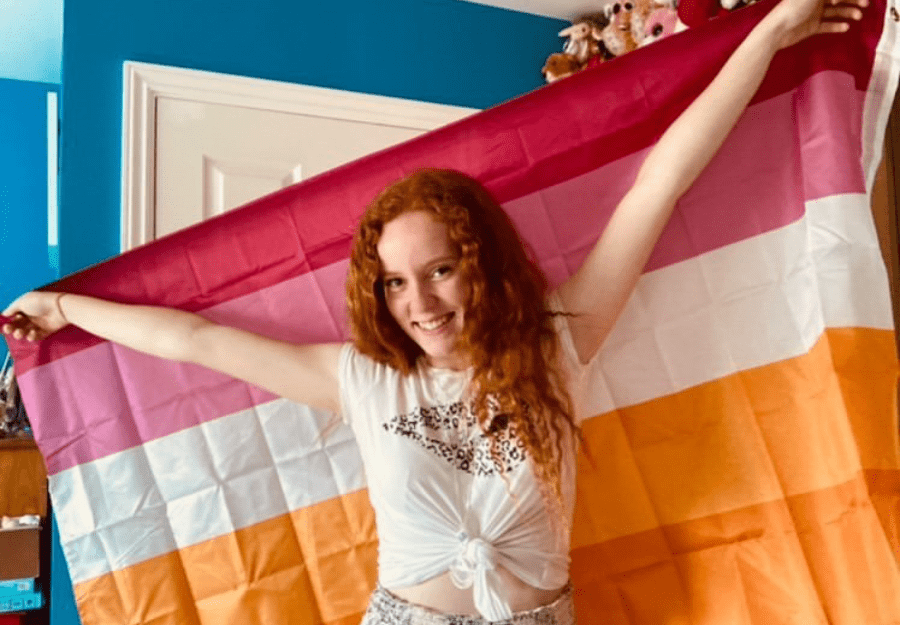
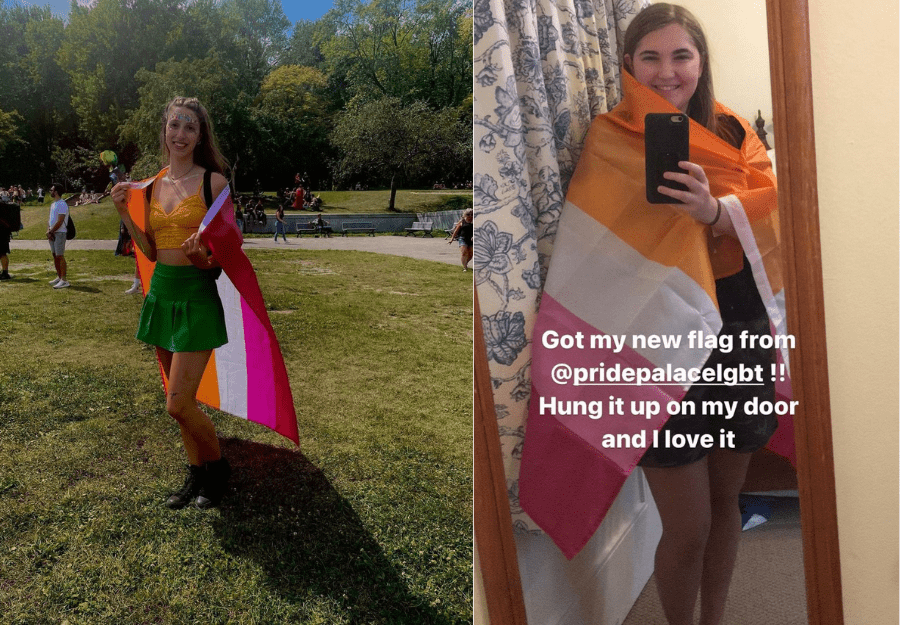
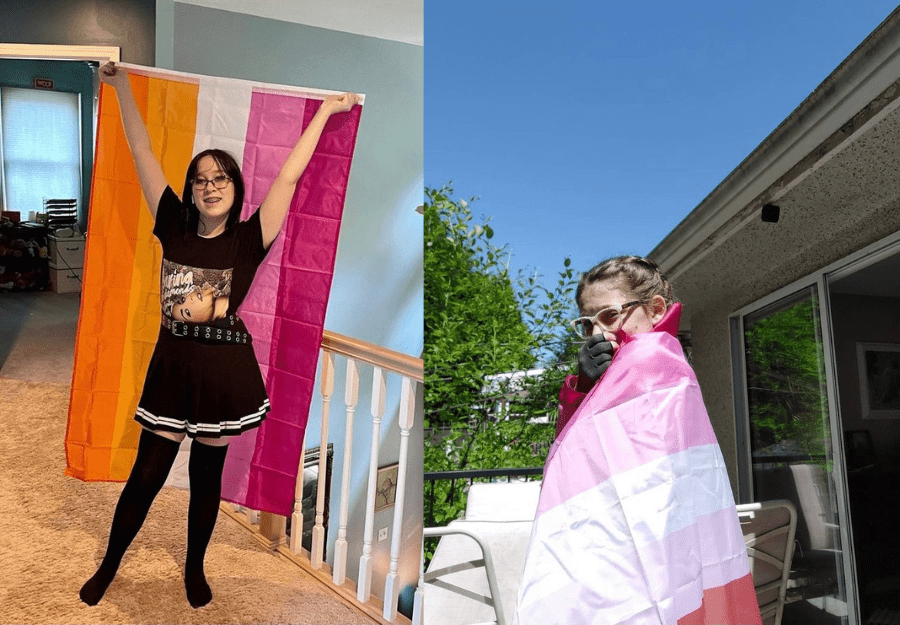
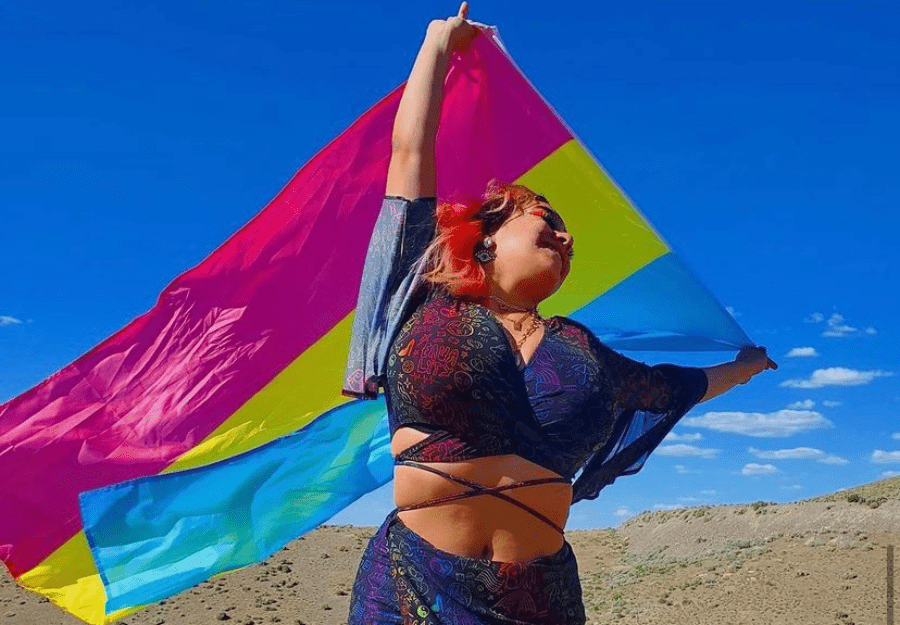
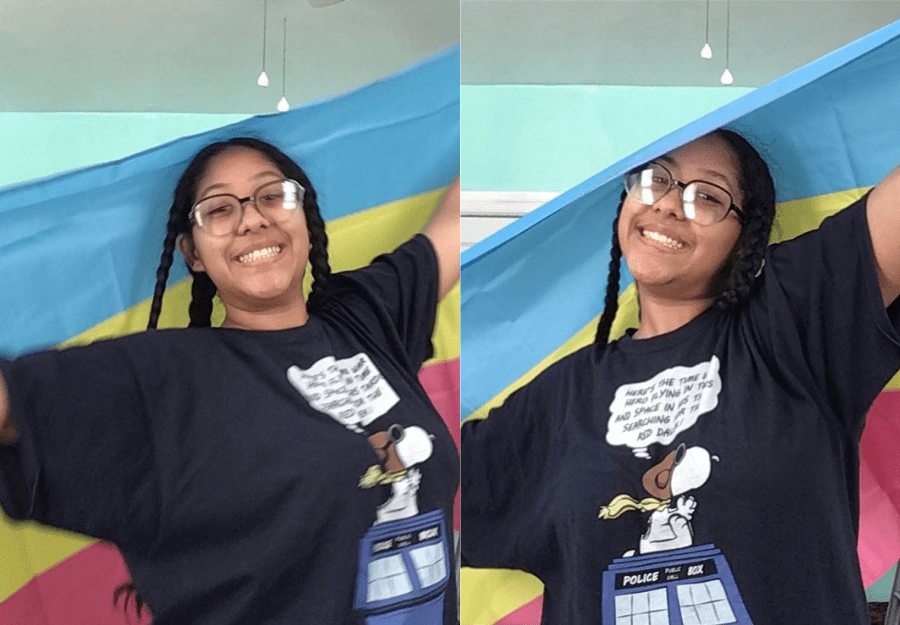
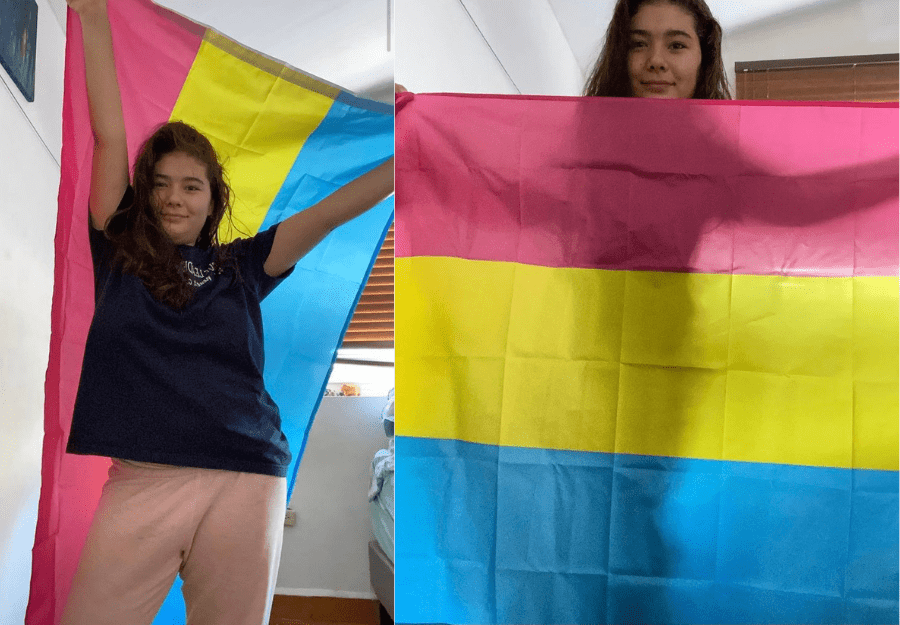
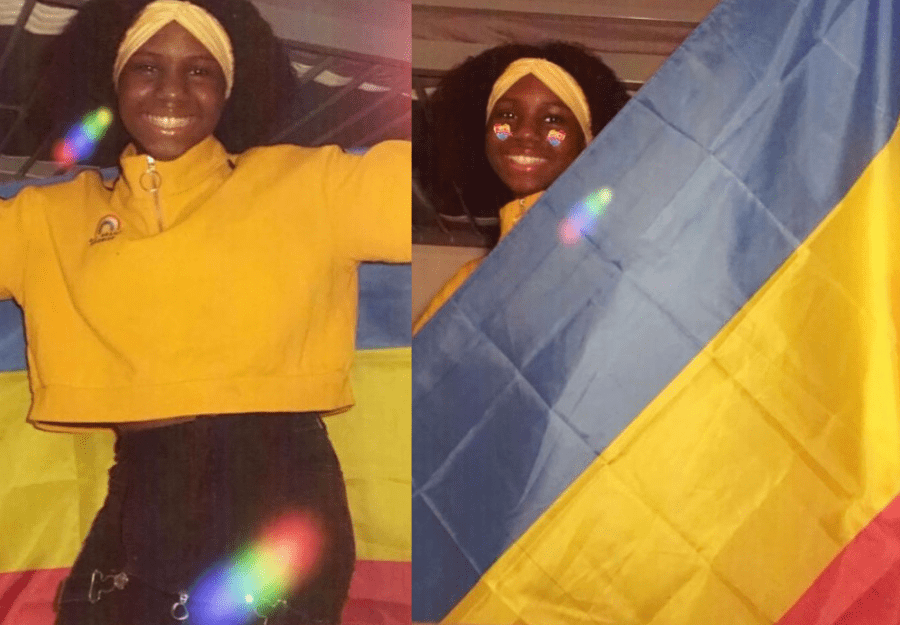
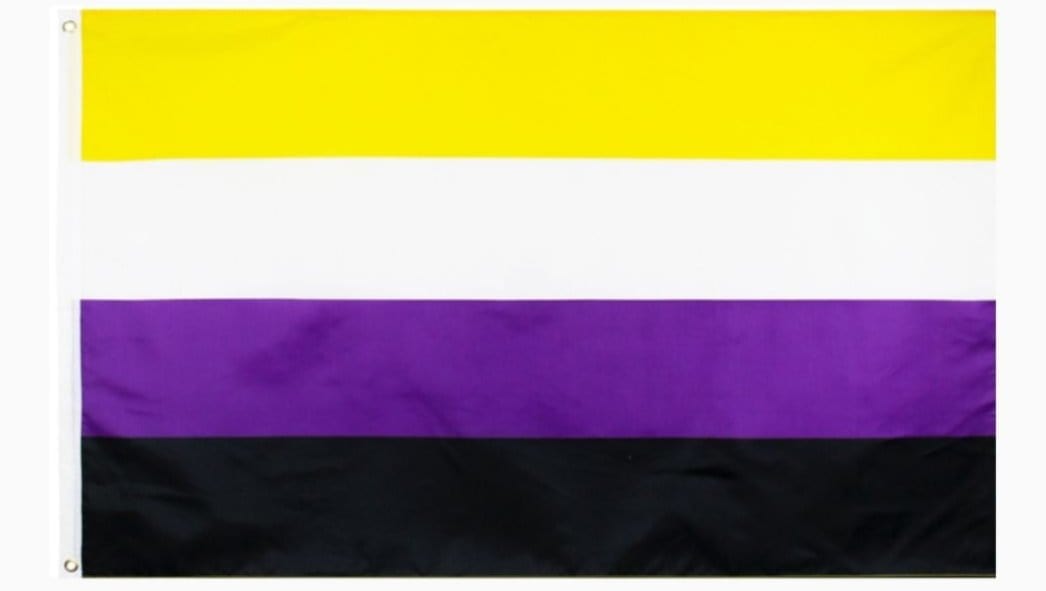
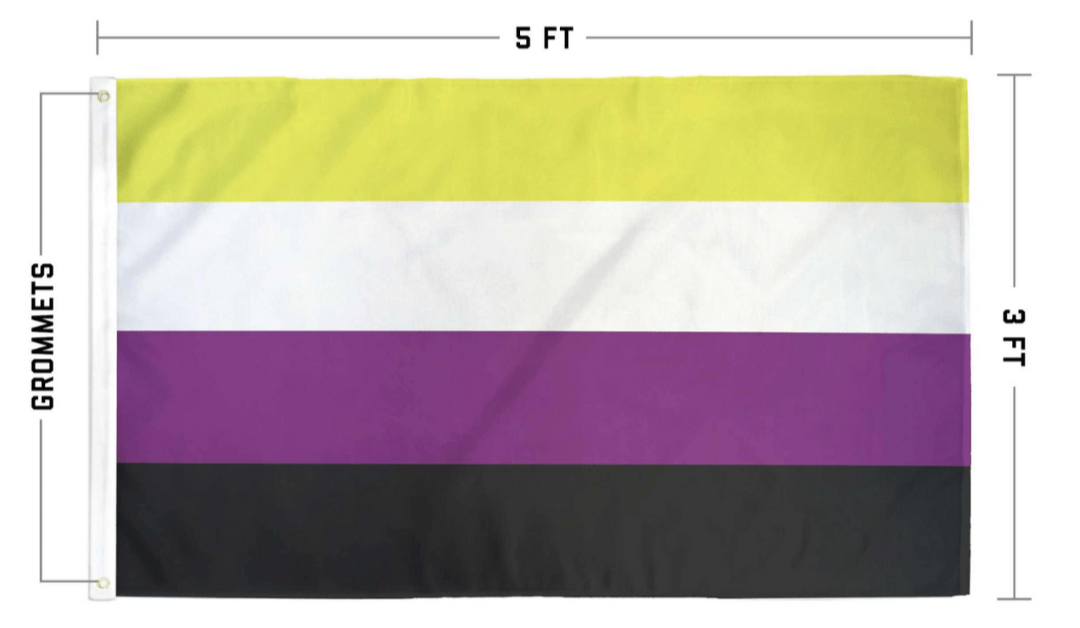
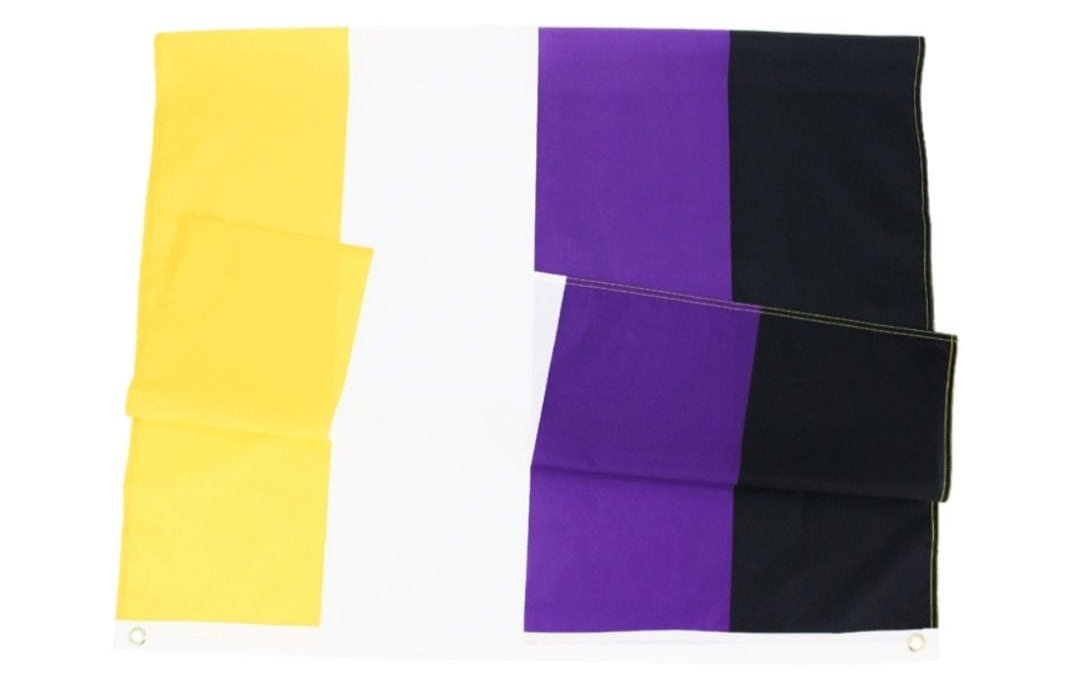
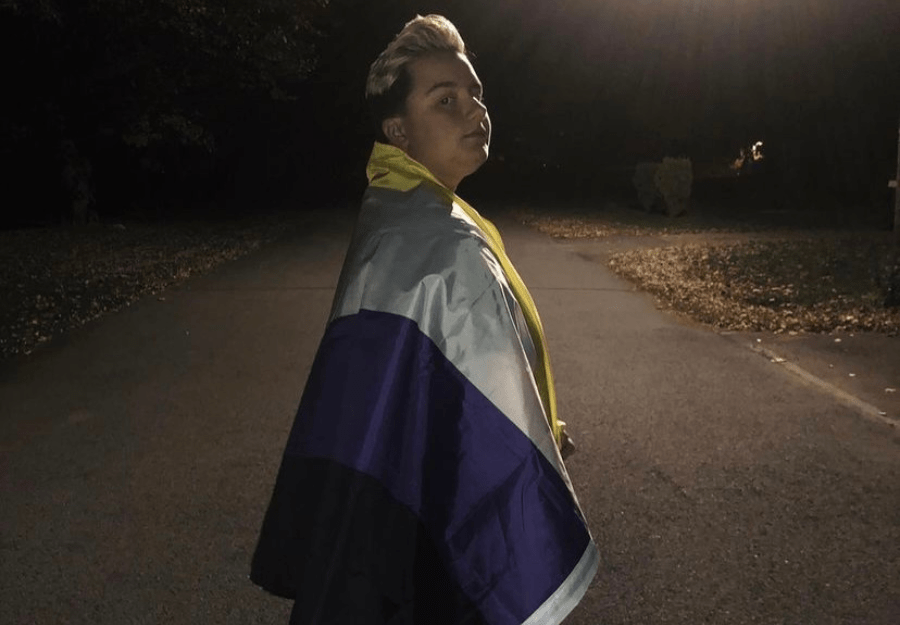
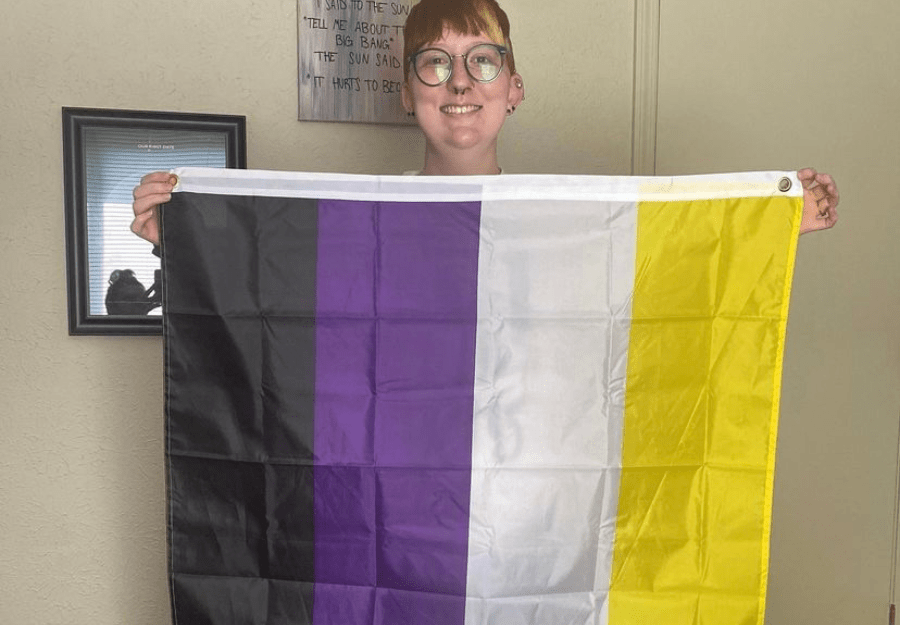
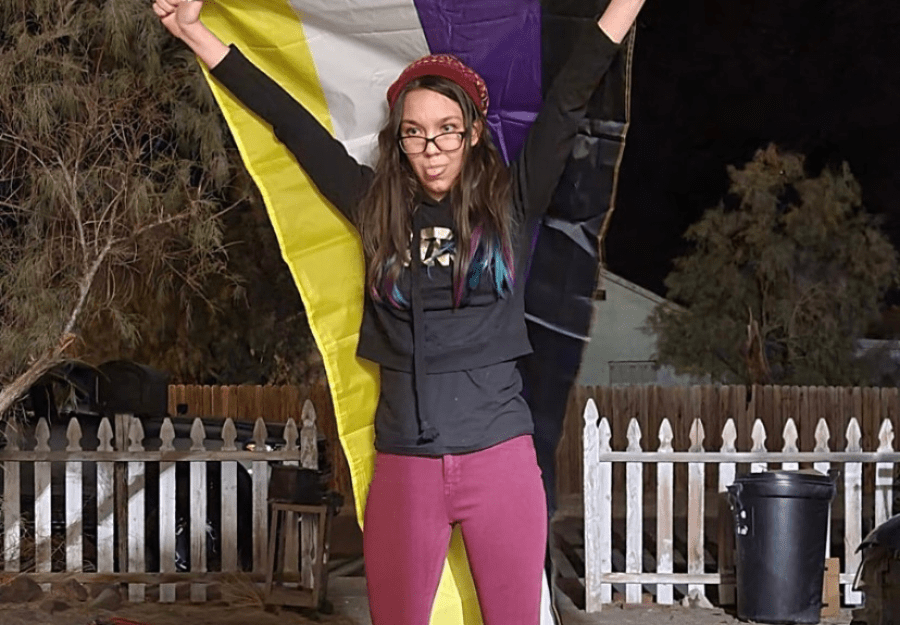
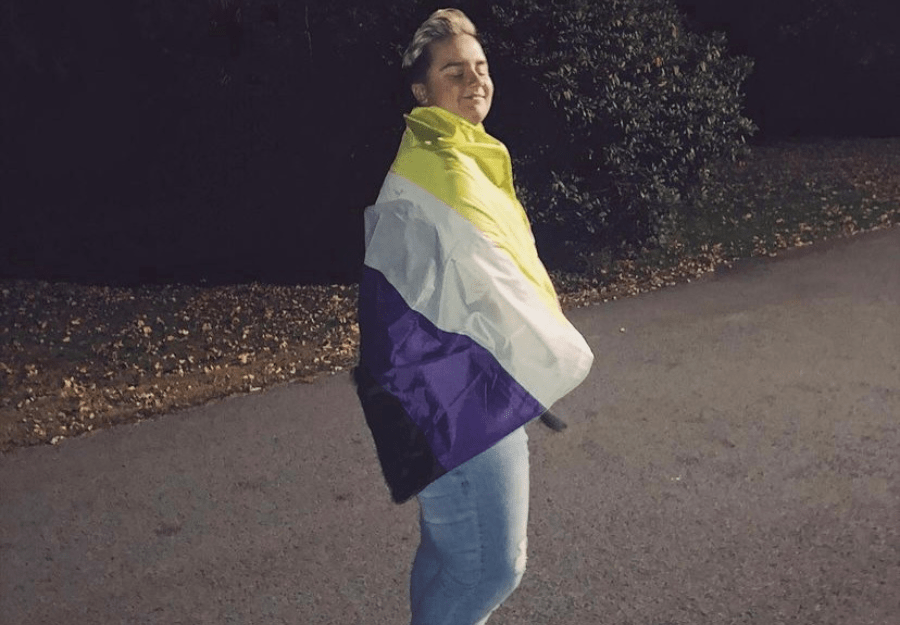
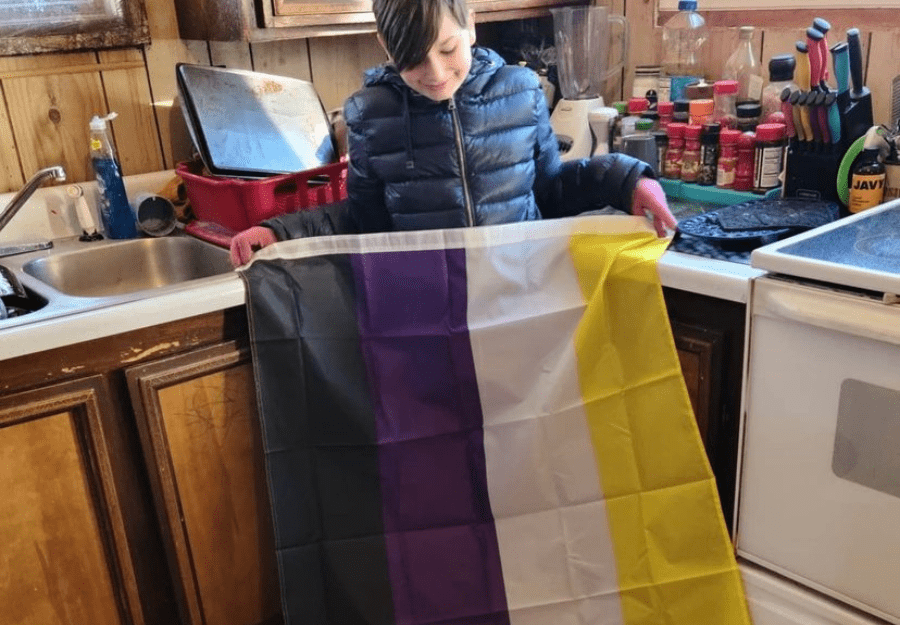
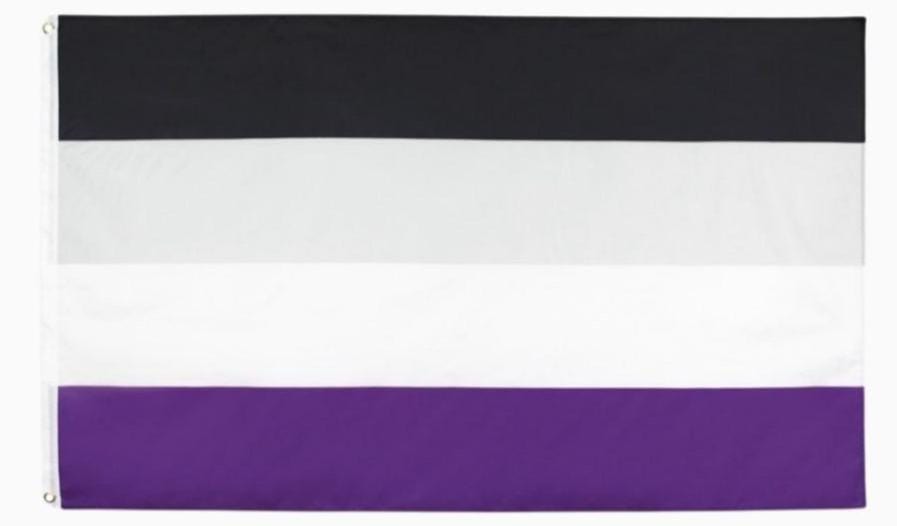
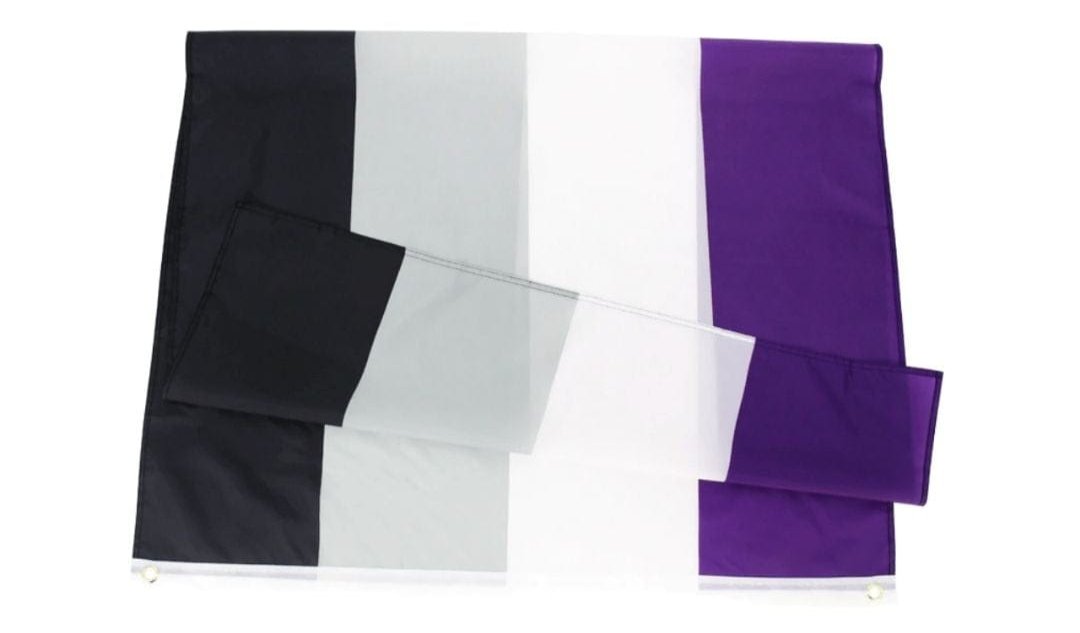
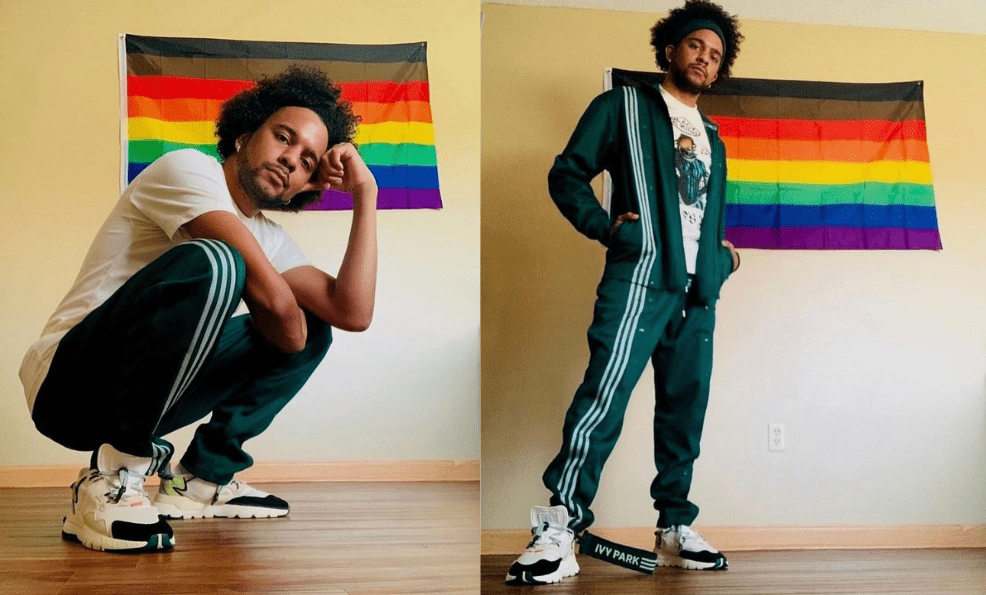
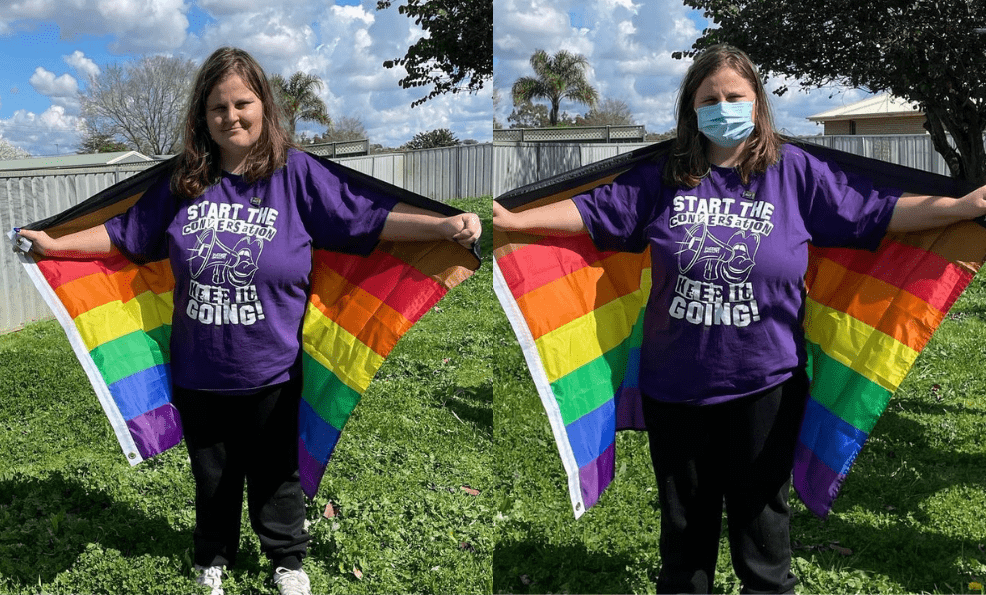
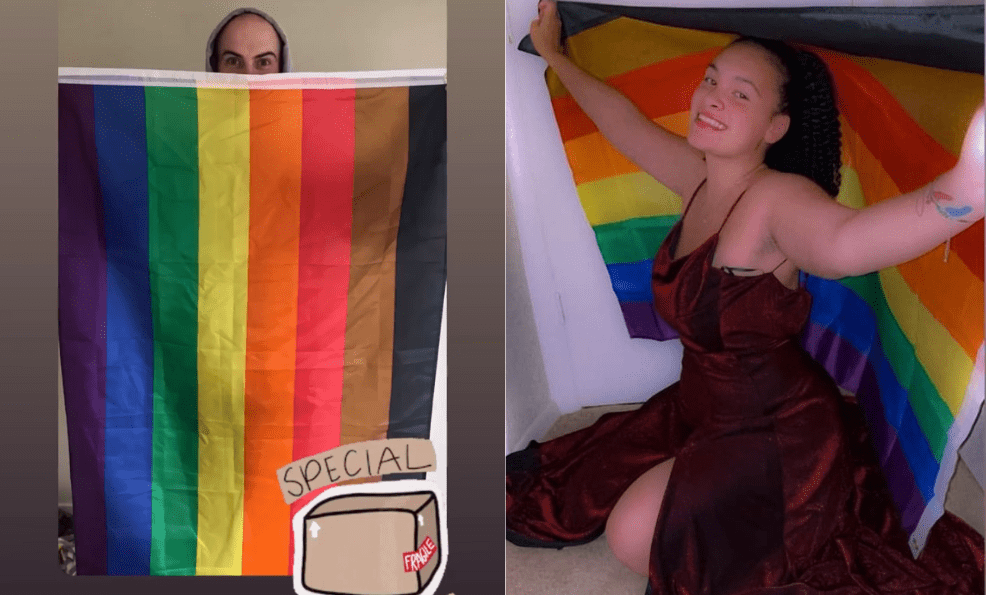
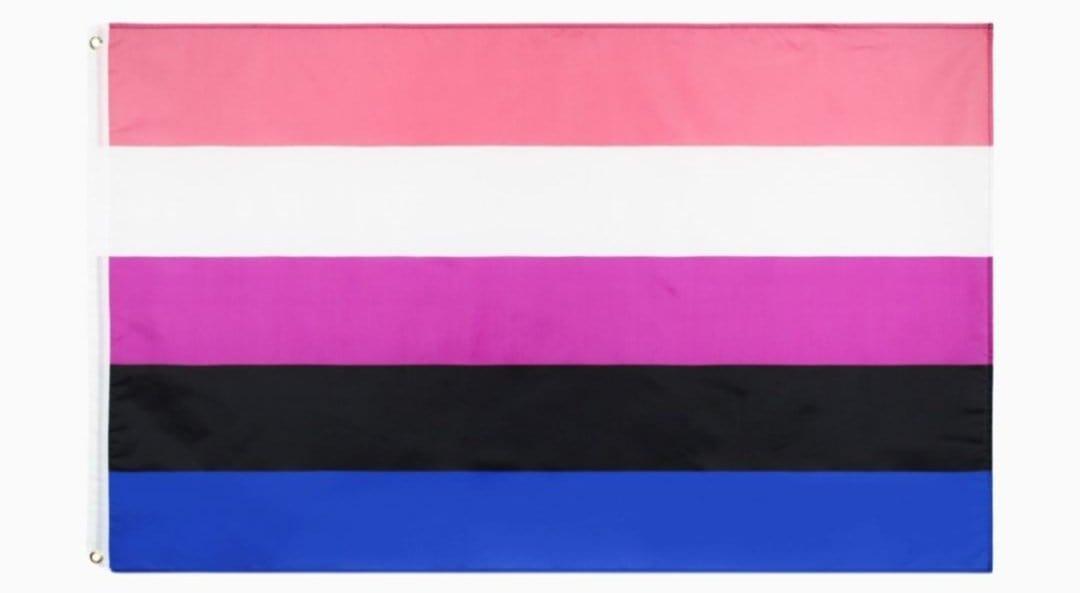
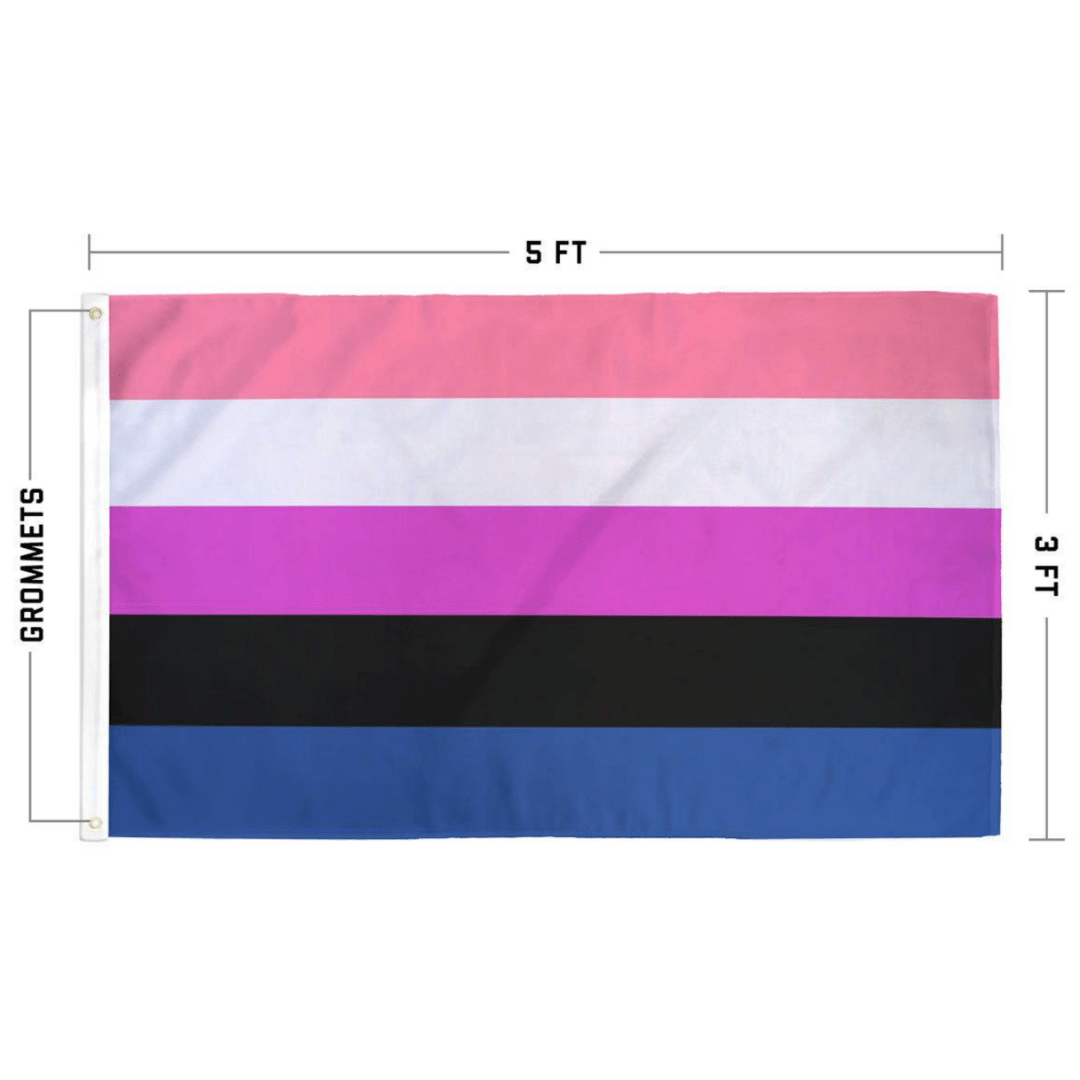
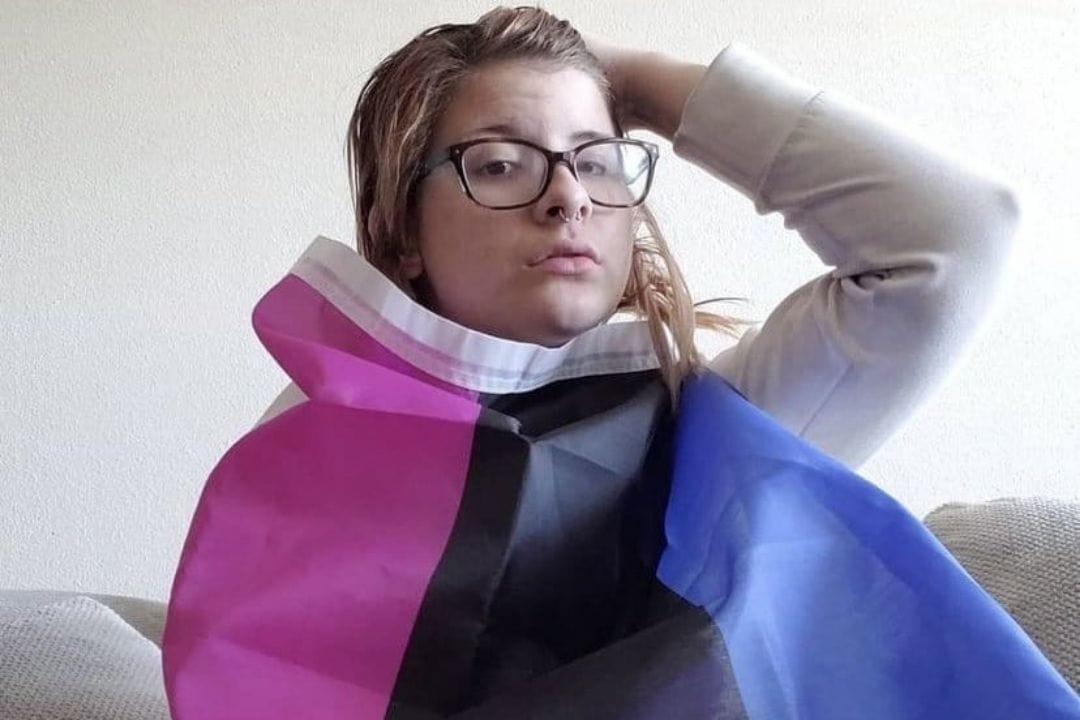
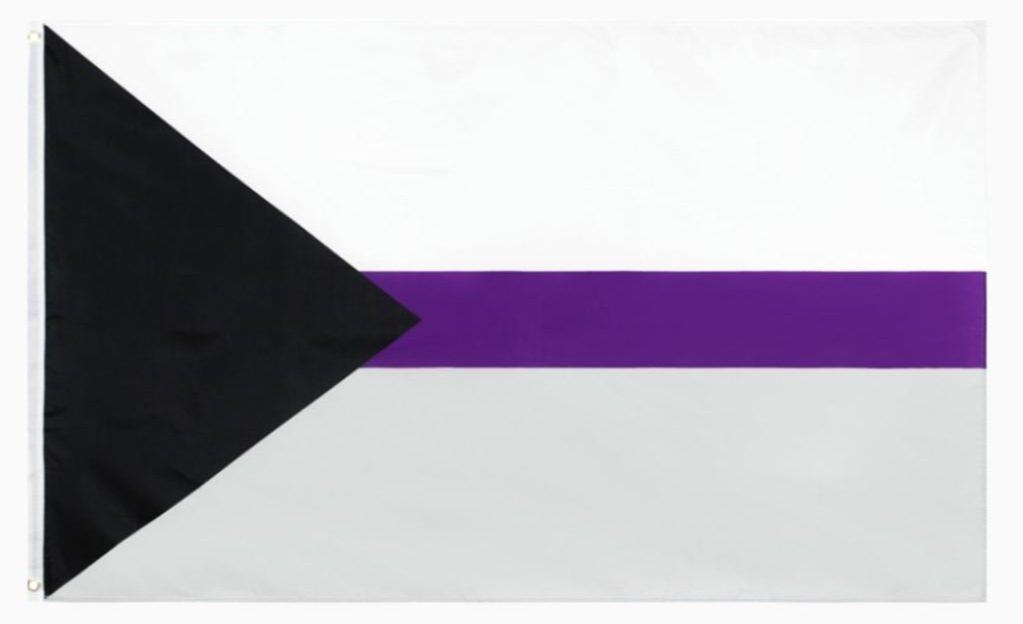
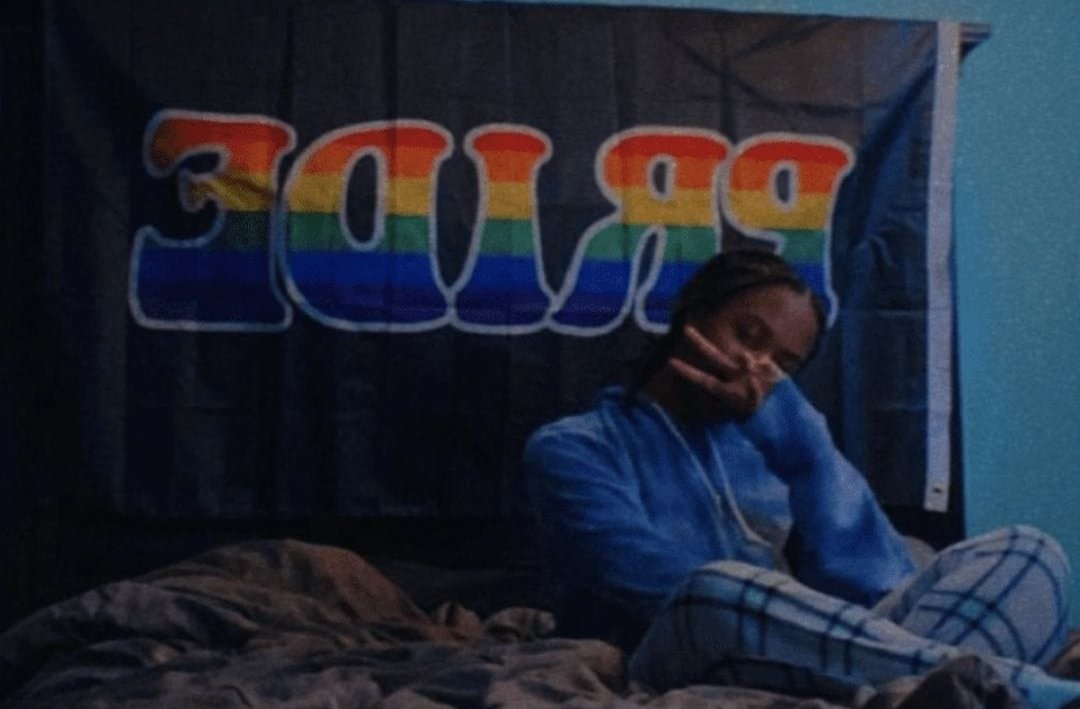
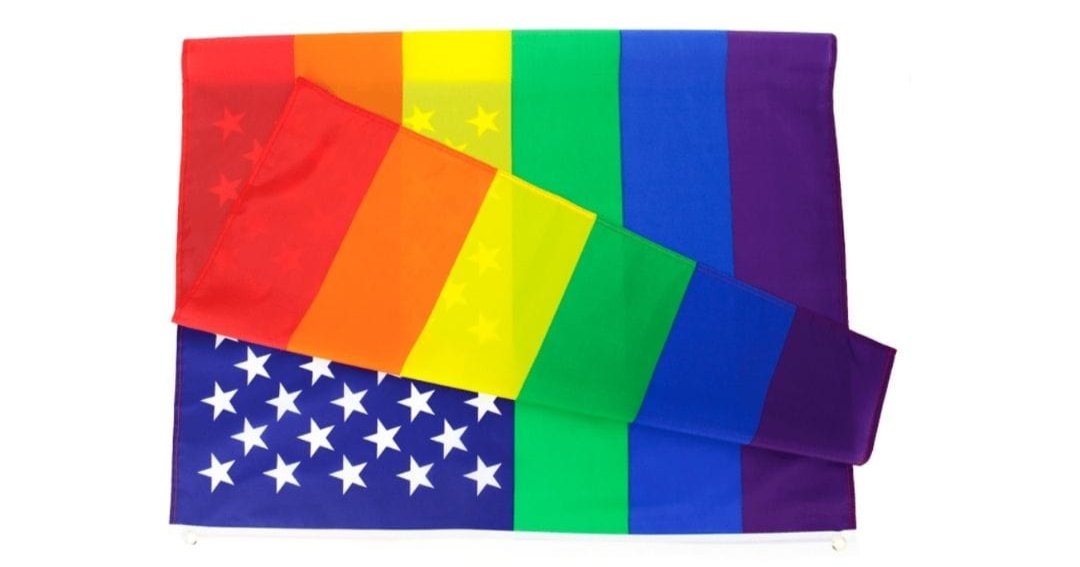
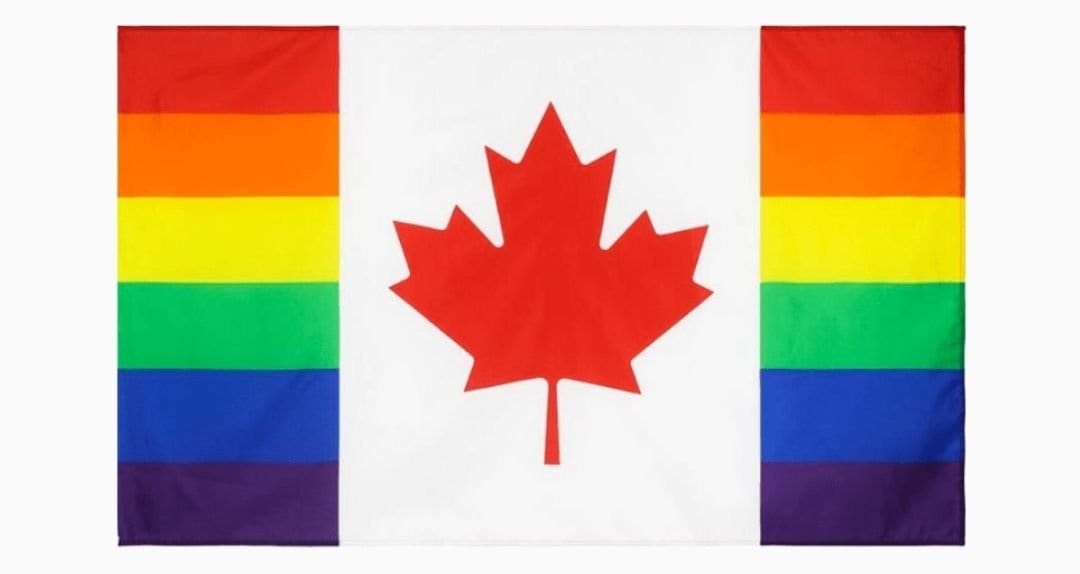
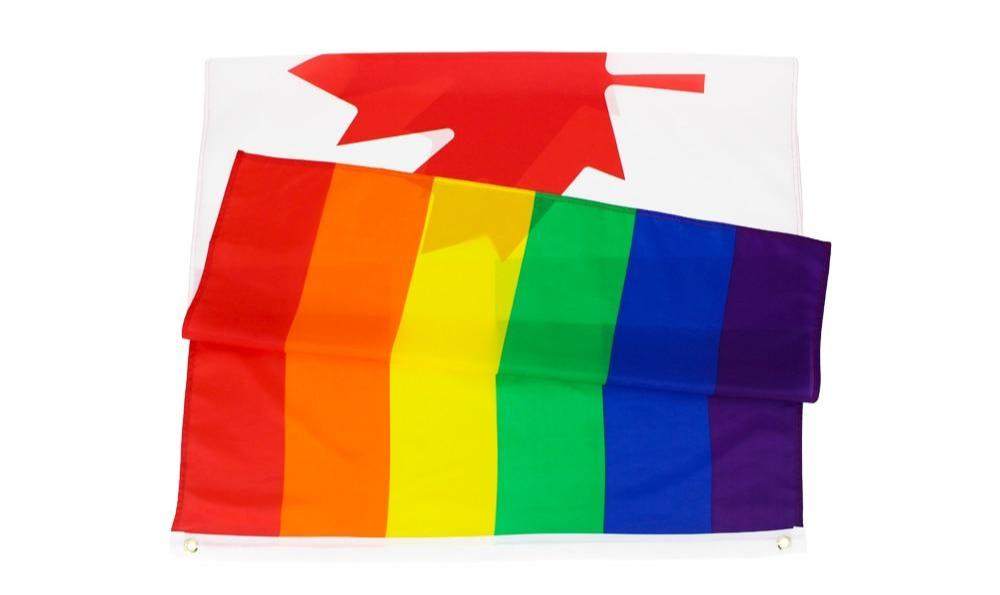
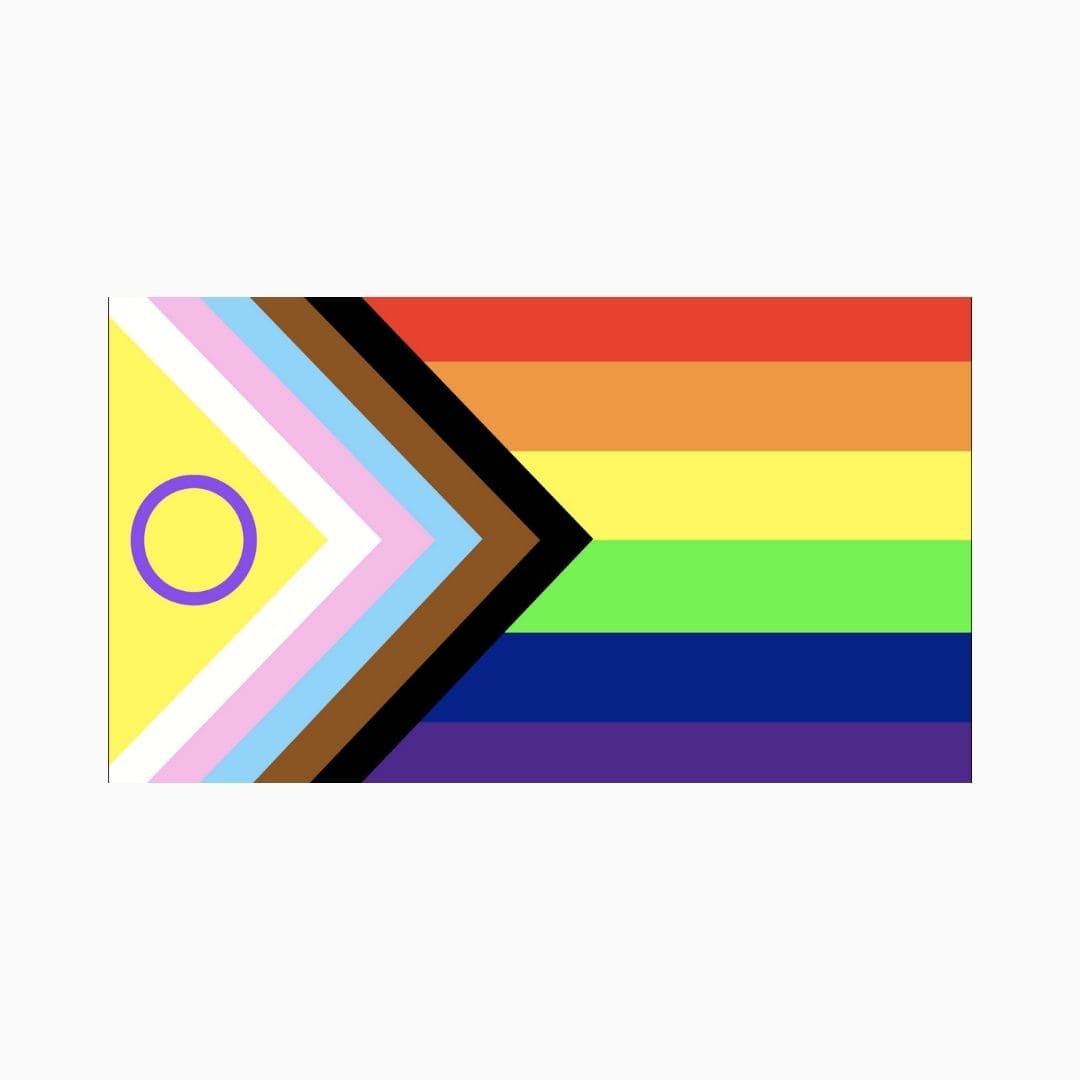
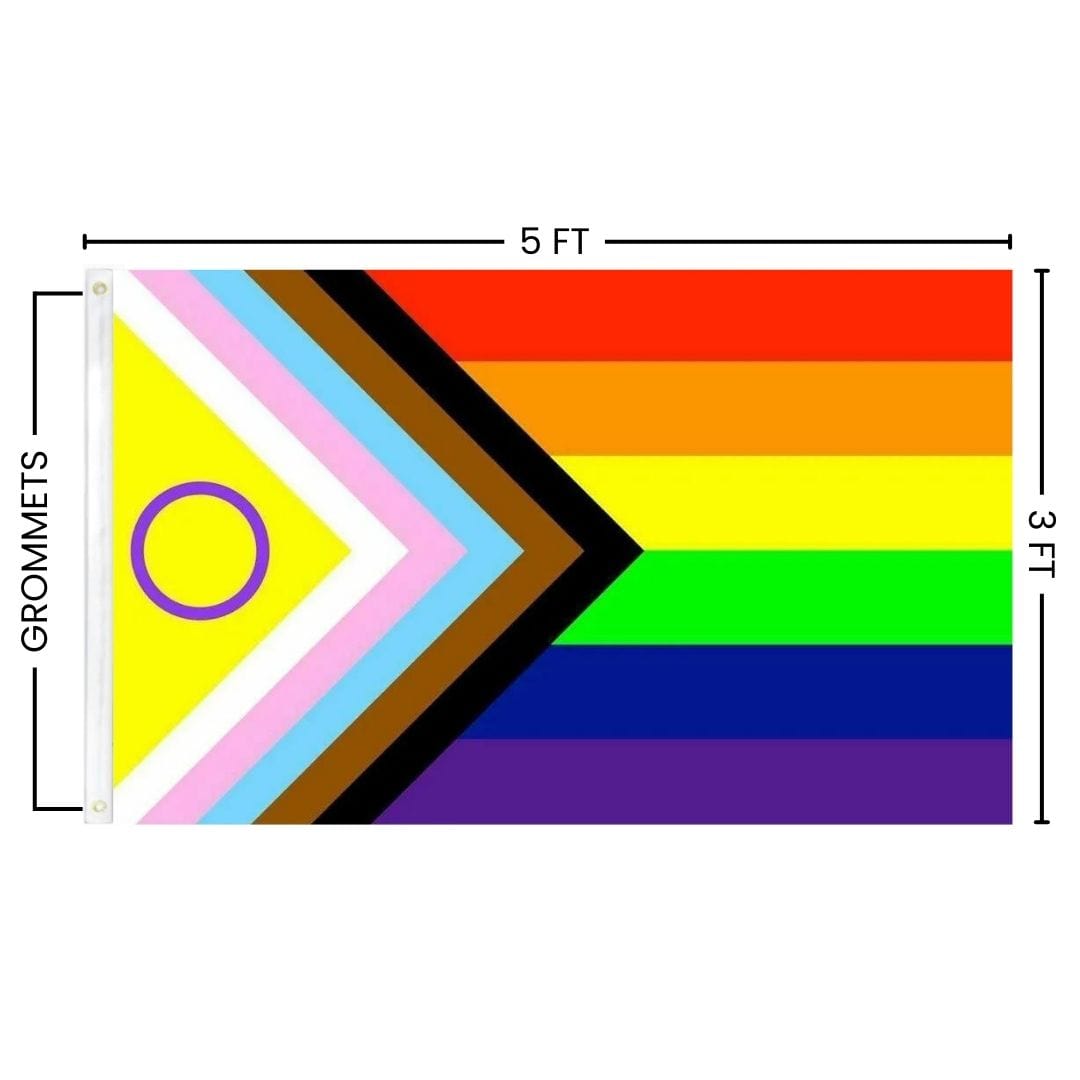
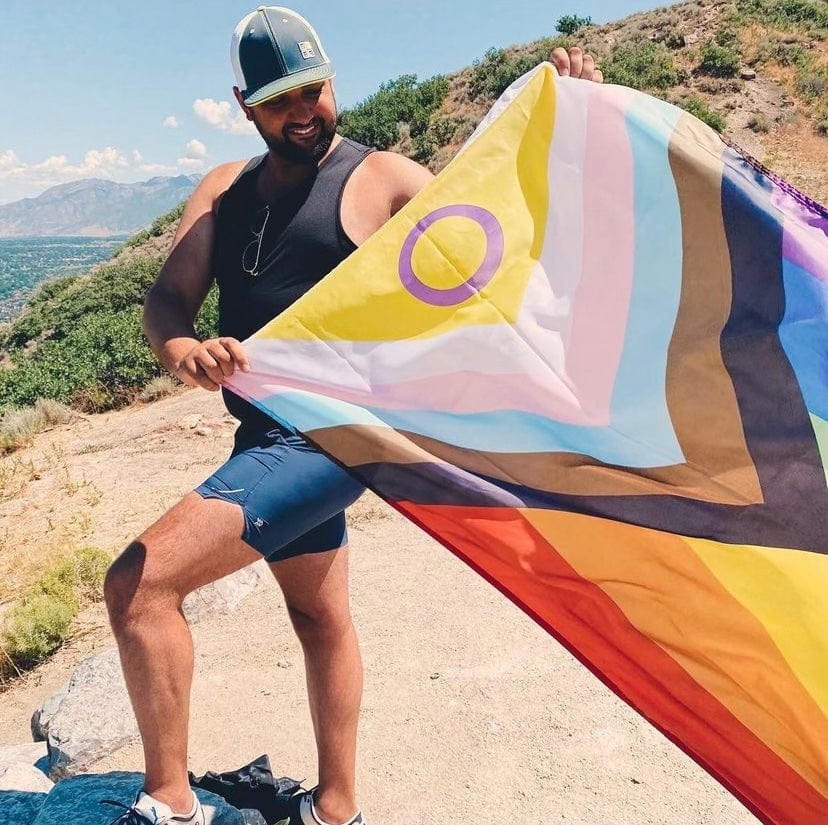
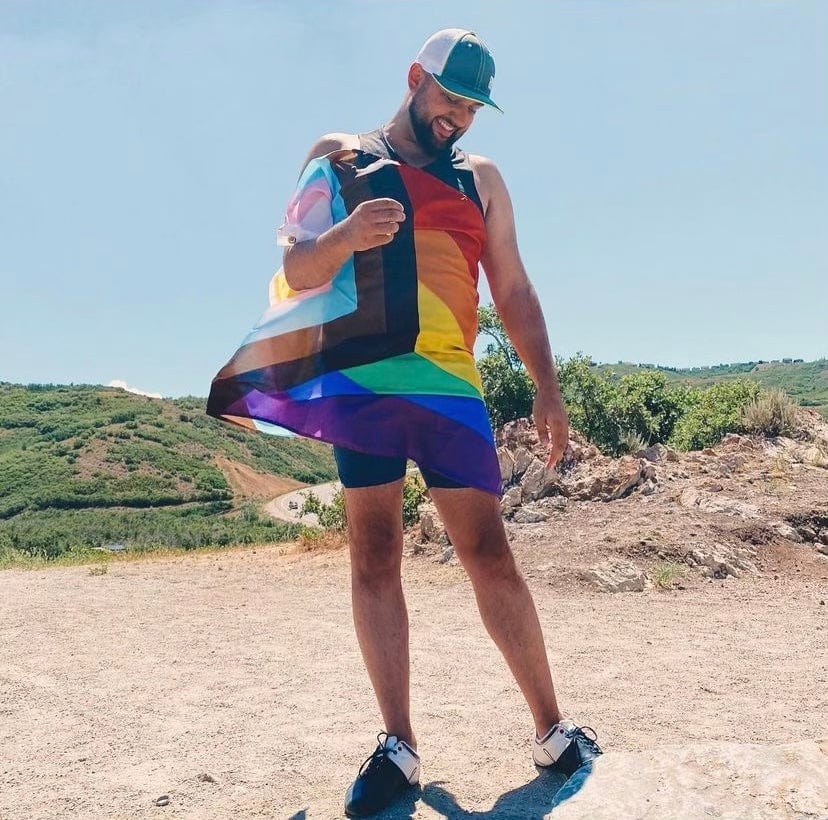
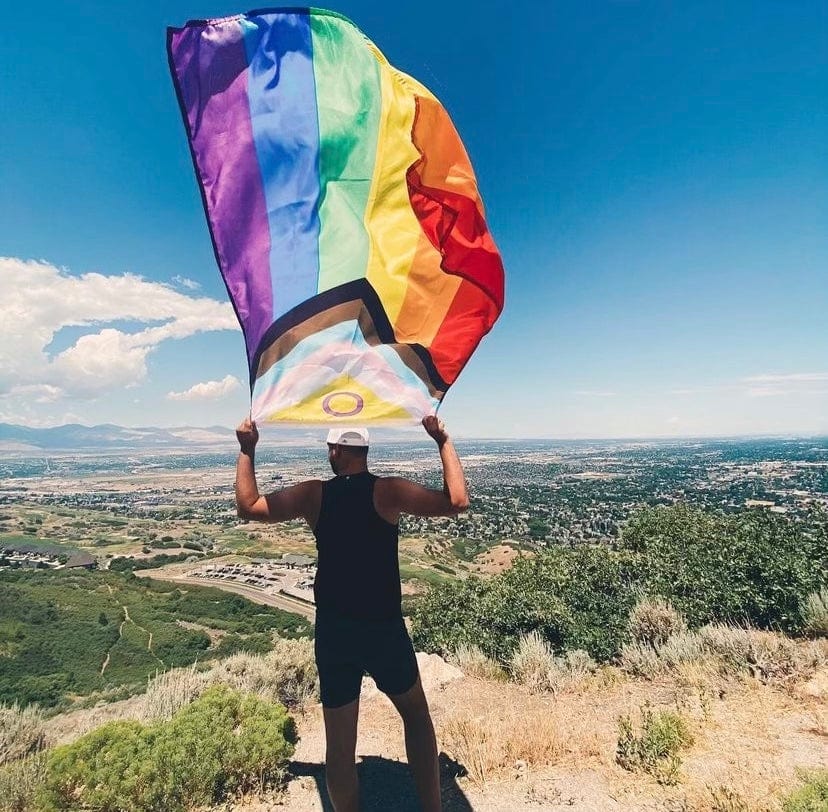
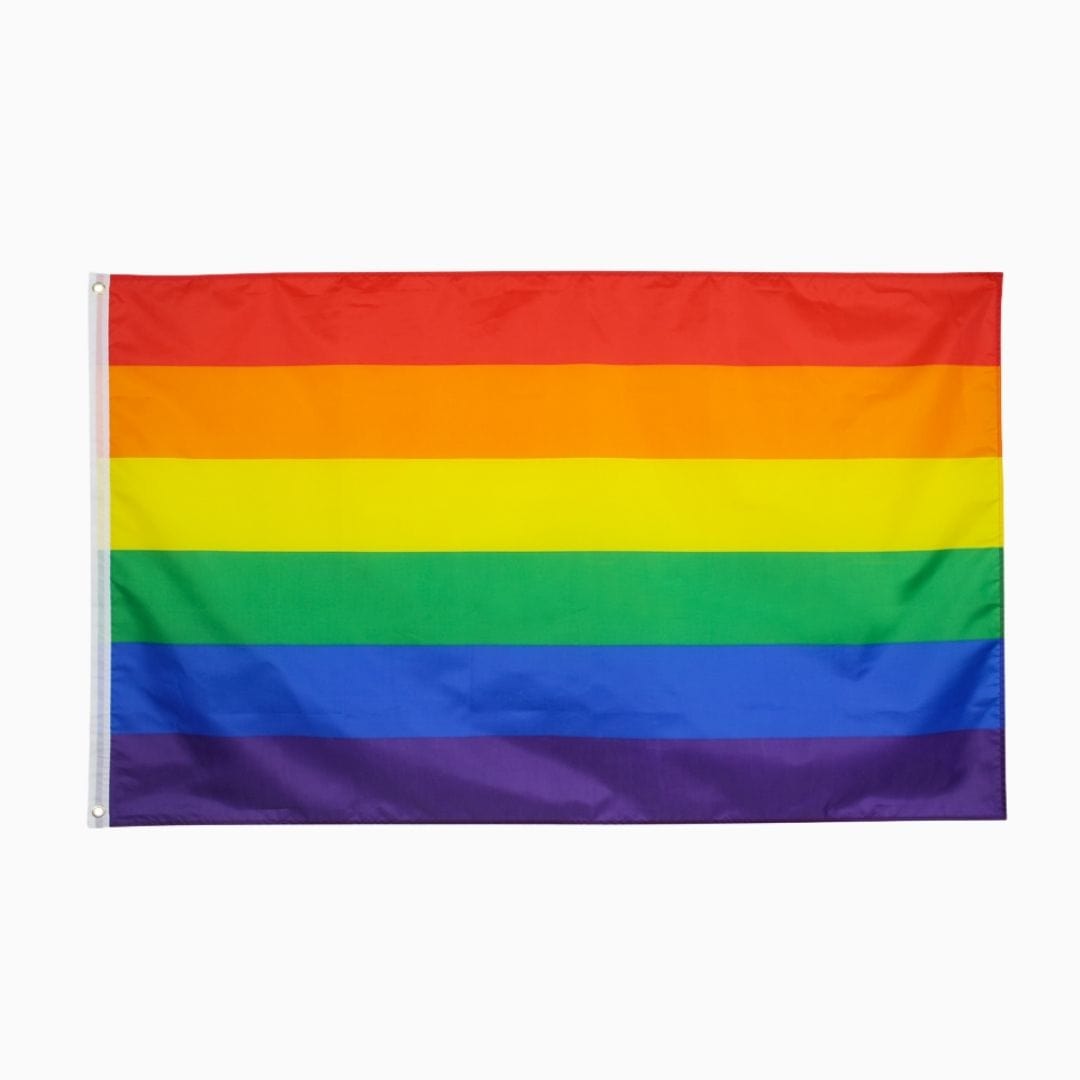
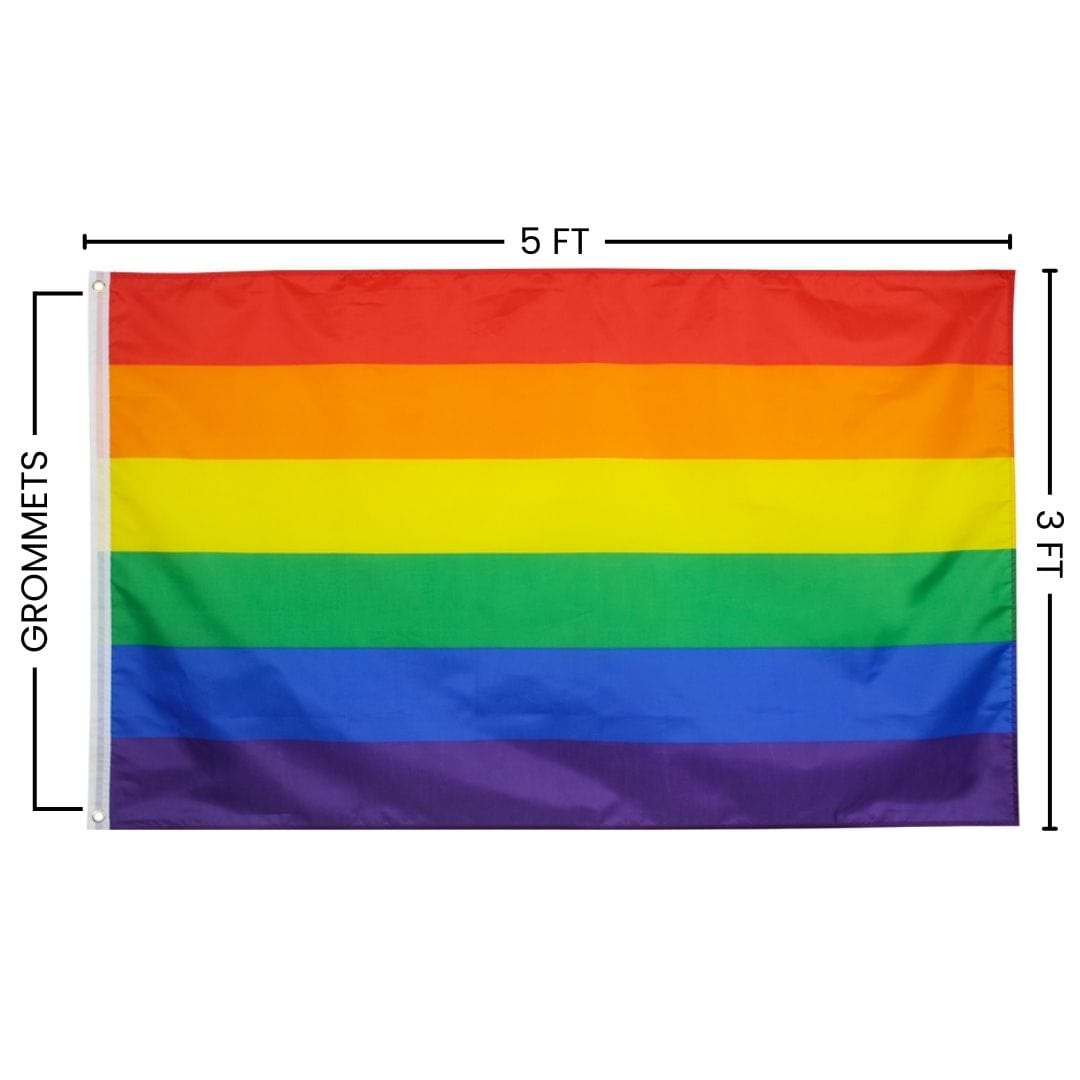
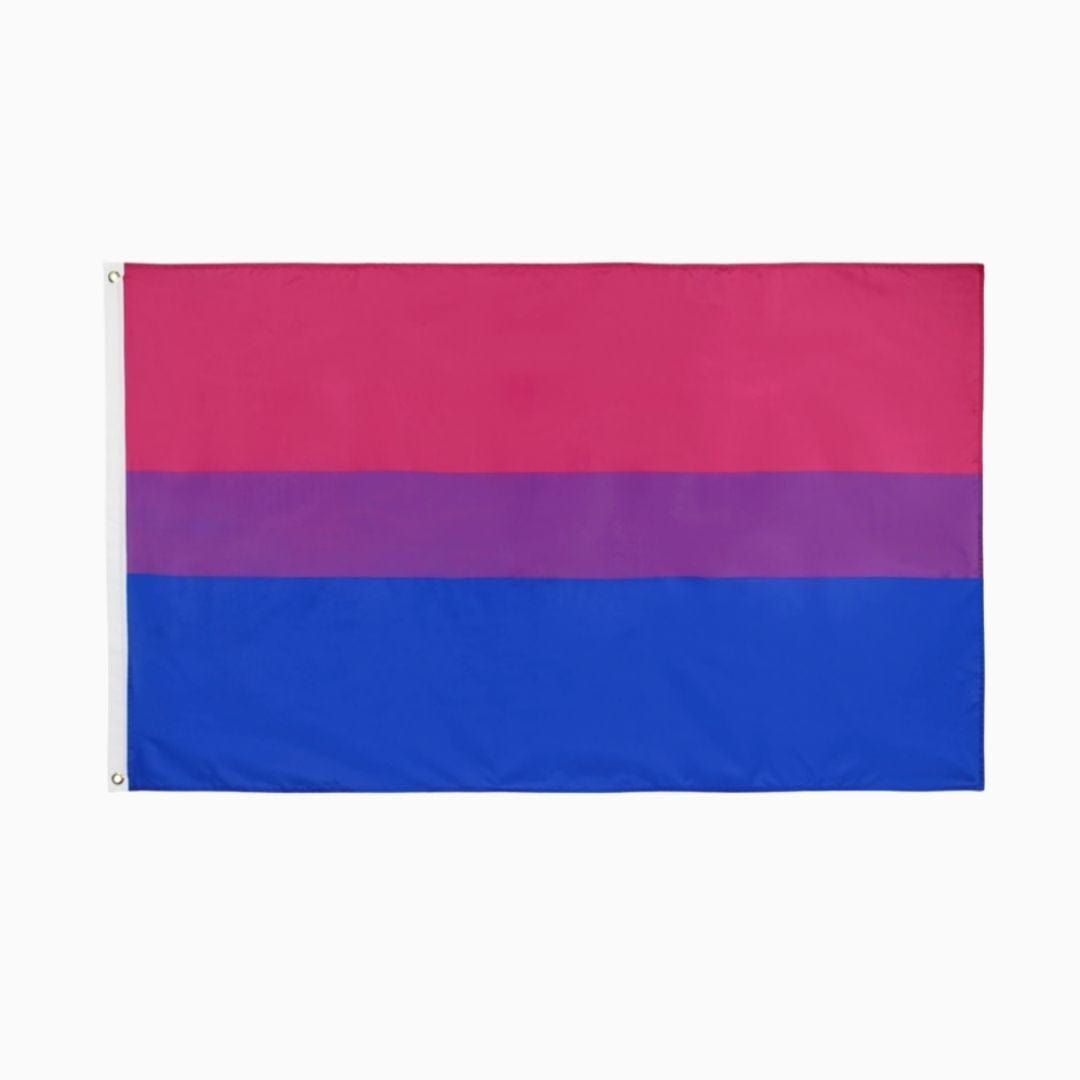
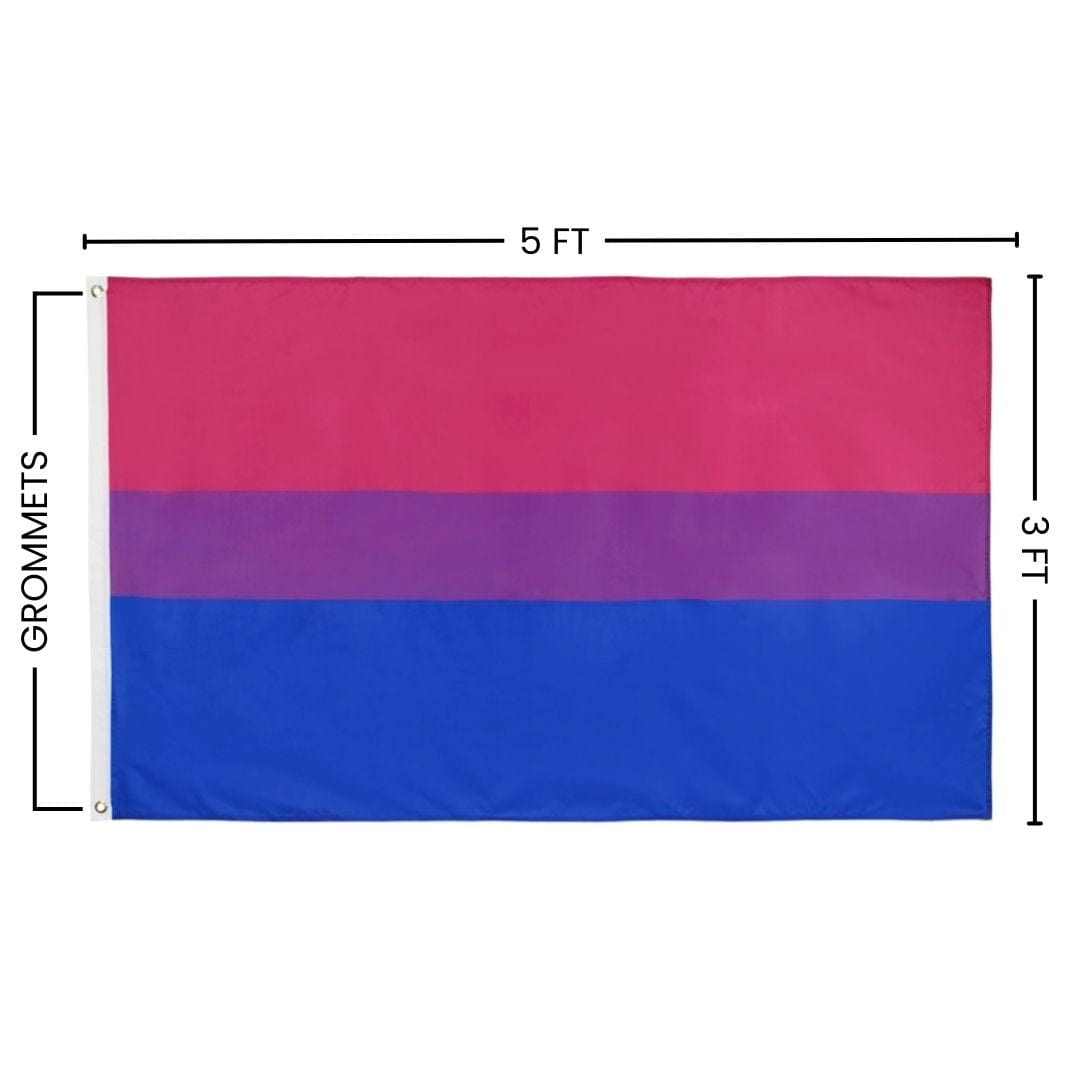
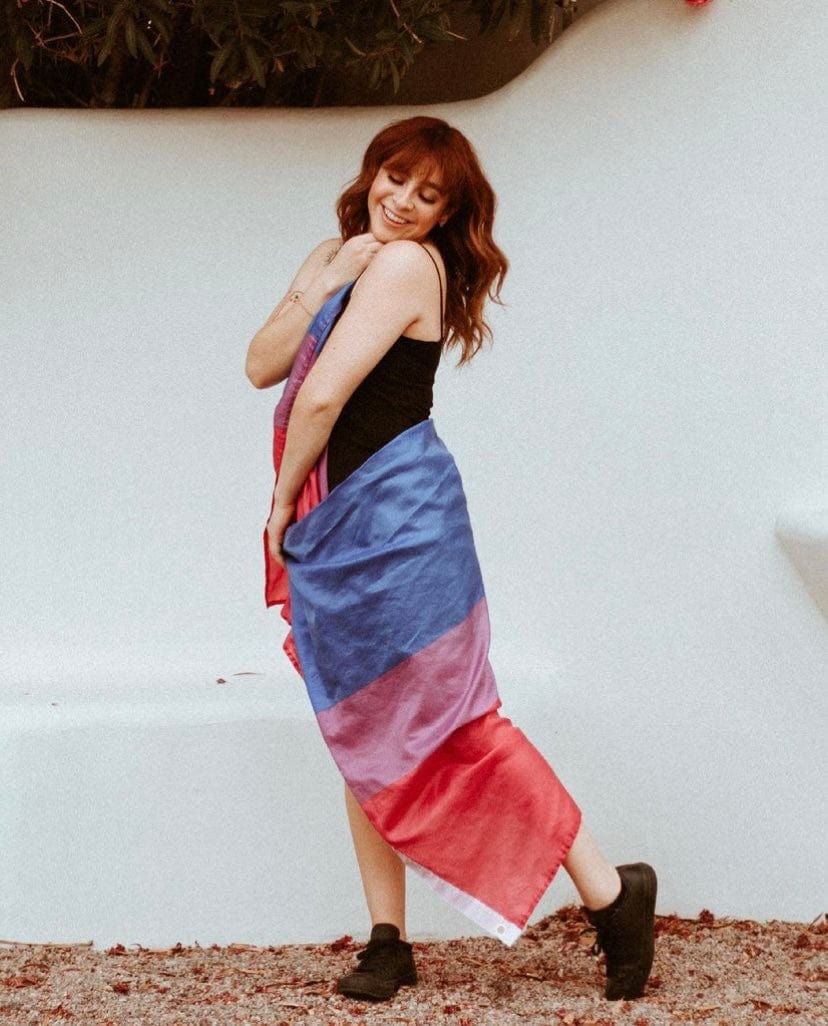
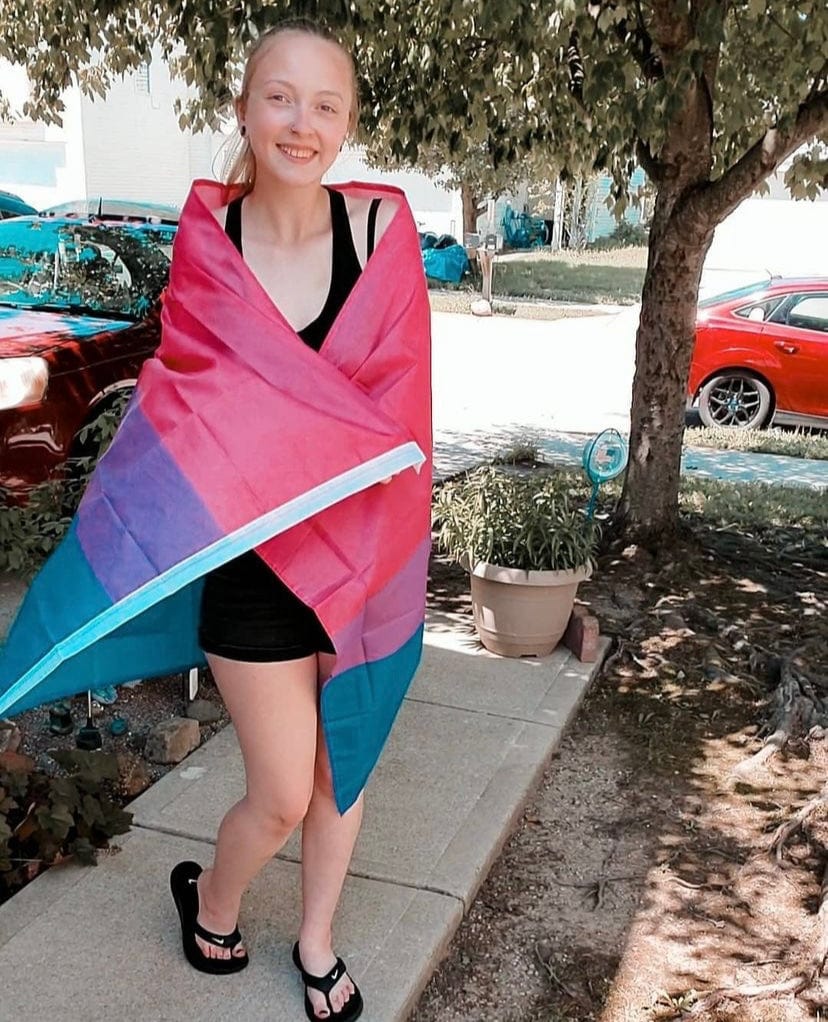
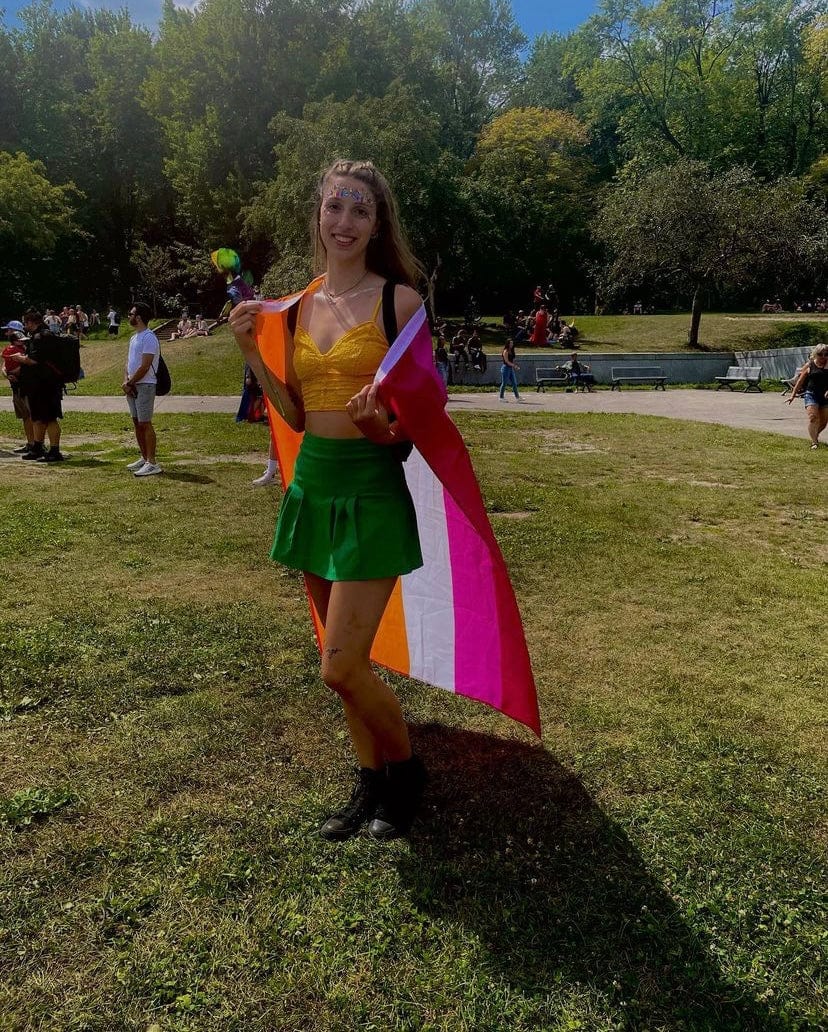
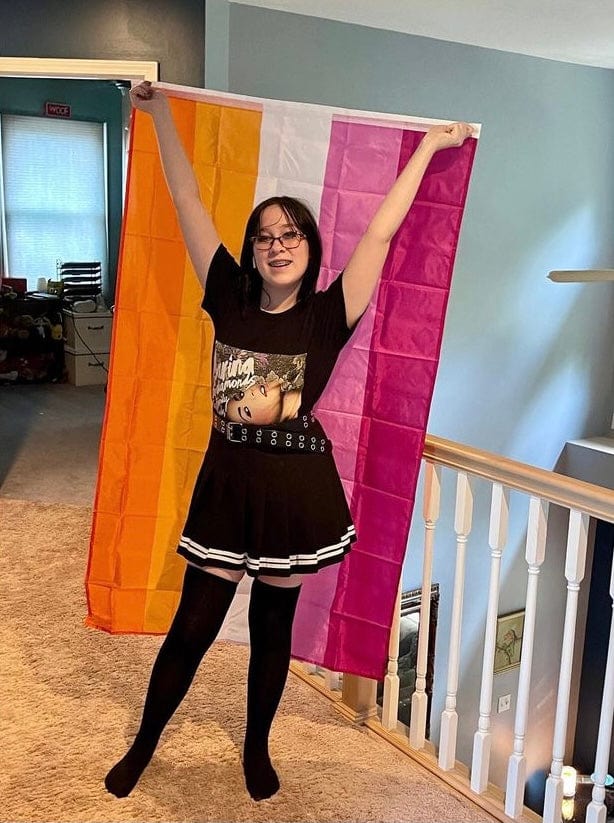
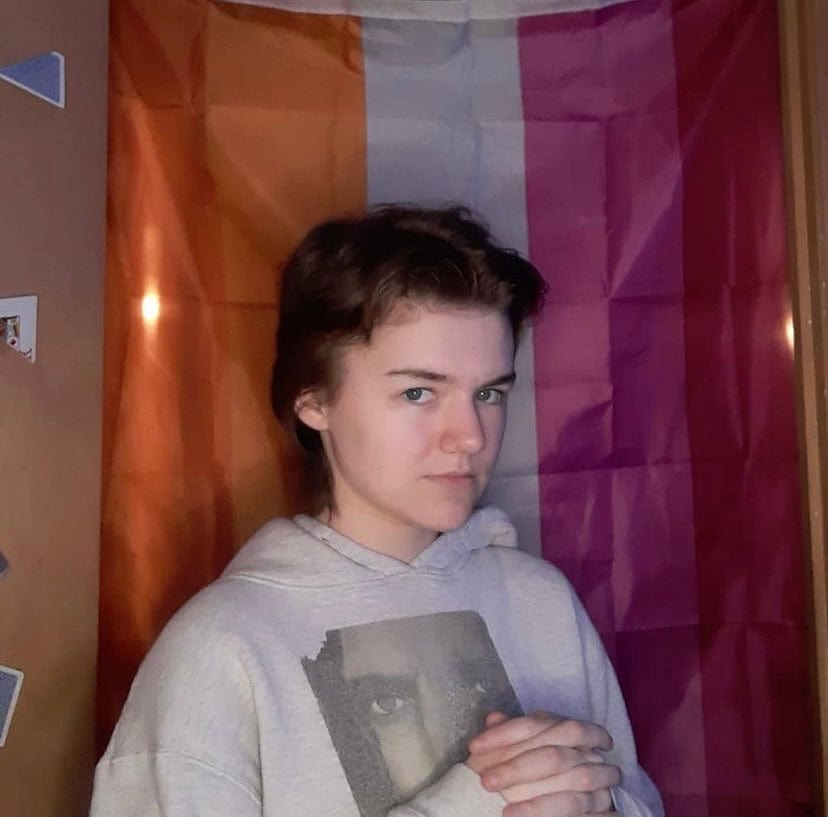
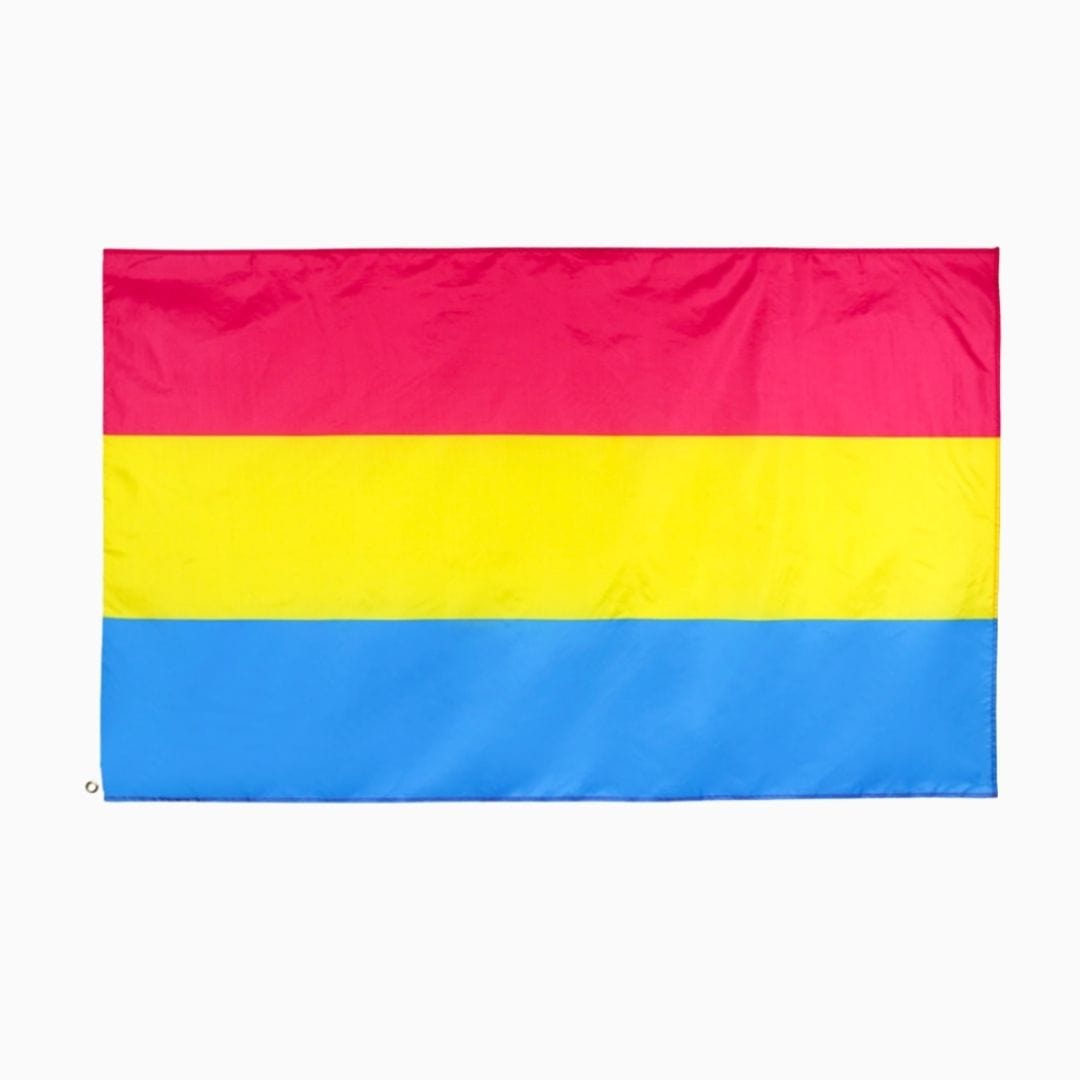
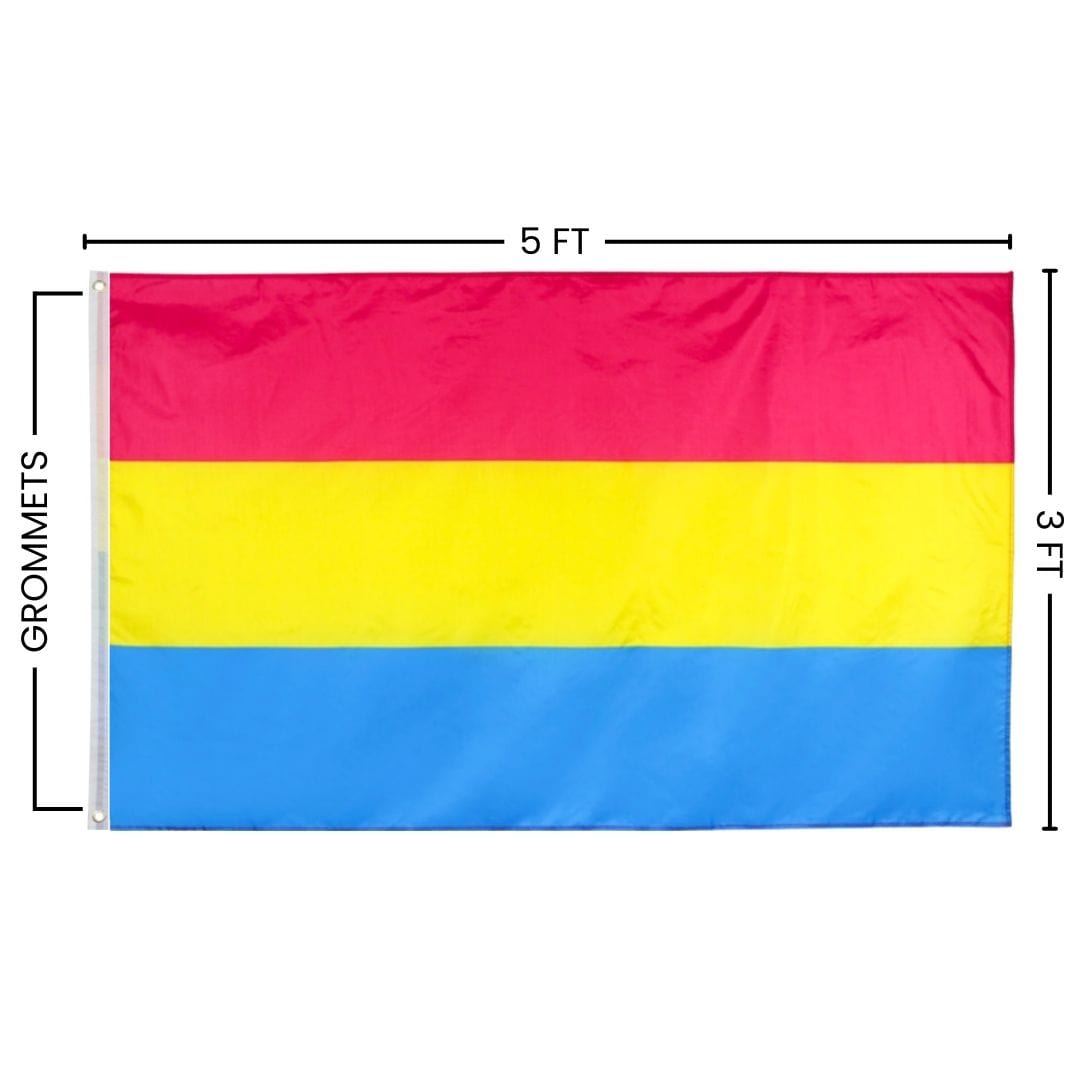
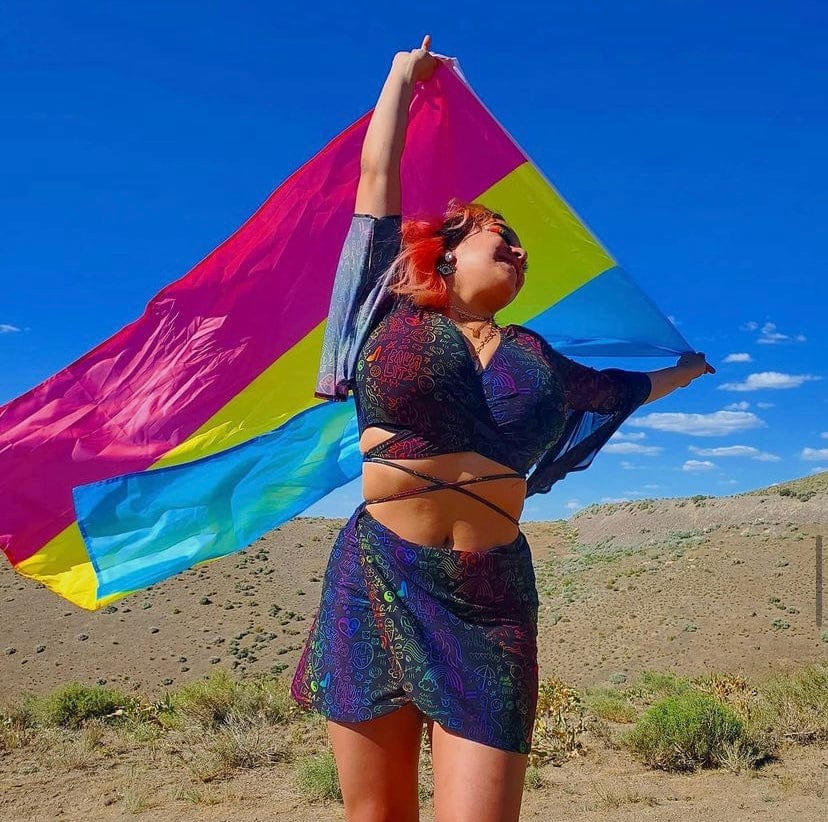
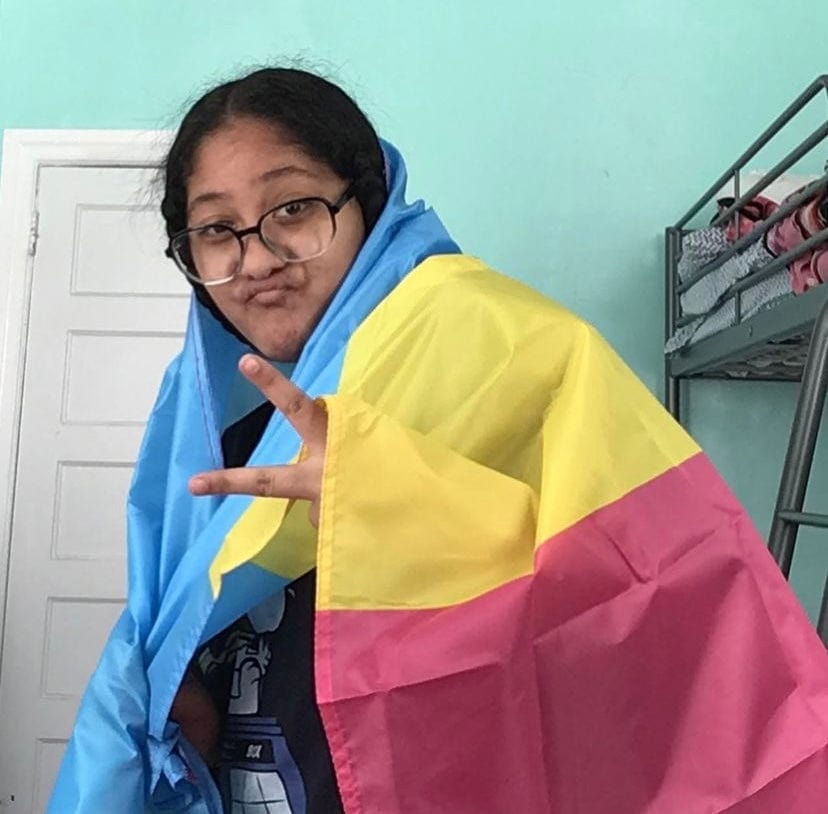
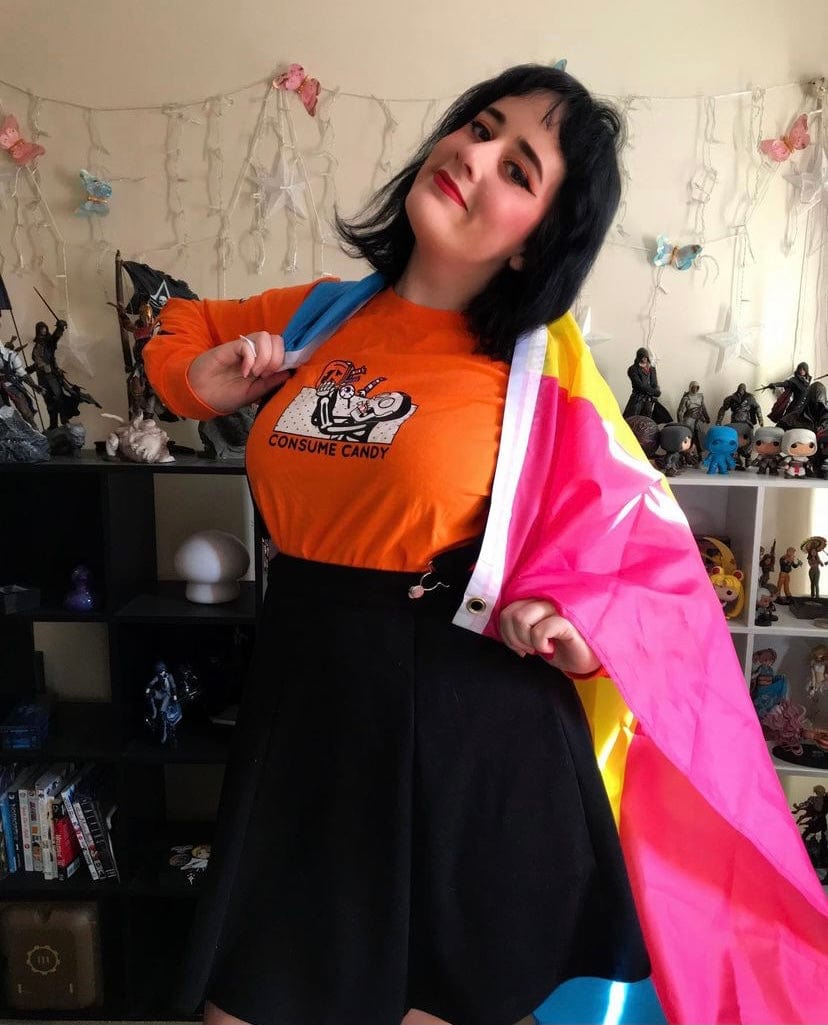
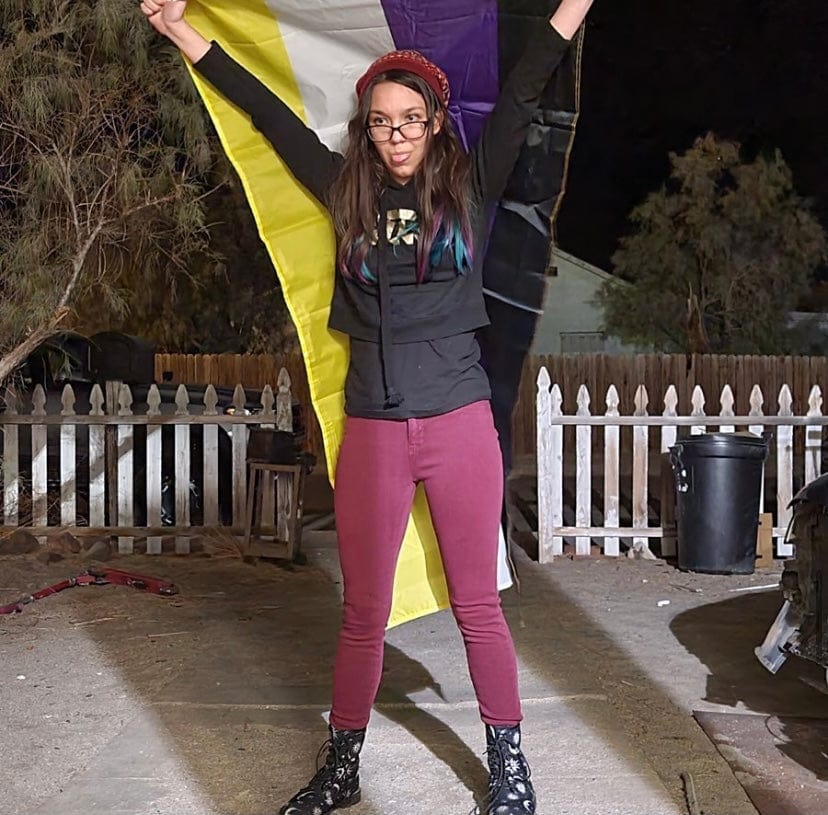
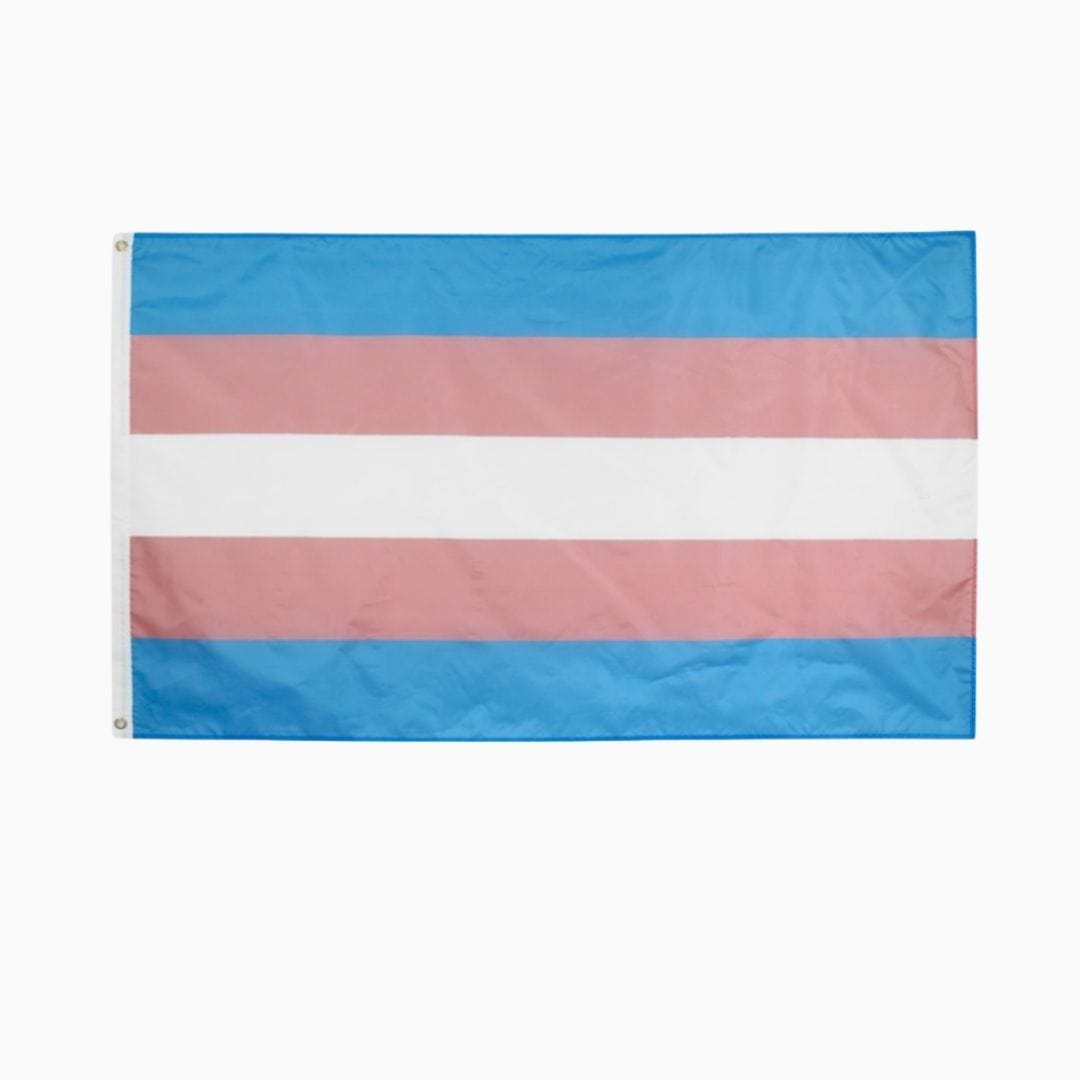
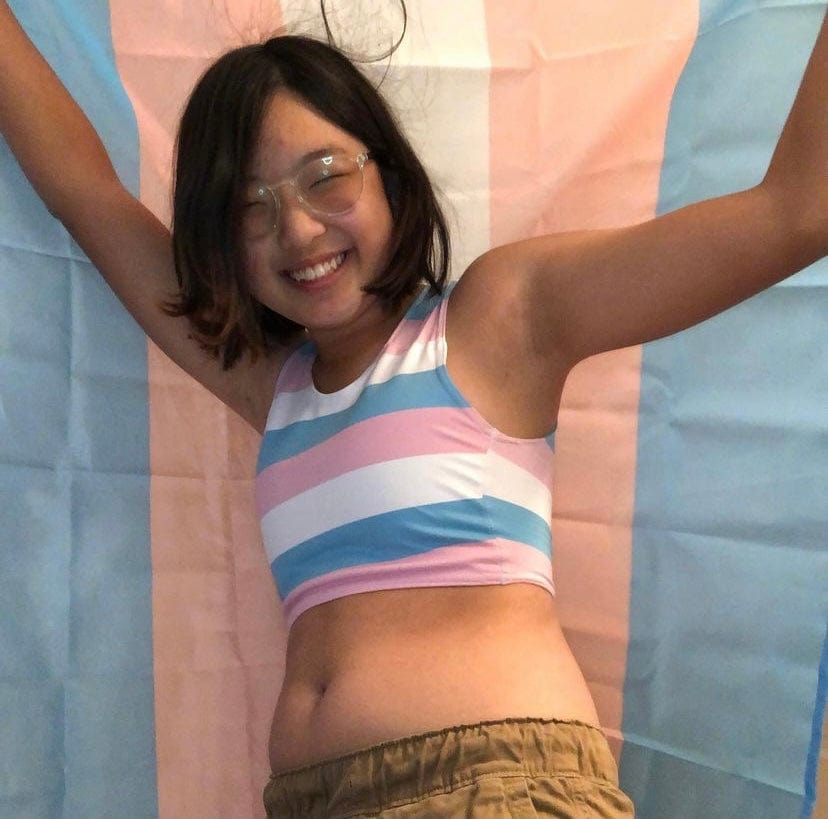
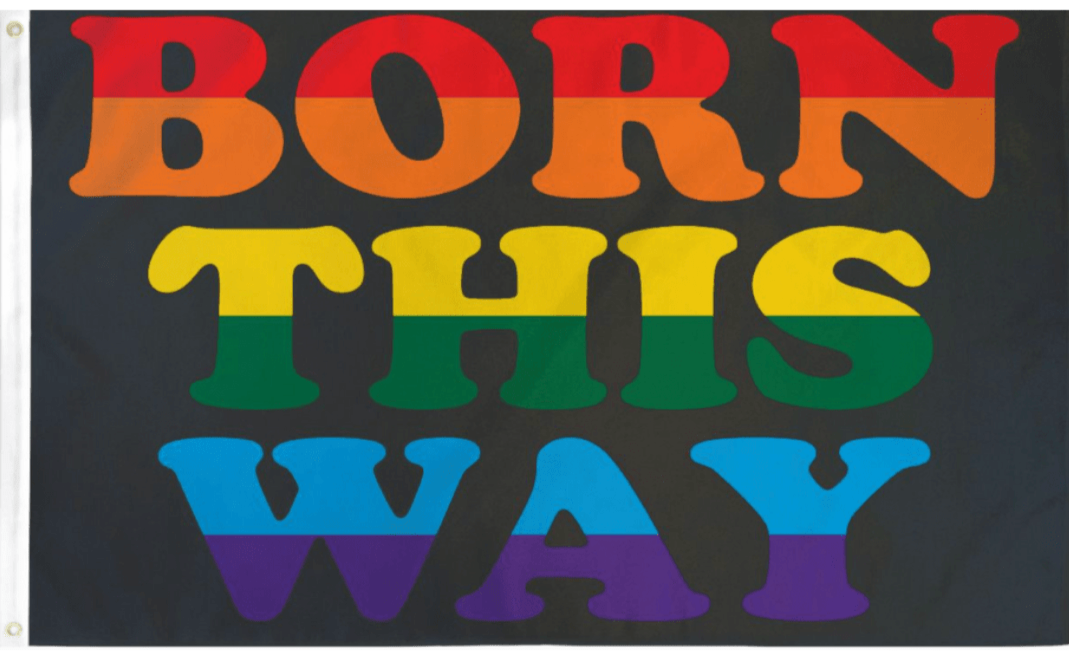
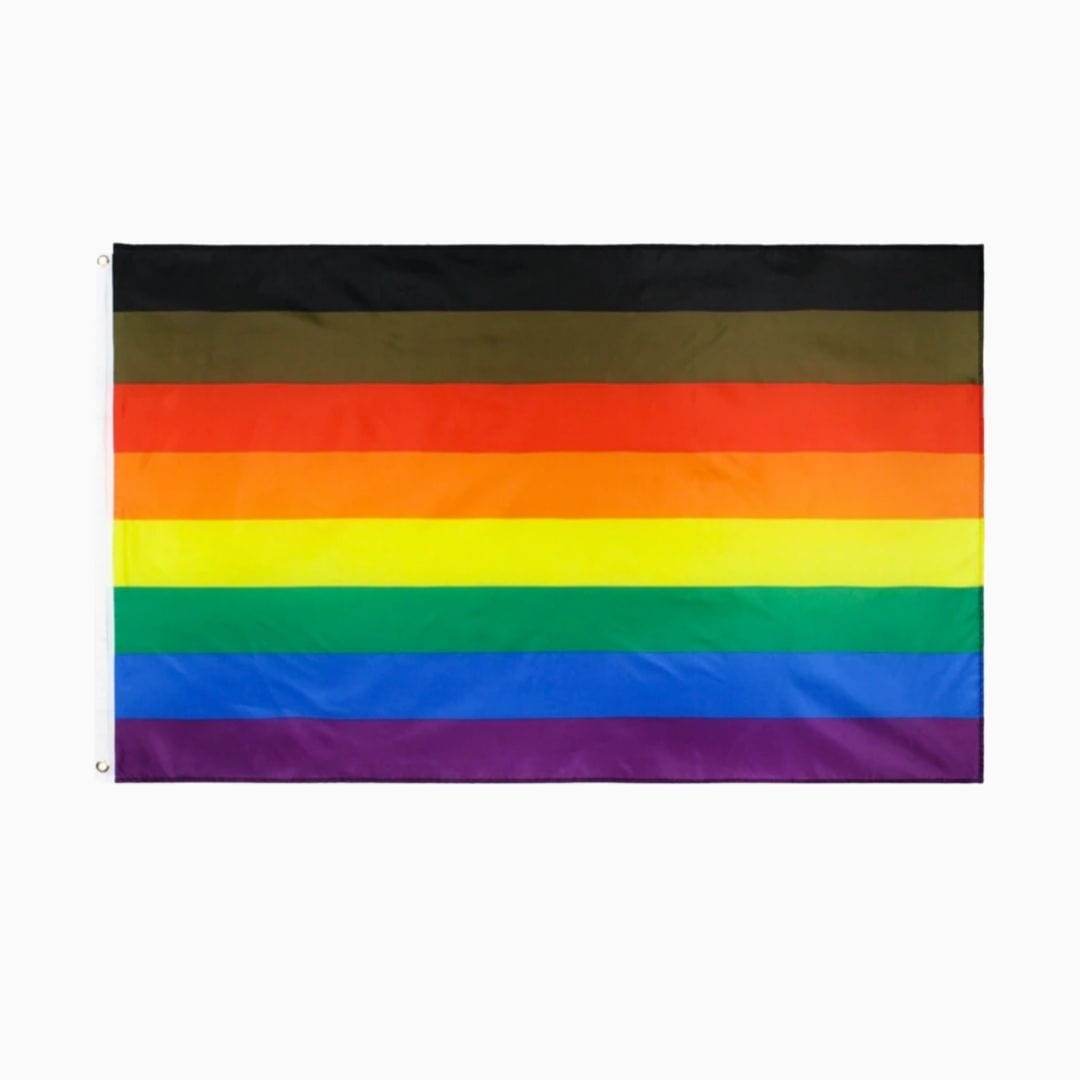
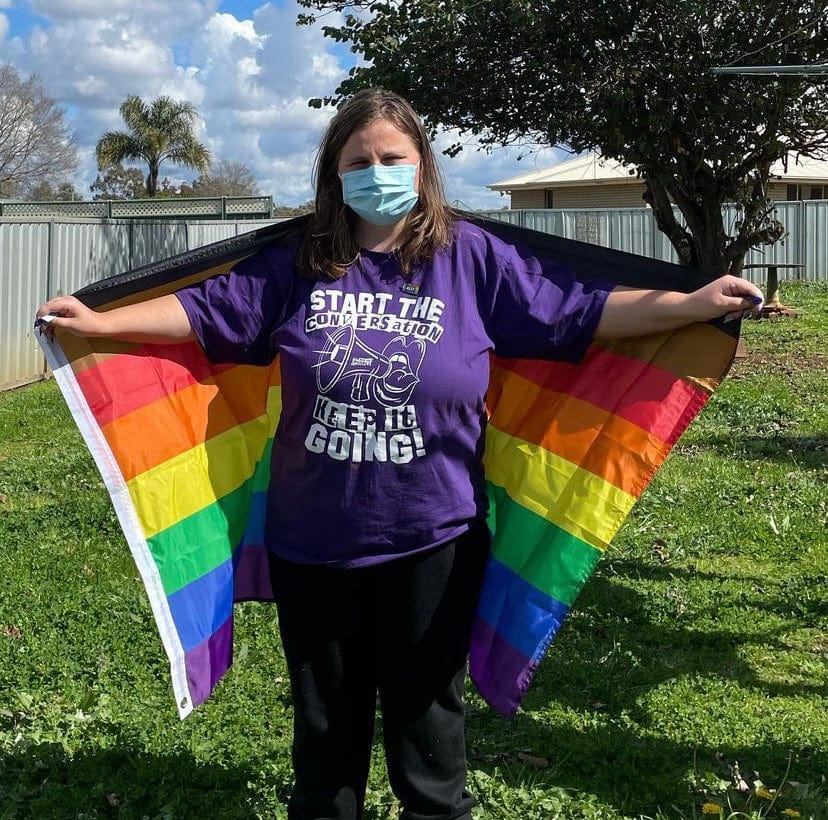
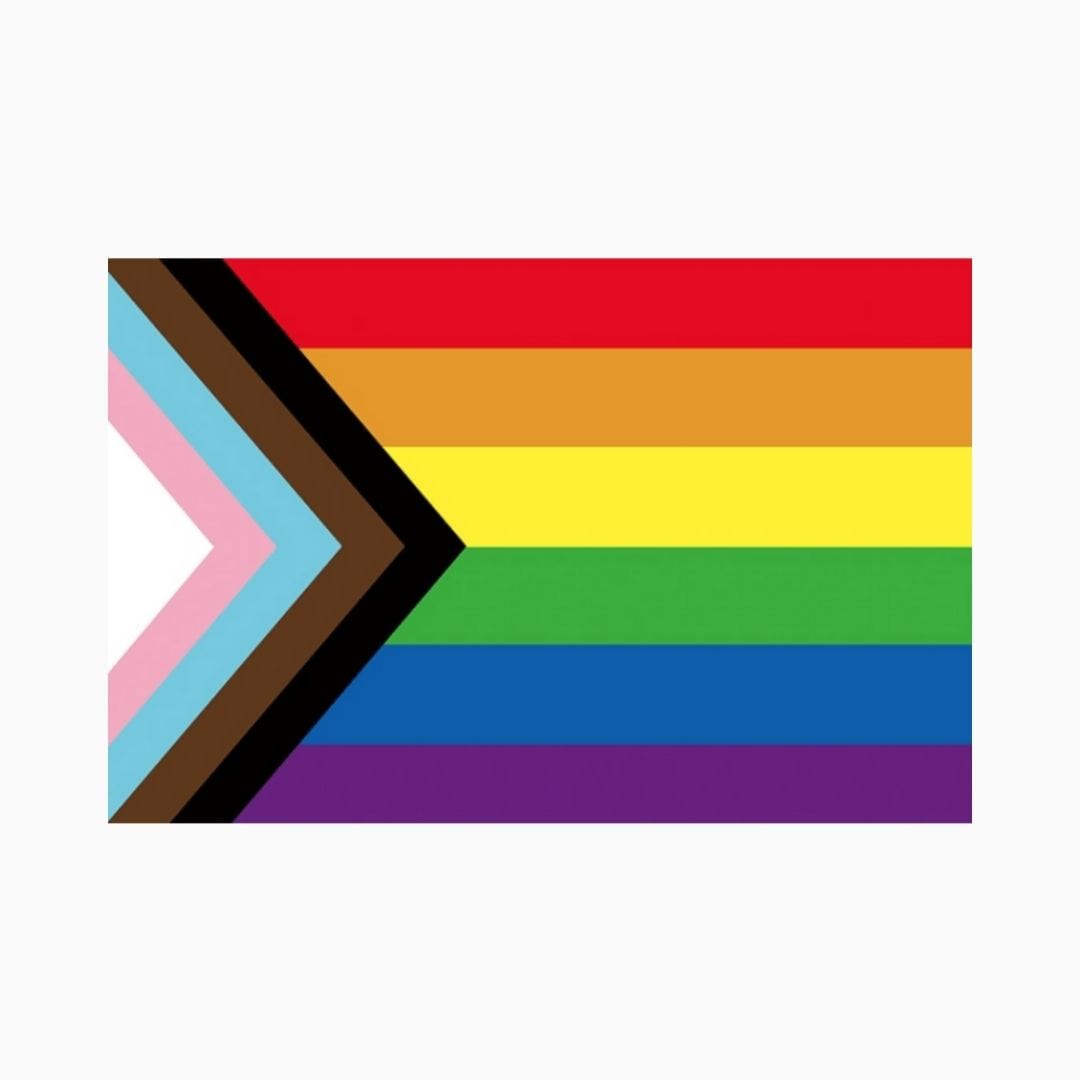
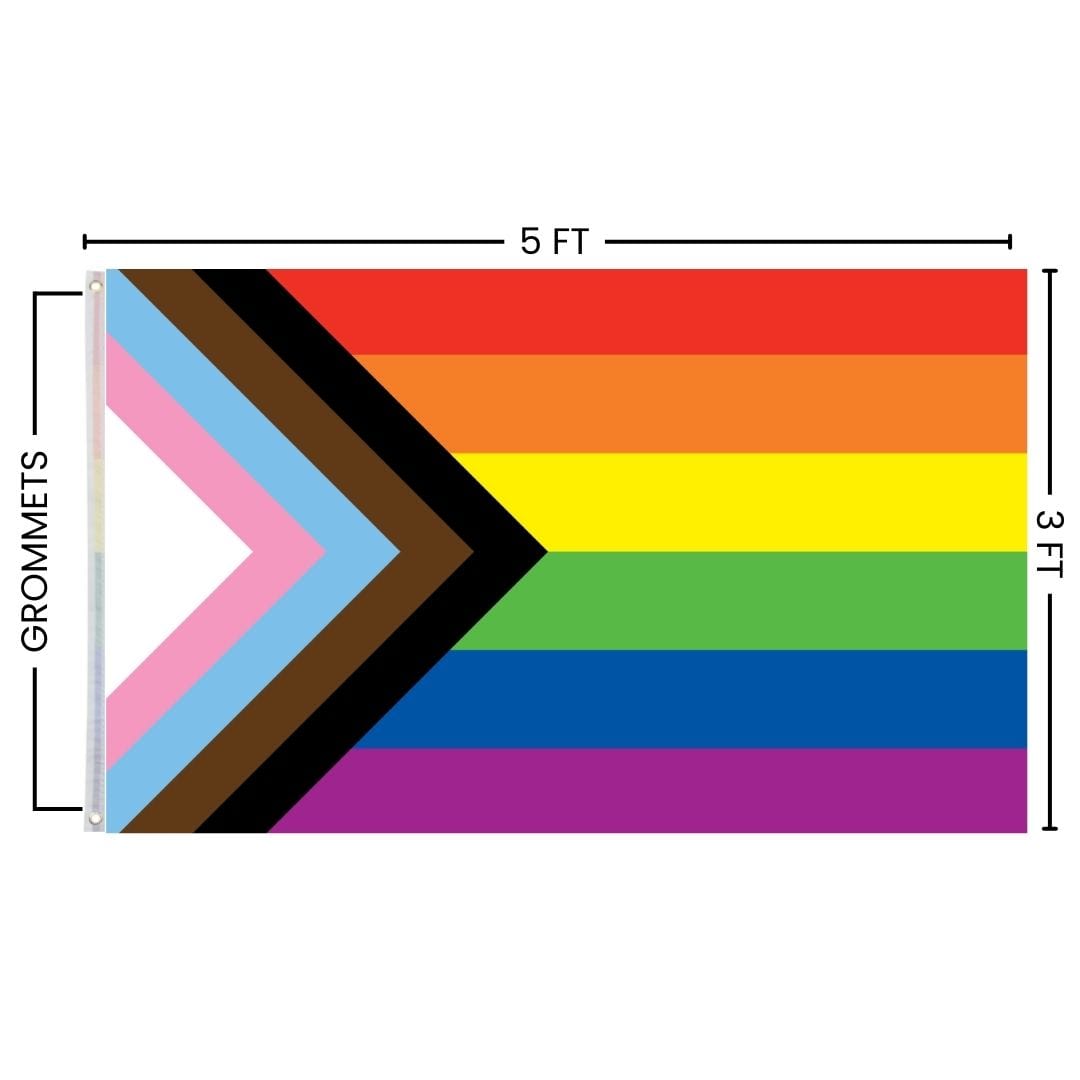
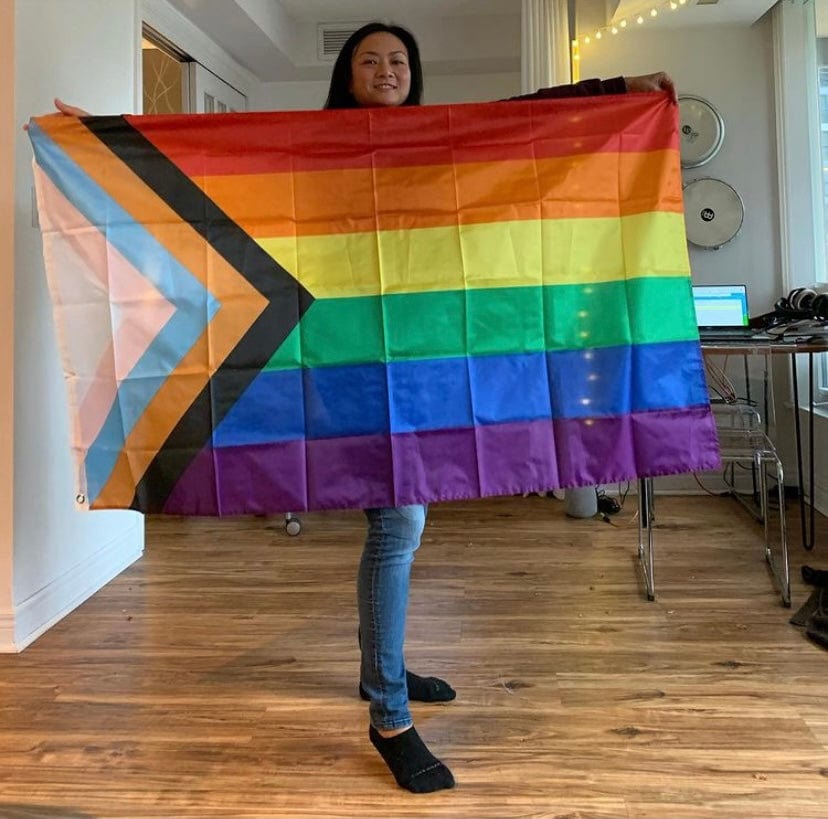
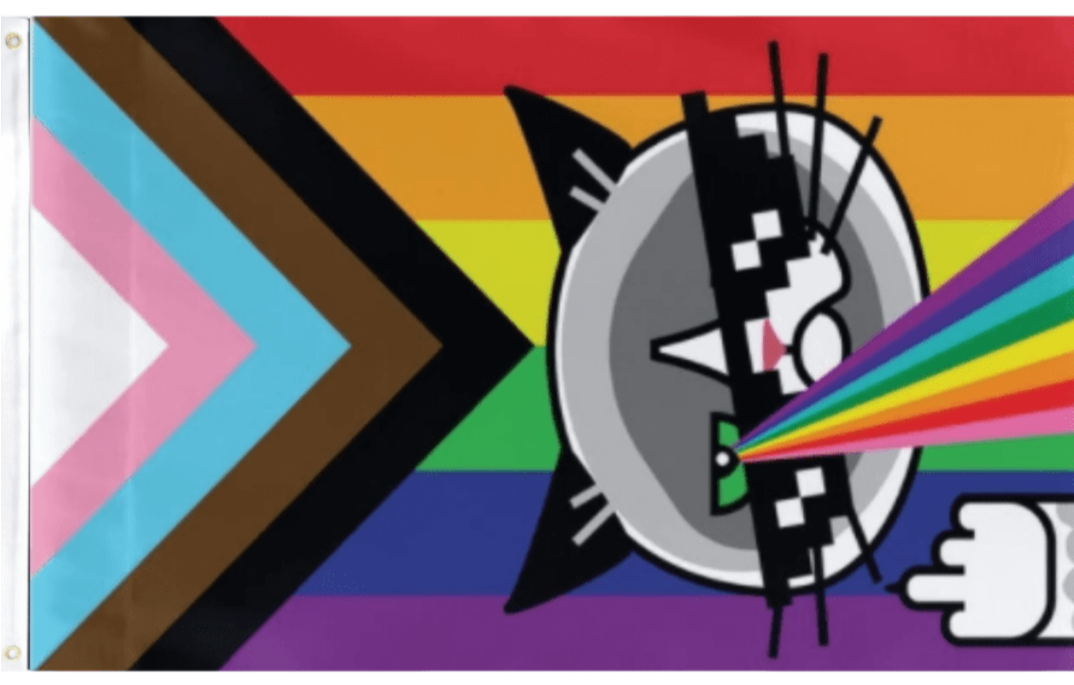
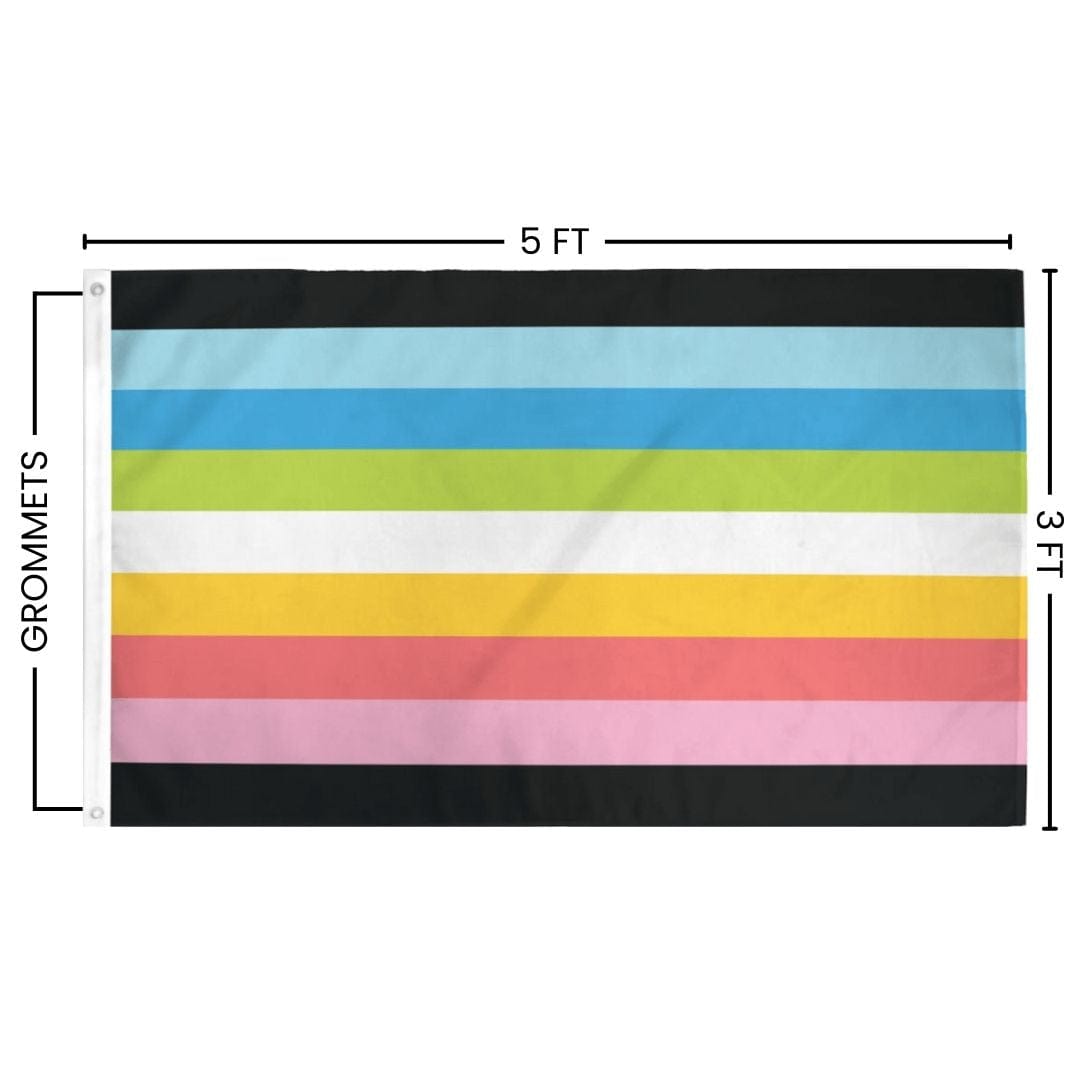
Your identity is still valid whether you celebrate publicly or privately. Many people celebrate in personal ways, including displaying symbols like the Bisexual Pride Flag or other LGBTQ+ Pride Flags.
2. You Are Dating Someone of a Different Gender
This is one of the most common misconceptions about bisexuality.
If a bisexual person is dating someone of a different gender, people sometimes assume that means they are straight. Sexual orientation does not disappear when you enter a relationship.
Being bisexual means you can experience attraction to more than one gender. Being in a relationship simply means you have chosen one person.
3. You Are Dating Someone of the Same Gender
The opposite assumption happens too.
When a bisexual person is in a same gender relationship, people sometimes assume they must be gay or lesbian.
Your relationship does not redefine your identity. You can be in a same gender relationship and still be bisexual.
4. You Are Married
Marriage does not erase bisexuality.
Many bisexual people are married to partners of different genders or the same gender. That commitment reflects love and partnership, not a change in identity.
Your identity does not disappear because your relationship status changes.
5. You Have Not Come Out Yet
Coming out is a deeply personal journey. Some people come out early in life while others take more time.
You do not have to publicly announce your sexuality for it to be real.
You are still bisexual even if you have not told anyone yet.
6. You Have Only Dated One Gender
Sexual orientation is not defined by past experiences.
Just like someone can know they are straight before dating anyone, bisexual people can understand their attraction without needing to date multiple genders first.
Attraction is what matters, not your dating history.
7. Your Attraction Is Not Equal for Every Gender
A common myth is that bisexual people must feel equal attraction to all genders.
In reality attraction varies for everyone. Some people may feel stronger attraction toward one gender while still experiencing attraction to other.
This does not make someone less bisexual.
8. You Are Still Figuring Things Out
Sexuality can become clearer over time.
Many people spend years learning about themselves and their identities. Questioning your feelings is a normal part of that process.
You do not need to have everything figured out immediately.
9. Some People Do Not Believe You
Unfortunately bisexuality is often misunderstood.
Some people may say bisexuality is a phase or assume you must choose between being straight or gay.
Your identity does not depend on other people believing you. You define your own identity.
10. You Do Not Look Bisexual
There is no single way to look bisexual.
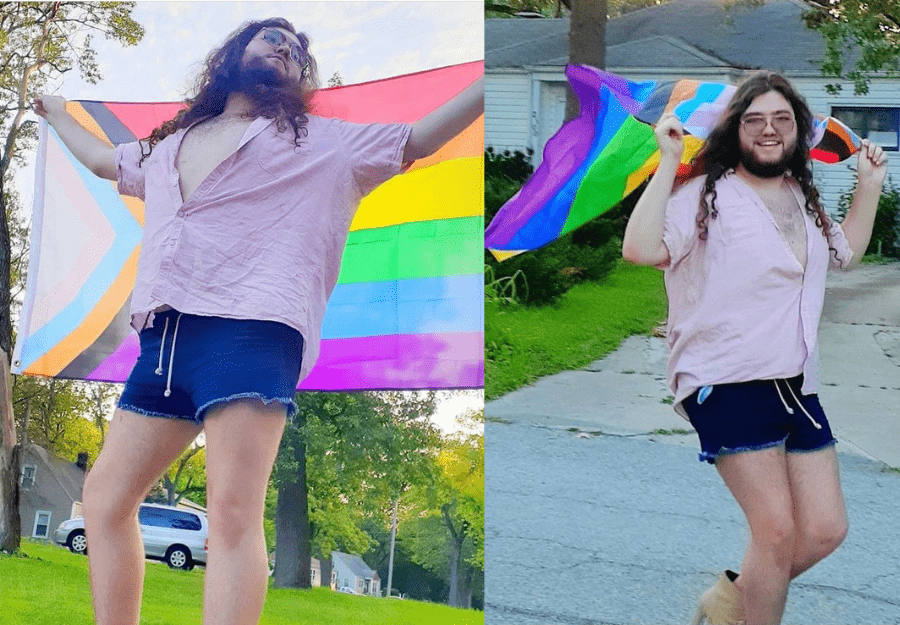
Sexual orientation is not determined by clothing, style, gender expression, or stereotypes.
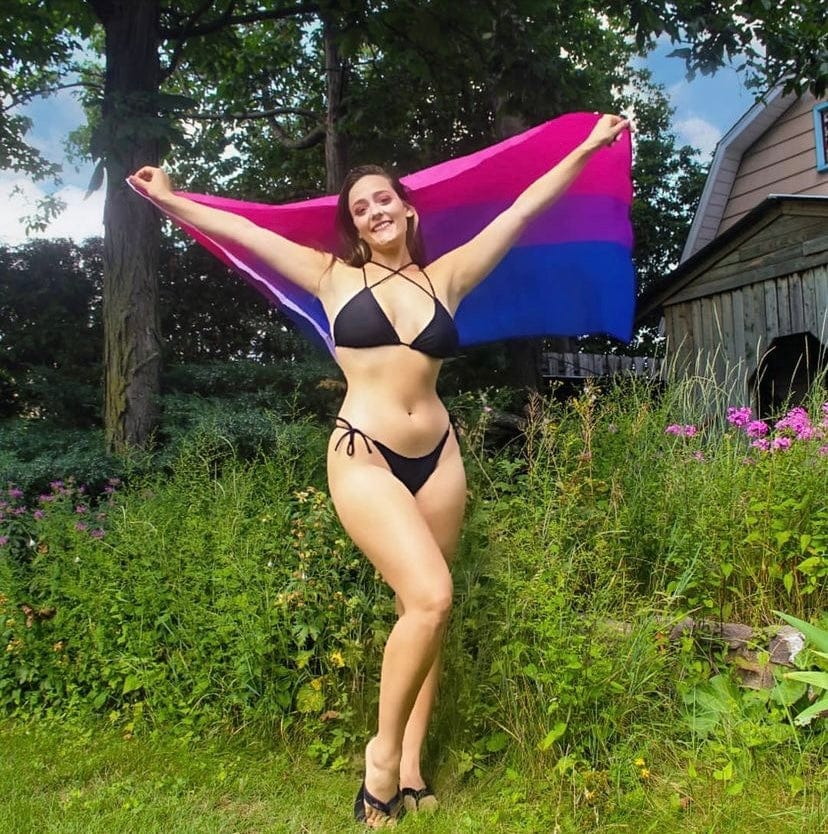
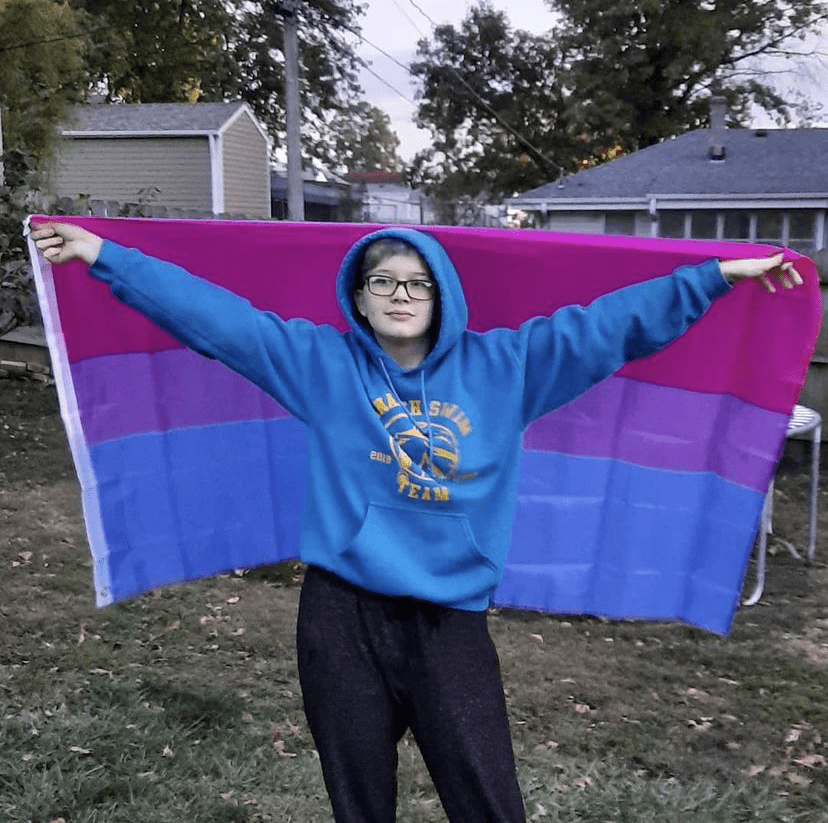
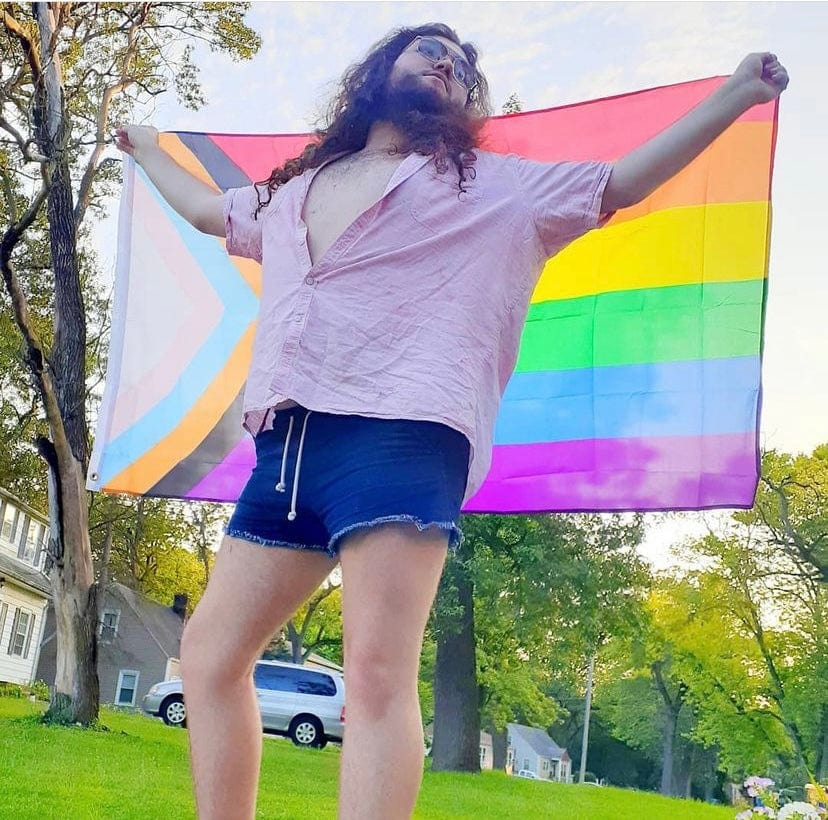
People express their identity in many ways, including through meaningful symbols like the Bisexual Pride Flag.
Your Identity Is Valid
Bisexuality does not require proof. It does not require specific experiences, relationships, or appearances.
If you experience attraction to more than one gender, your identity is real and valid.
No matter where you are in your journey, you deserve to feel proud of who you are.
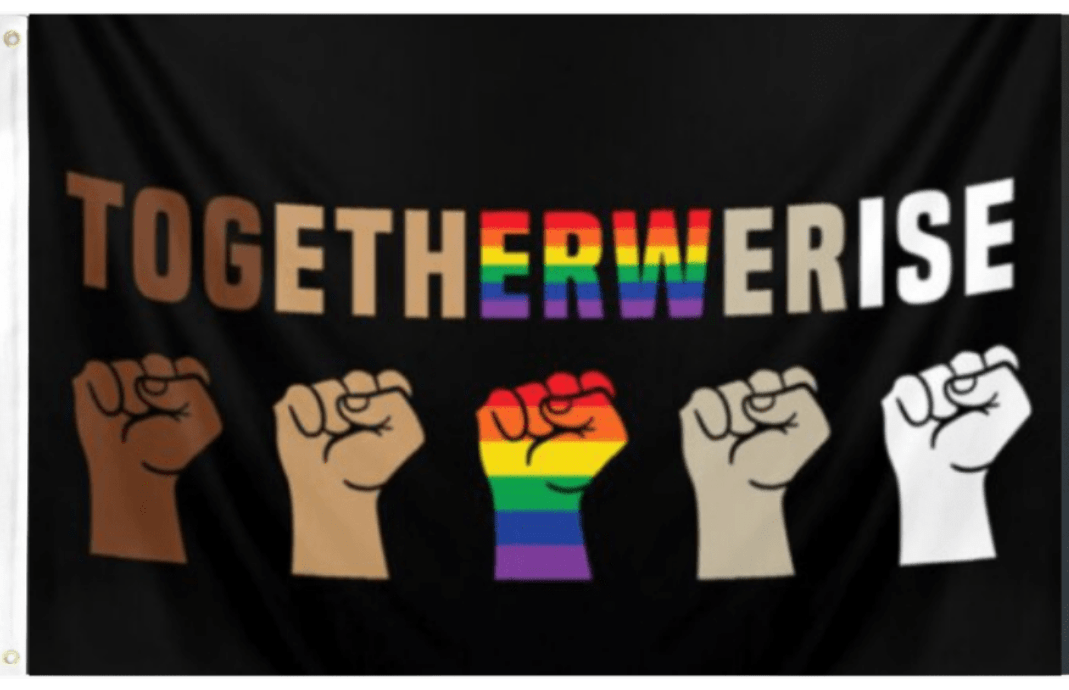
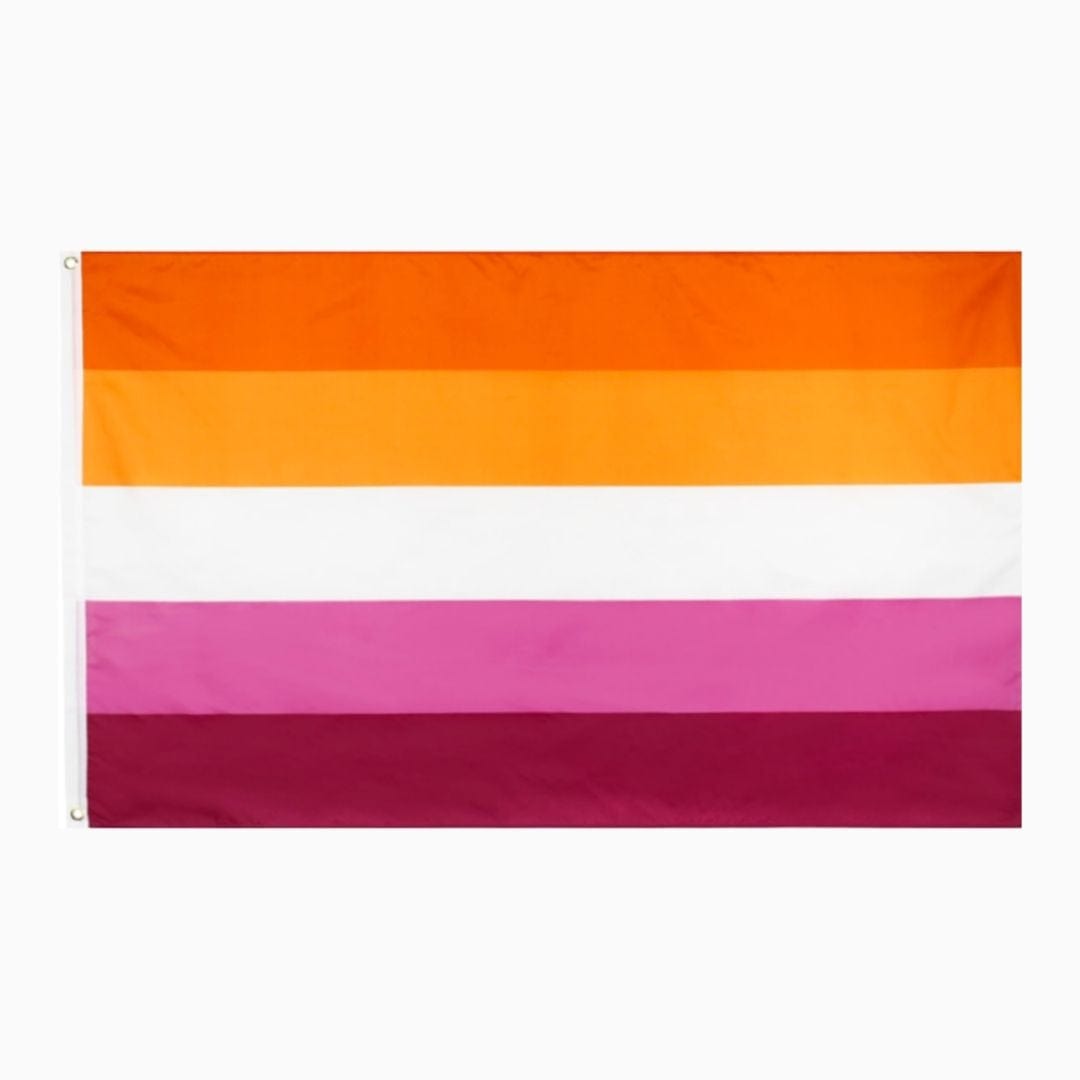
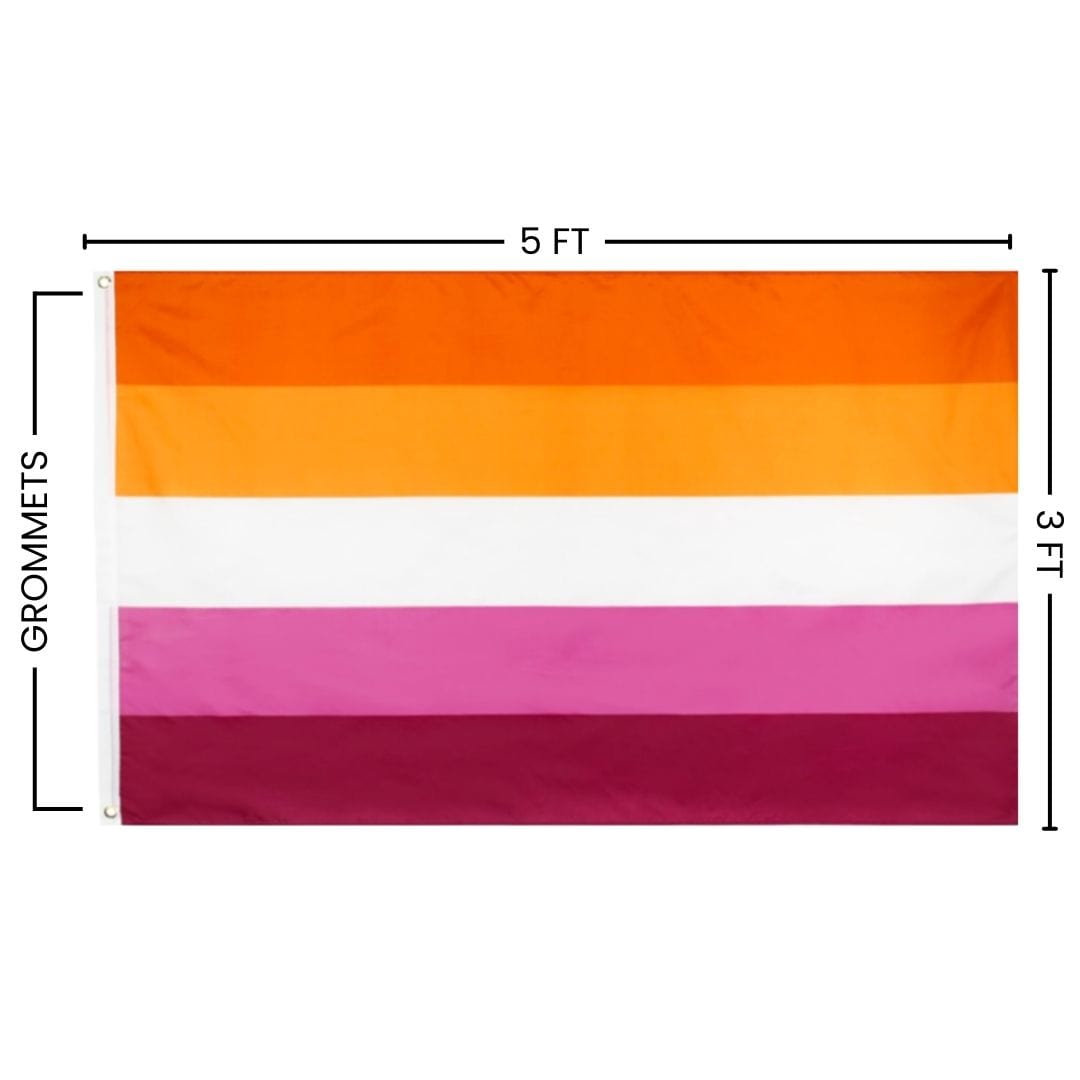
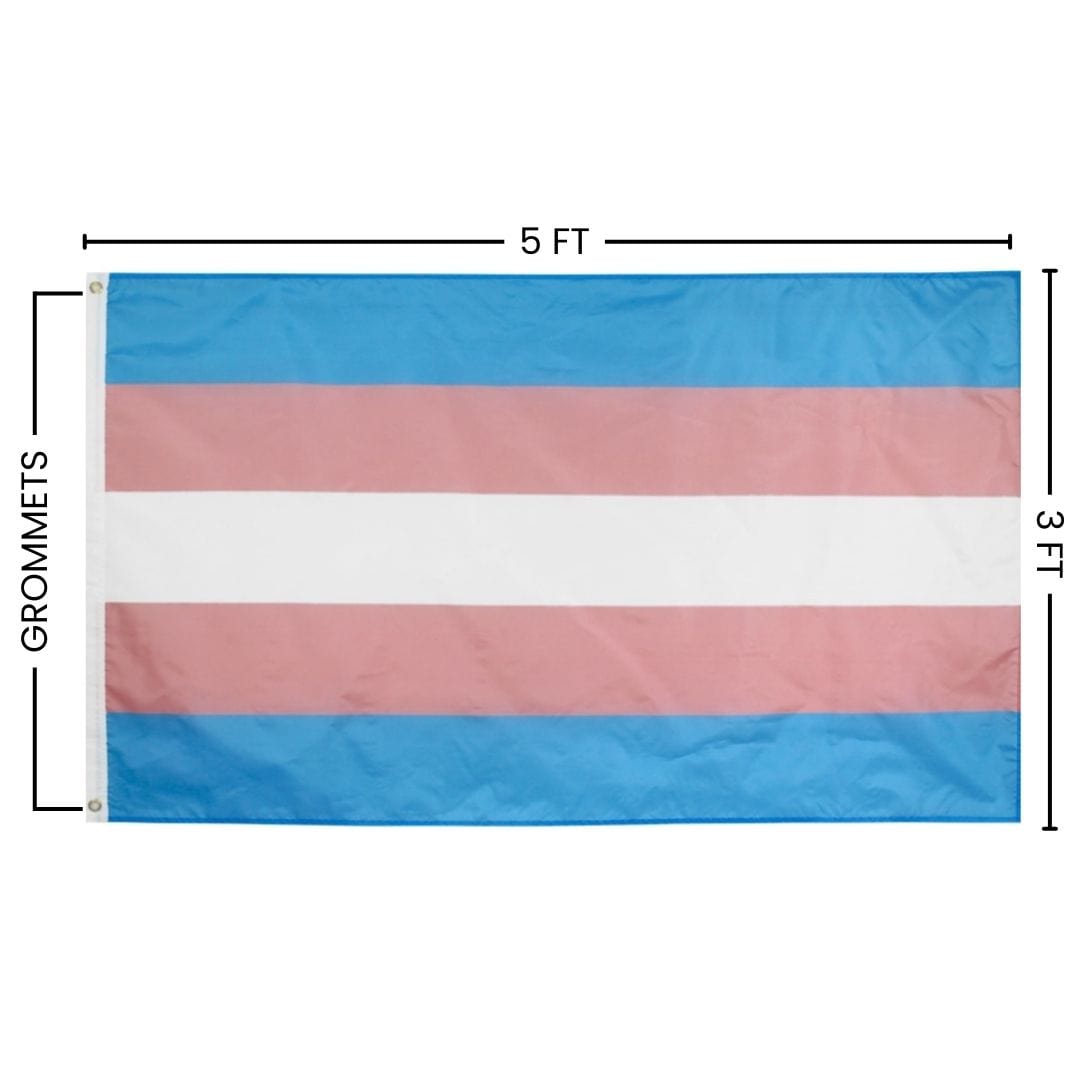
If you want to celebrate your identity or show support for the LGBTQ+ community, explore Pride Palace’s collection of Pride Flags and symbols that represent the diversity of the community.