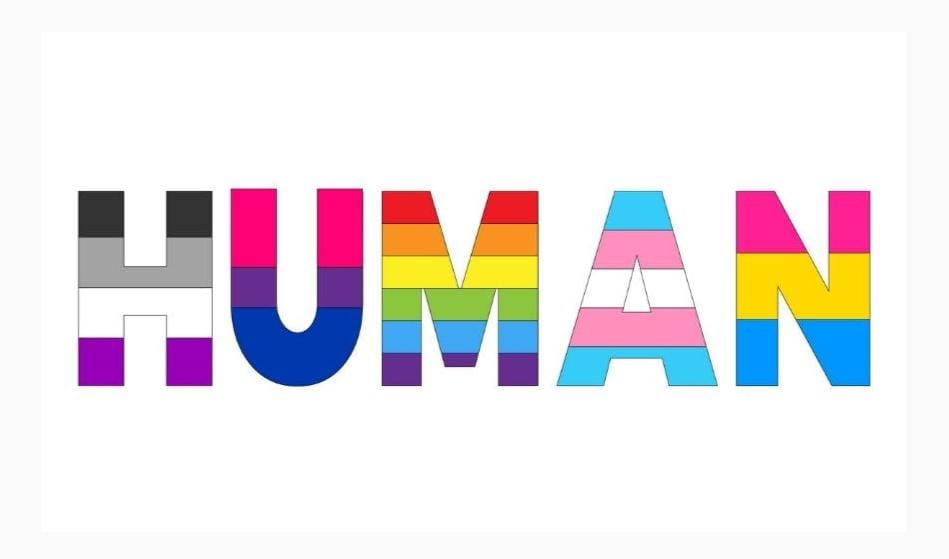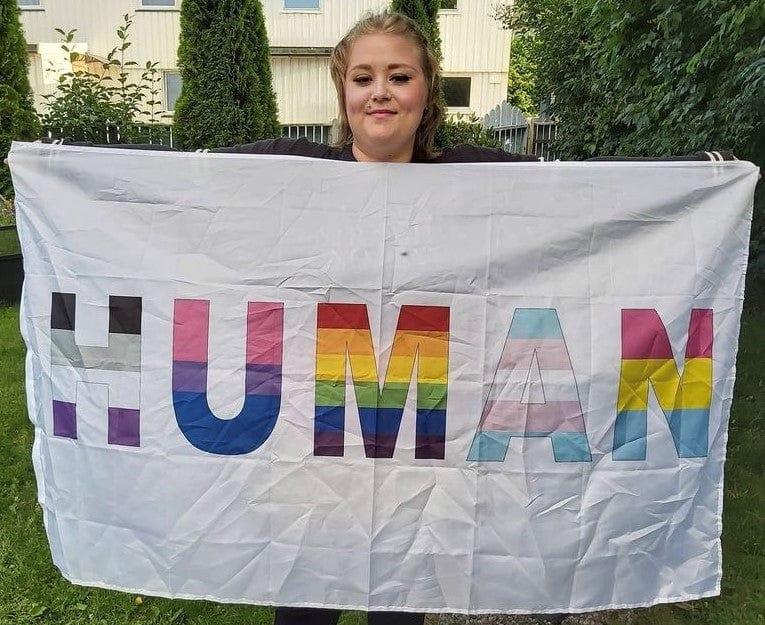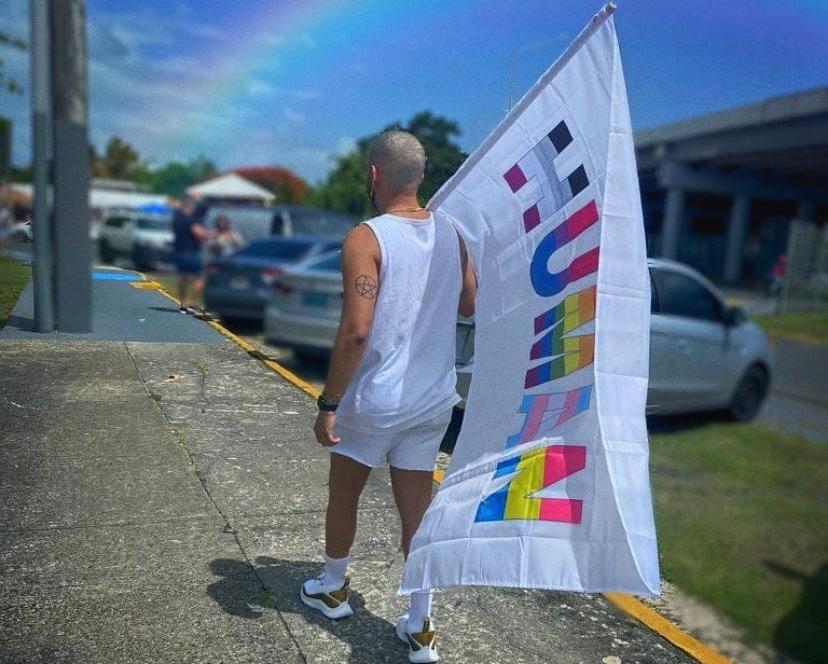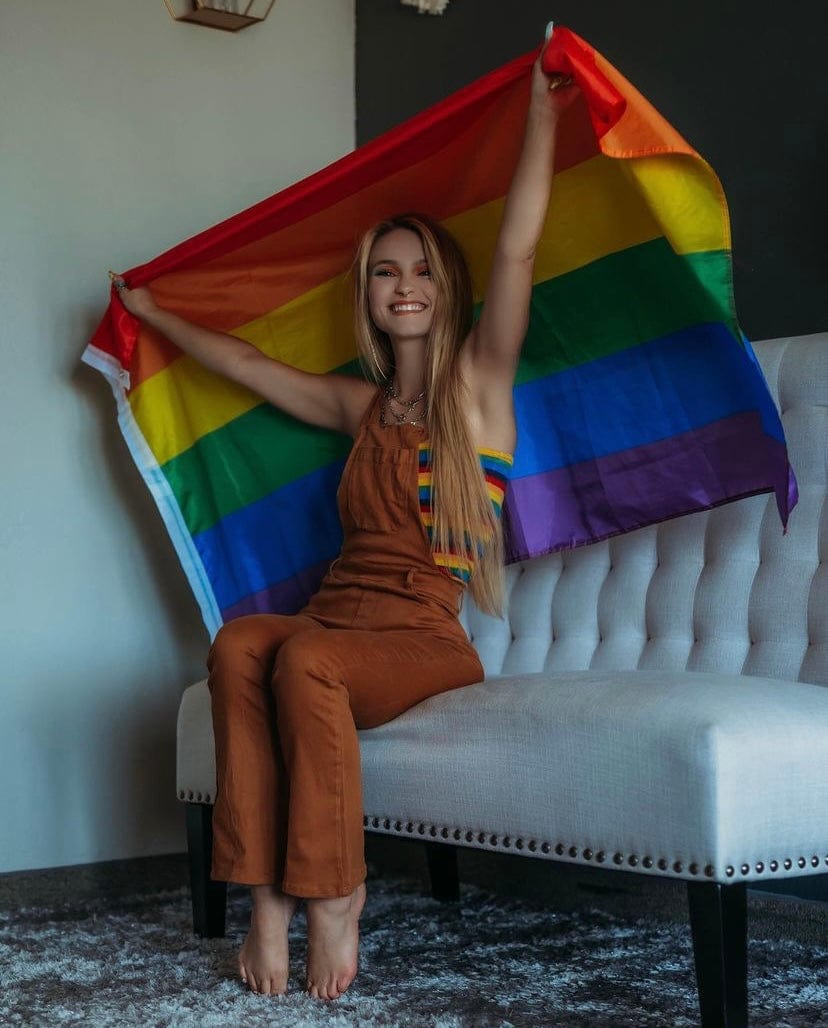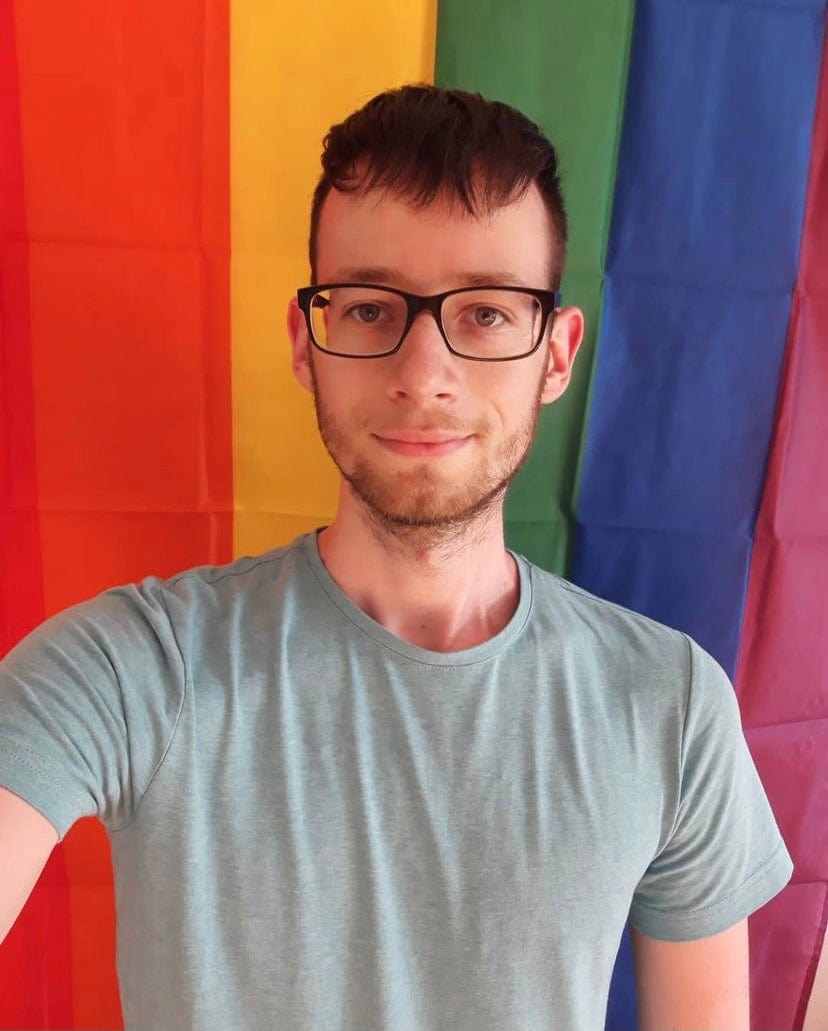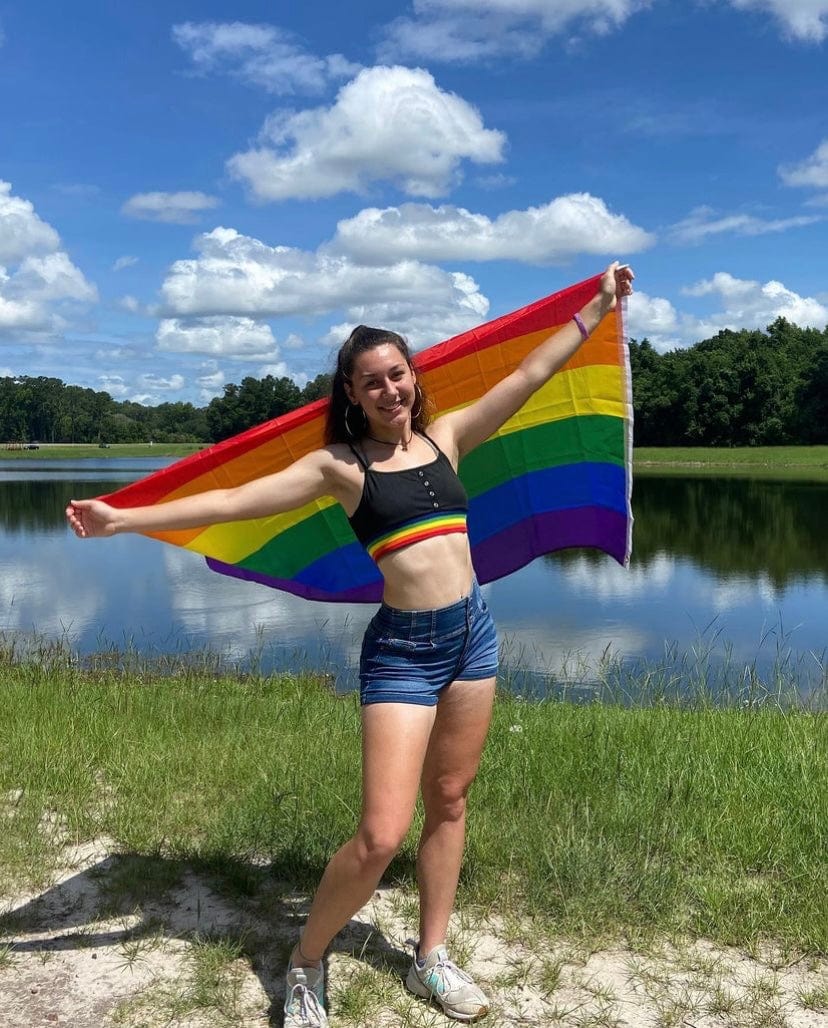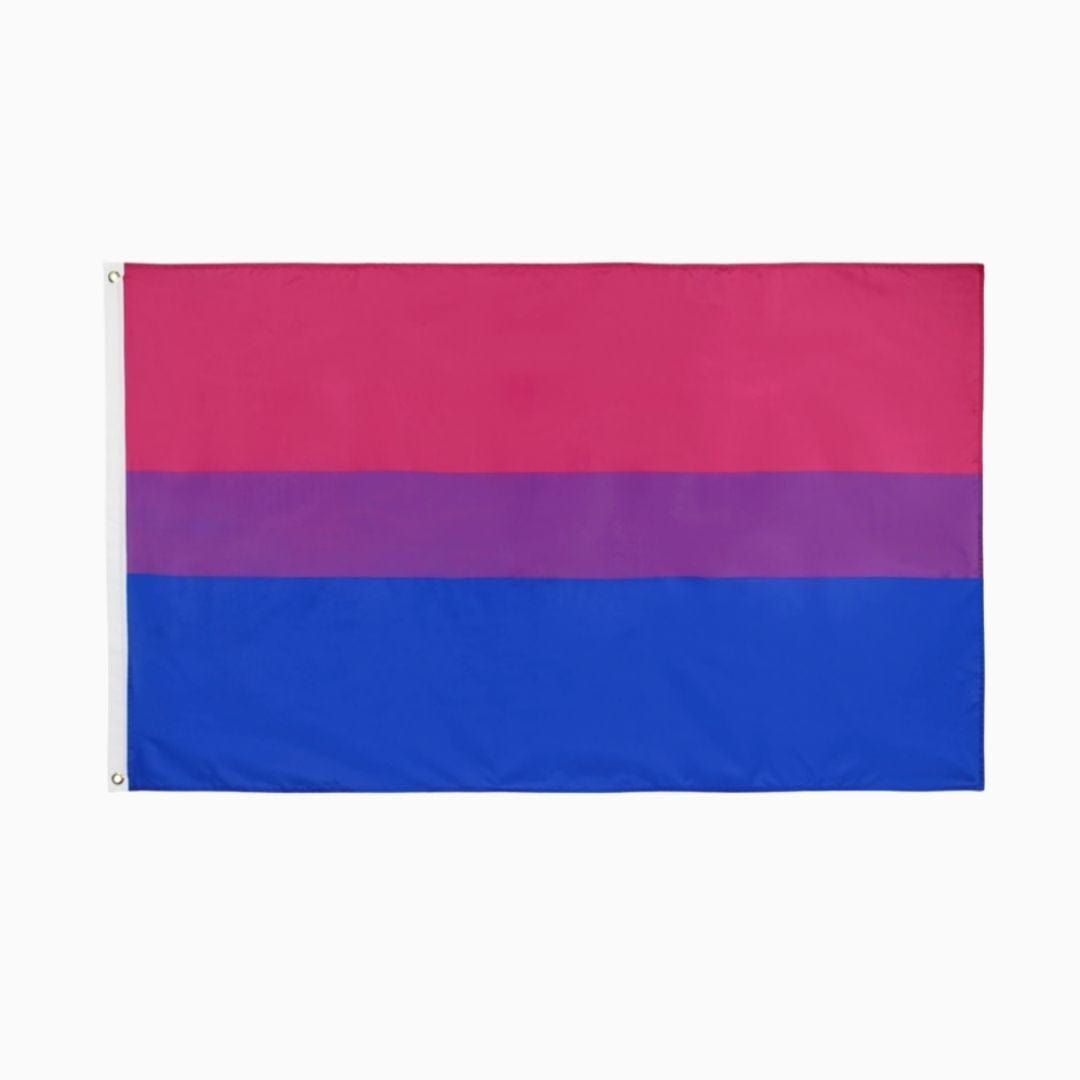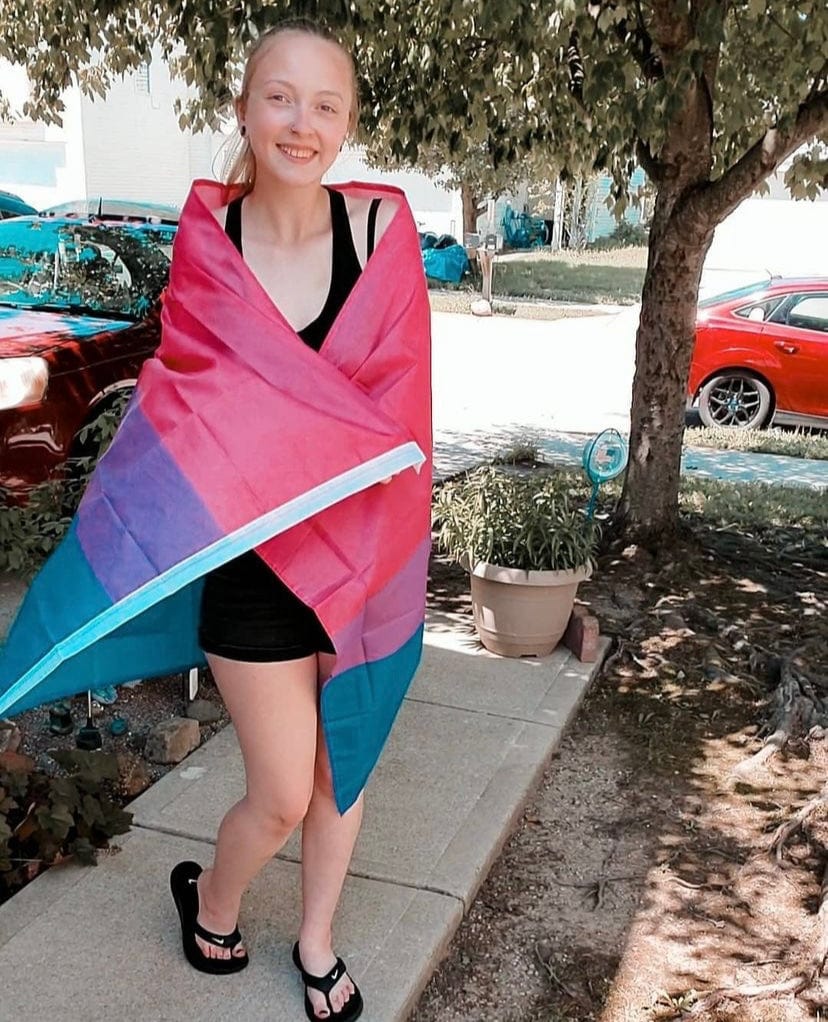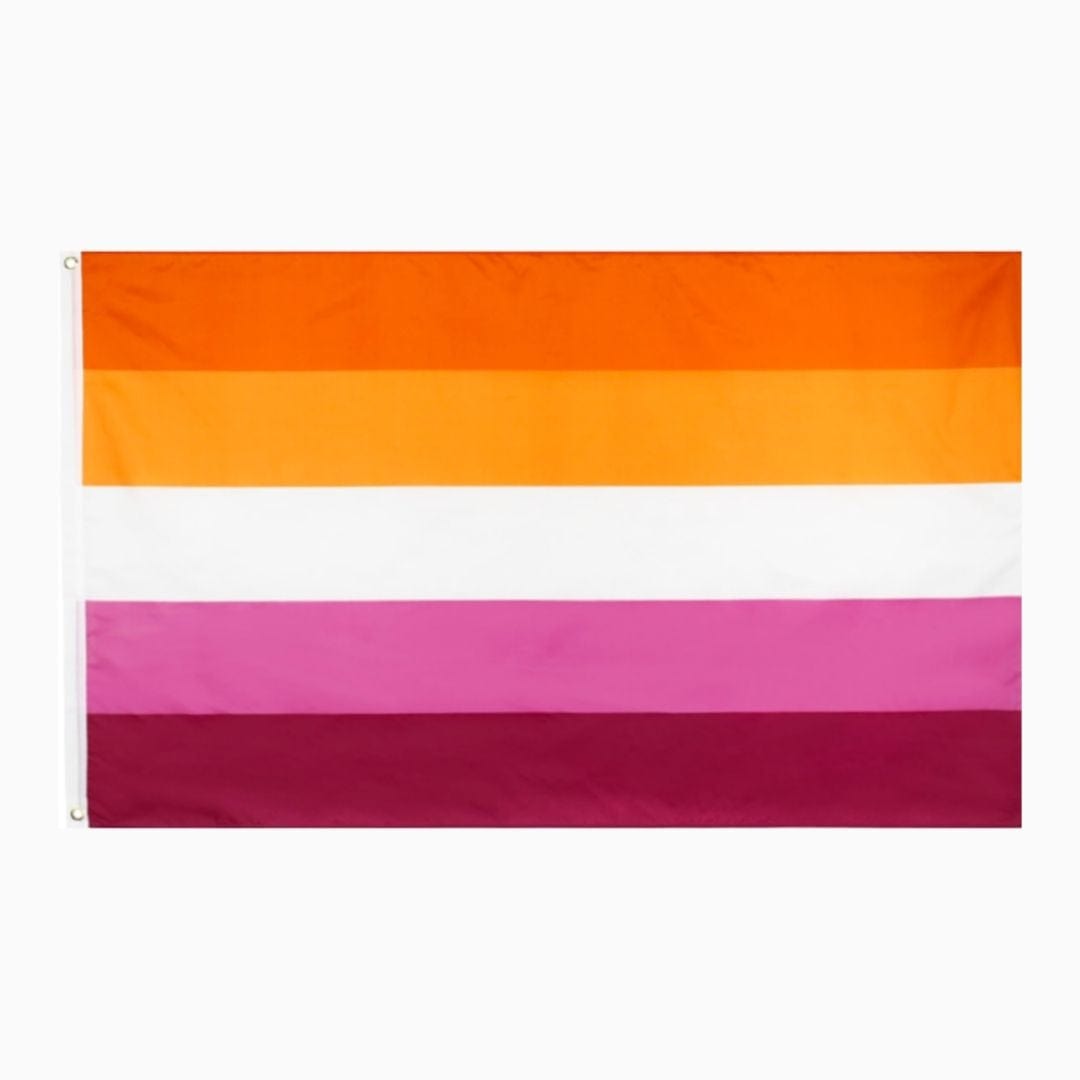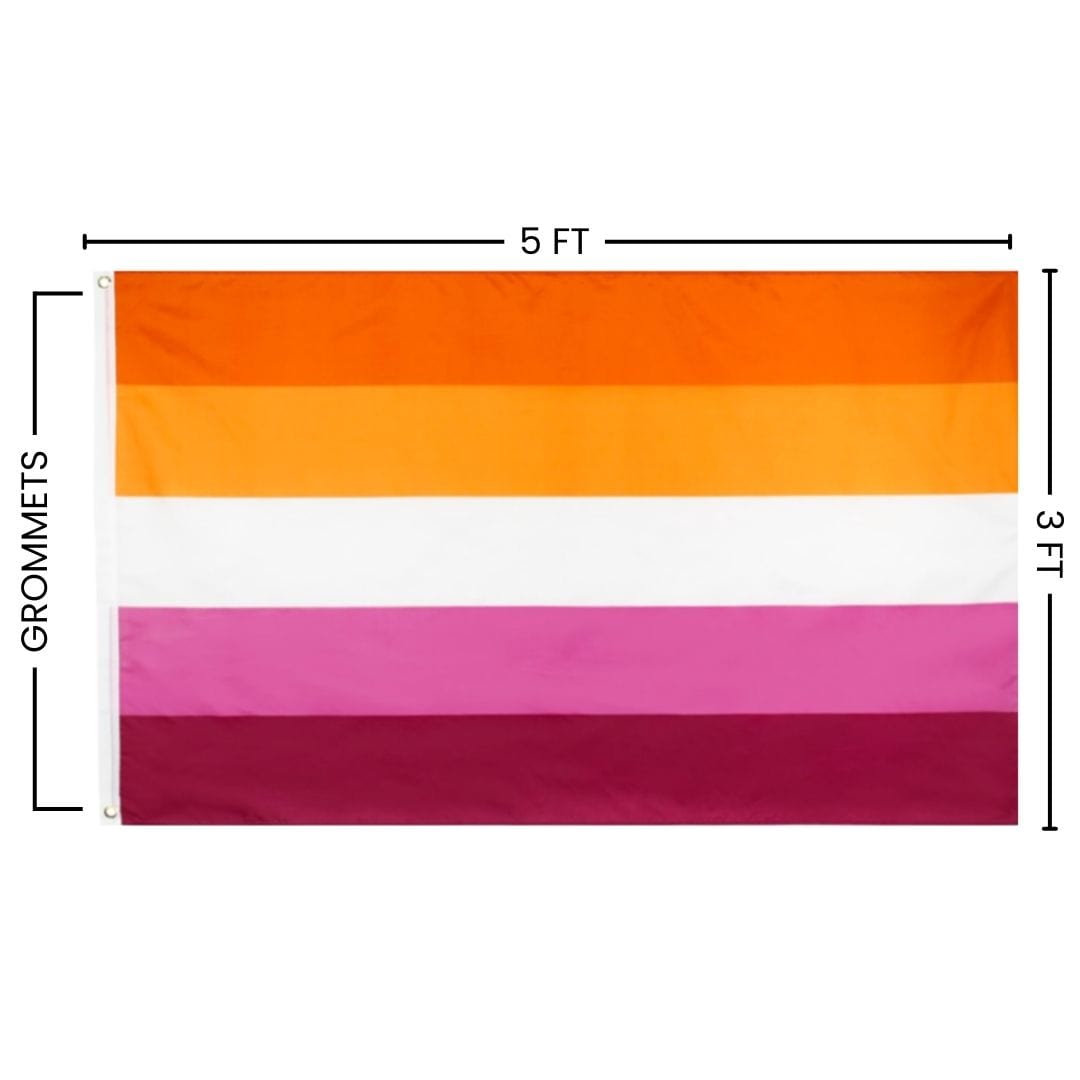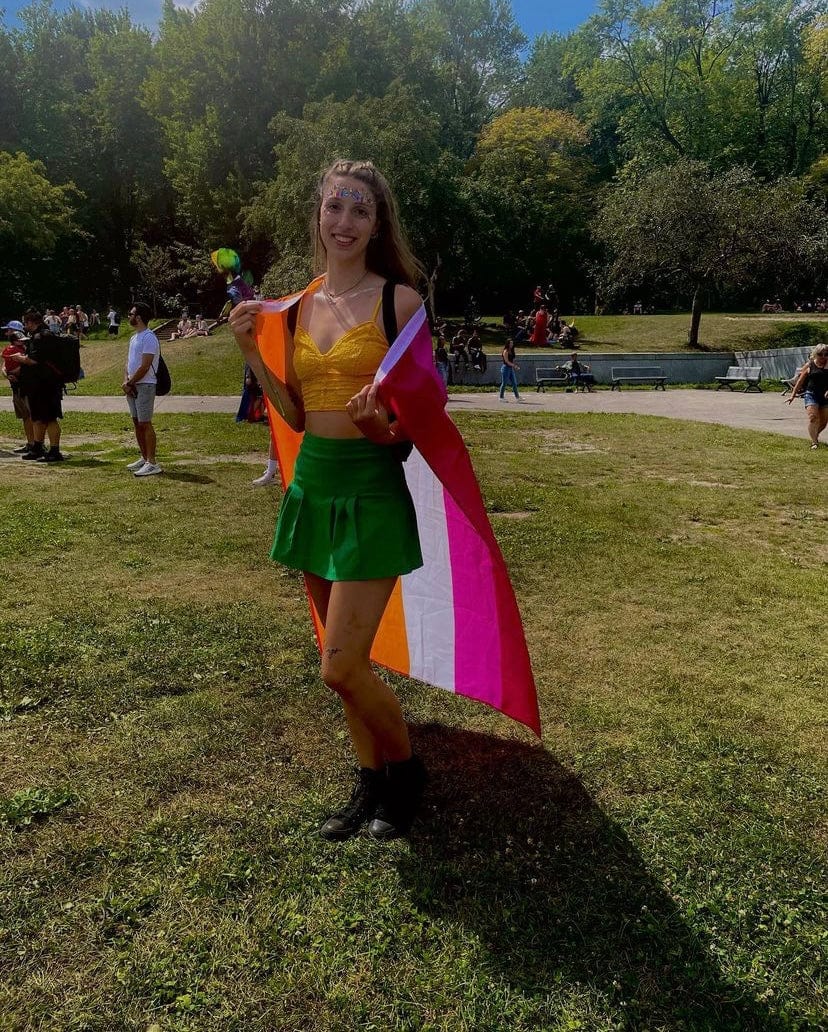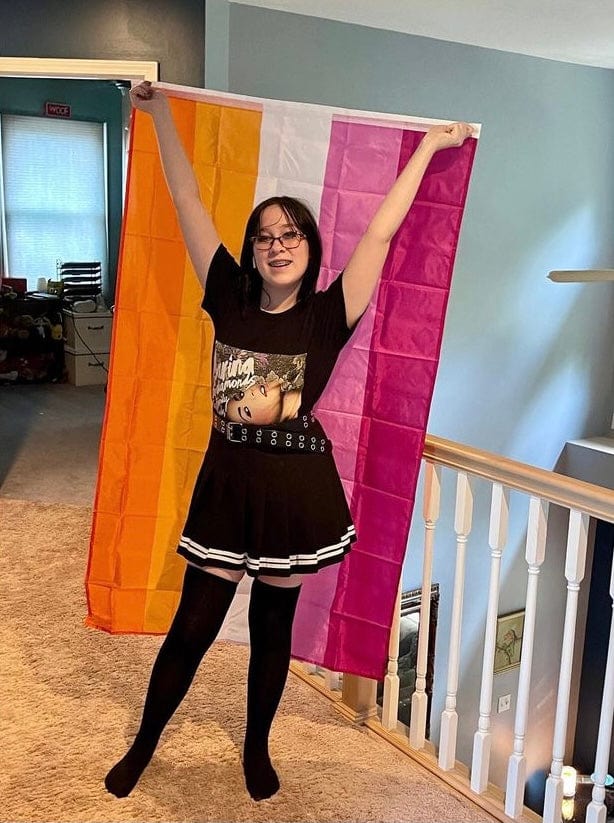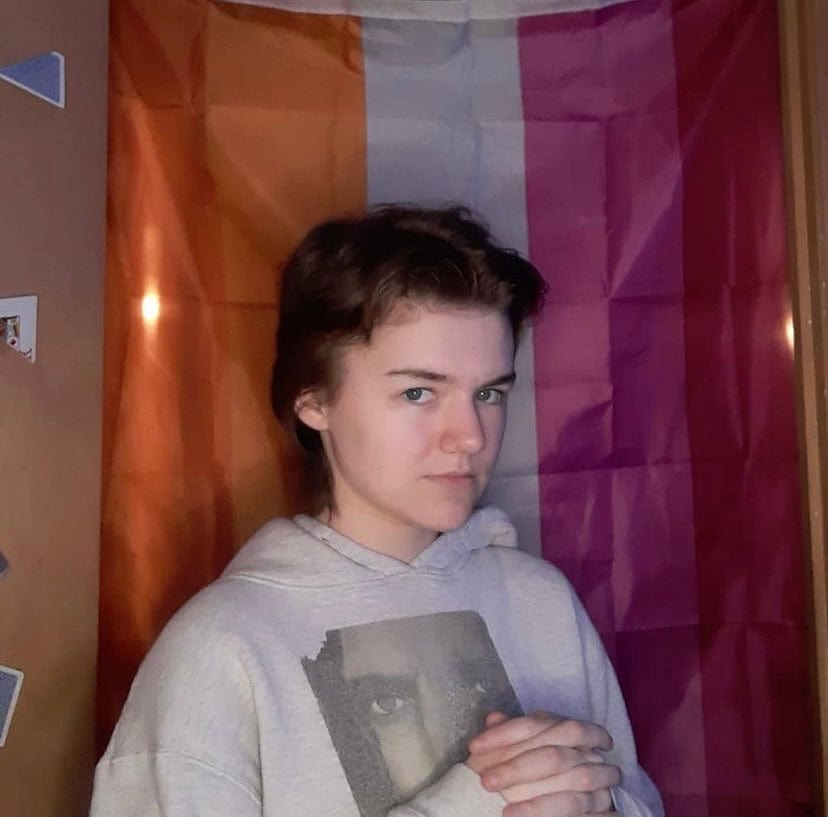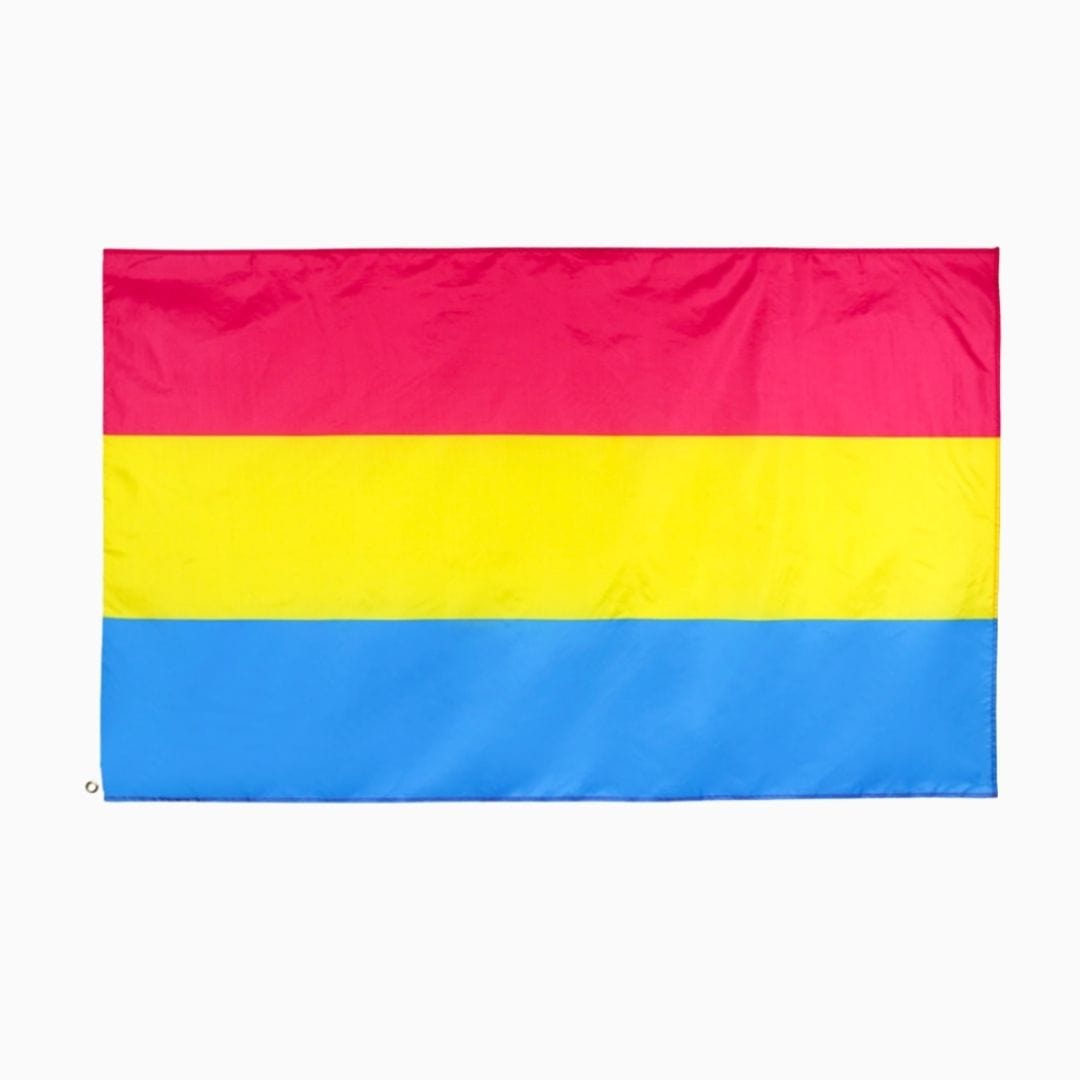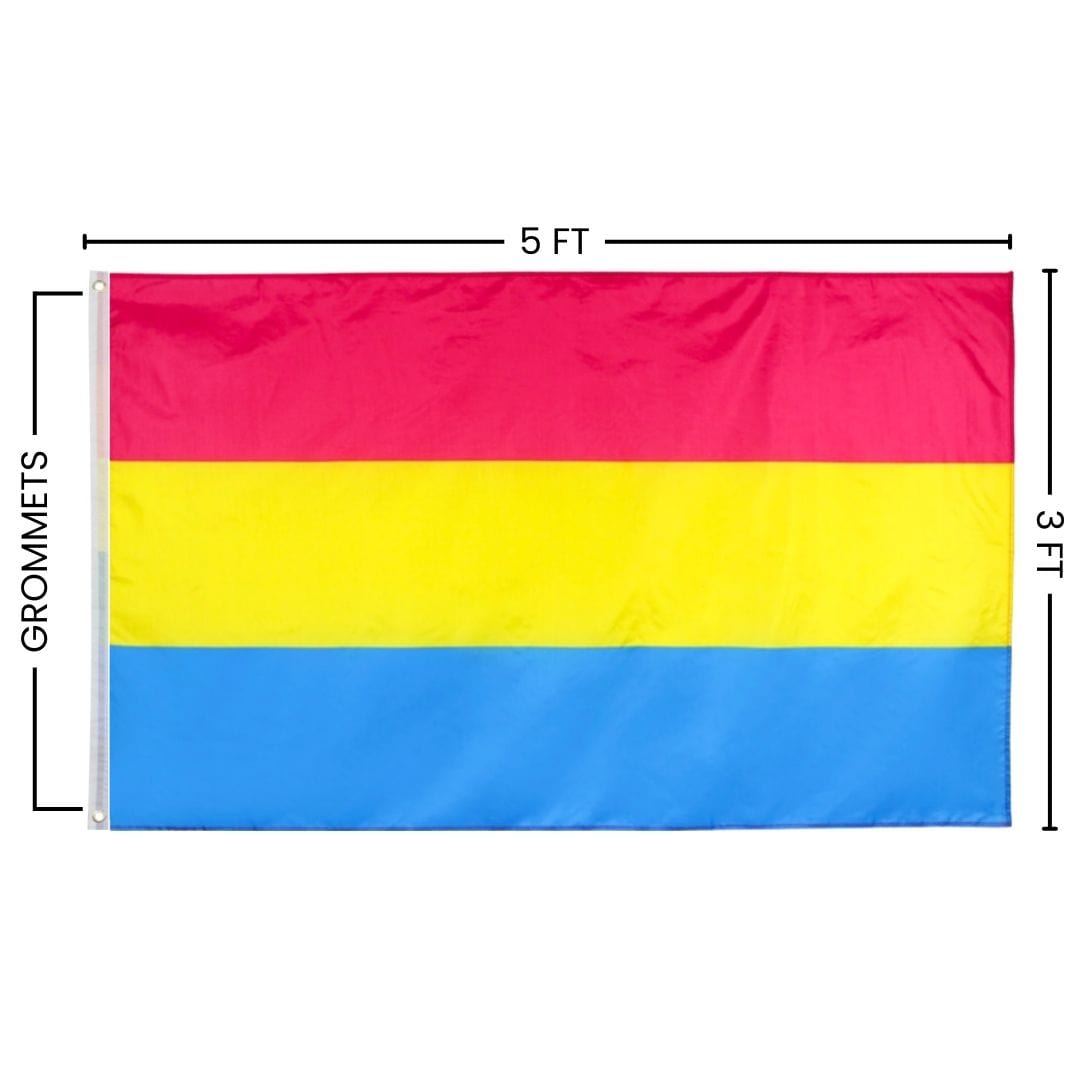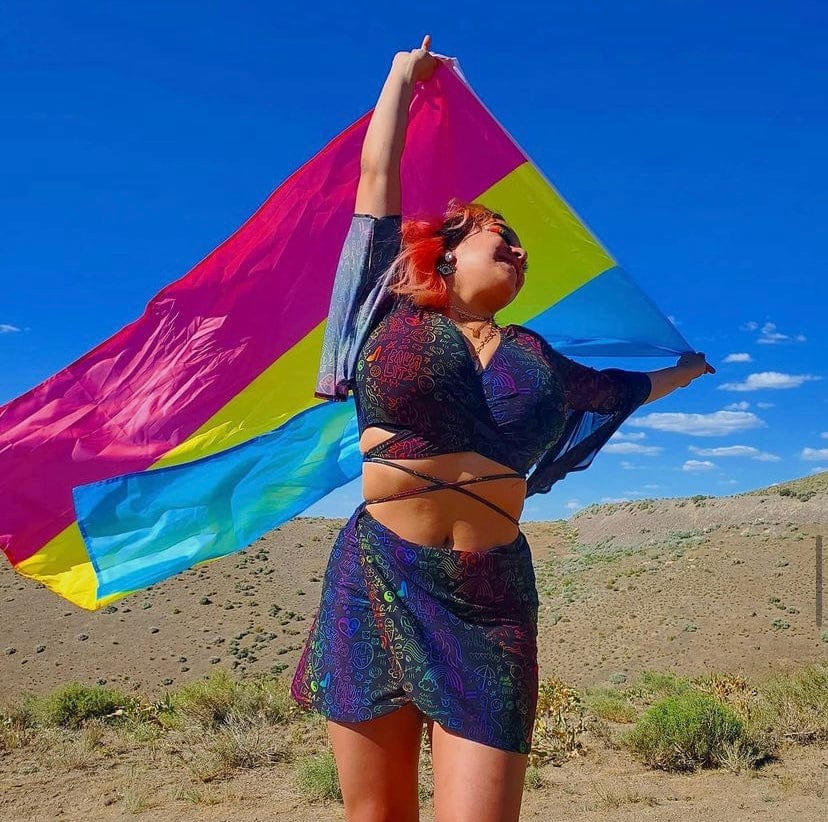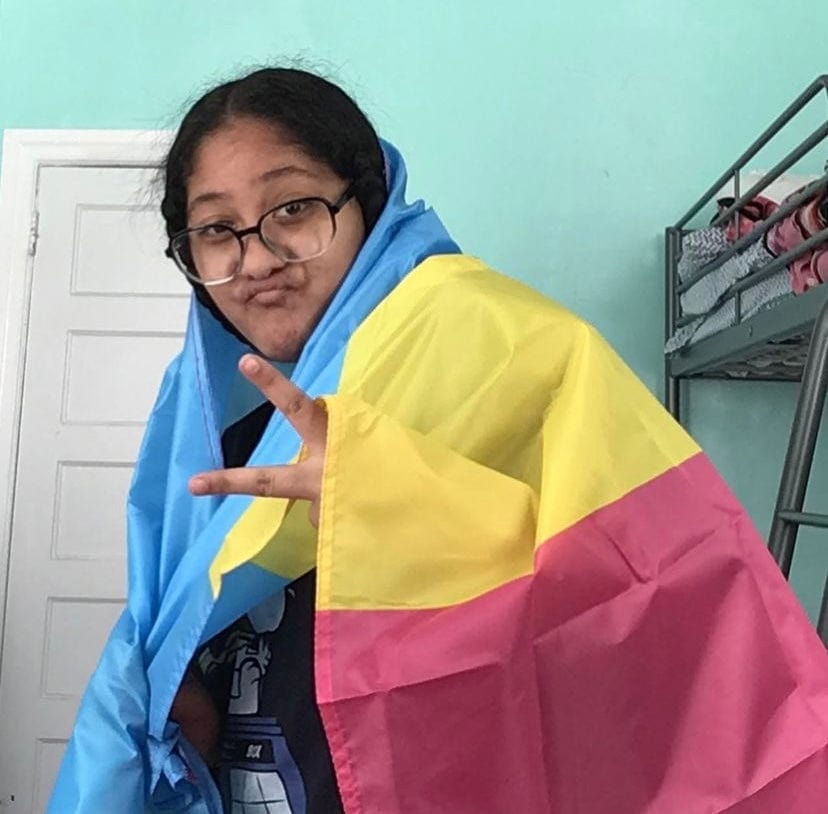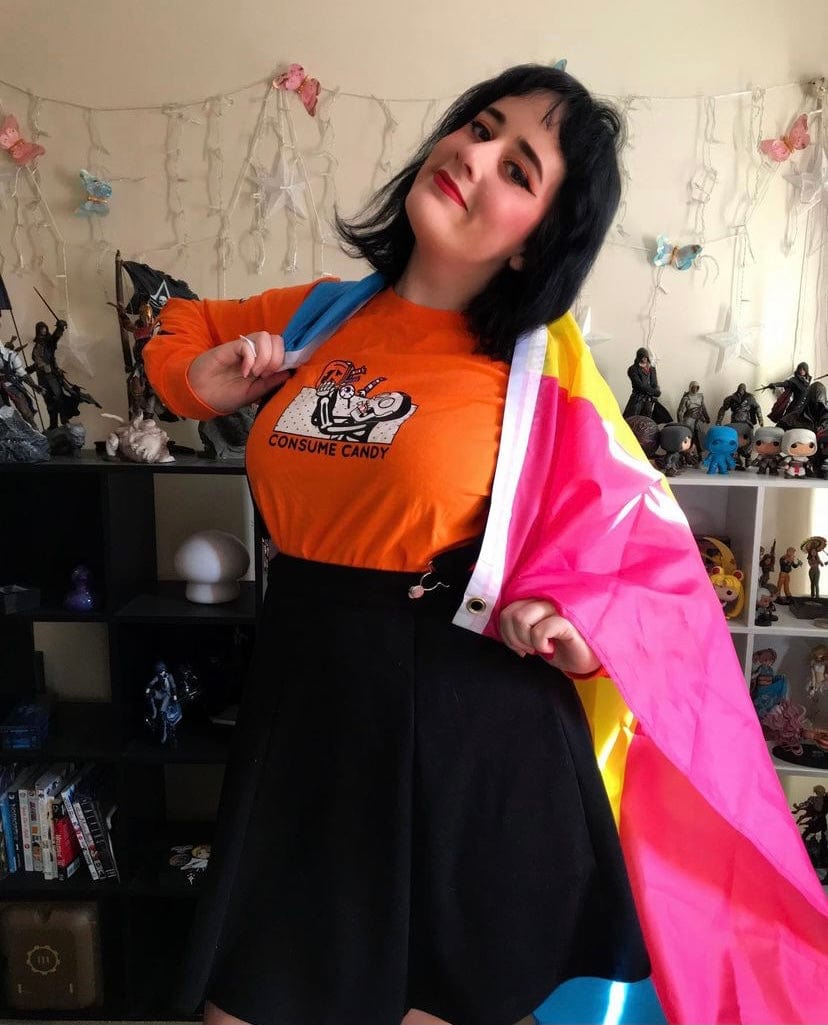

As LGBTQ+ visibility grows, so does curiosity, but also misinformation. Many queer identities are still misunderstood, leading to harmful stereotypes and confusion.
This guide breaks down some of the most common LGBTQ+ misconceptions and explains the truth behind identities like bisexual, pansexual, non-binary, asexual, and transgender.
If you're new to these terms, you might also want to read our LGBTQ+ Terms Everyone Should Know.
1. LGBTQ+ Identities Are Not a Heterosexual Man’s Fetish
One harmful misconception is the idea that queer identities, especially relationships between women, exist for the pleasure of heterosexual men.
LGBTQ+ people are not here to perform. Their identities and relationships are real, personal, and valid.
Reducing queer identities to a fetish erases real experiences and reinforces harmful stereotypes.
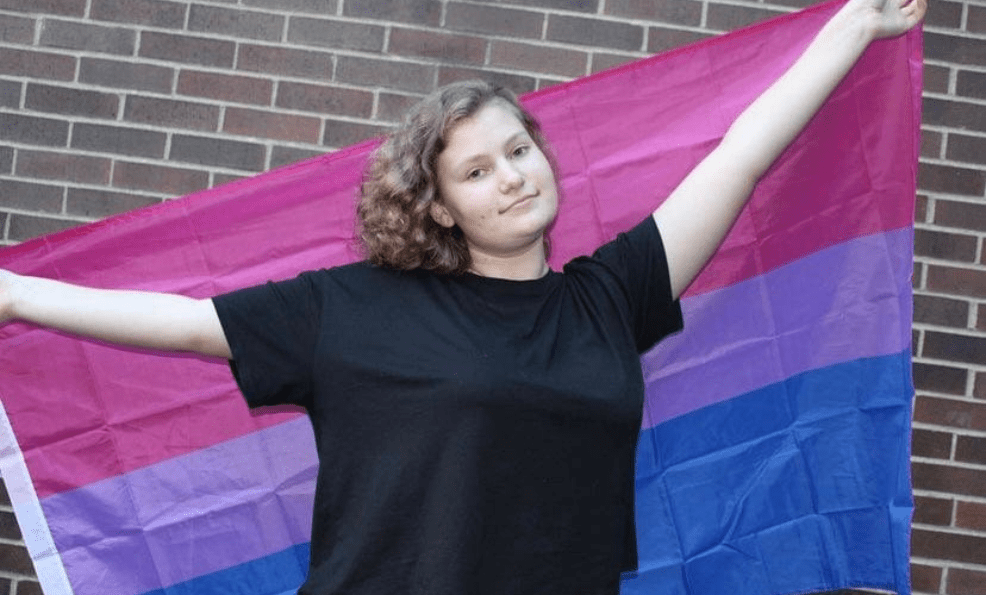
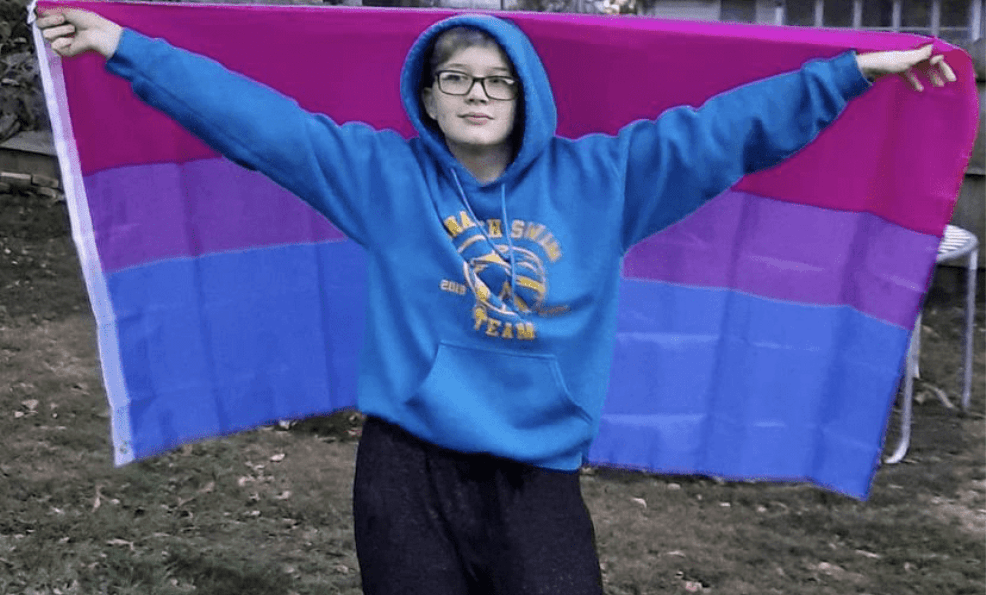
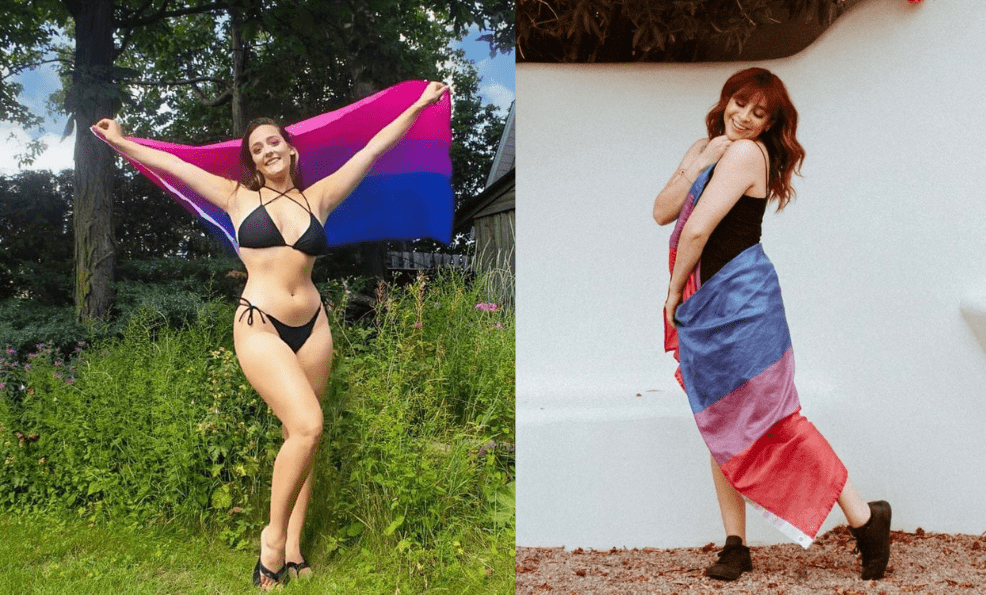
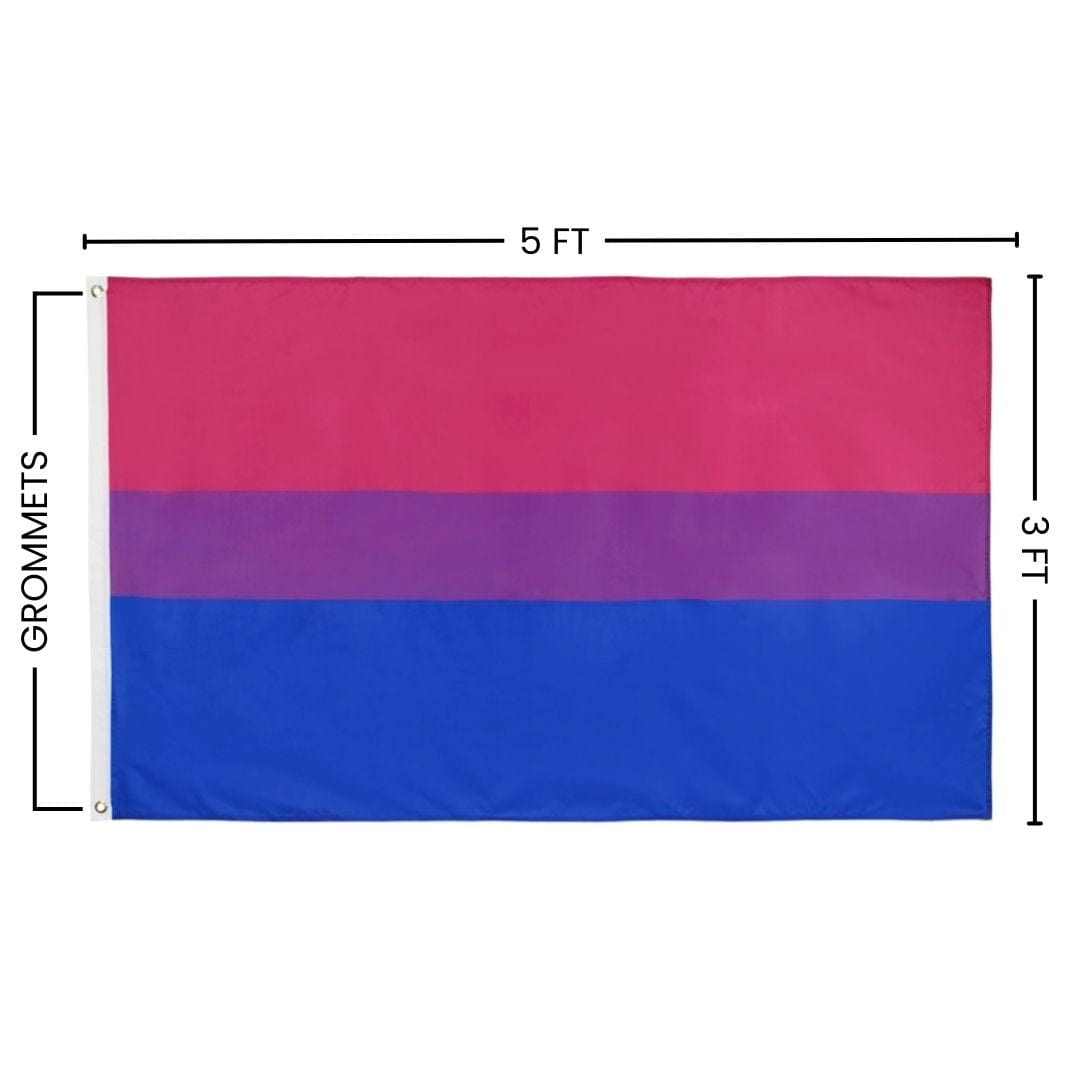
2. Bisexuality Is Not a Phase or Confusion
A common myth is that bisexual people are “confused” or “just going through a phase.”
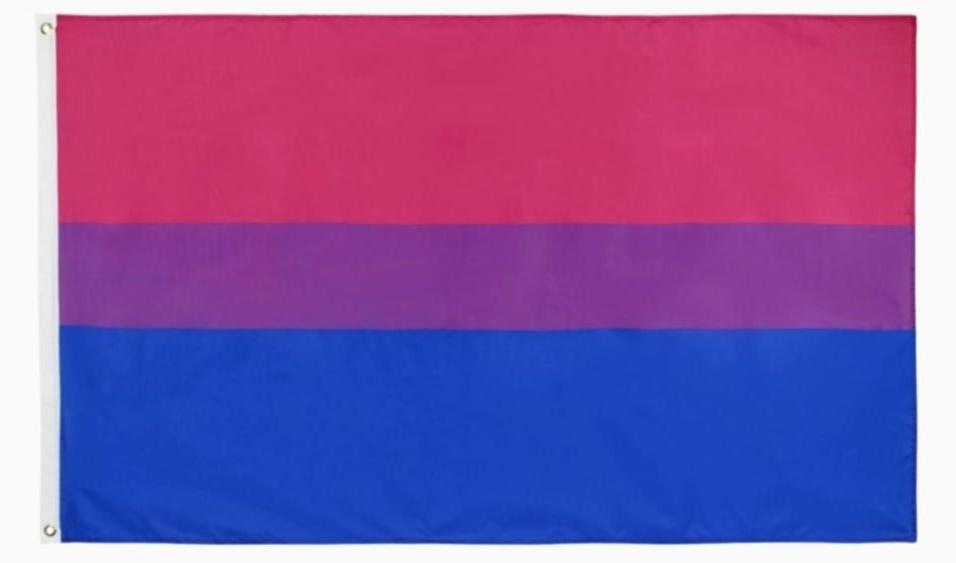
In reality, bisexuality is a valid sexual orientation. It means being attracted to more than one gender, not being undecided.
Who someone is currently dating does not define their identity.
Learn more about identity and belonging in our article You Don’t Have to “Look Queer” to Belong.
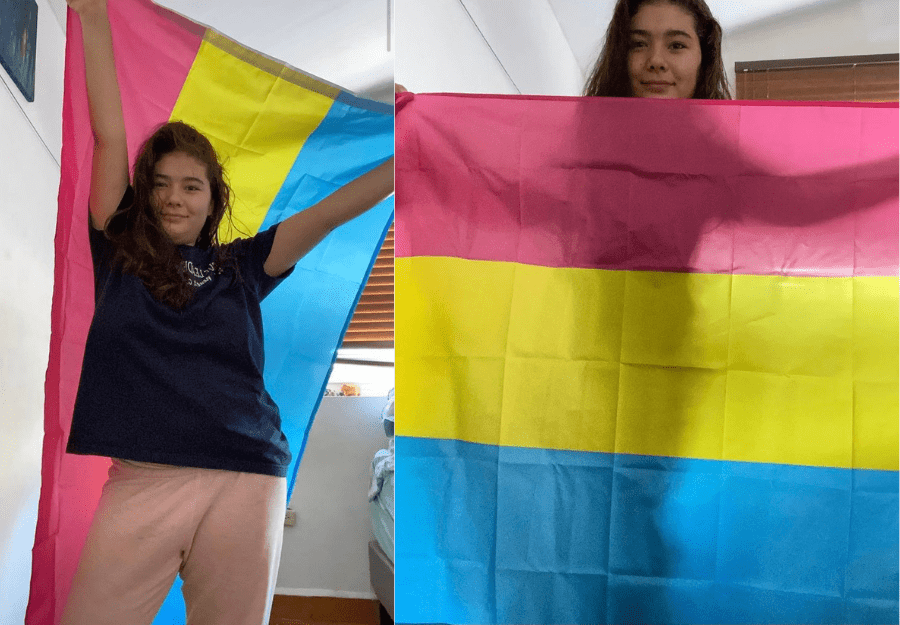
3. Pansexuality Is Real — and Not “Just Bisexuality”
Pansexuality is often dismissed as the same as bisexuality, but many people experience it differently.
Pansexual people may feel attraction regardless of gender, while bisexuality can mean attraction to multiple genders.
There can be overlap, but that doesn’t make either identity less valid.
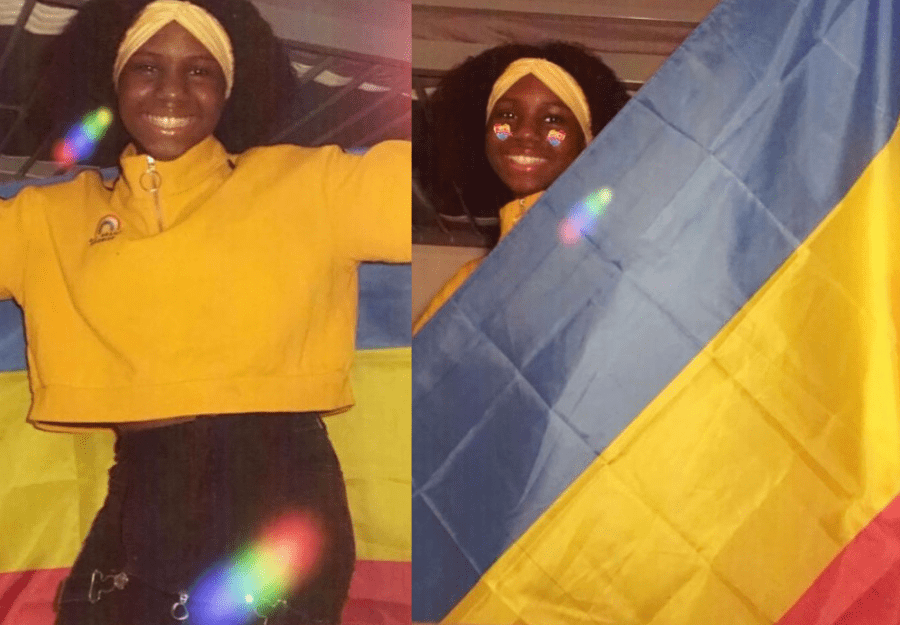
4. Deep Connections Don’t Have to Be Romantic
There is a misconception that all meaningful relationships must be romantic.
However, many people, including those on the aromantic spectrum, form deep, emotional, and committed connections without romantic attraction.
These relationships are just as real and valuable.
5. Gay Relationships Are Just as Real and Lasting
Same-gender relationships are sometimes seen as less serious or temporary. This is simply not true.
Gay relationships are just as meaningful, committed, and long-lasting as any other relationship.
Love is not defined by gender, it’s defined by connection.
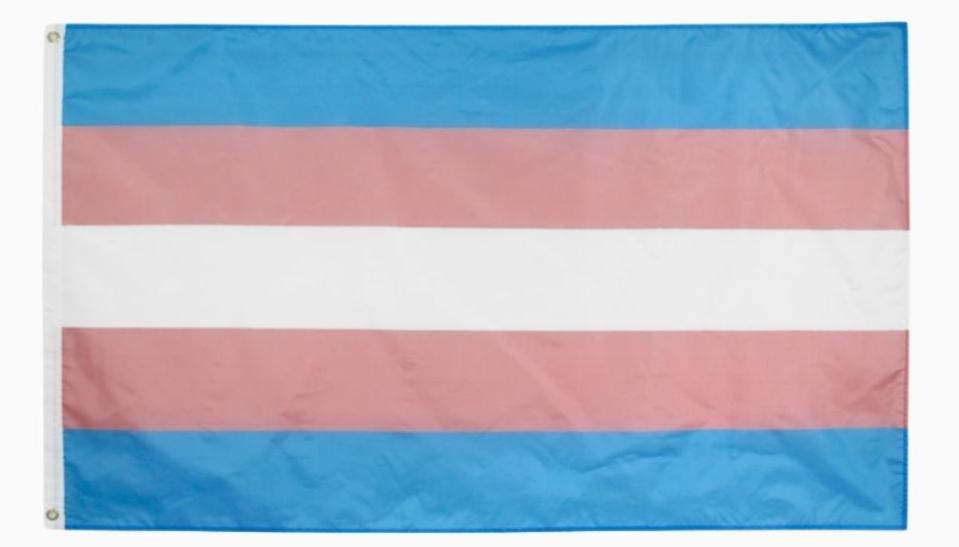
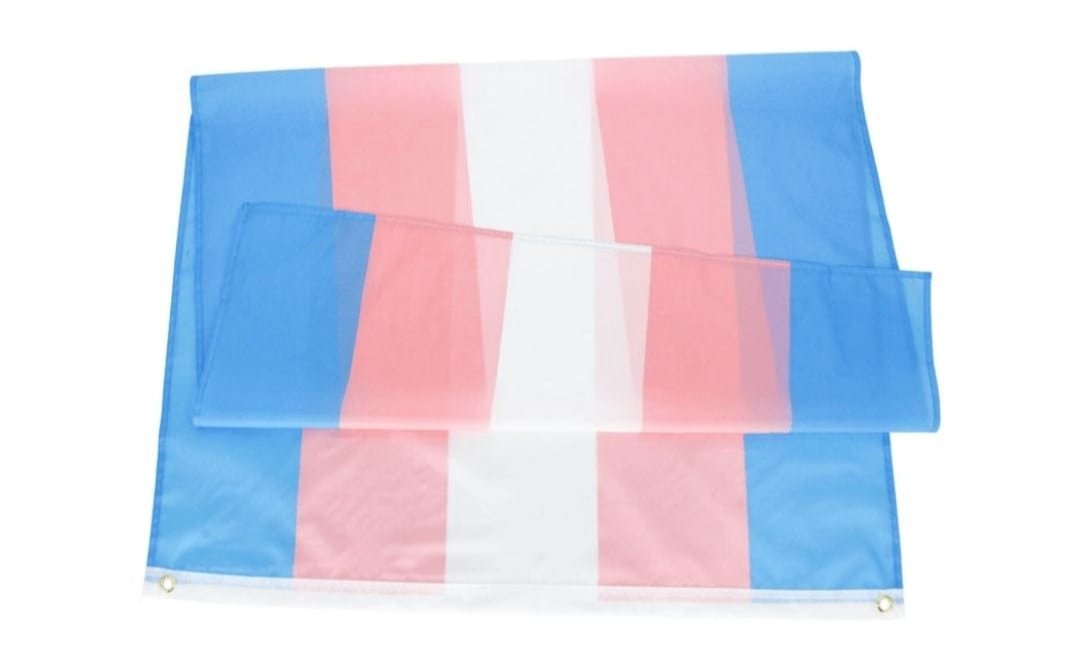
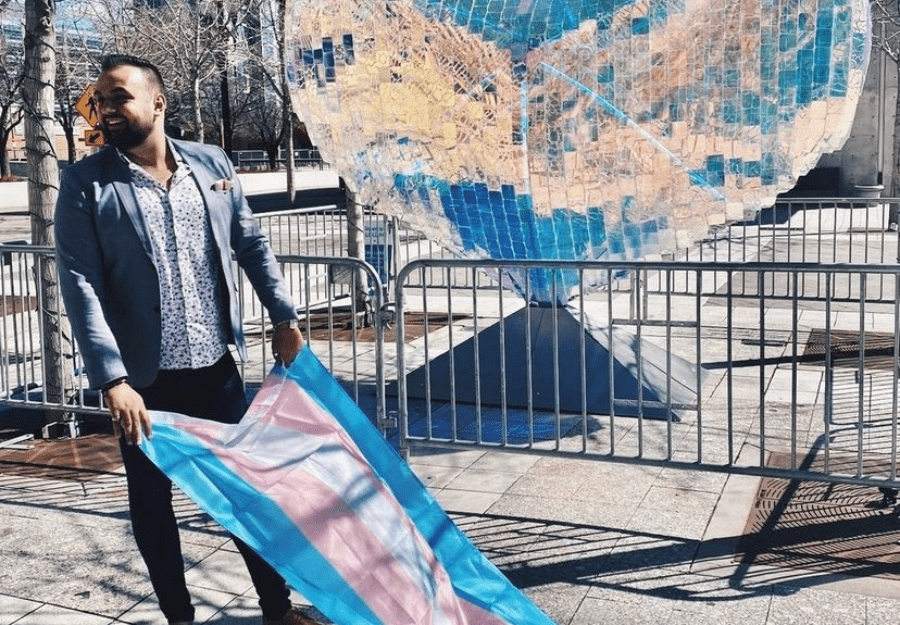
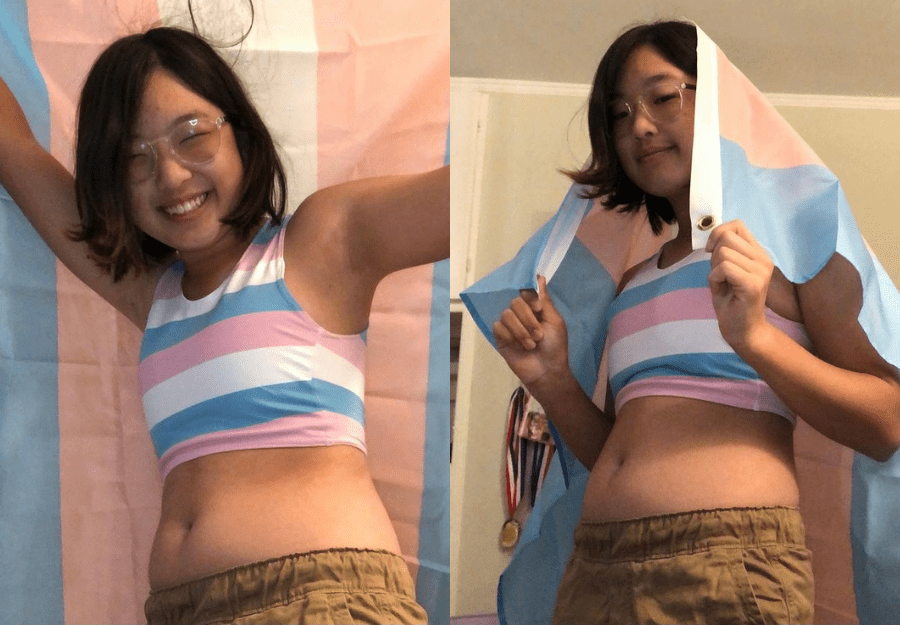
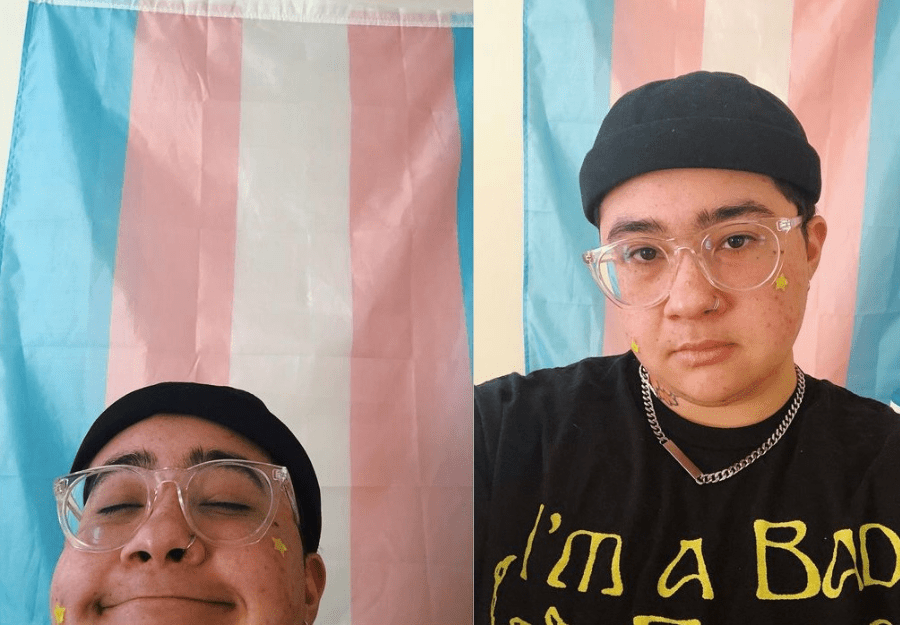
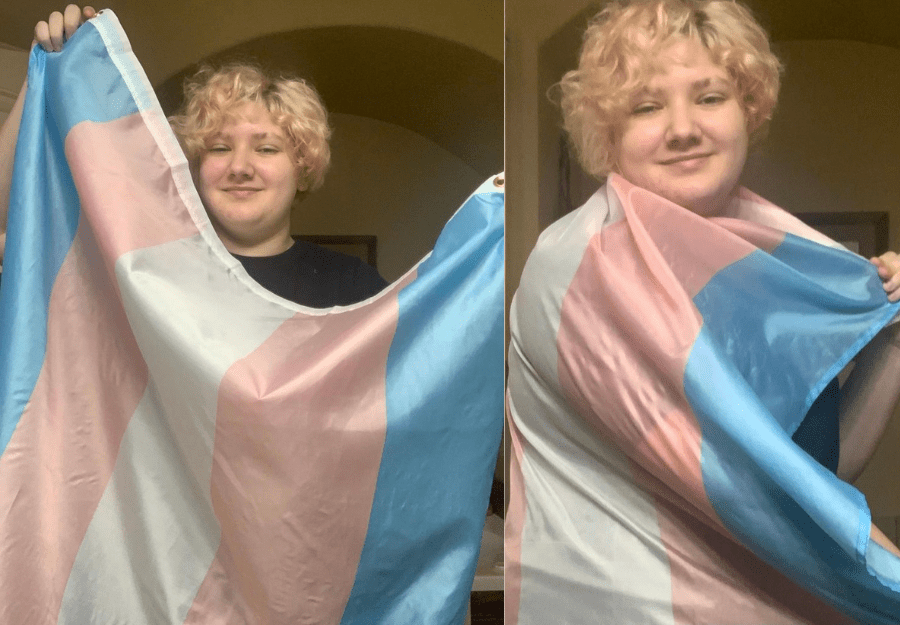
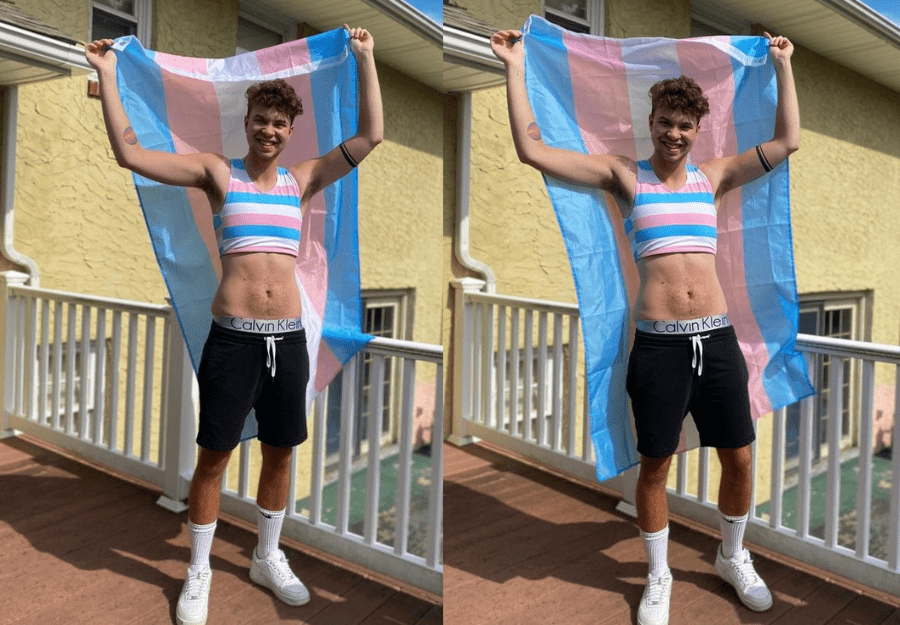
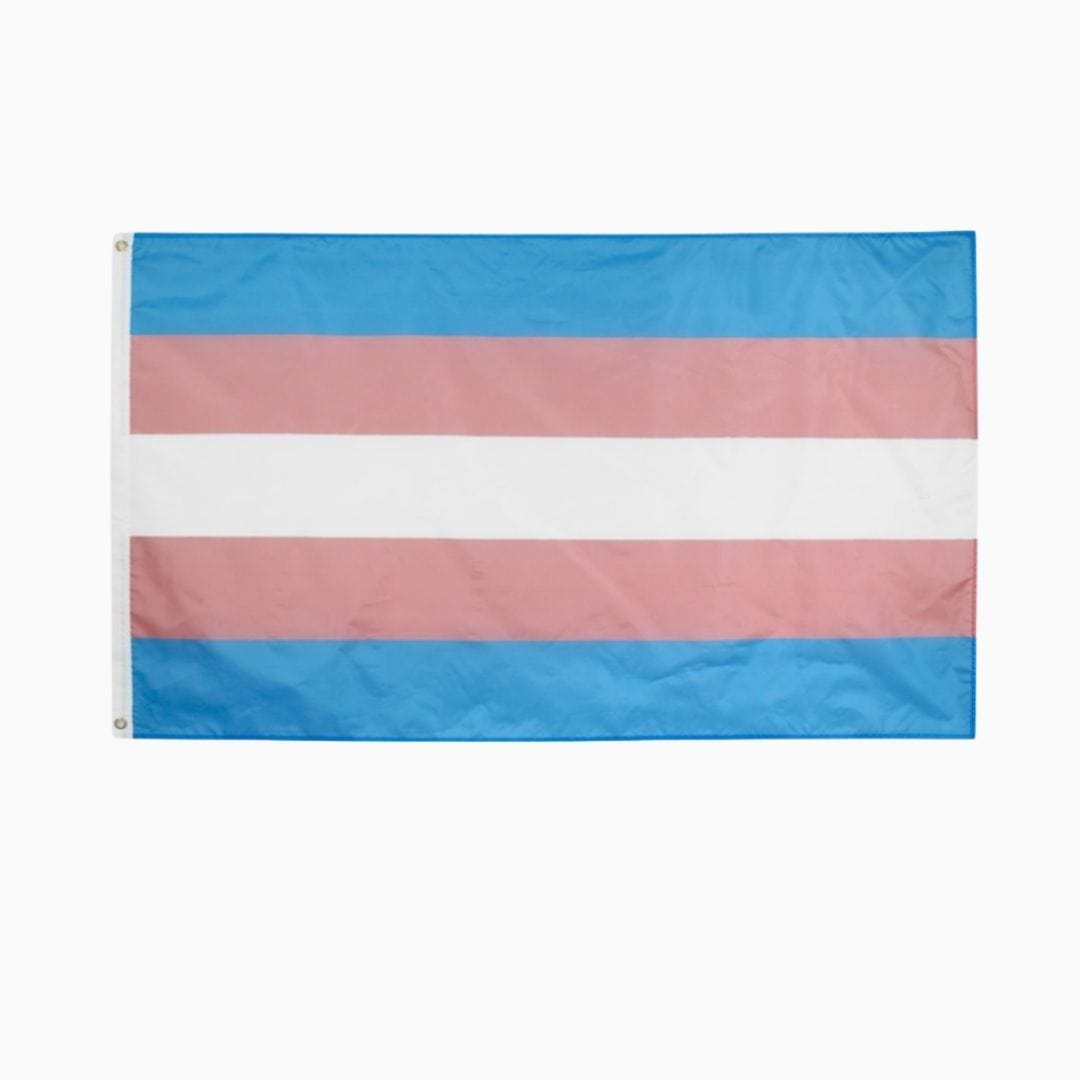
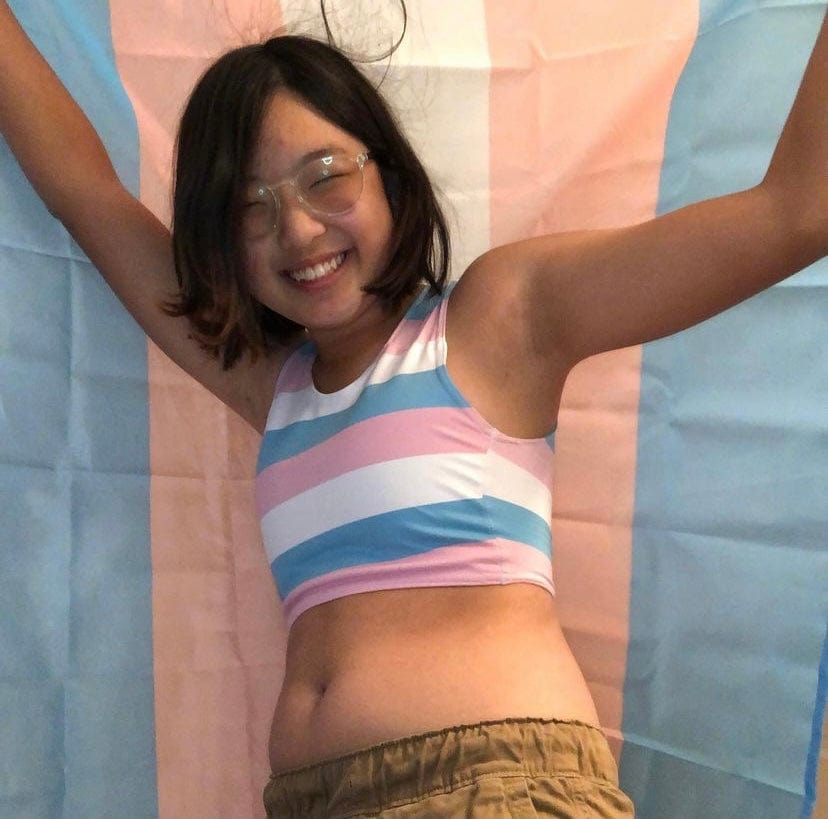
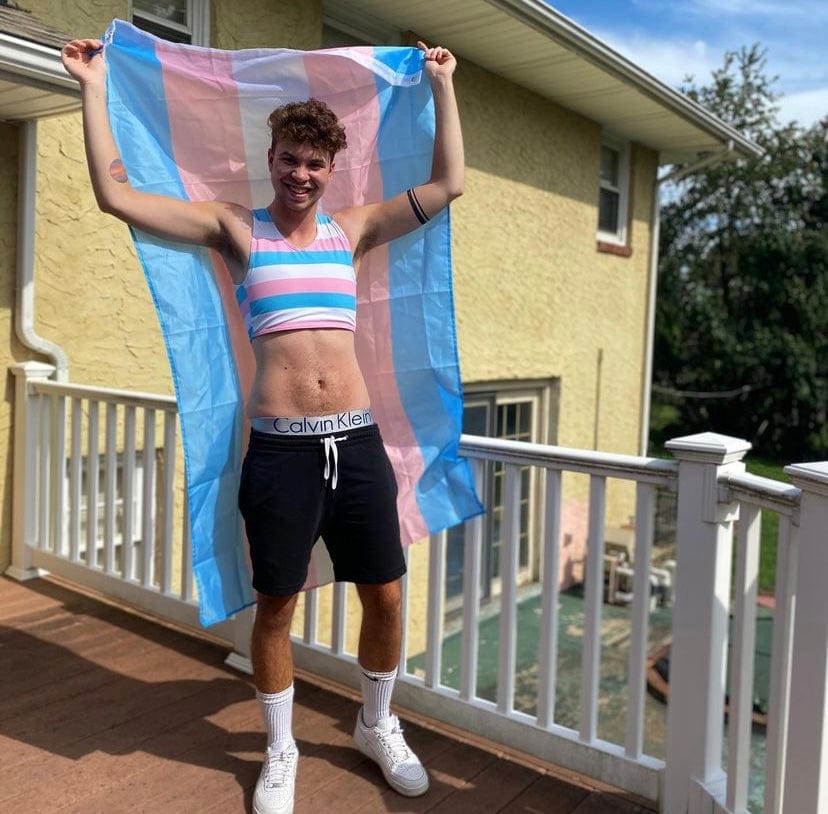
6. Trans People Are Human — Not an Ideology
Trans identities are often framed as a political debate instead of what they actually are: human experiences.
Being transgender is about identity, not ideology. It reflects a person’s understanding of their own gender.
Respecting trans people starts with recognizing their humanity and using correct language. Learn more in our guide on How to Use Correct Pronouns.
7. LGBTQ+ Identities Are a Natural Part of Human Diversity
Queer identities are not new or unnatural. They have existed across cultures and throughout history.
Sexual orientation and gender identity are natural variations in humanity.
Understanding this helps shift the conversation from judgment to acceptance.
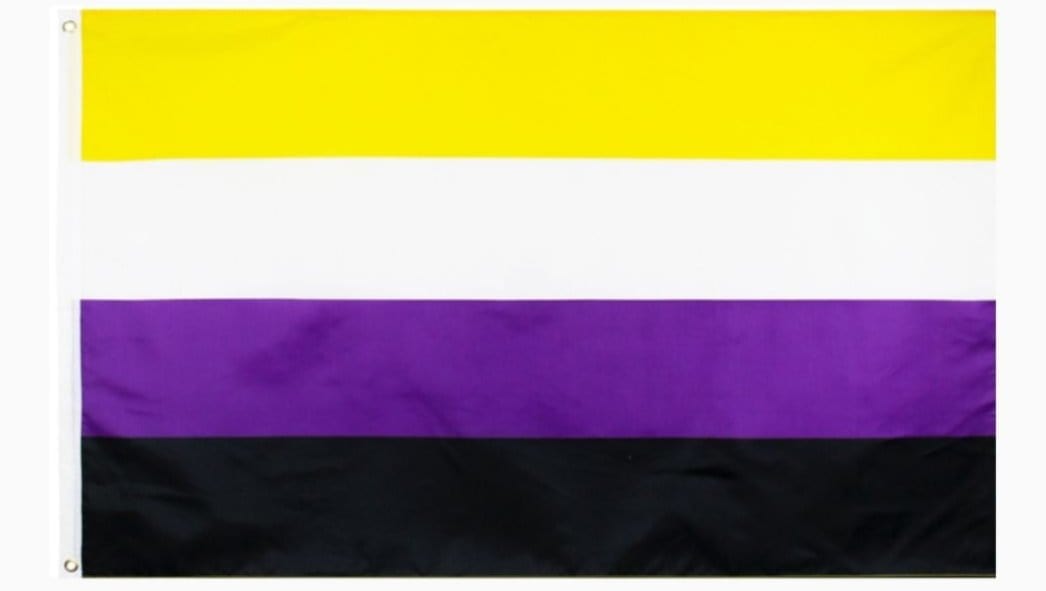
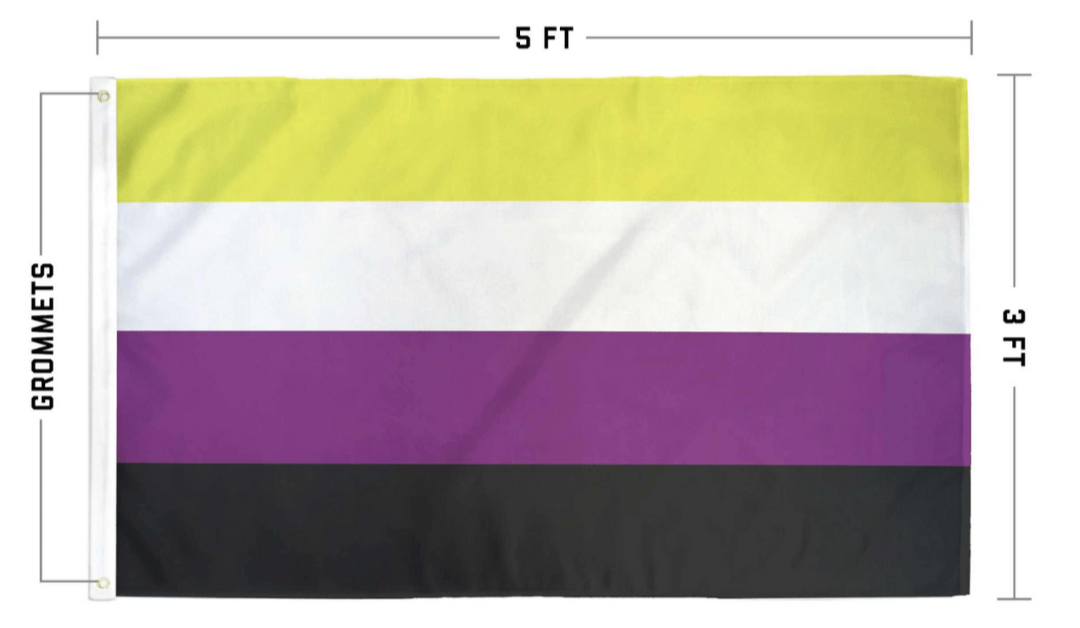
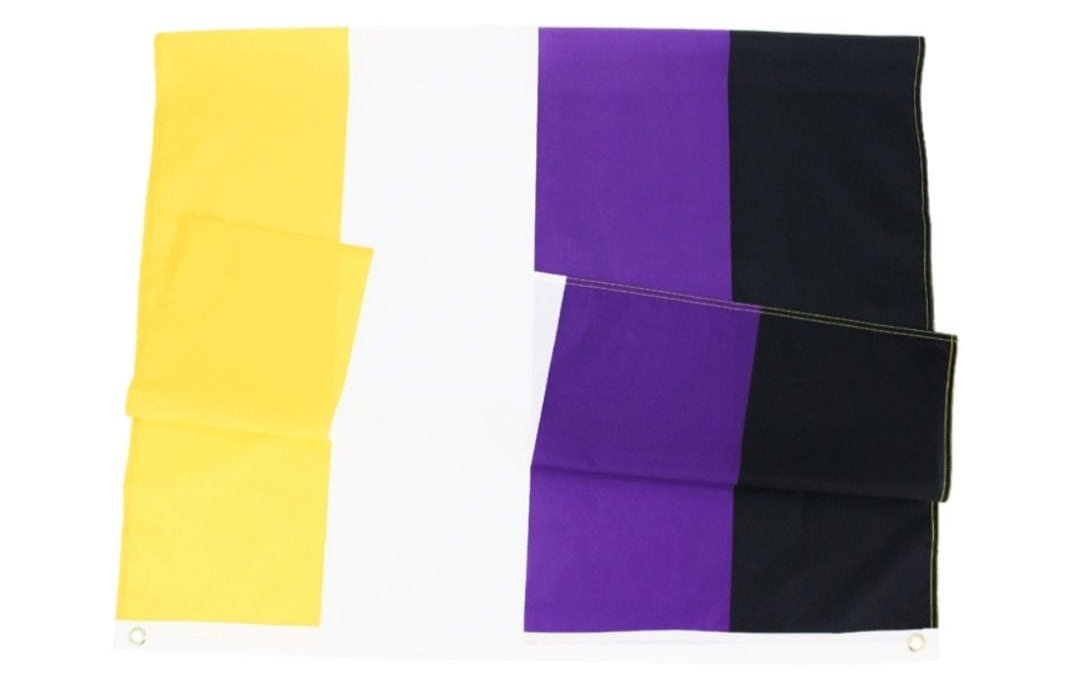
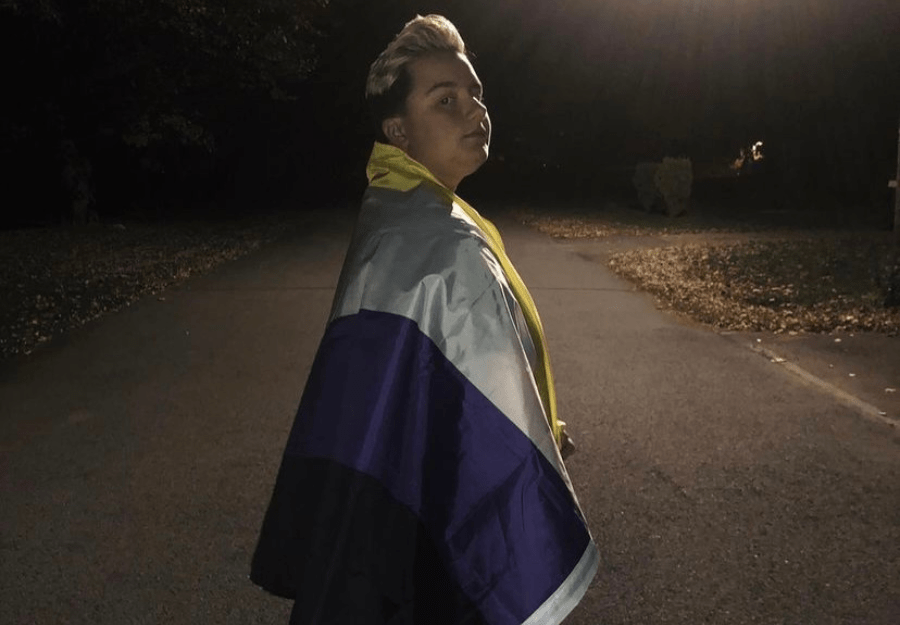
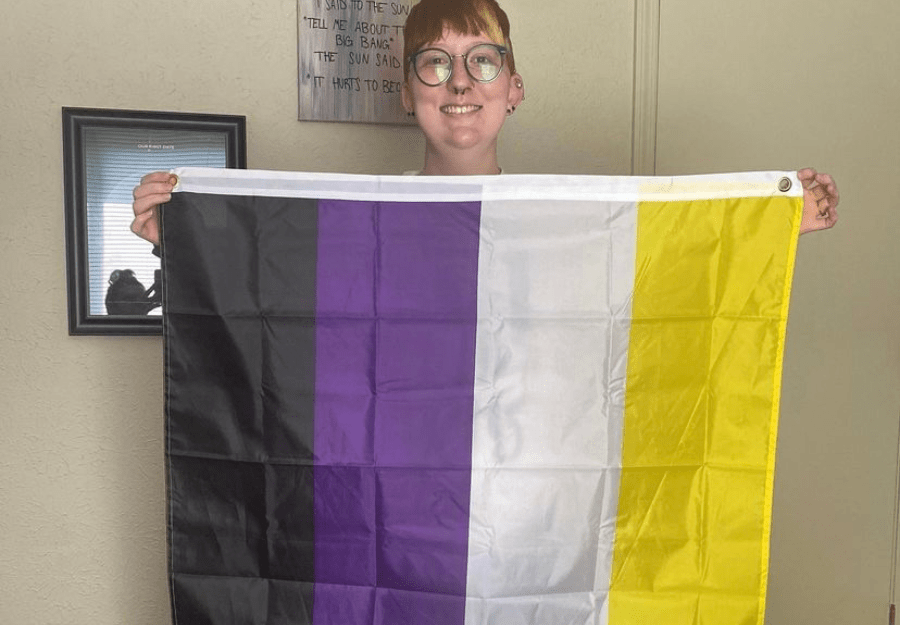
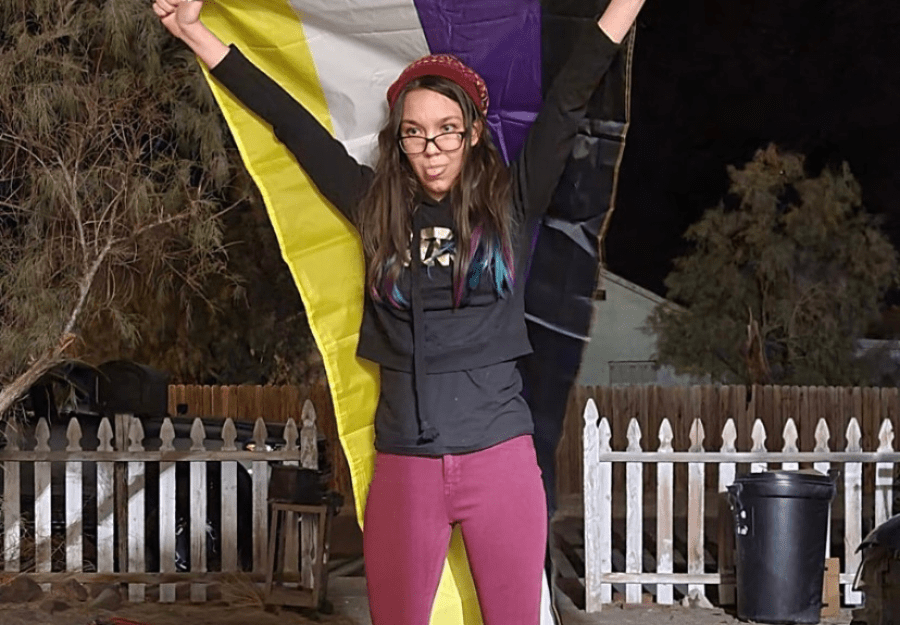
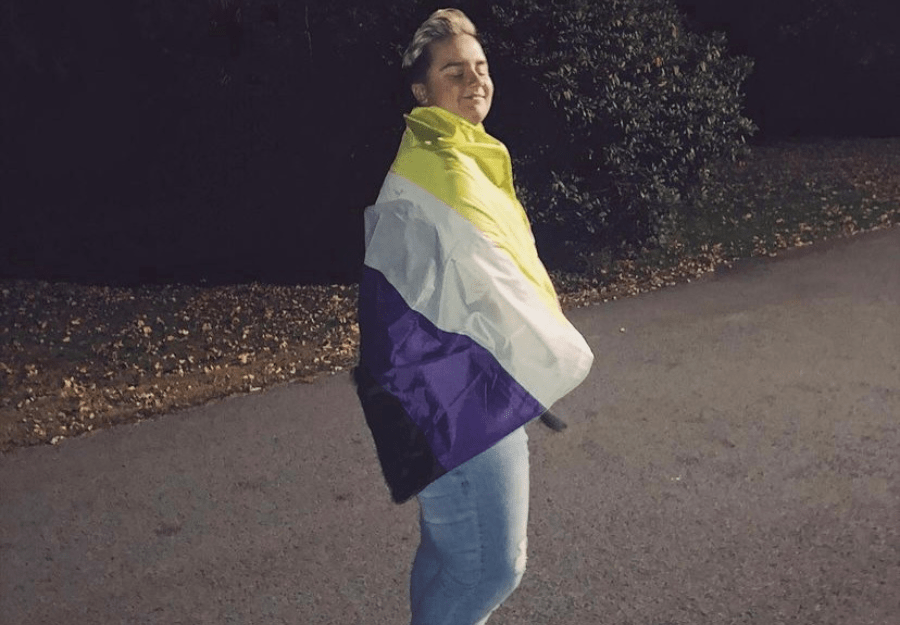
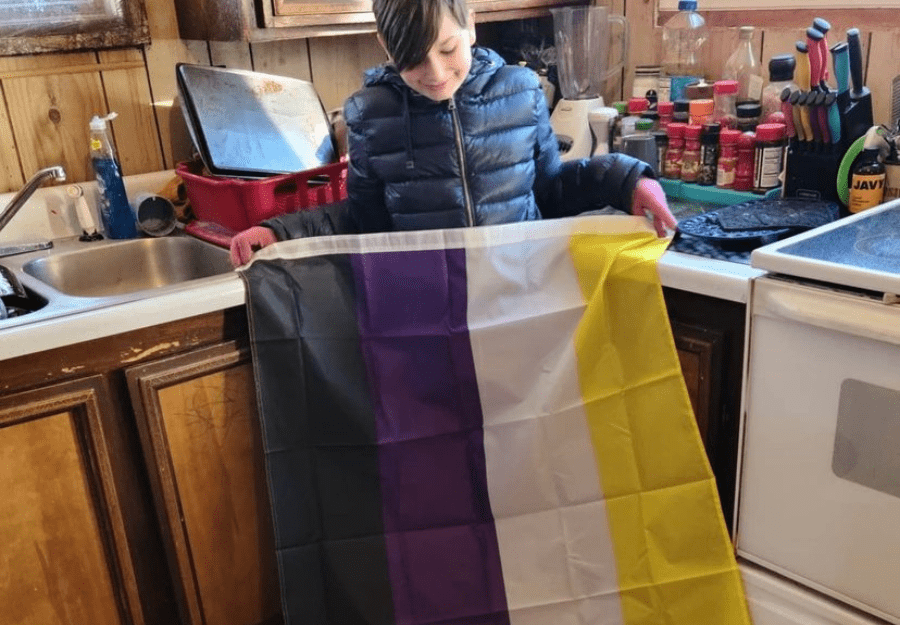
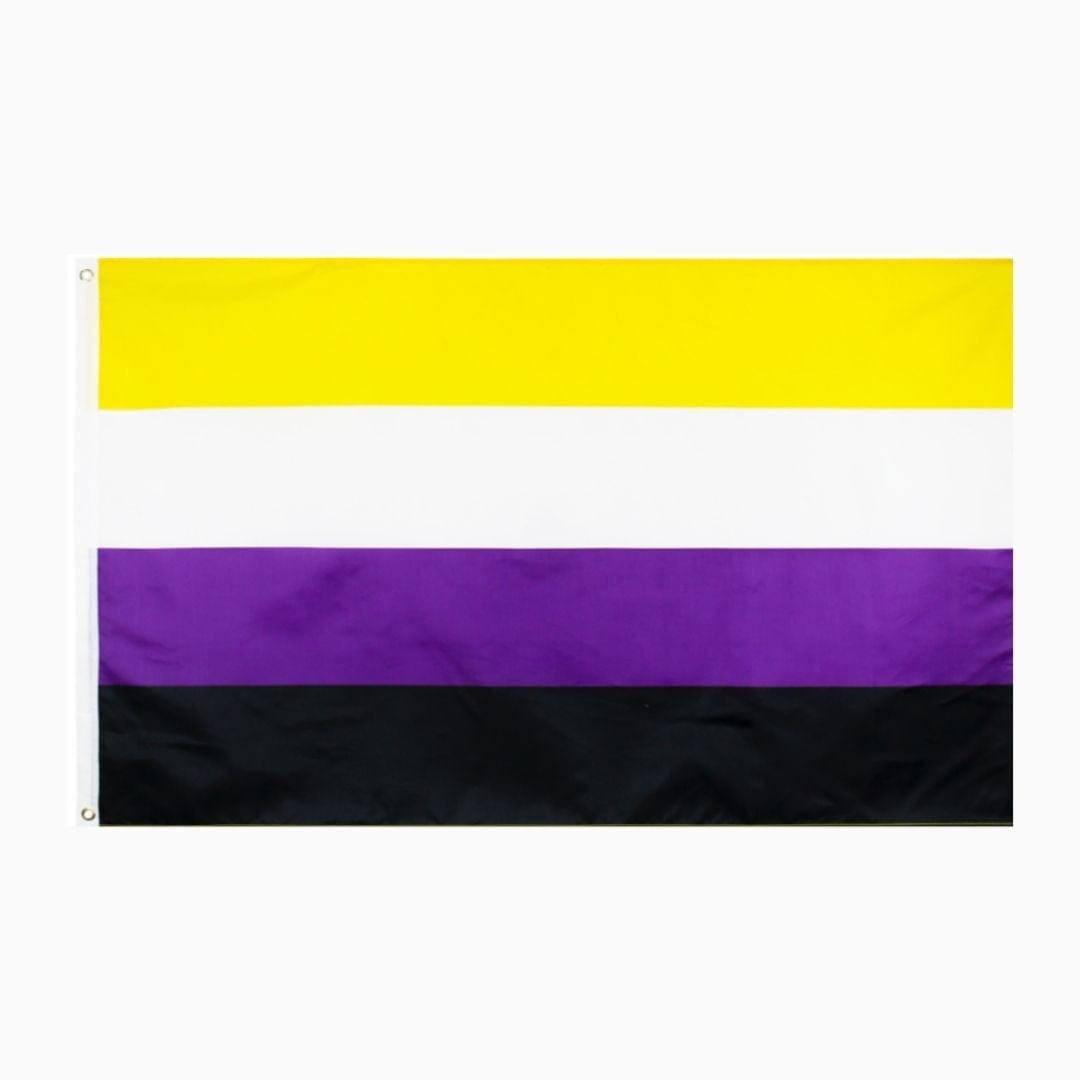
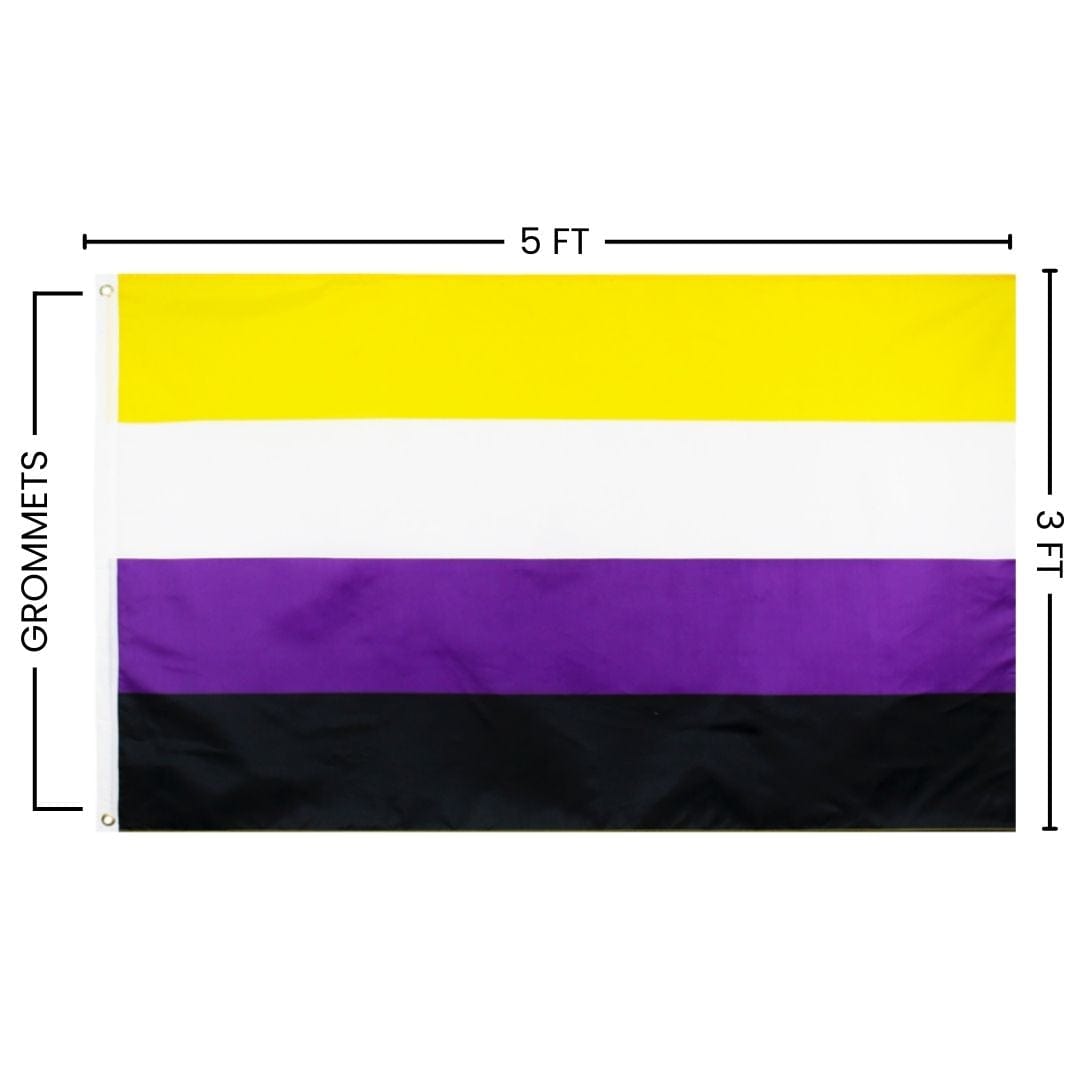
8. Non-Binary Is Not “Both Genders” or a Trend
Non-binary identities are often misunderstood as being “both male and female” or dismissed as a trend.
Non-binary is an umbrella term for identities outside the traditional male/female binary.
It’s not about “both,” and it’s not a phase — it’s a valid identity.
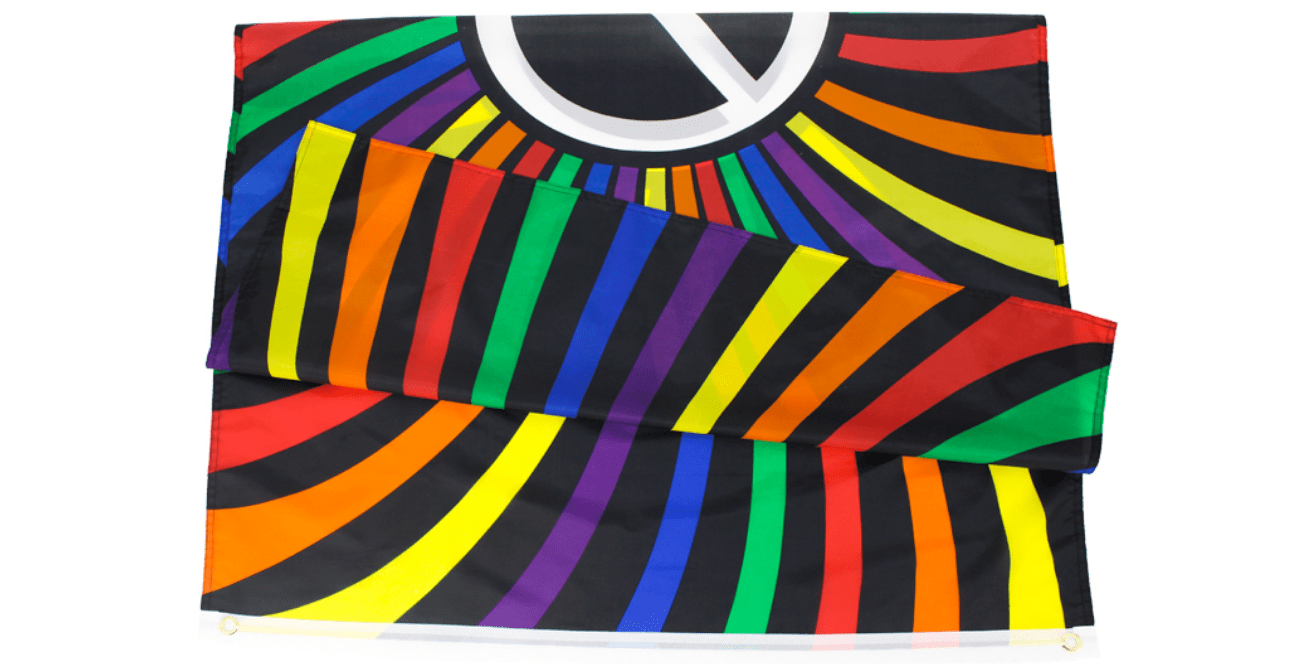
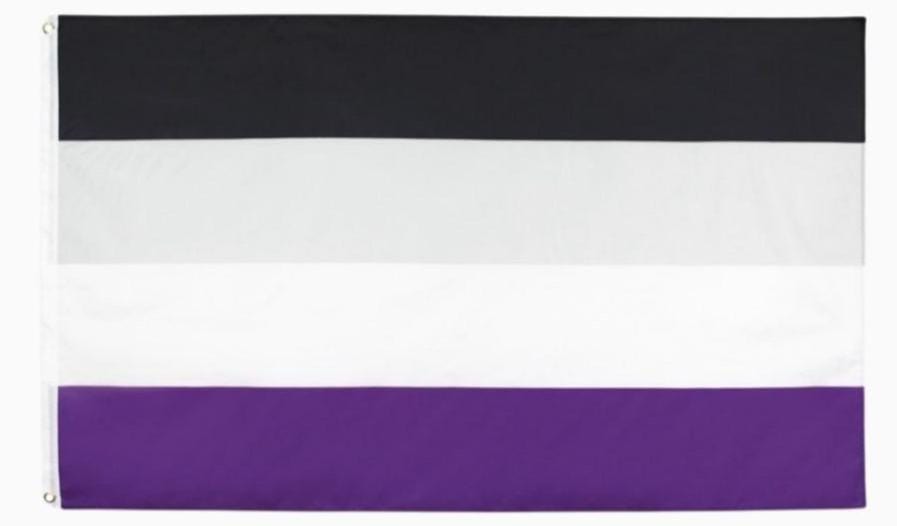
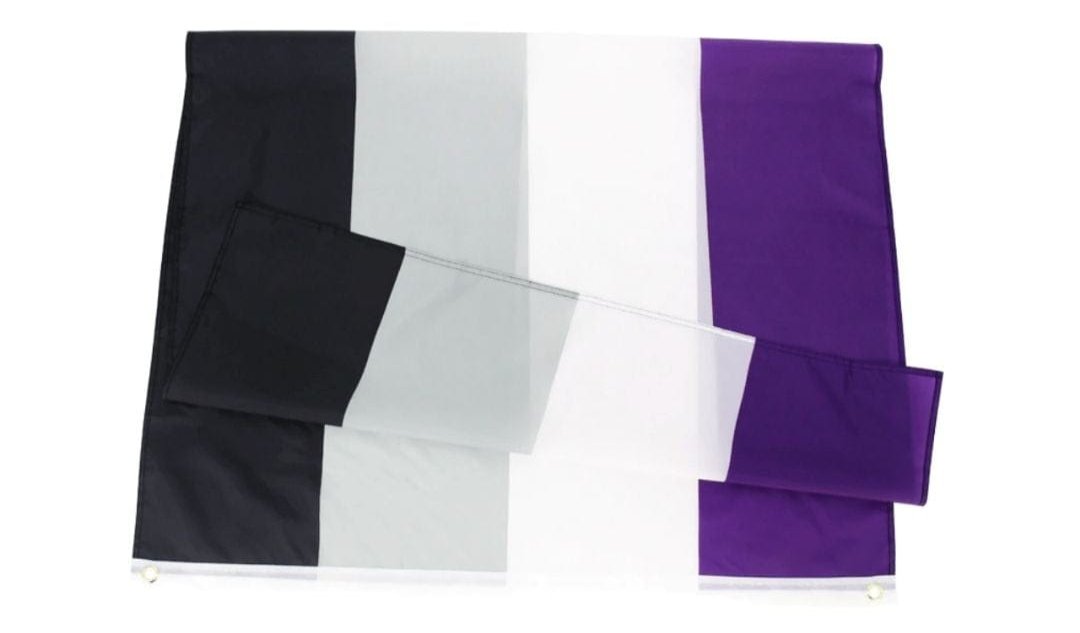
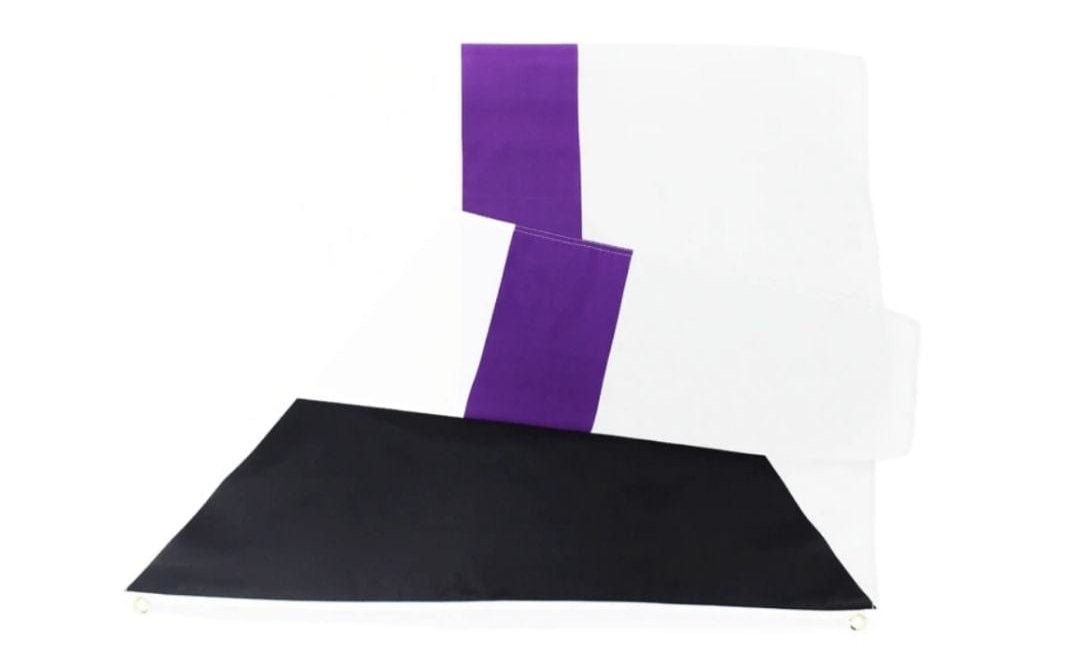
9. Asexuality Is a Sexual Orientation — Not Abstinence
Asexuality is frequently confused with abstinence, but they are not the same.
Asexuality is a sexual orientation where a person experiences little or no sexual attraction. Abstinence is a choice.
Asexual people can still have meaningful relationships and emotional connections.
Why These LGBTQ+ Misconceptions Matter
Misunderstandings about LGBTQ+ identities can lead to exclusion, discrimination, and harmful stereotypes.
Challenging these myths helps create safer, more inclusive spaces for everyone.
Keep Learning and Supporting the Community
Understanding LGBTQ+ identities is an ongoing process. Listening, learning, and respecting people’s experiences is key.
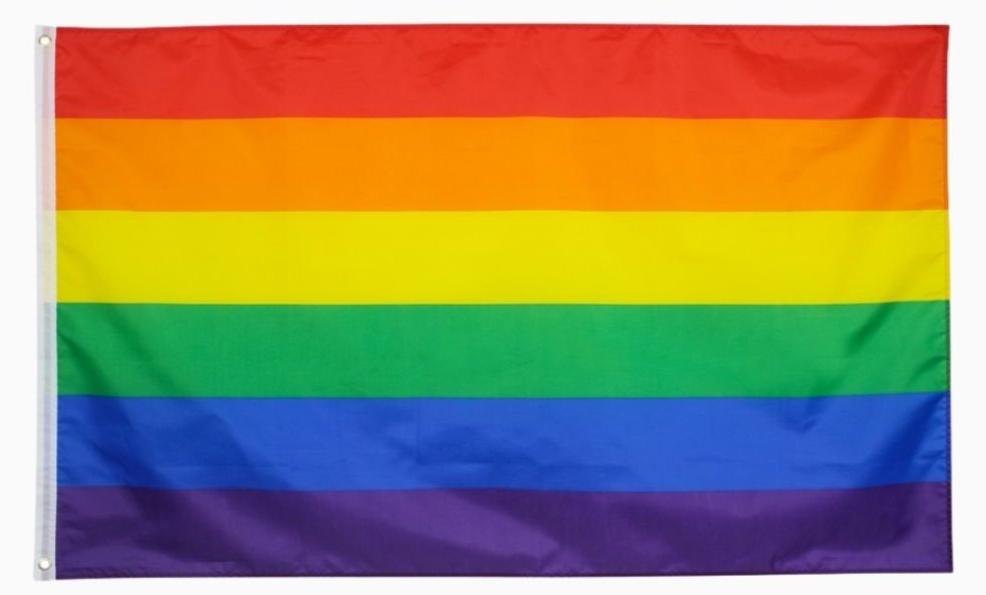
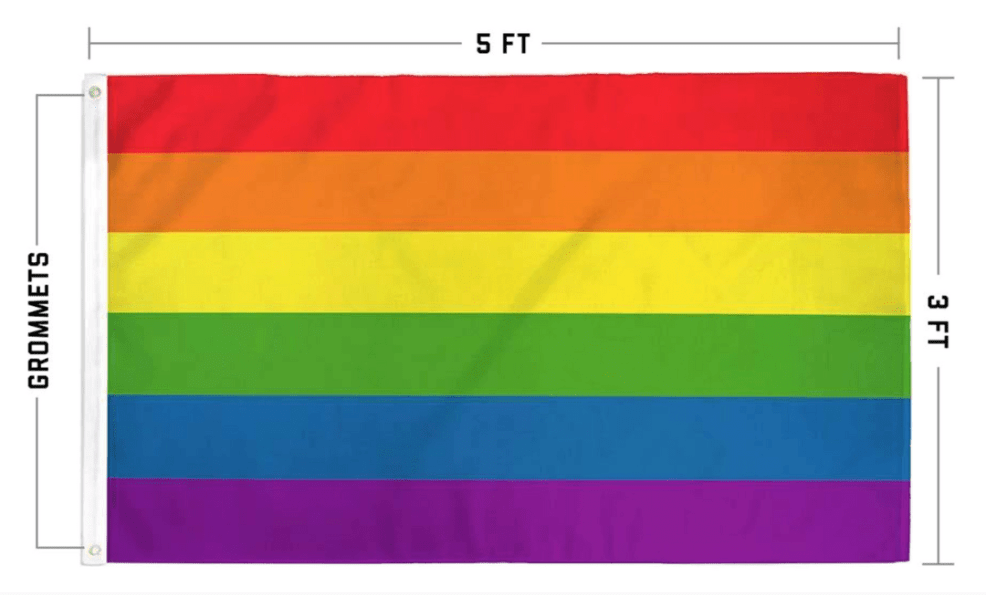
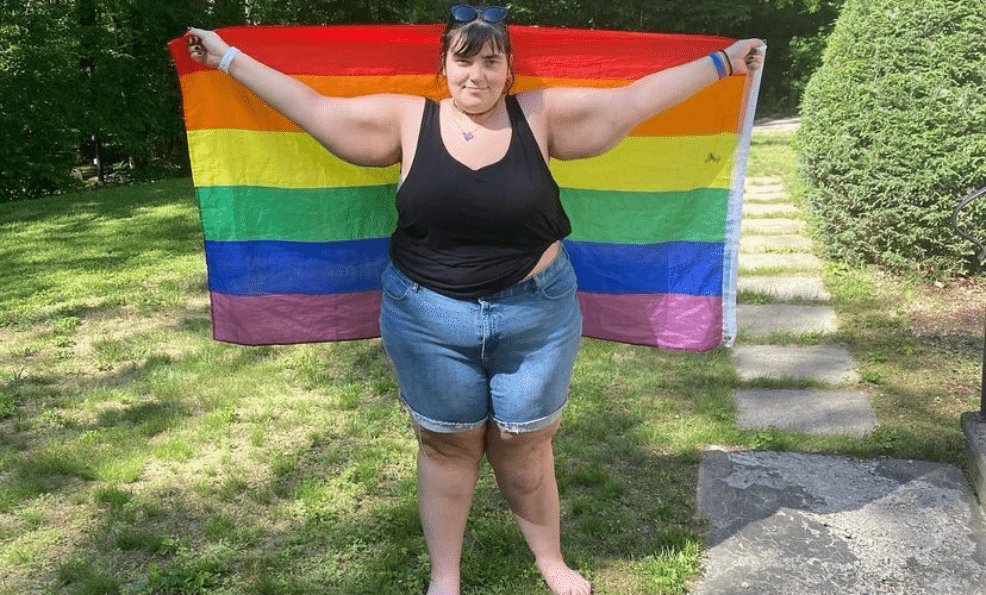
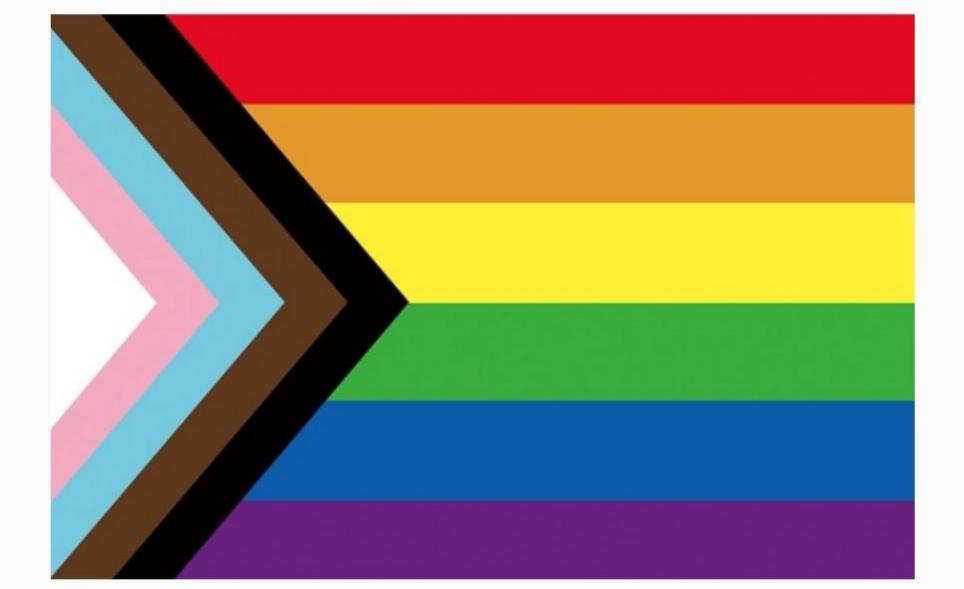
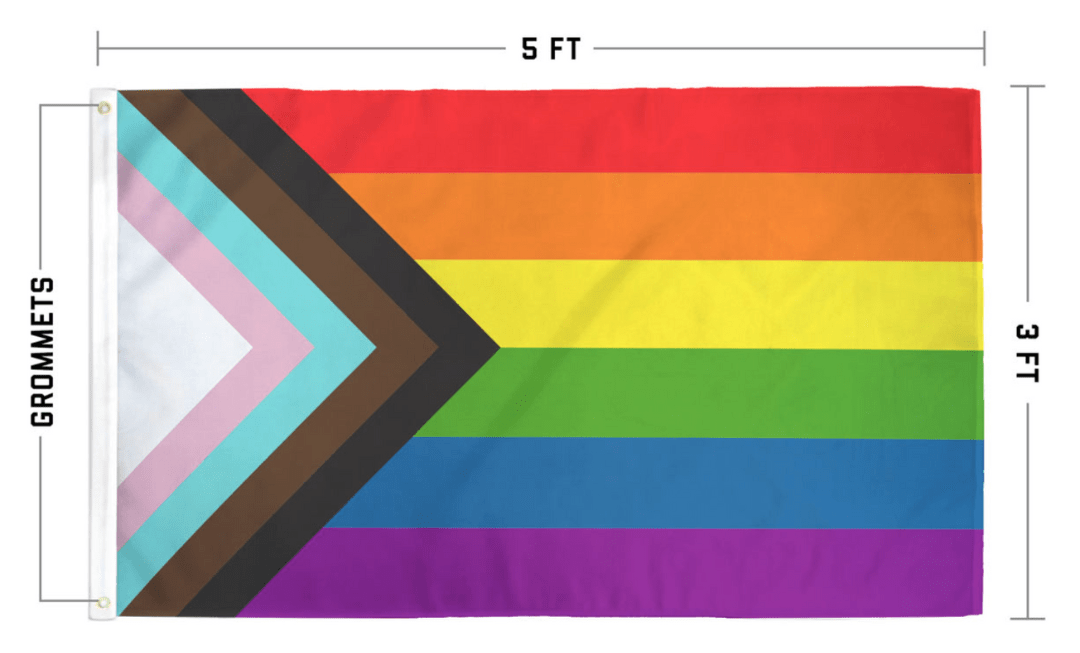
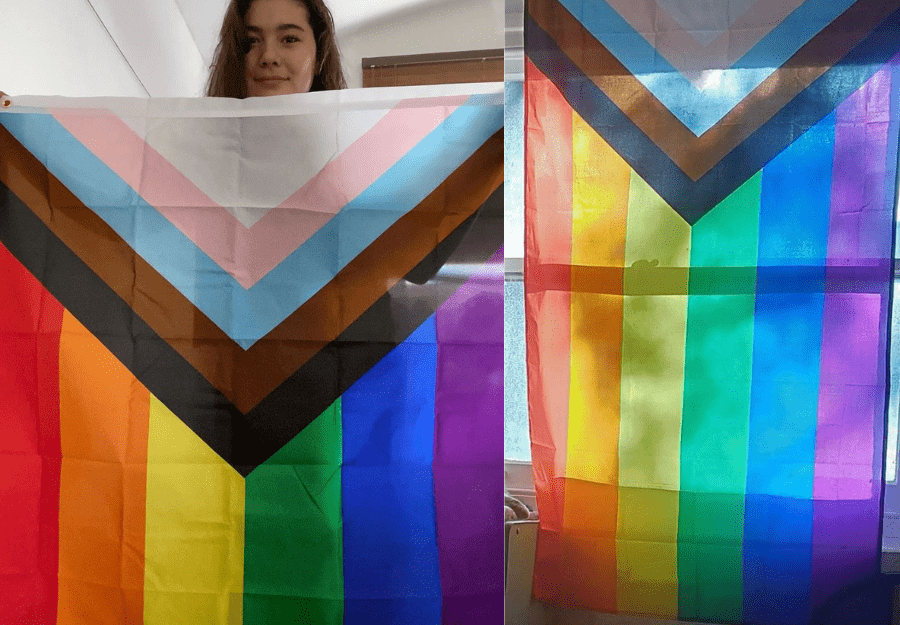
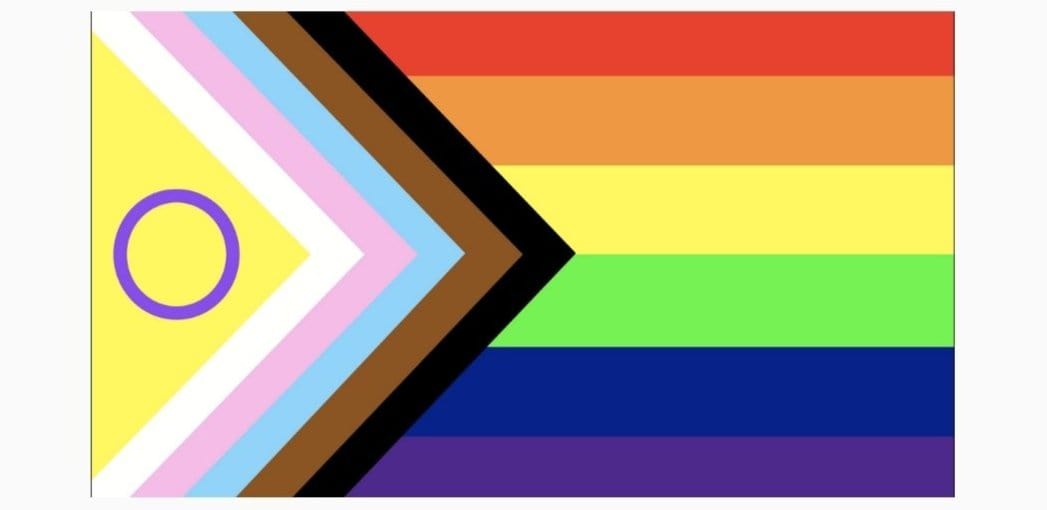
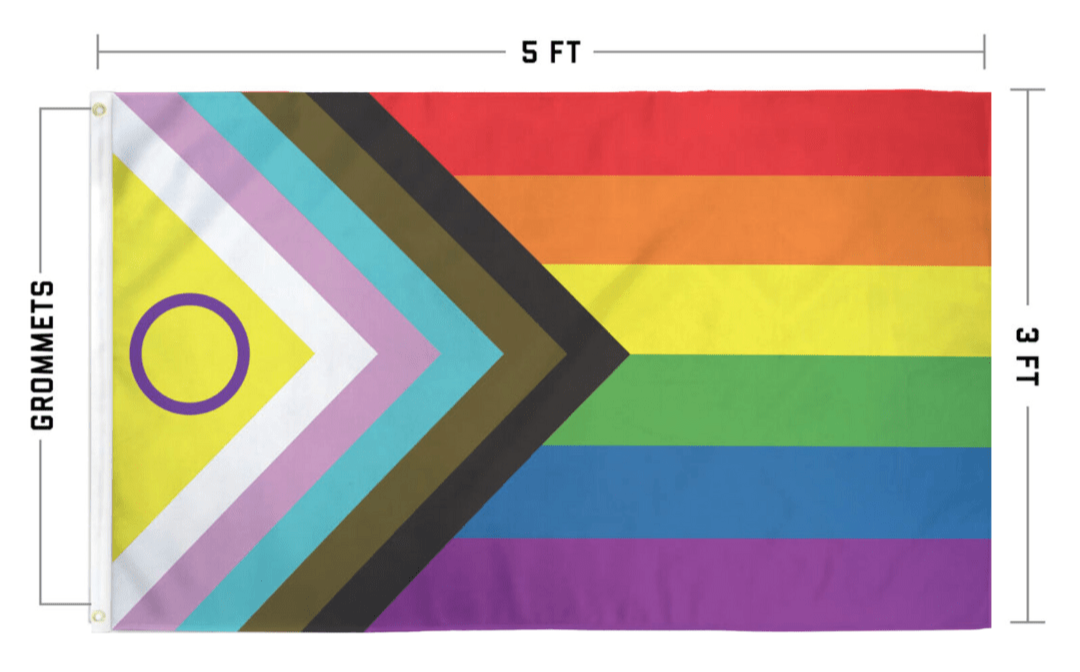
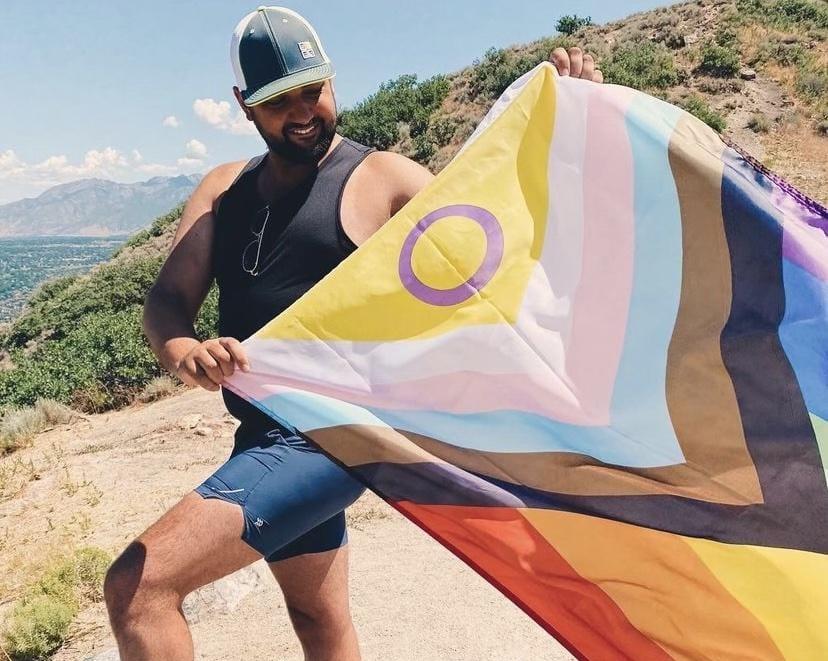
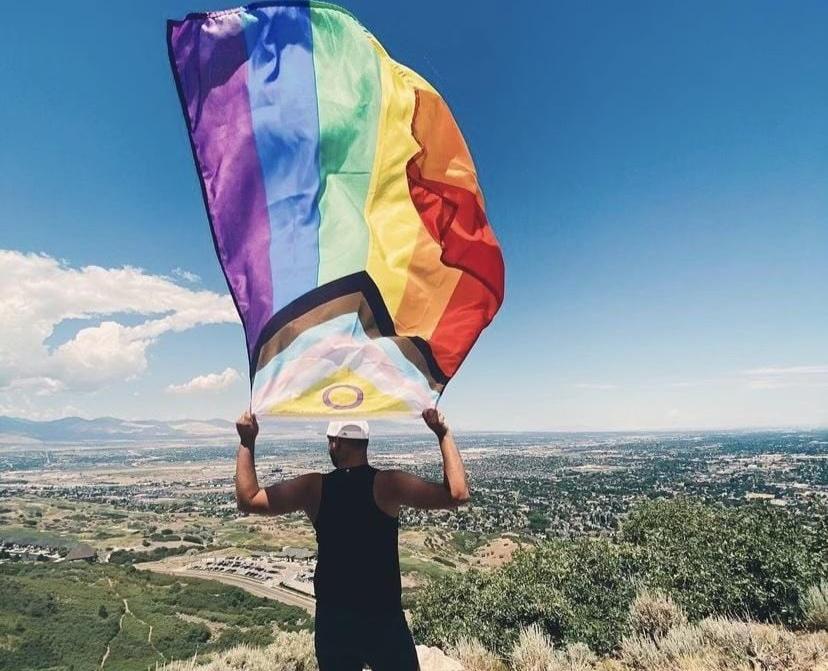
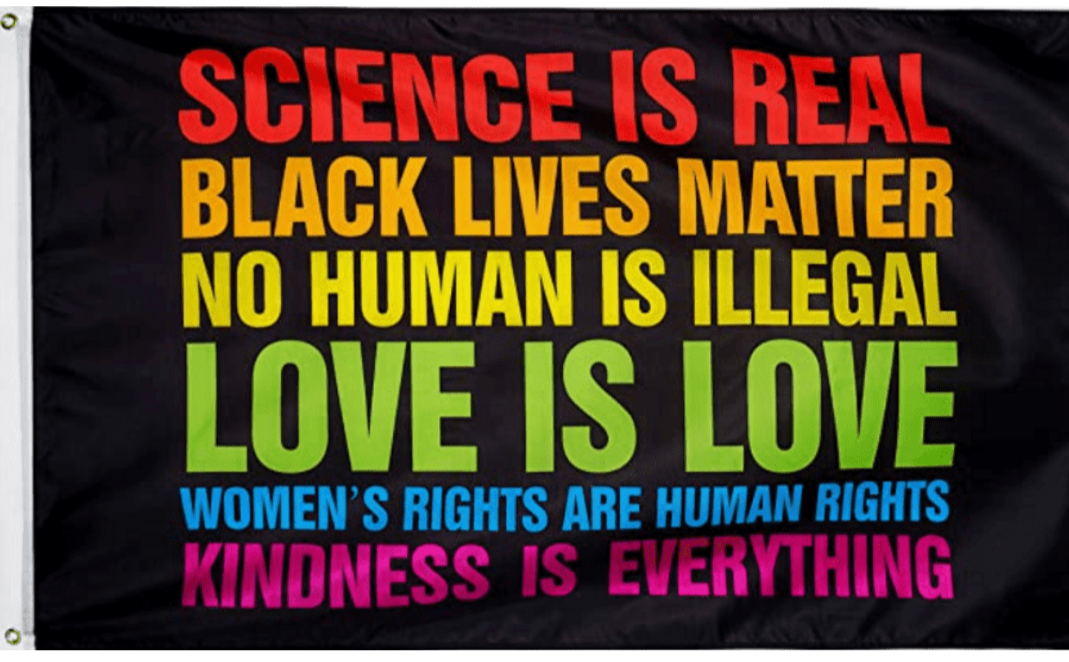
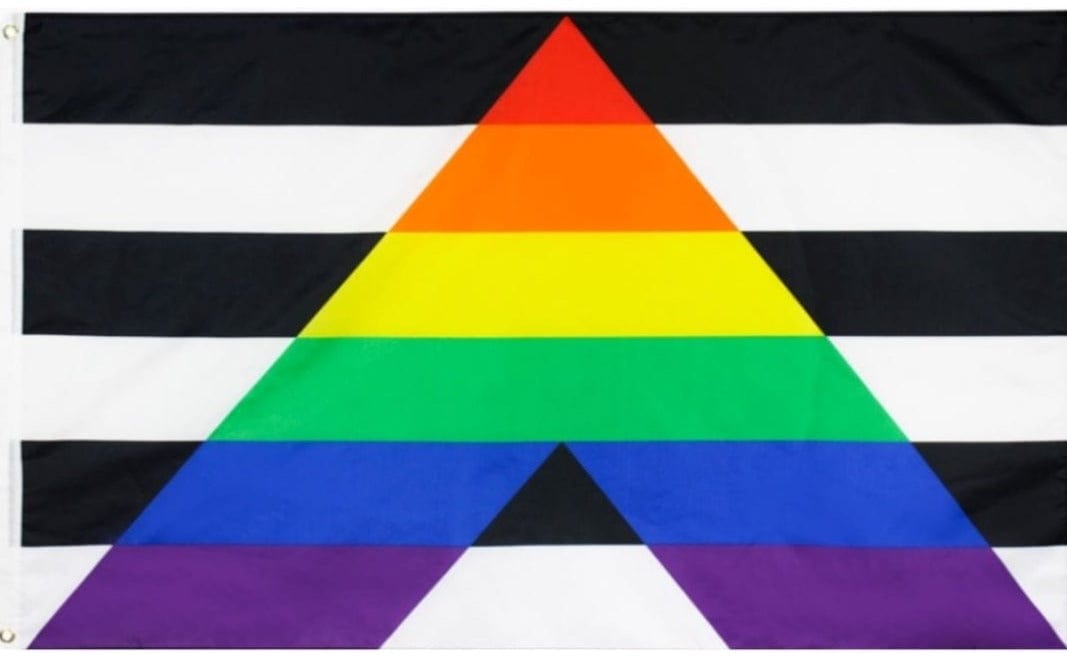
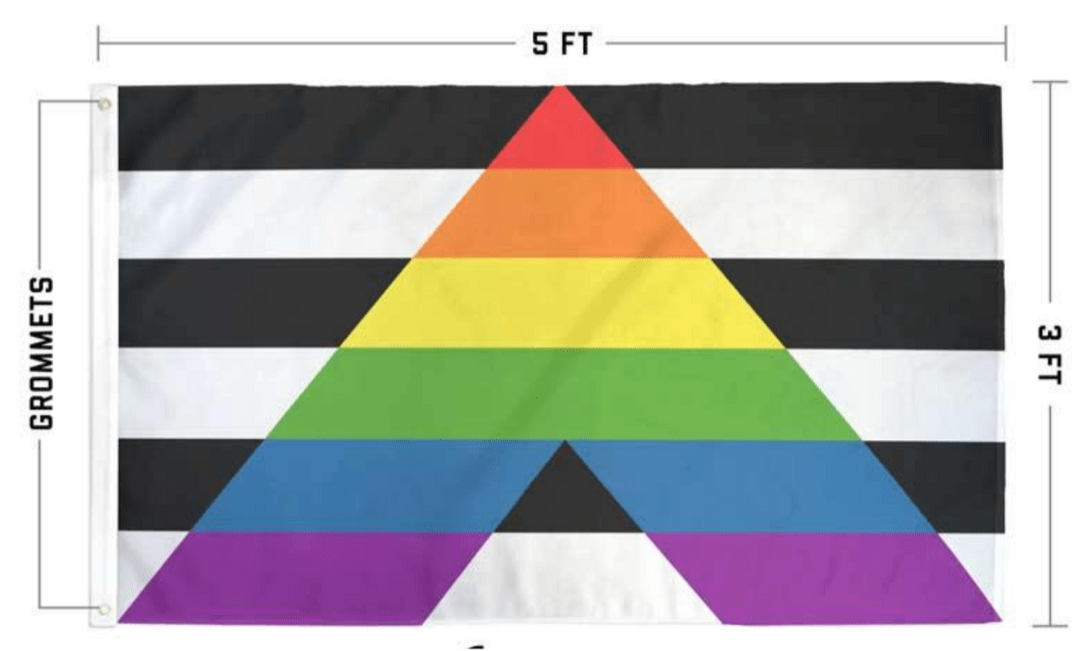
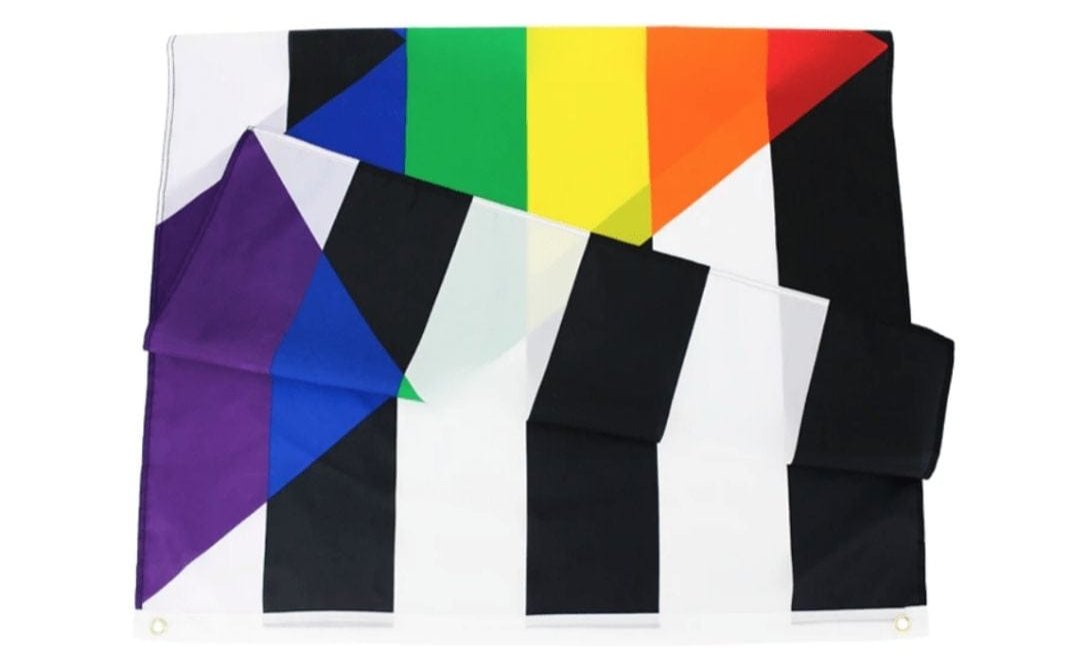
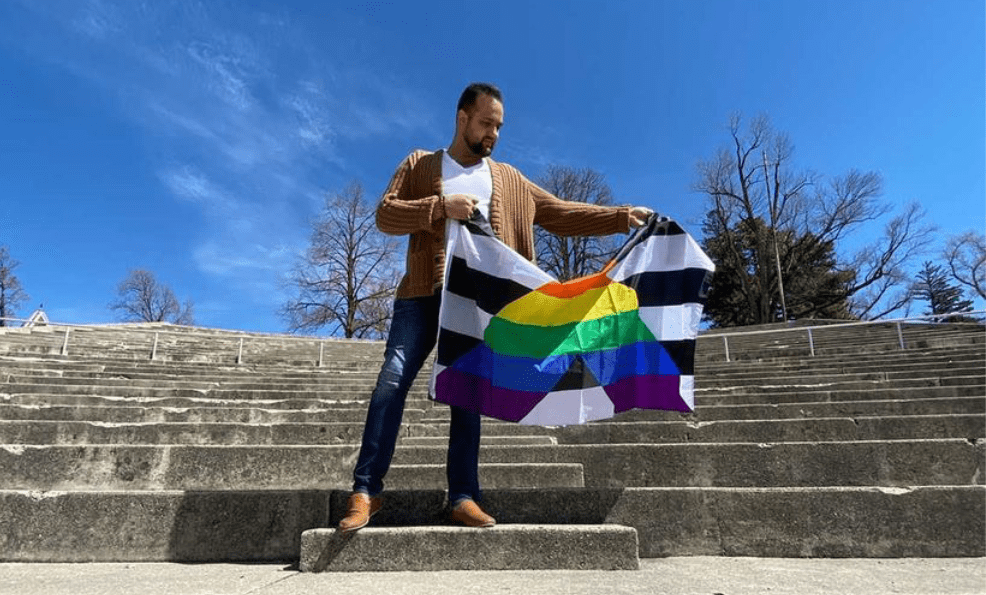
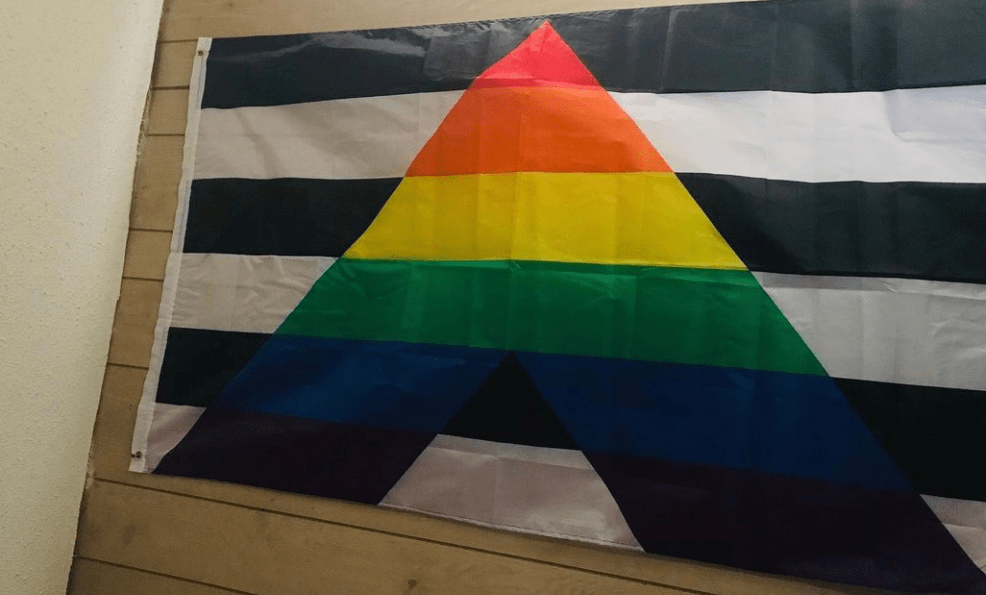
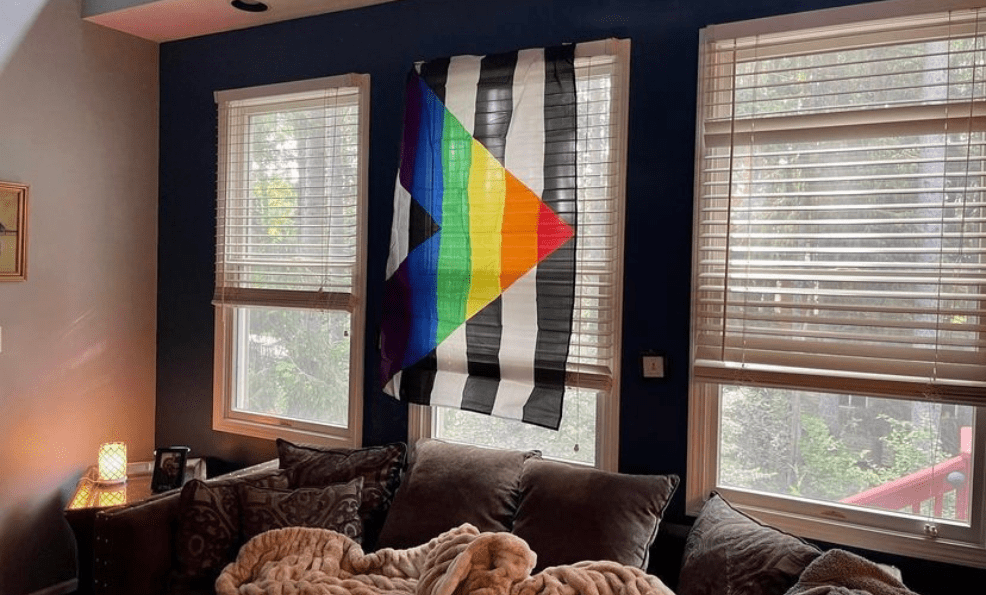
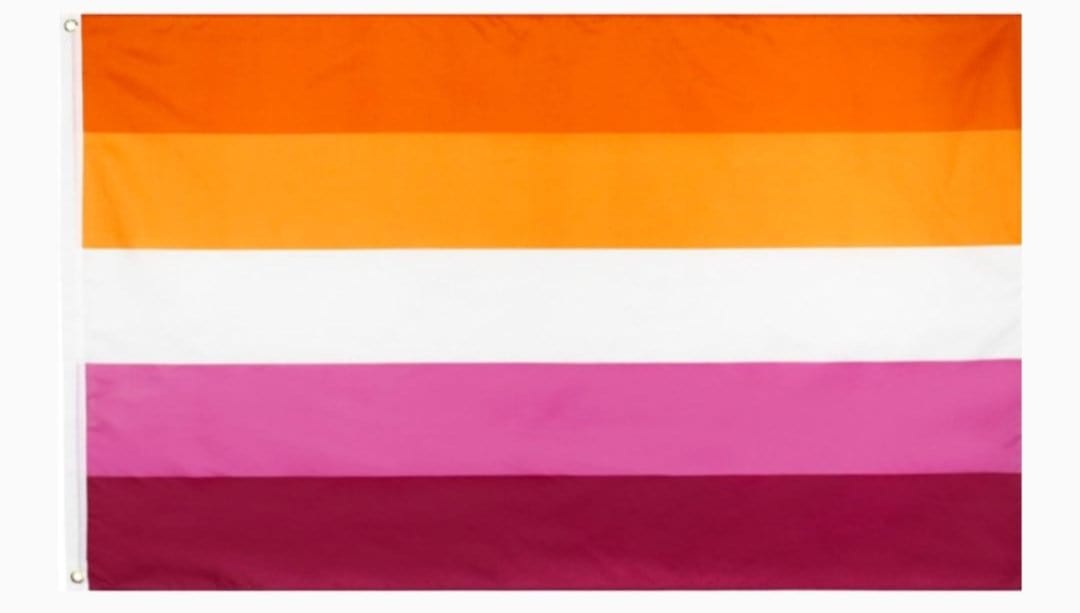
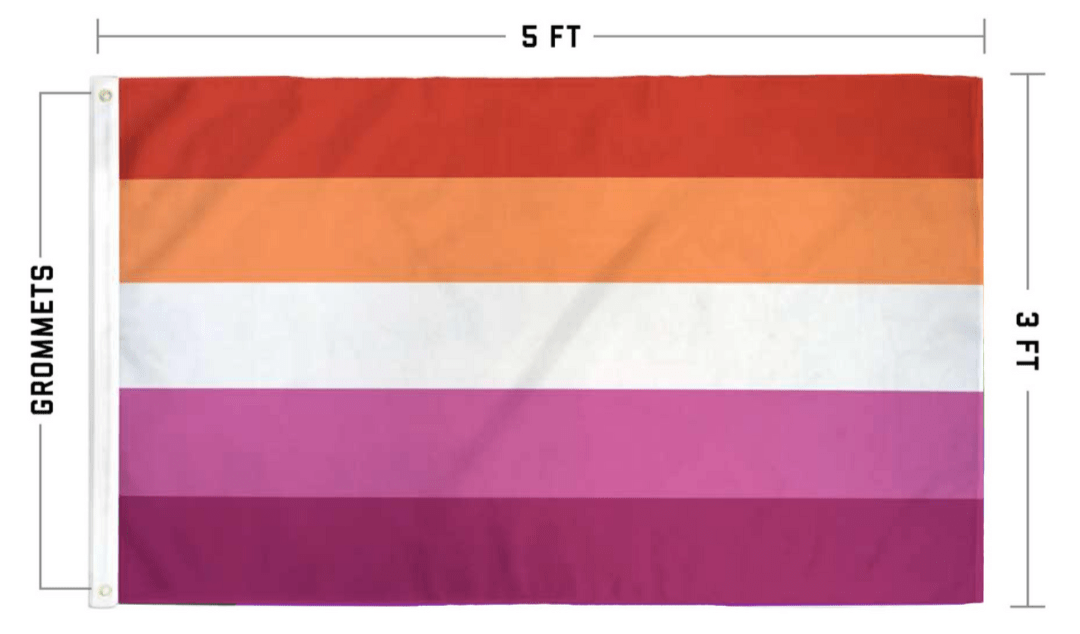
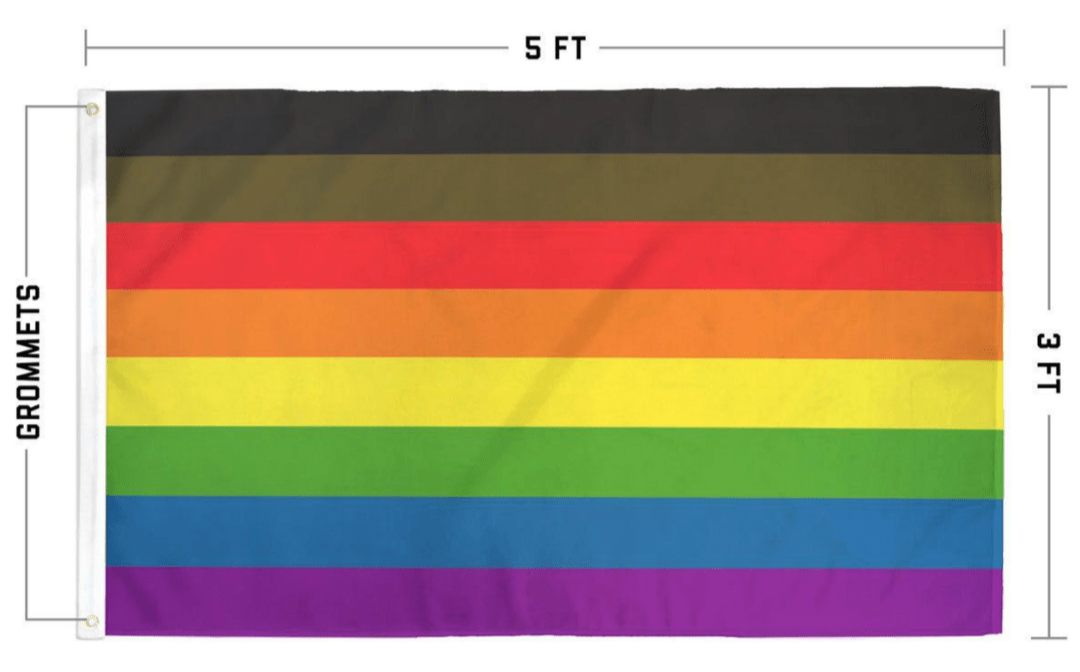
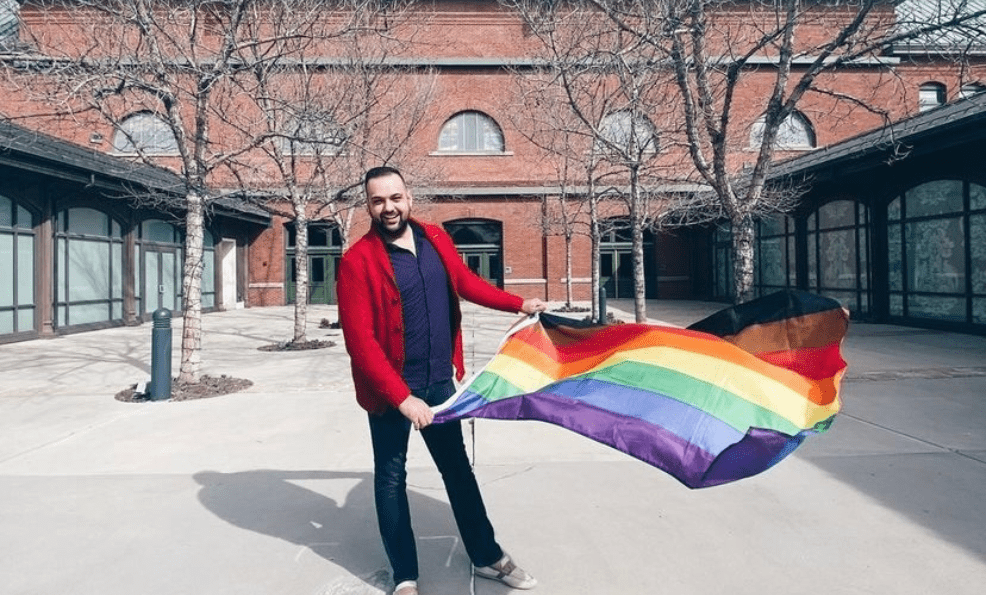
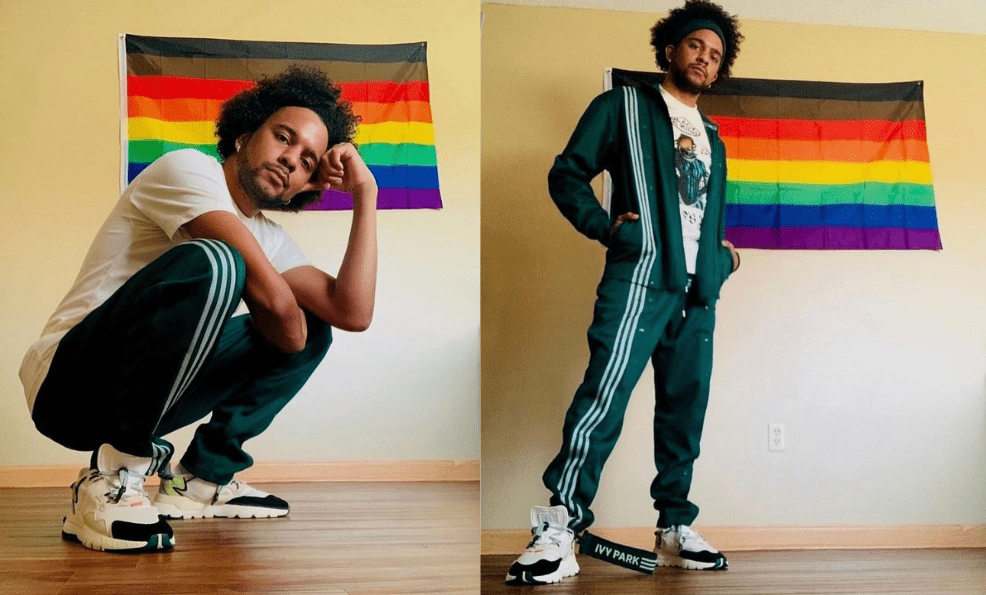
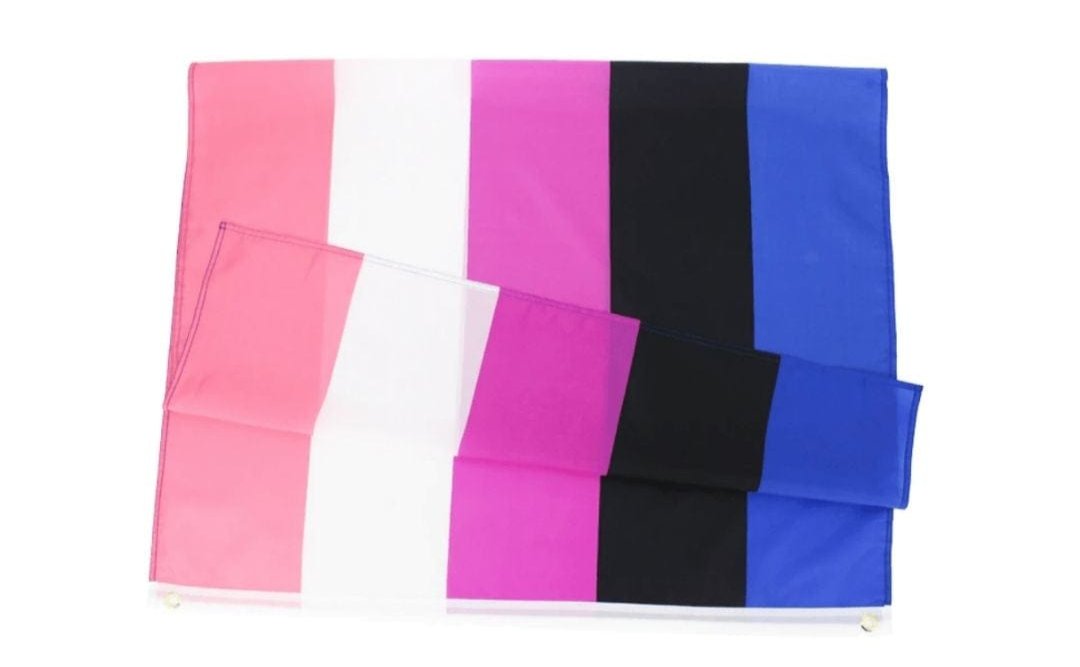
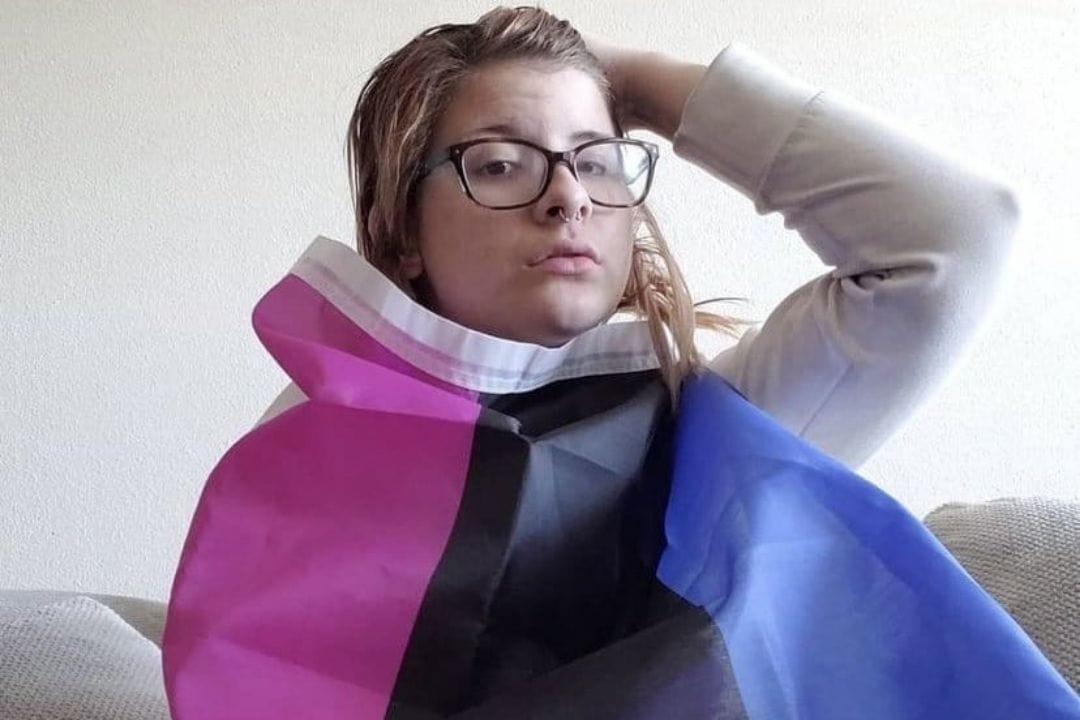
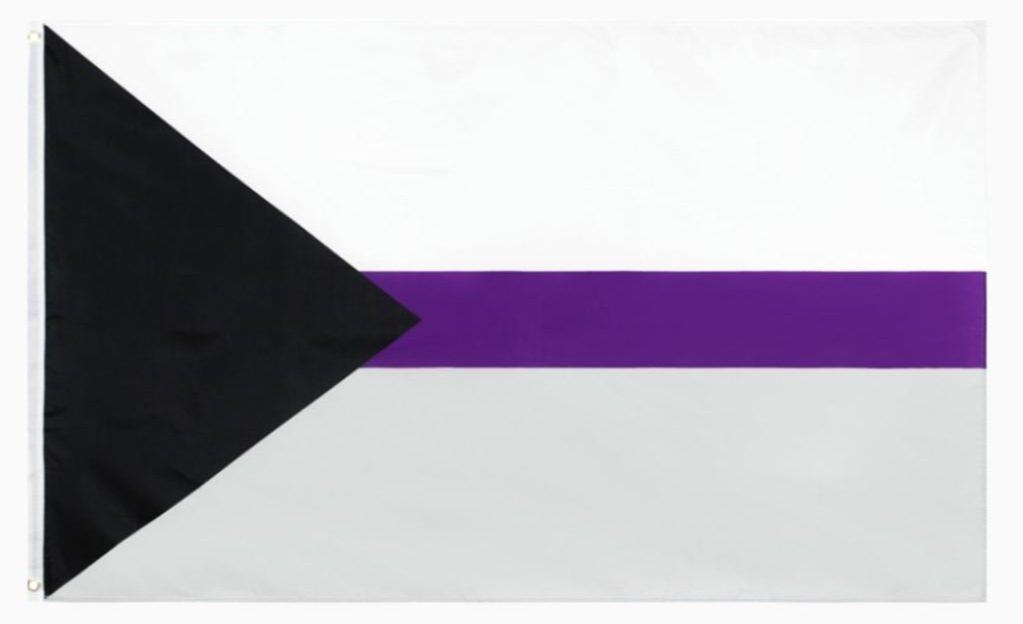
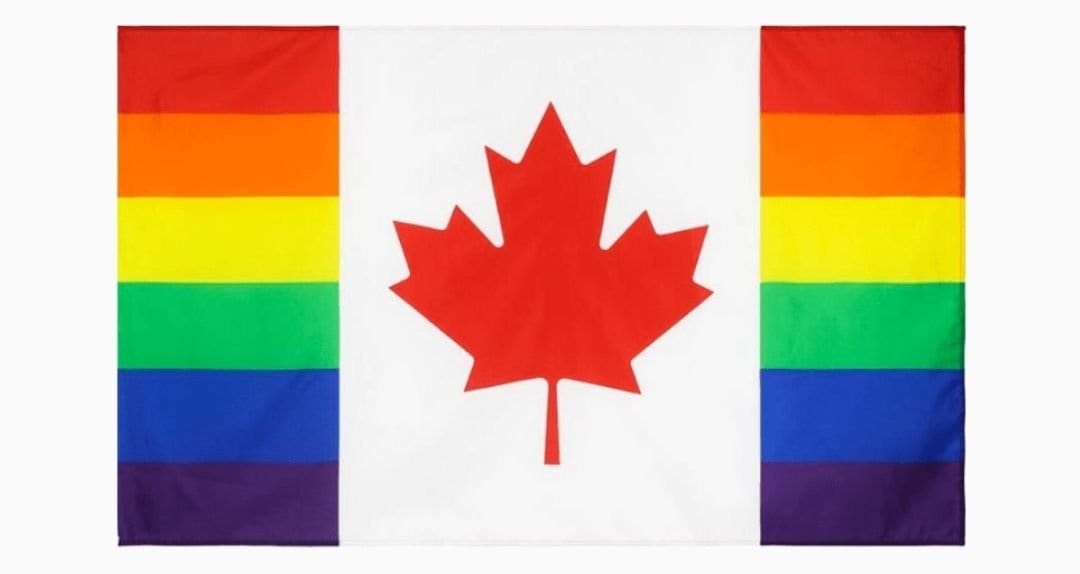
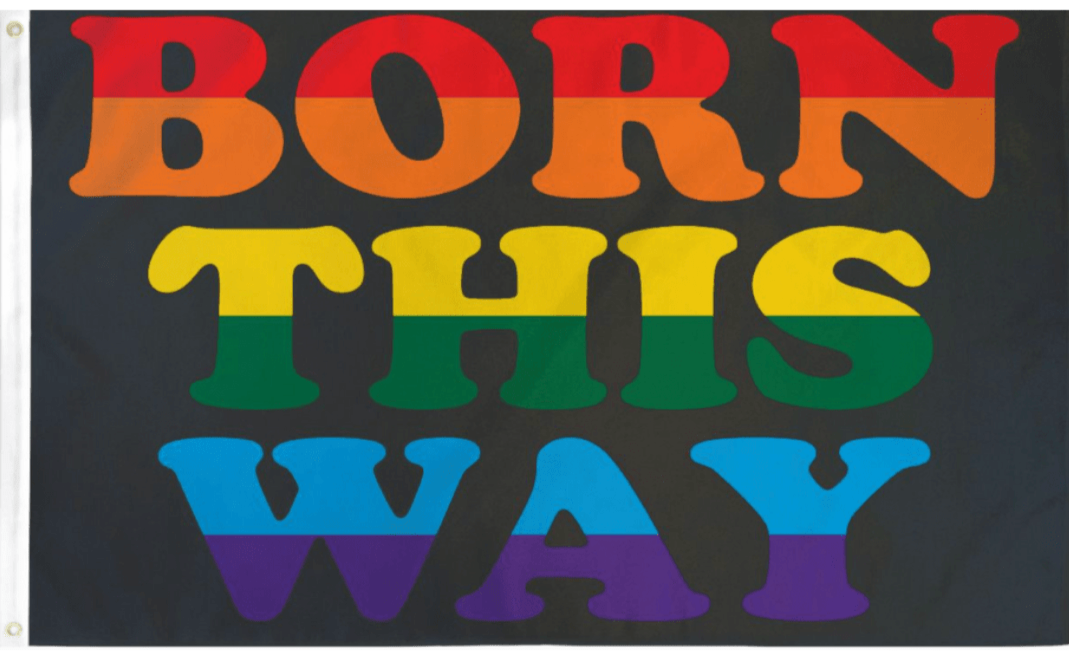
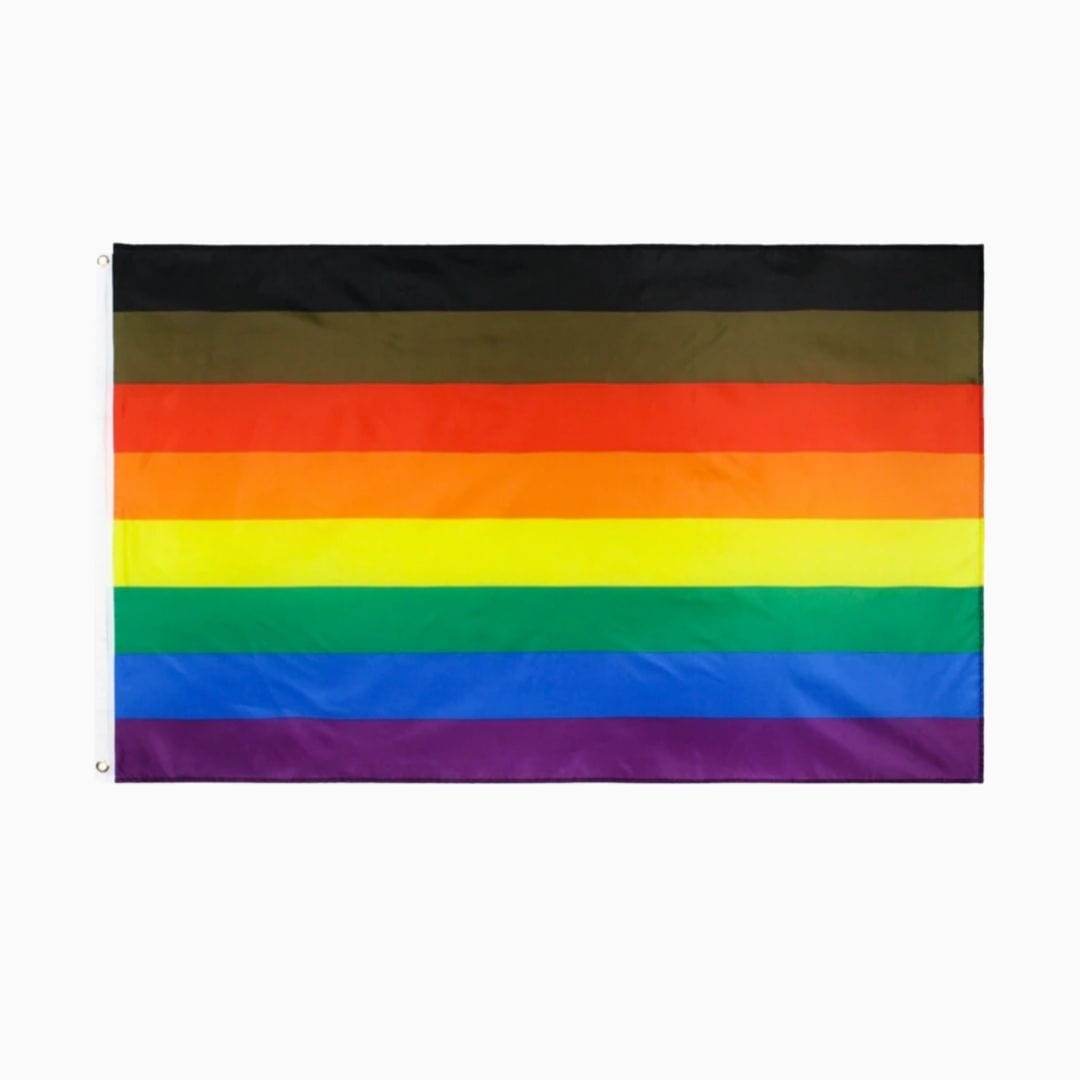
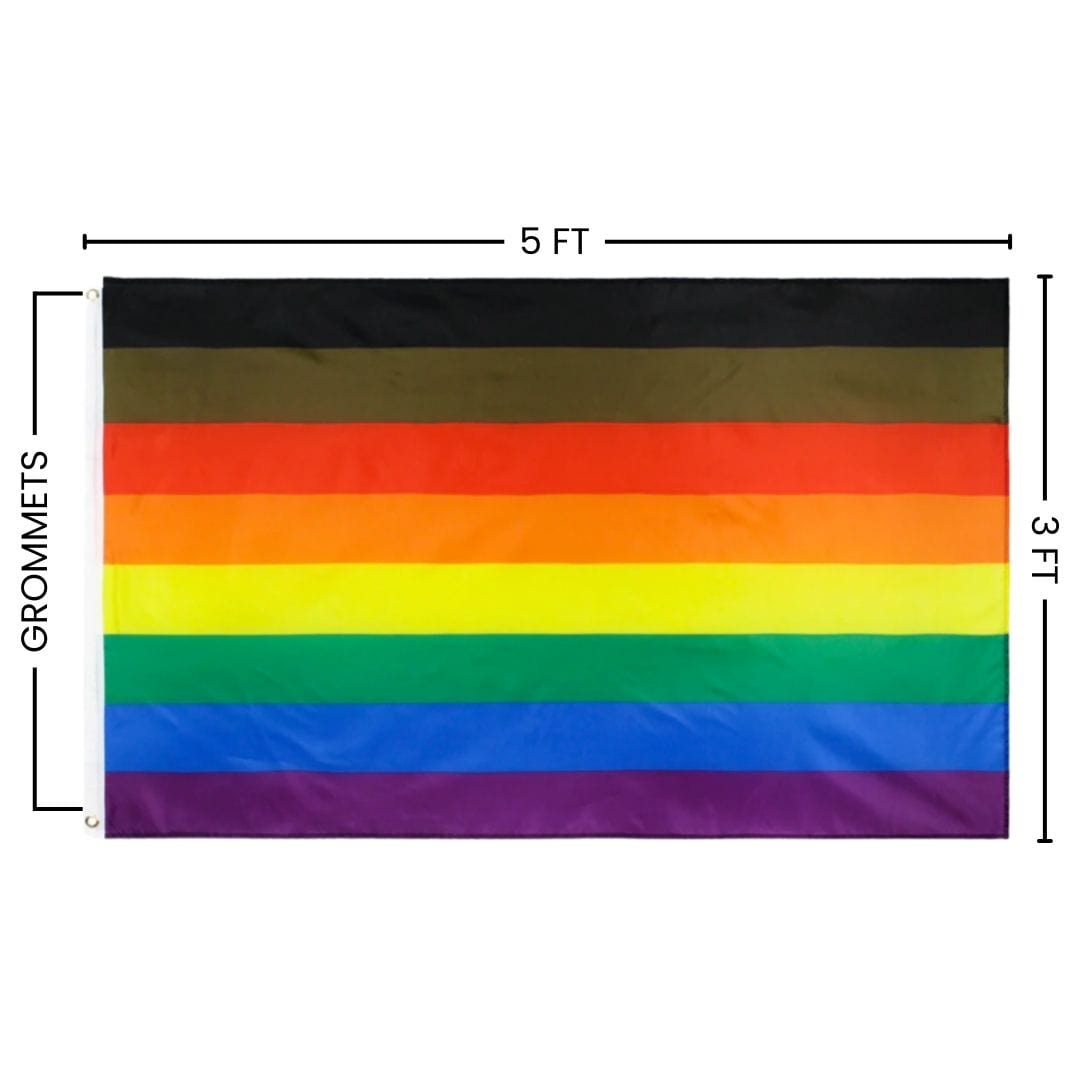
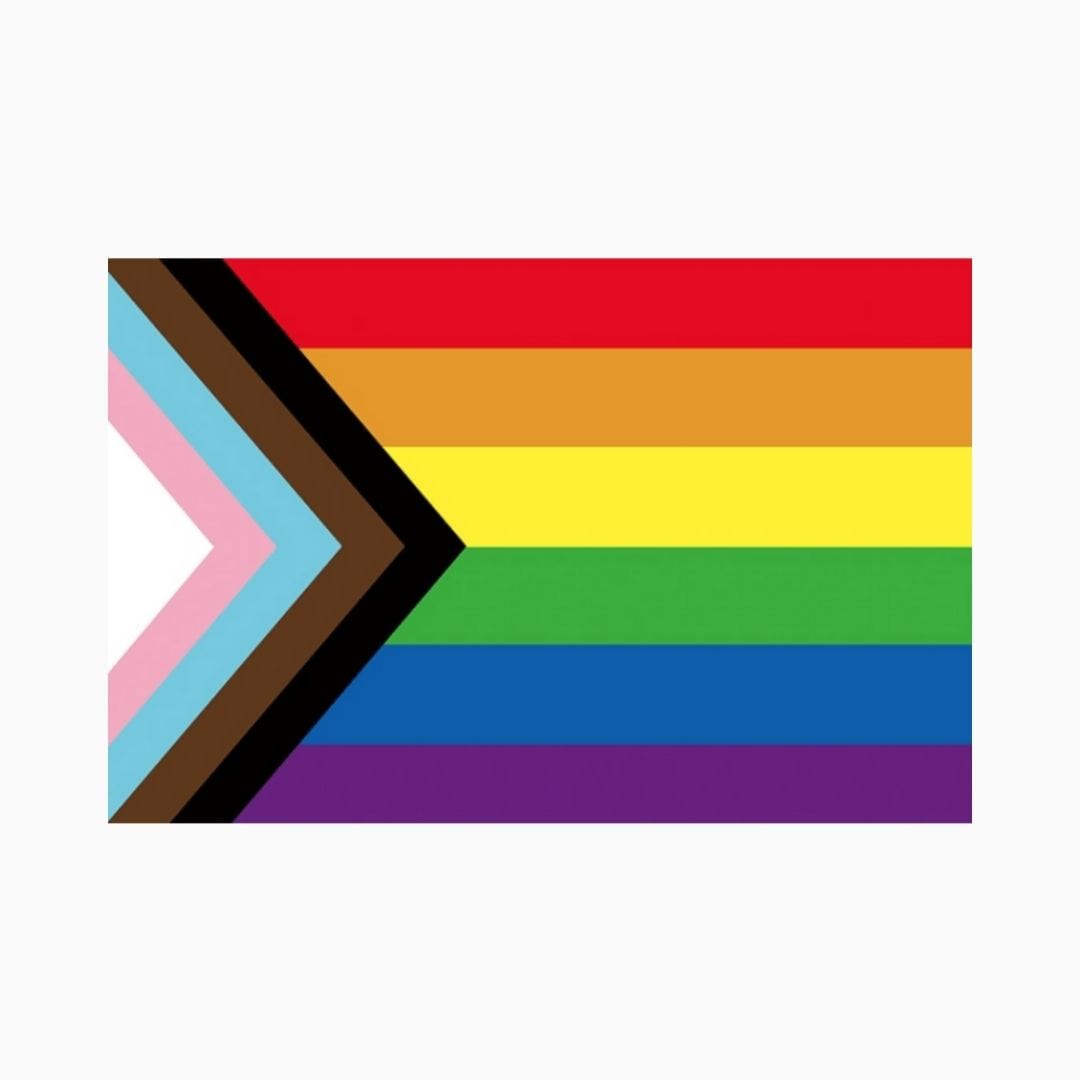
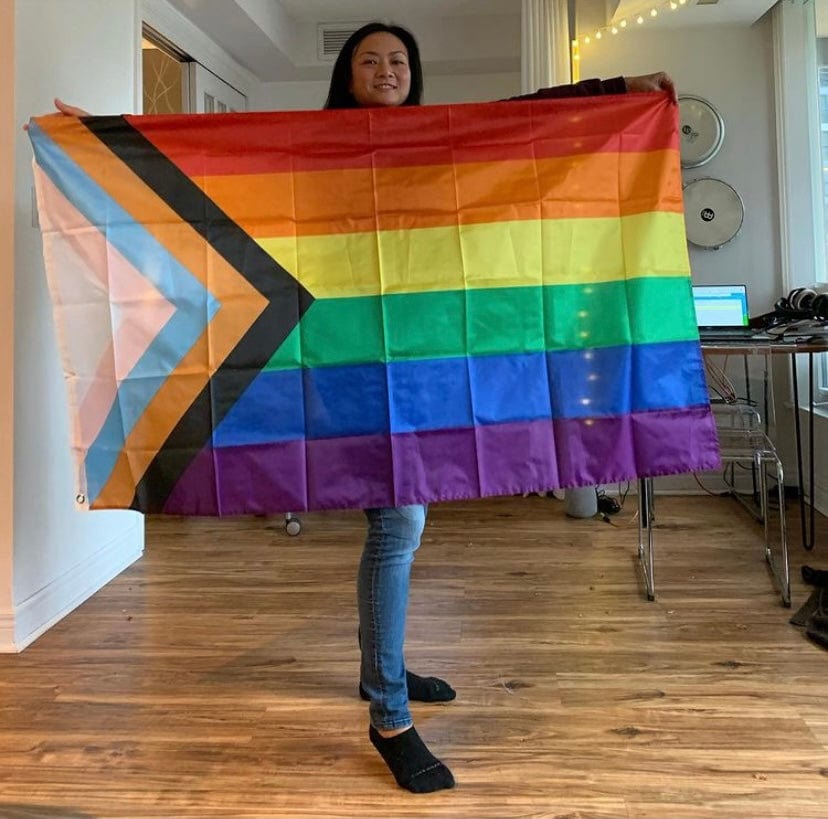
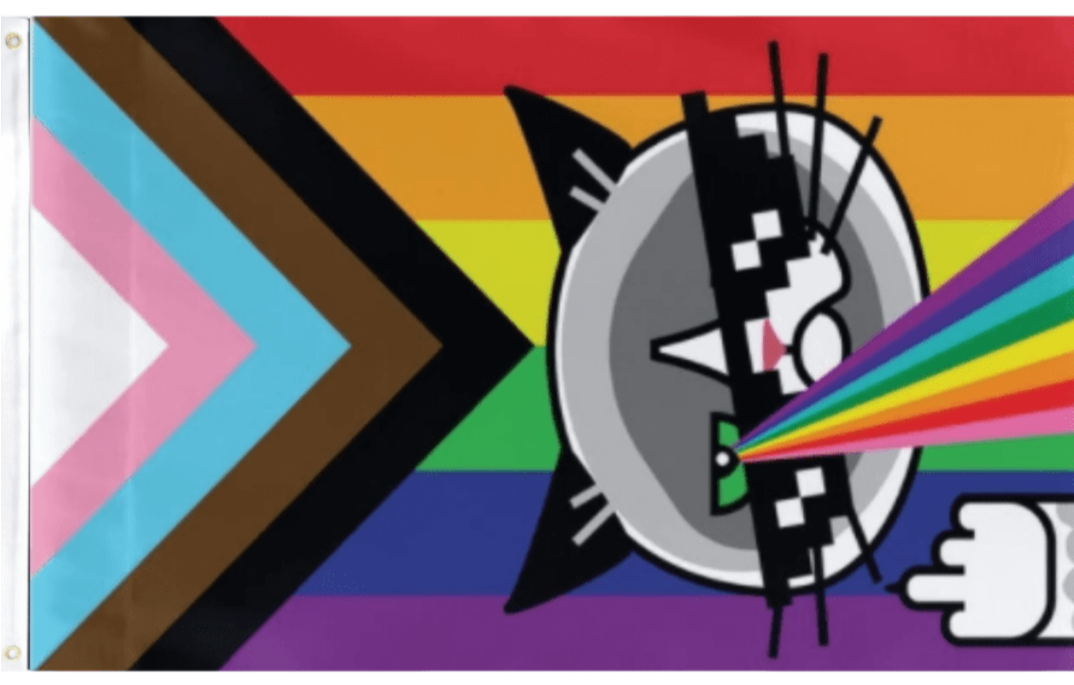
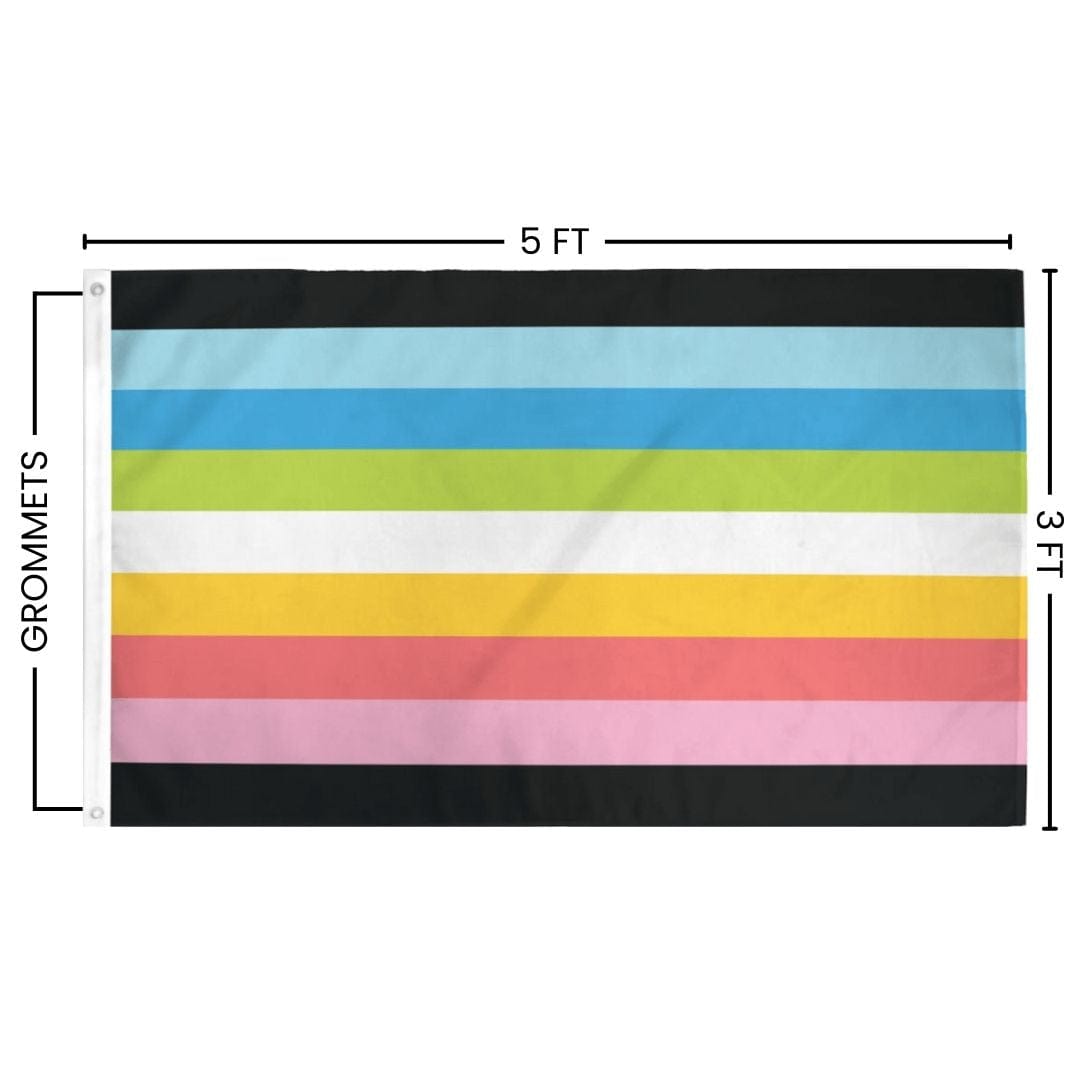
If you want to show your support, explore our Pride Flag Collection and celebrate identities across the spectrum.
Because everyone deserves to be seen, respected, and understood.