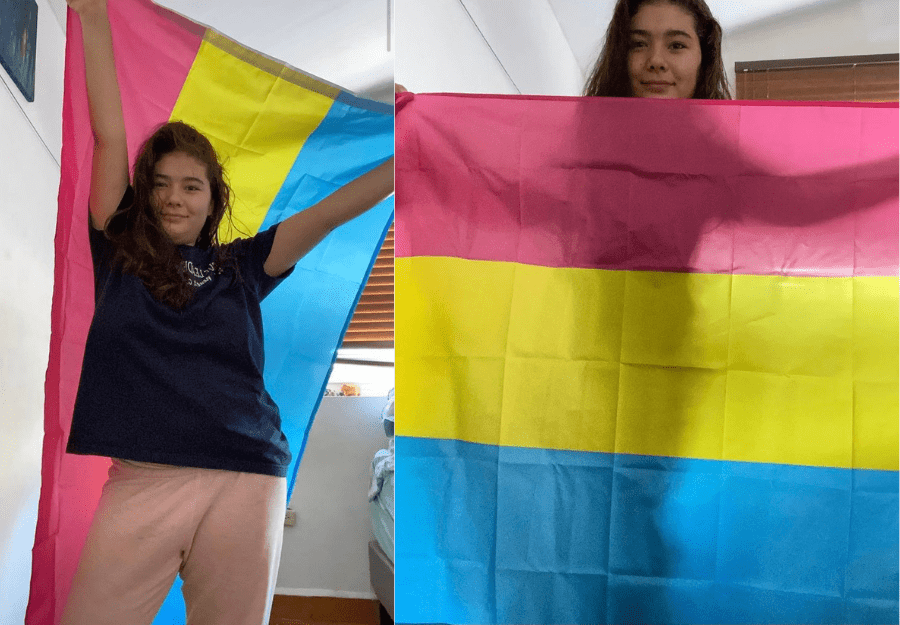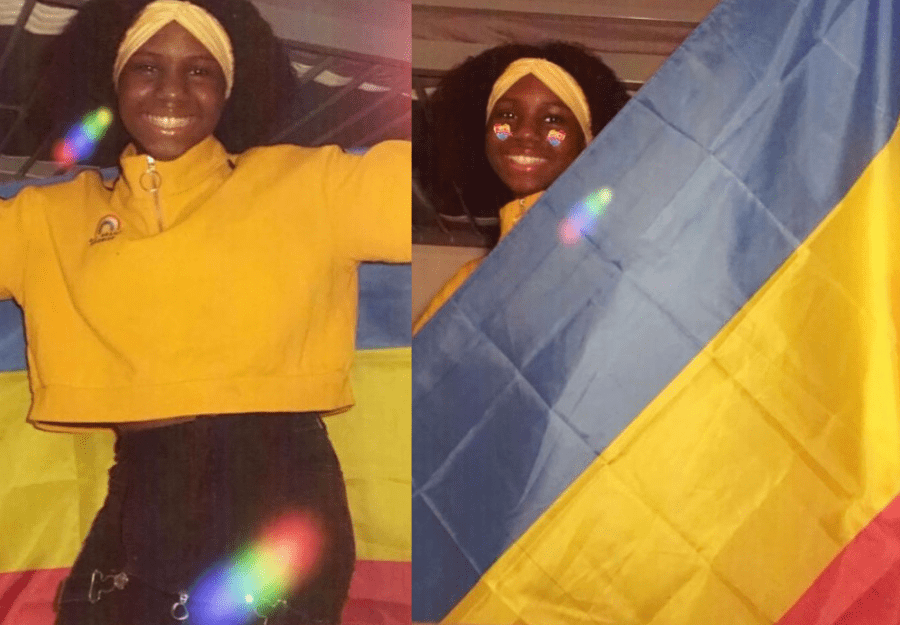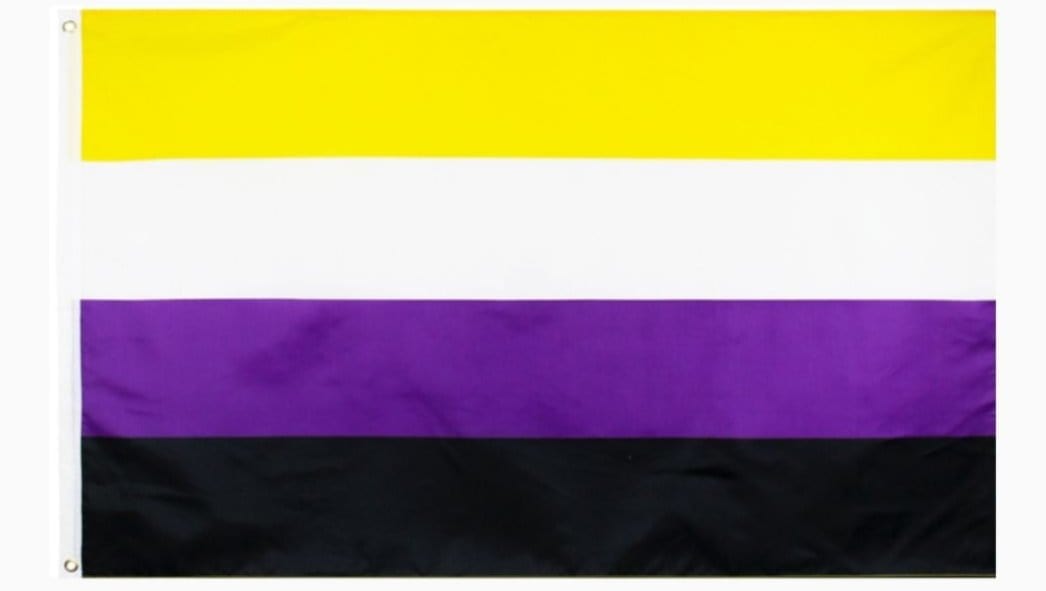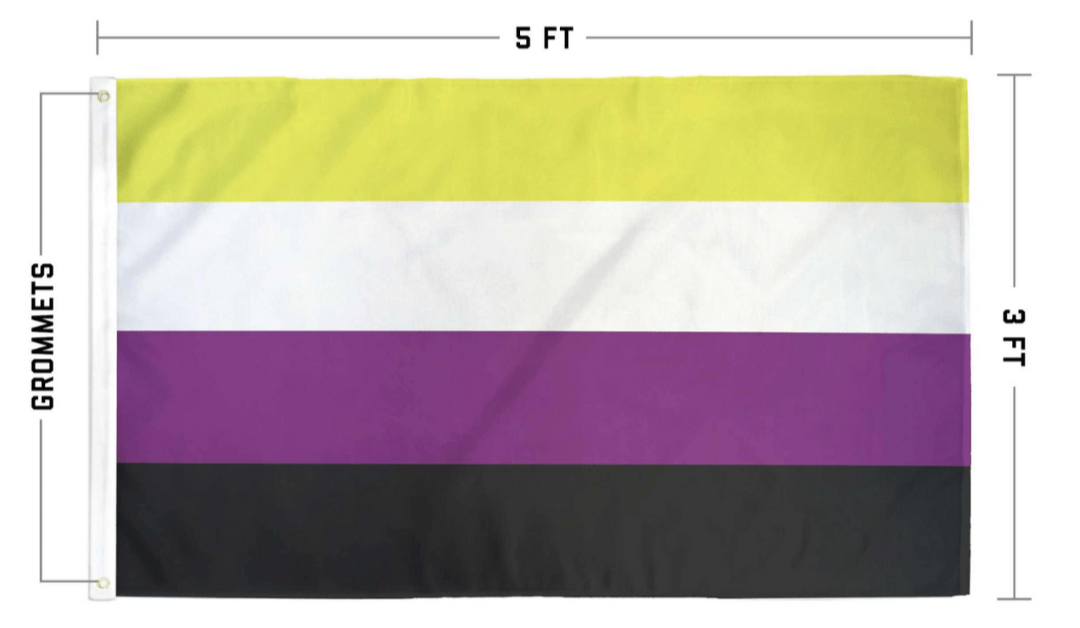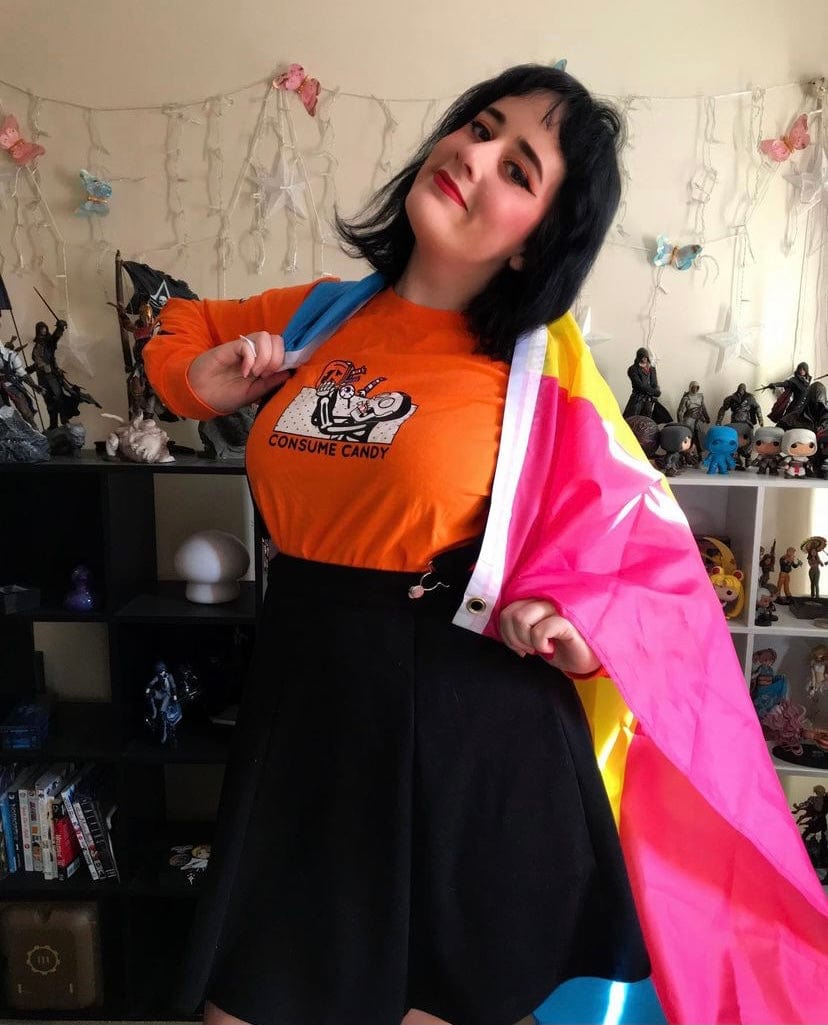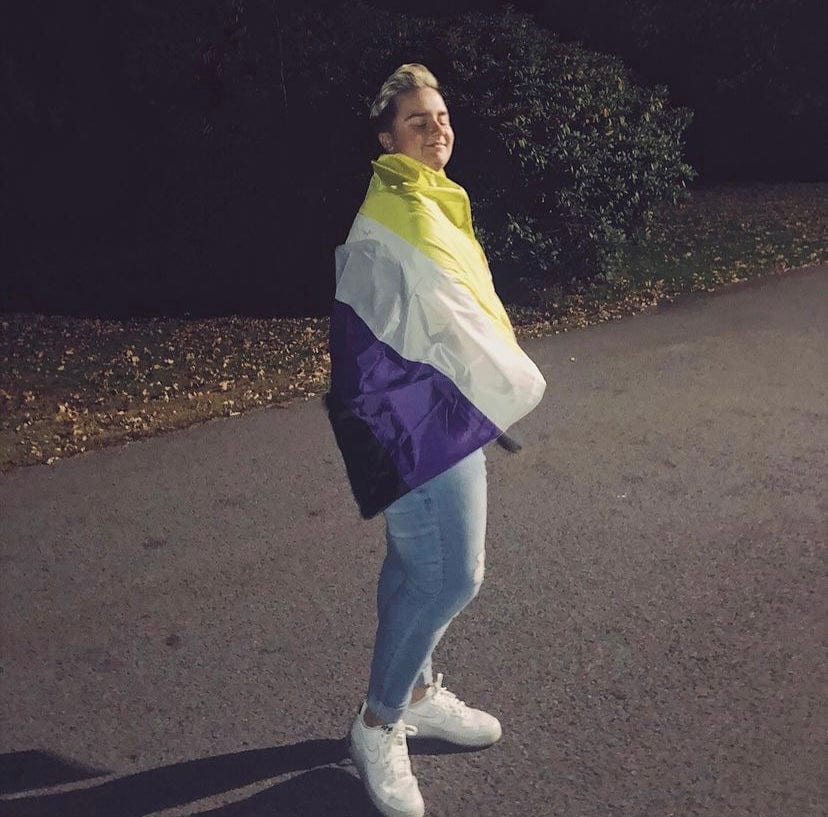

When people talk about pansexuality, the conversation often starts in the wrong place. It’s not about confusion, it’s not about “phases,” and it’s definitely not about stereotypes. The real conversation is about what pansexual people actually experience on a daily basis — and most of it has nothing to do with who they love, and everything to do with how others respond to it.
If you’ve ever felt like your identity was misunderstood or constantly questioned, you’re not alone. We’ve talked before about how important it is to feel seen in our piece on why visibility matters, and pansexual people often experience what happens when that visibility is missing or distorted.
“So… you’re attracted to pans?”
It might sound like a joke, but it’s one that gets repeated constantly. Questions like this reduce a real identity into something to laugh at, instead of something to understand. Over time, these “jokes” create a space where pansexuality isn’t taken seriously — and that has real impact.
“You must be attracted to everyone”
Another common assumption is that being pansexual means being attracted to every single person. It doesn’t. Just like any other orientation, attraction is personal, nuanced, and individual. Reducing it to “everyone” erases the reality of meaningful, specific connections.
“It’s just a phase”
Being told your identity isn’t real is one of the most harmful experiences someone can have. For many pansexual people, this isn’t a one-time comment — it’s something they hear repeatedly, from peers, family, or even within LGBTQ+ spaces.
If you’re trying to better understand how to support people when they share their identity, our guide to becoming a better ally is a good place to start. Listening and believing people goes a long way.
“Pansexual and bisexual are the same thing”
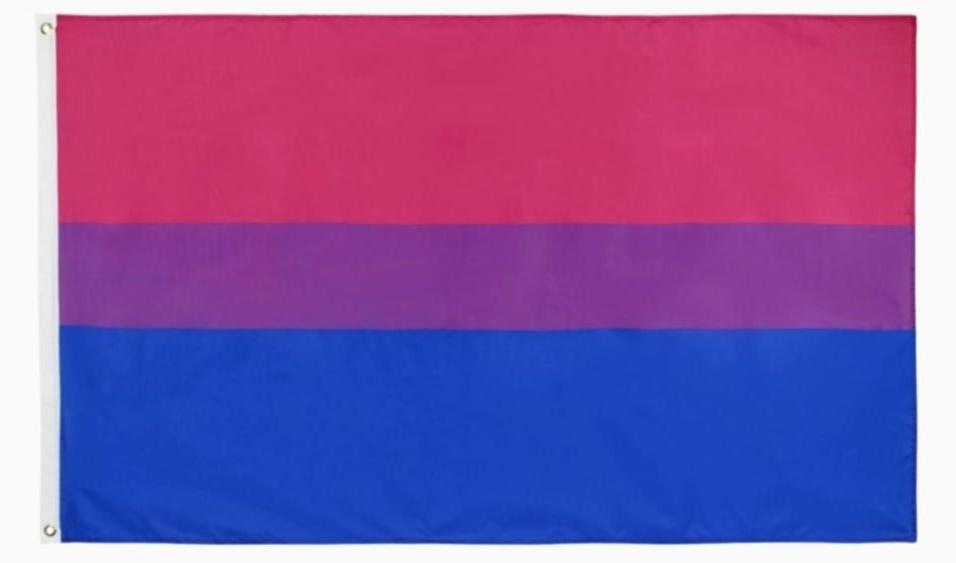
While there can be overlap, they are not the same — and assuming they are erases the meaning that identity holds for each person. Labels exist to help people feel understood, not to be simplified or dismissed.
Not fitting in — anywhere
One of the less talked about realities is the feeling of not fully belonging. Some pansexual people feel like they don’t fit into straight spaces, but also struggle to feel fully accepted within parts of the LGBTQ+ community. That in-between space can be isolating.
So what are the real issues?
The real issues aren’t about pansexuality itself. They’re about the constant need to explain, justify, and defend something that should simply be accepted.
They’re about being misunderstood, invalidated, or reduced to stereotypes. They’re about not being taken seriously, or feeling like you have to “prove” your identity to be respected.
And most importantly, they’re about visibility — or the lack of it.
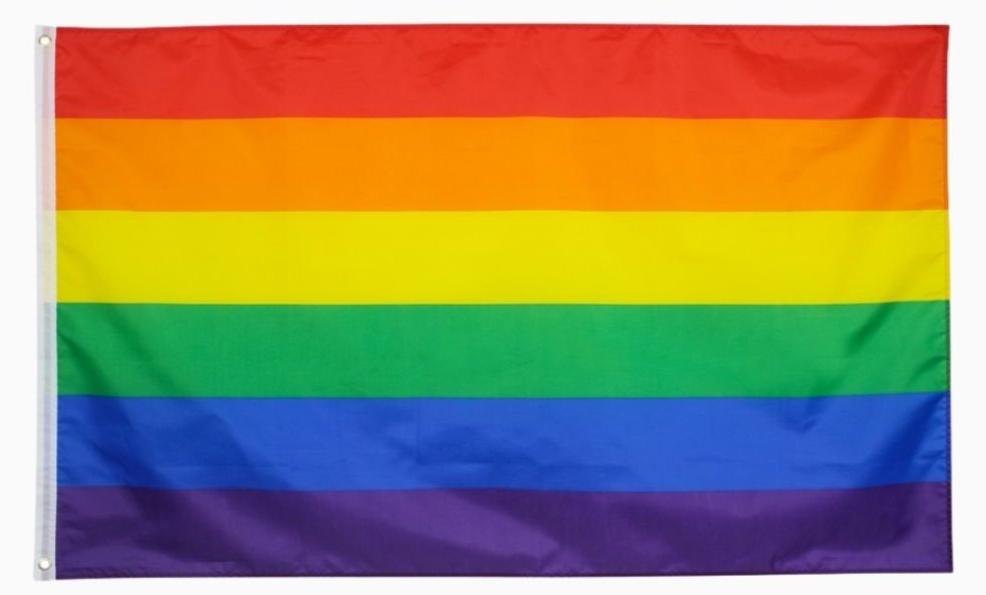
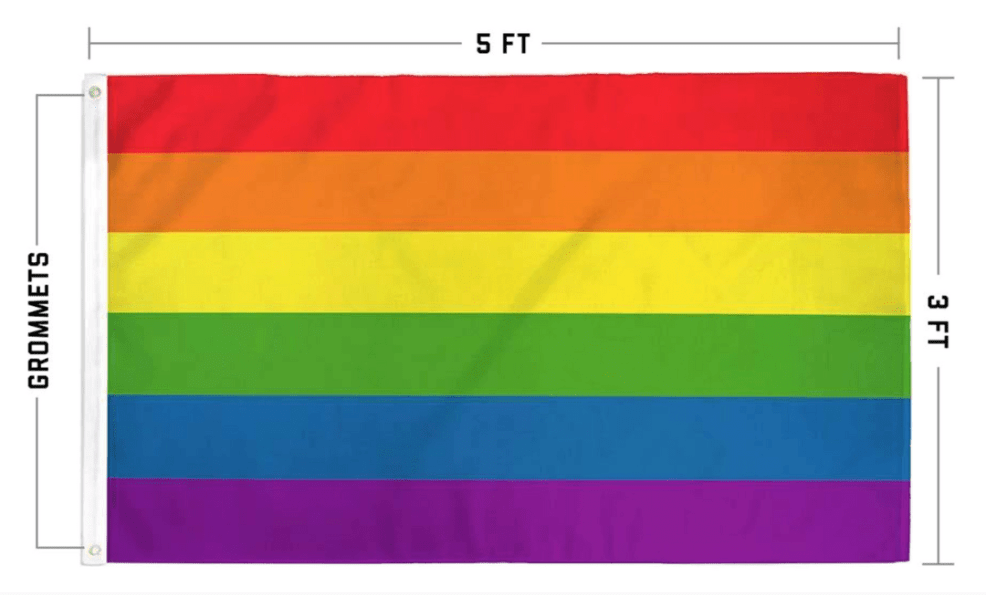
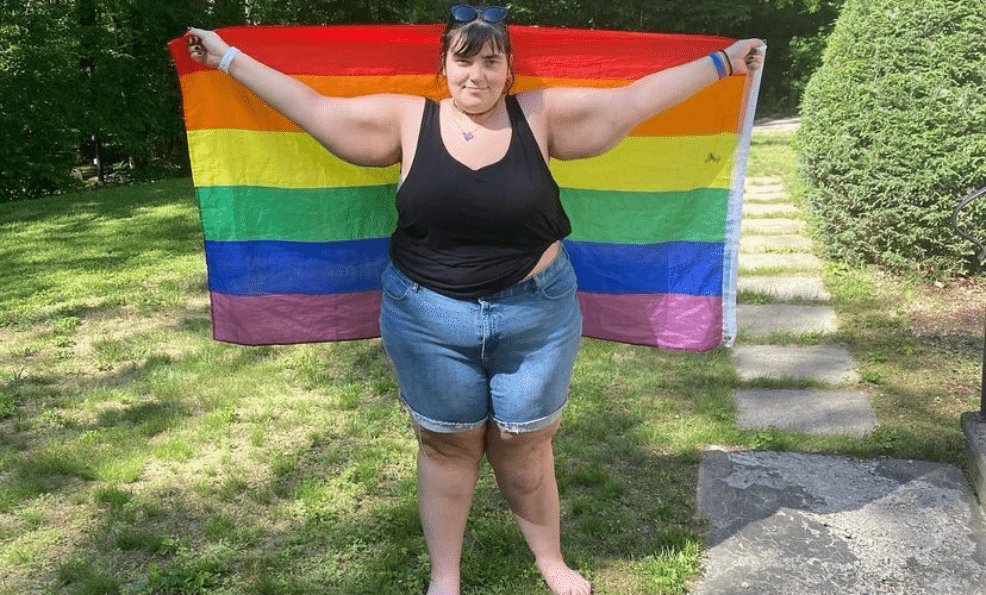
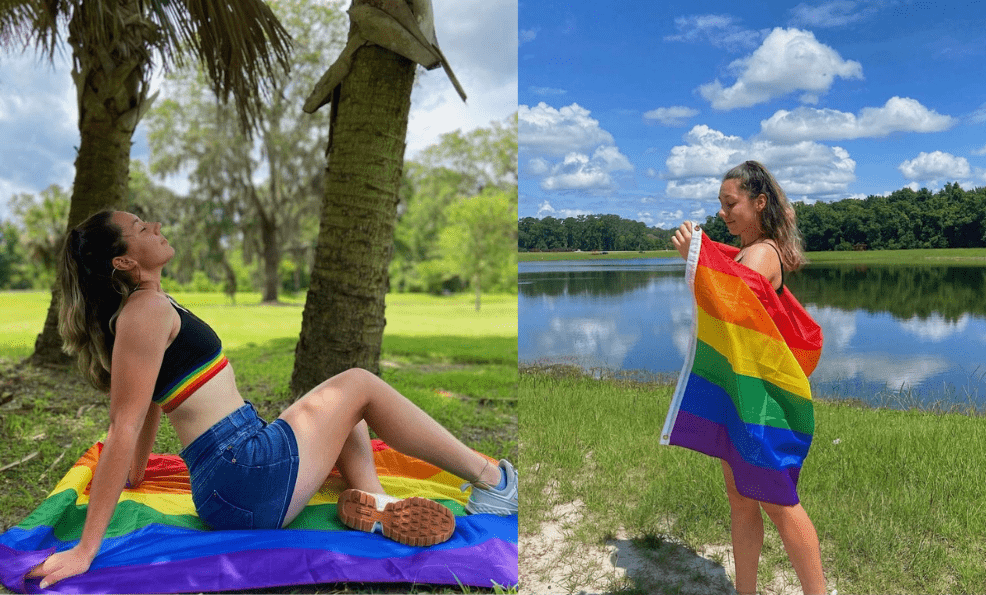
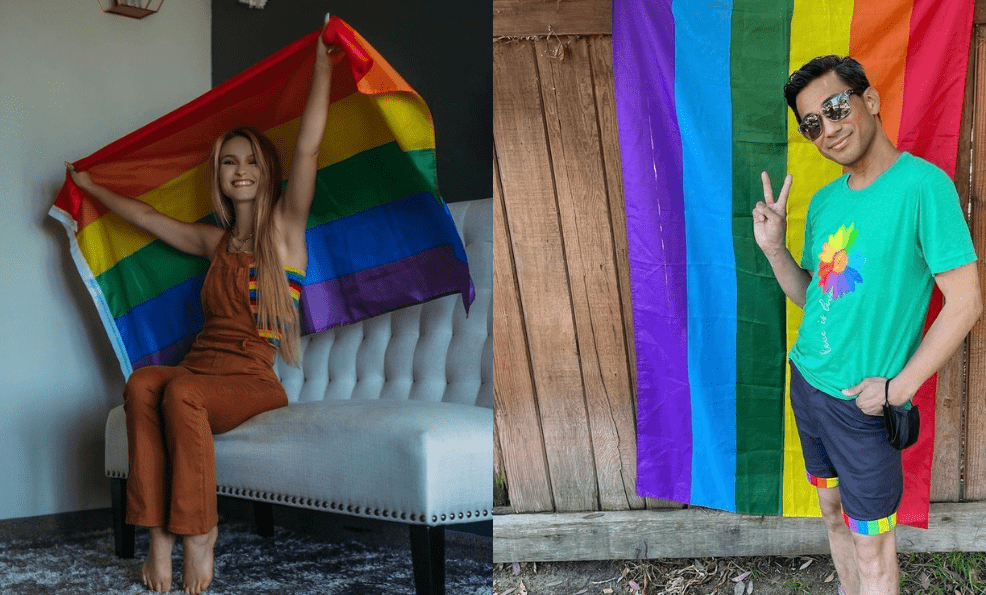
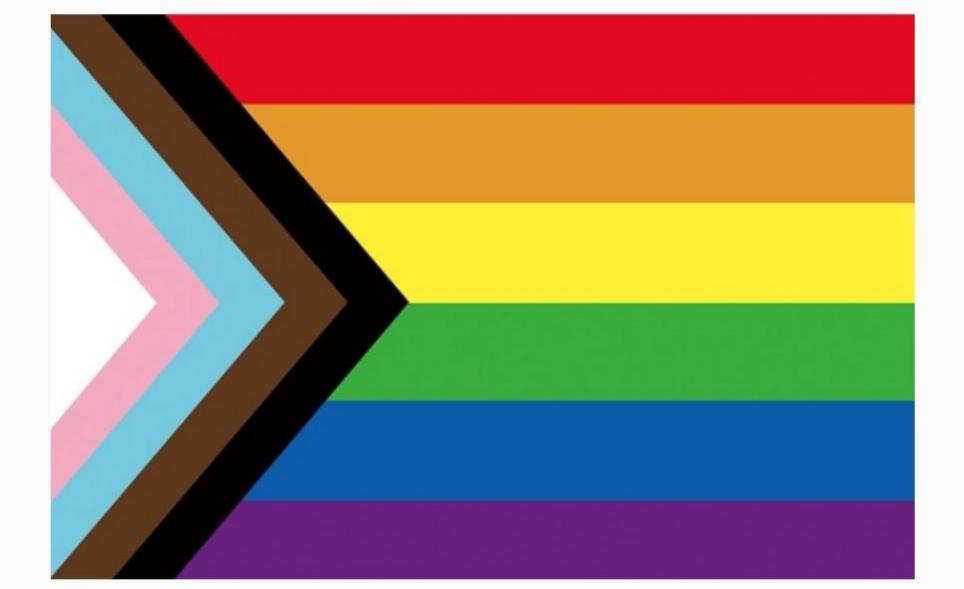
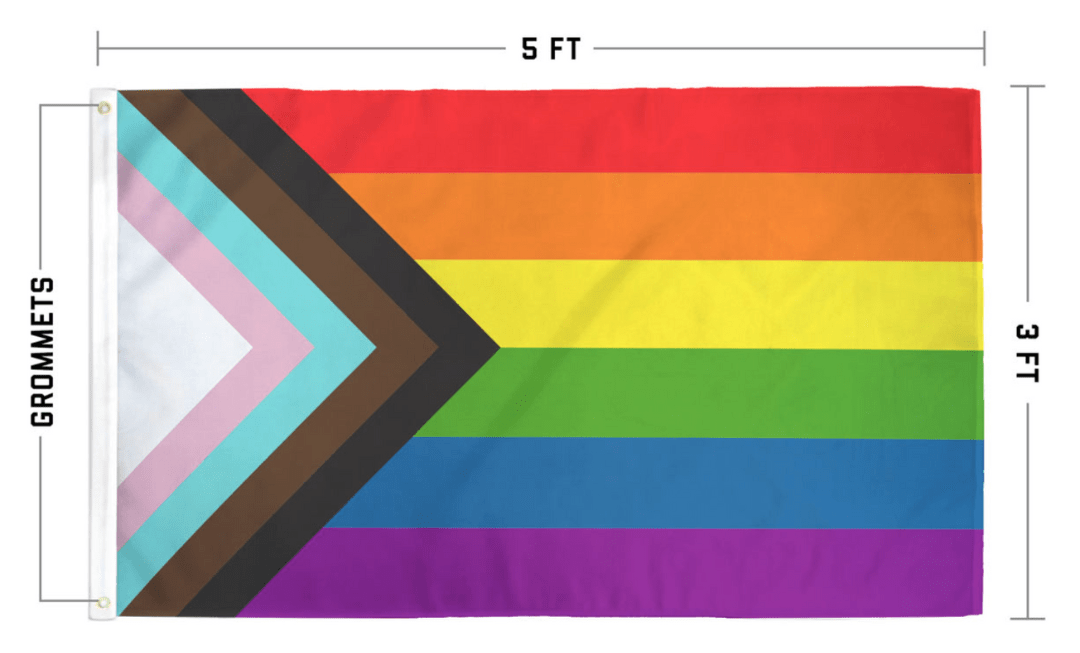
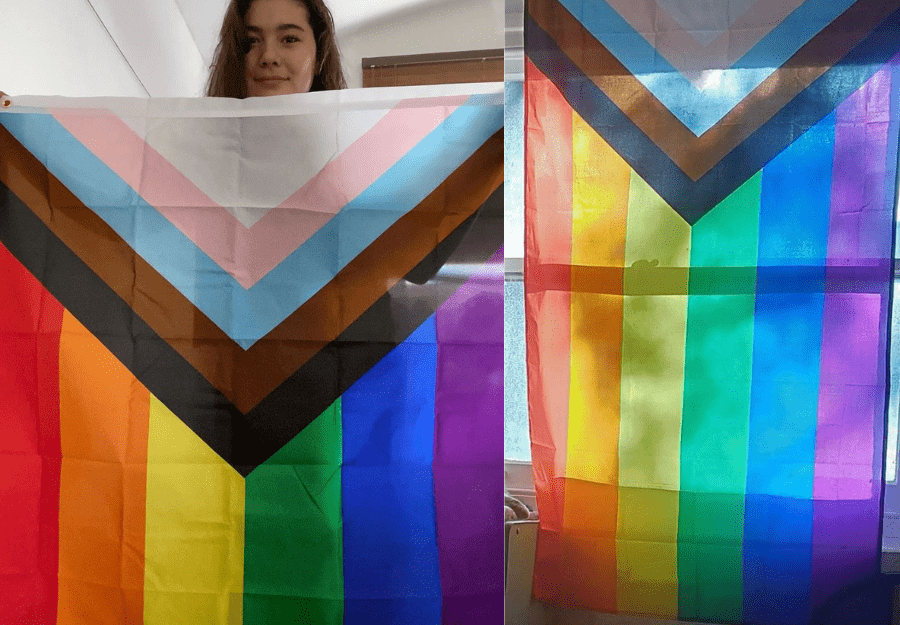
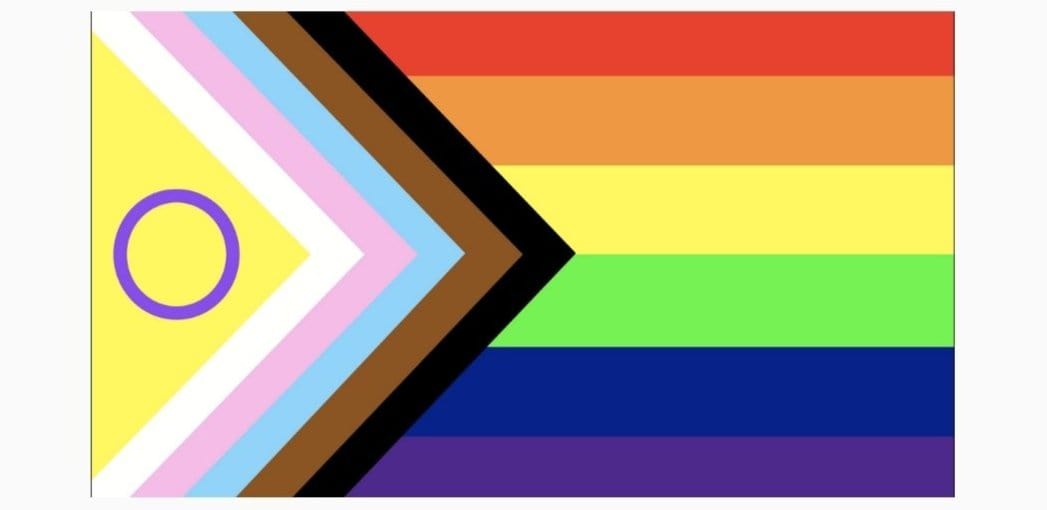
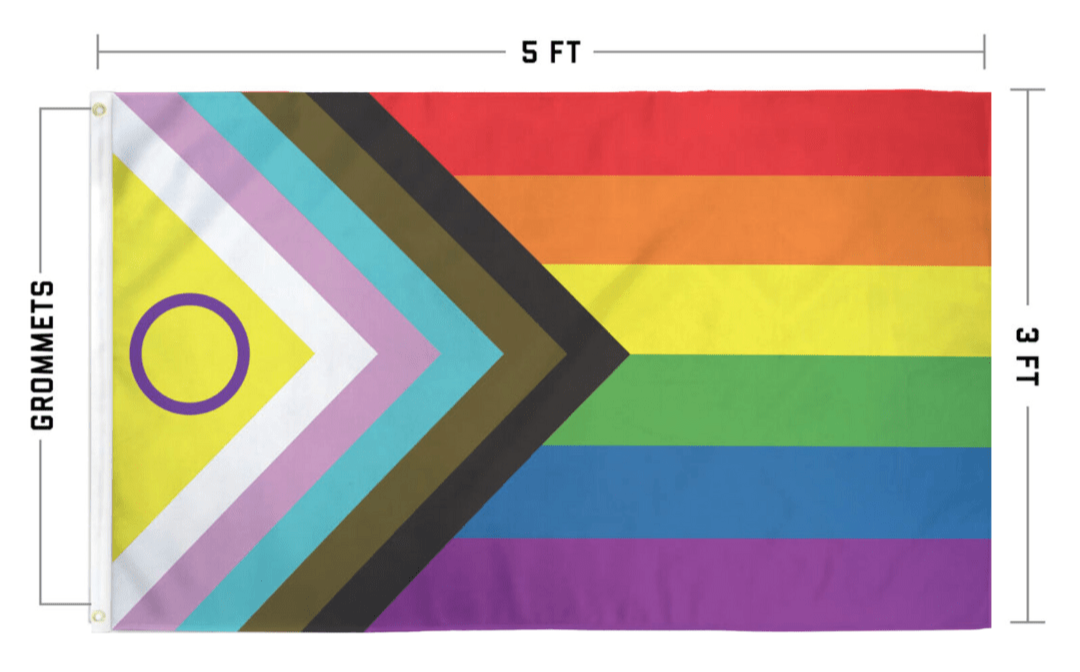
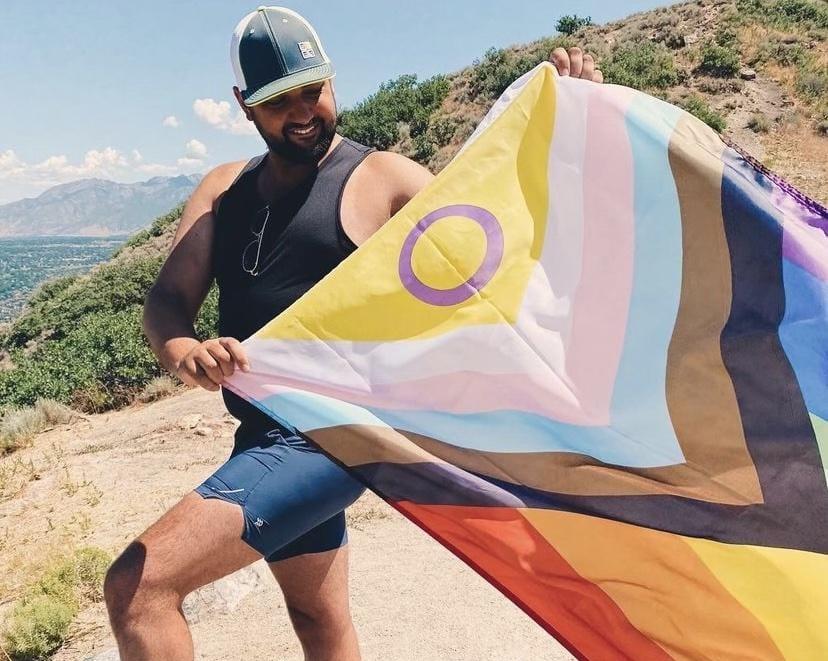
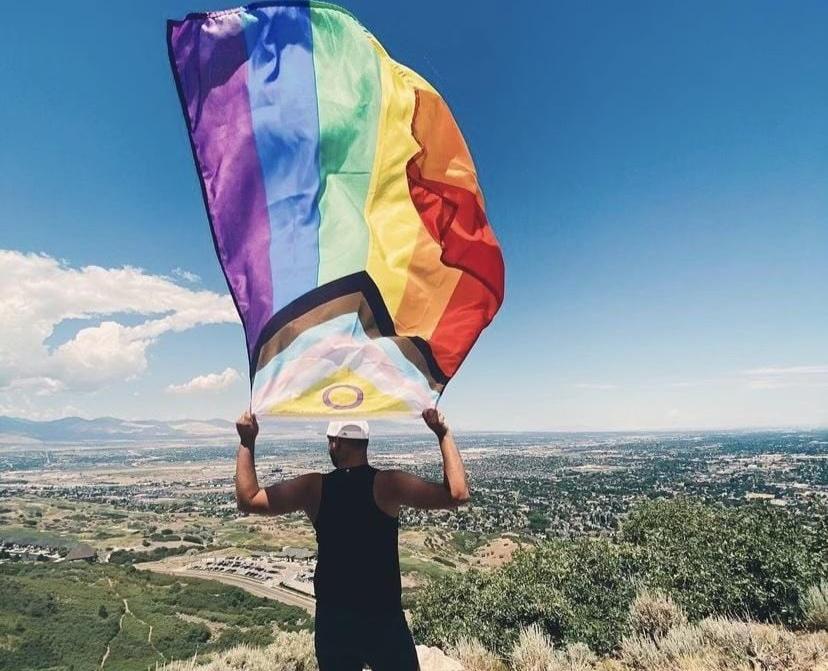
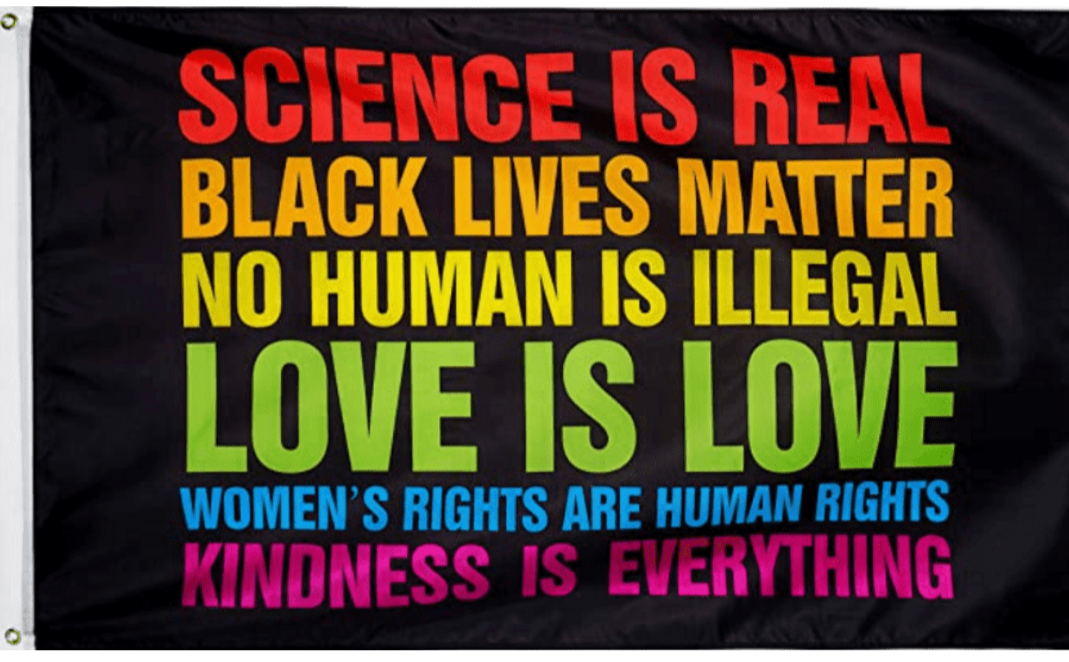
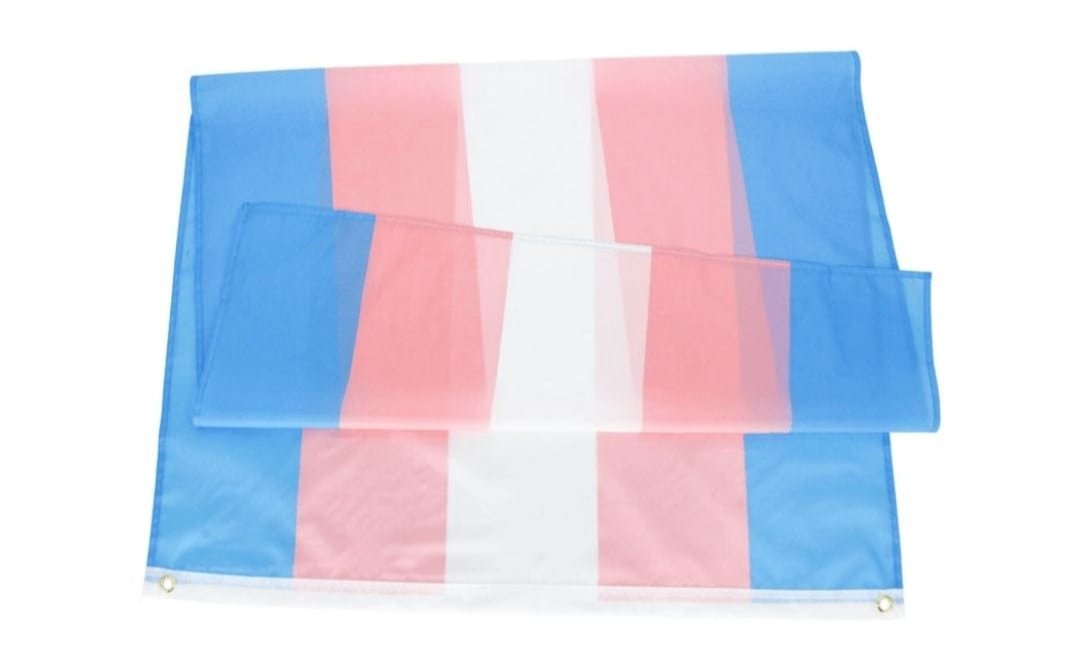
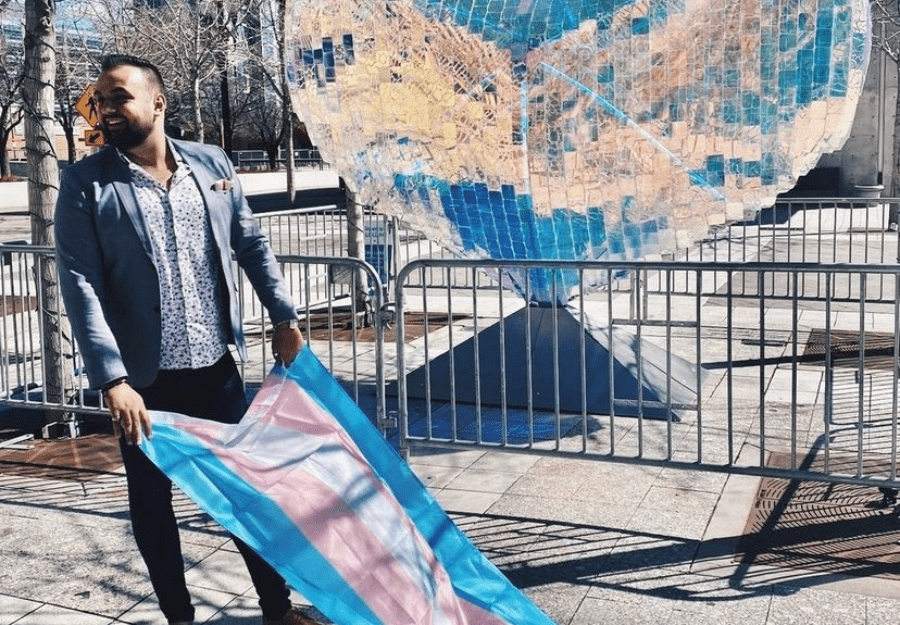
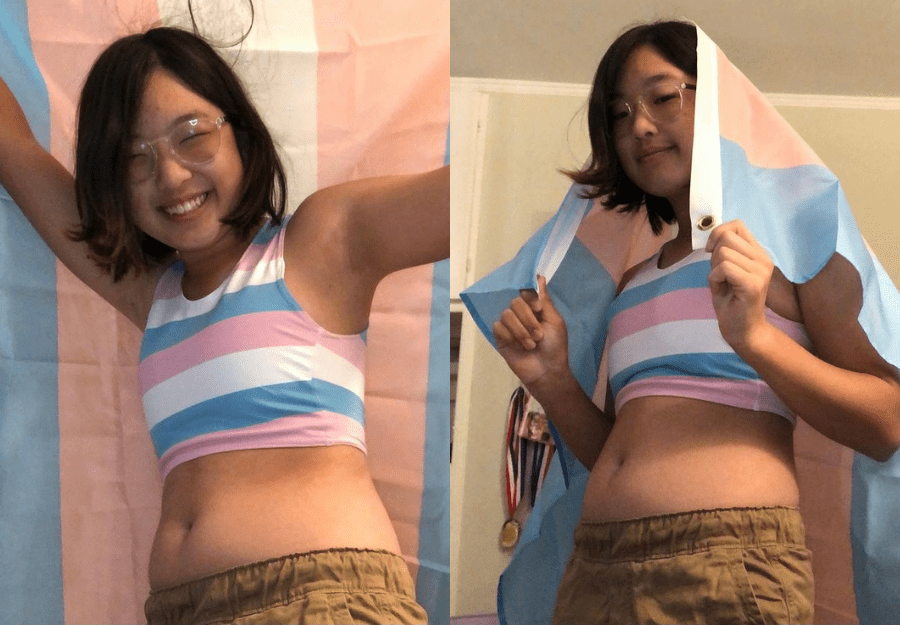
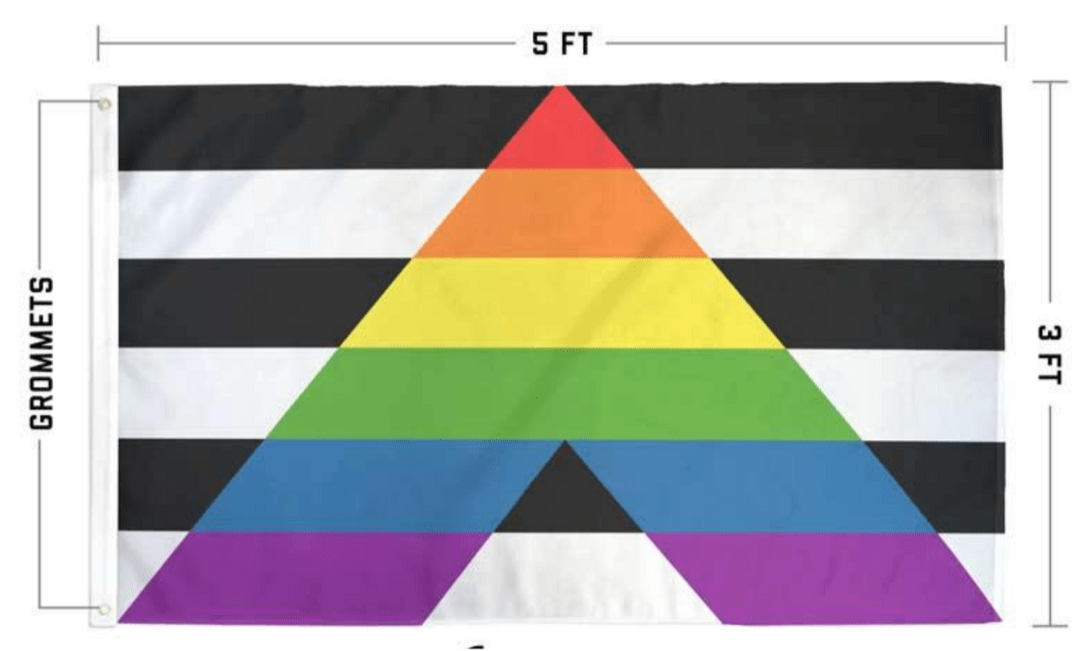
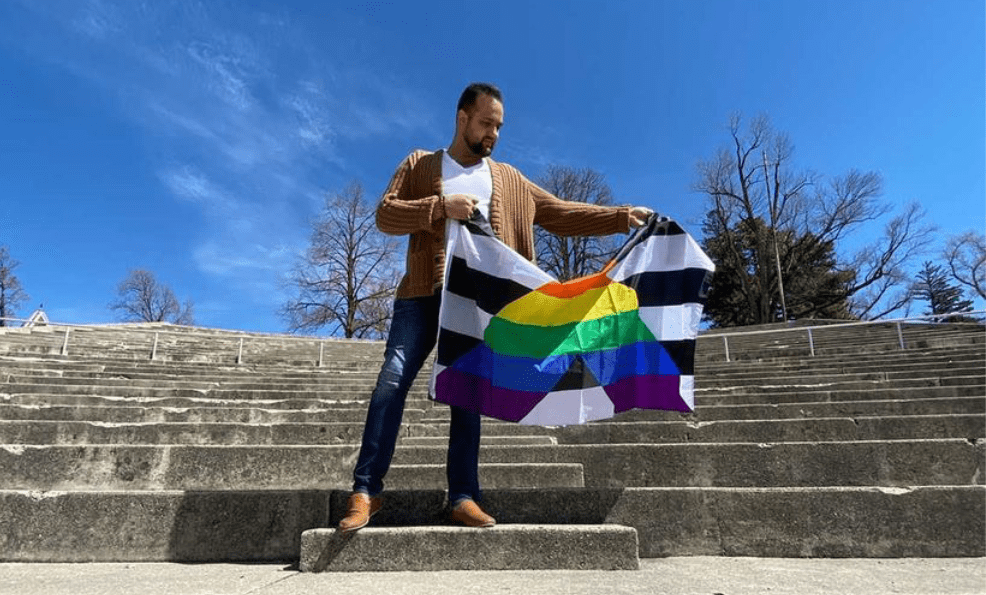
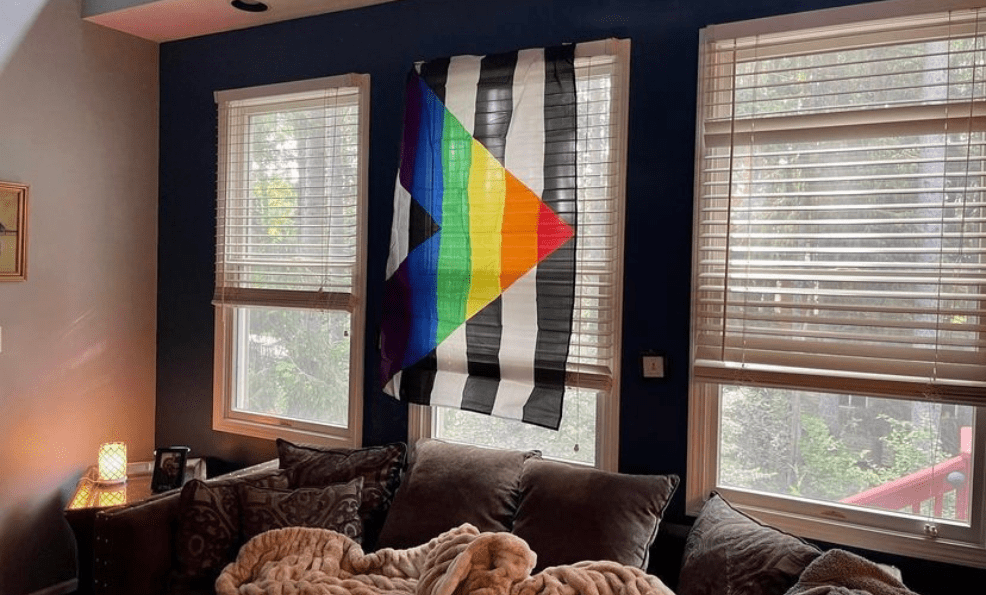
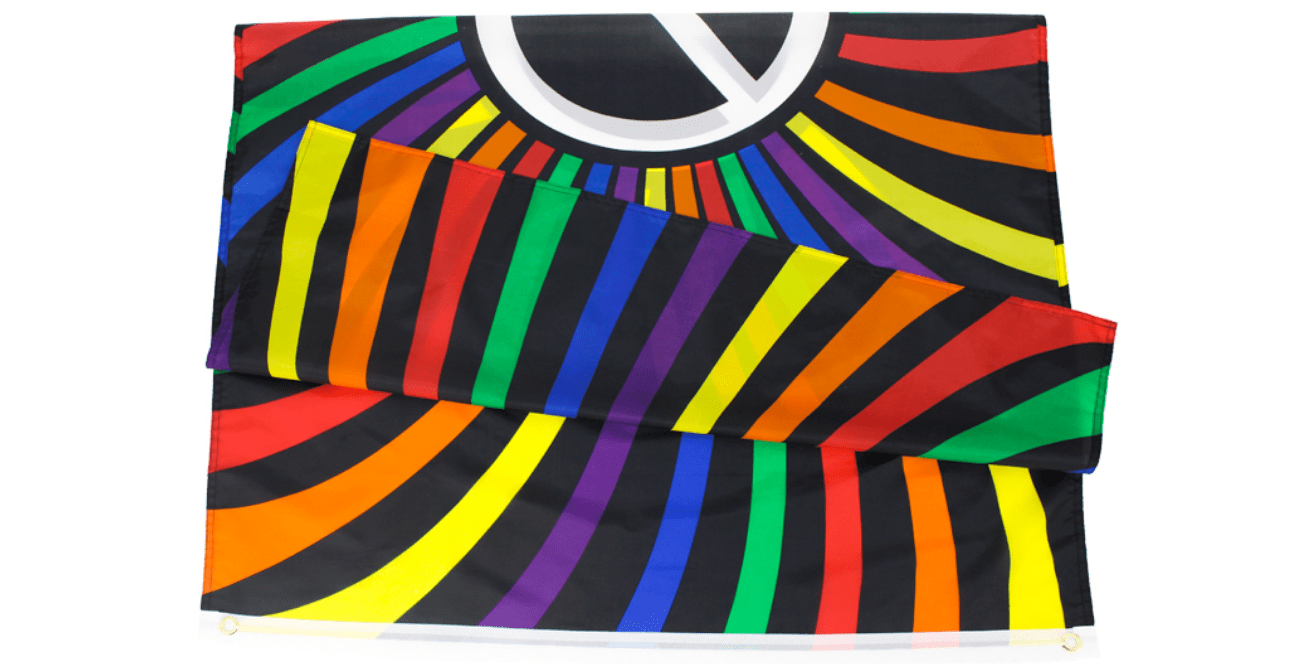
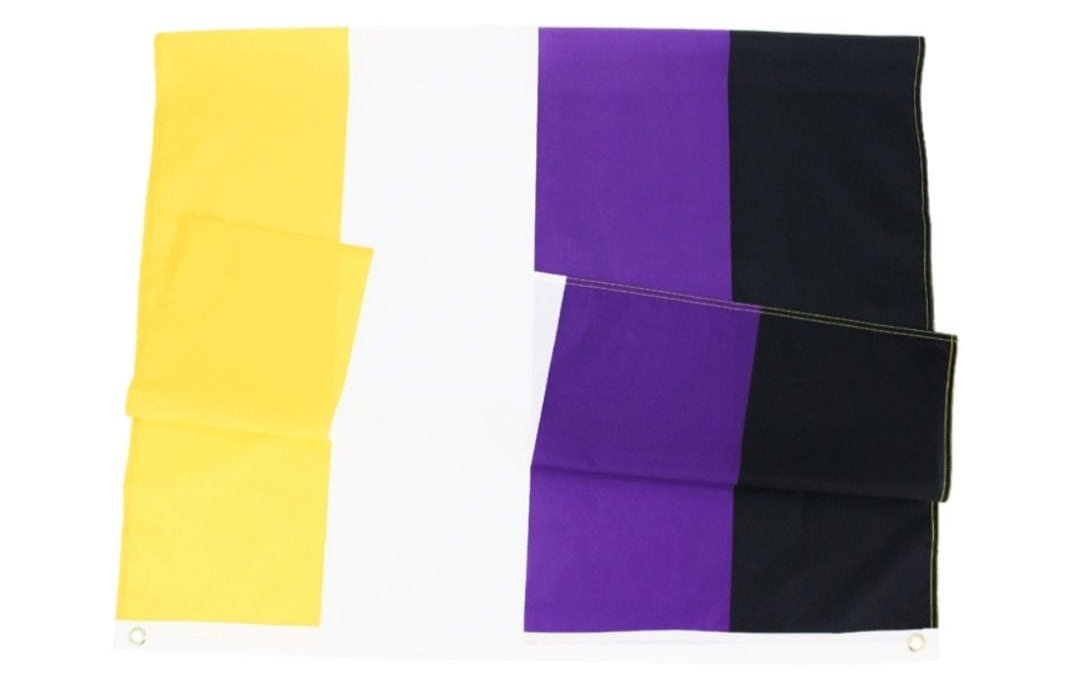
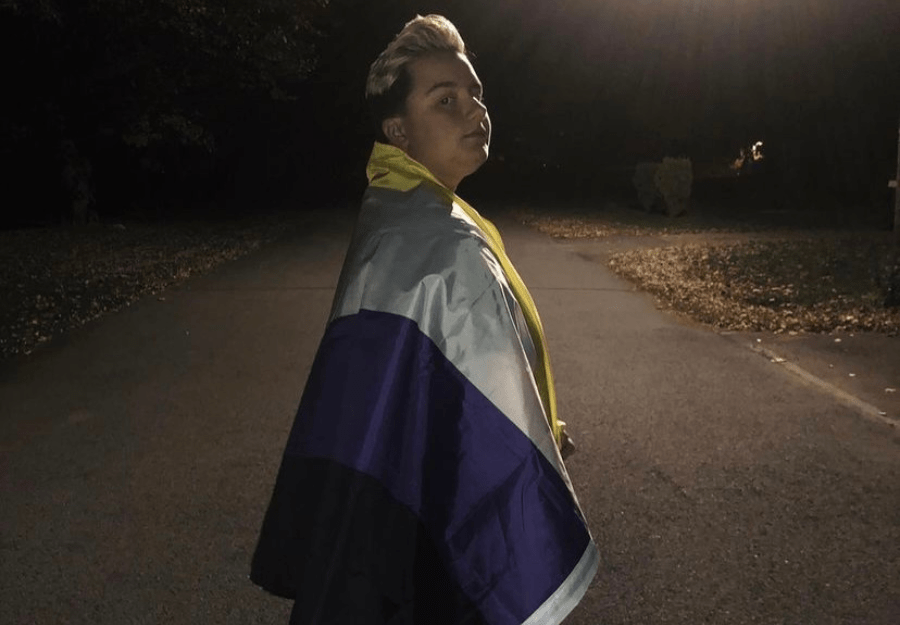
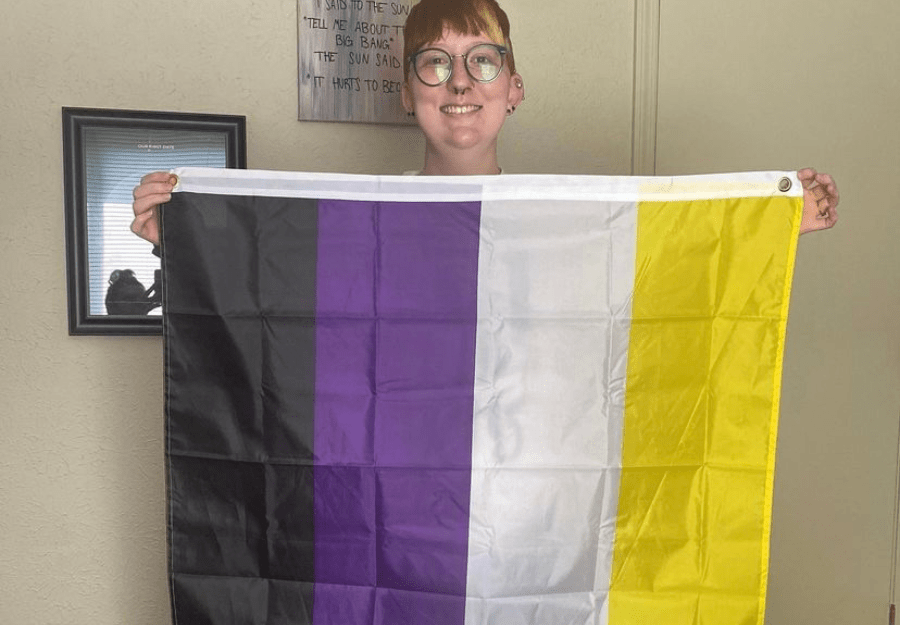
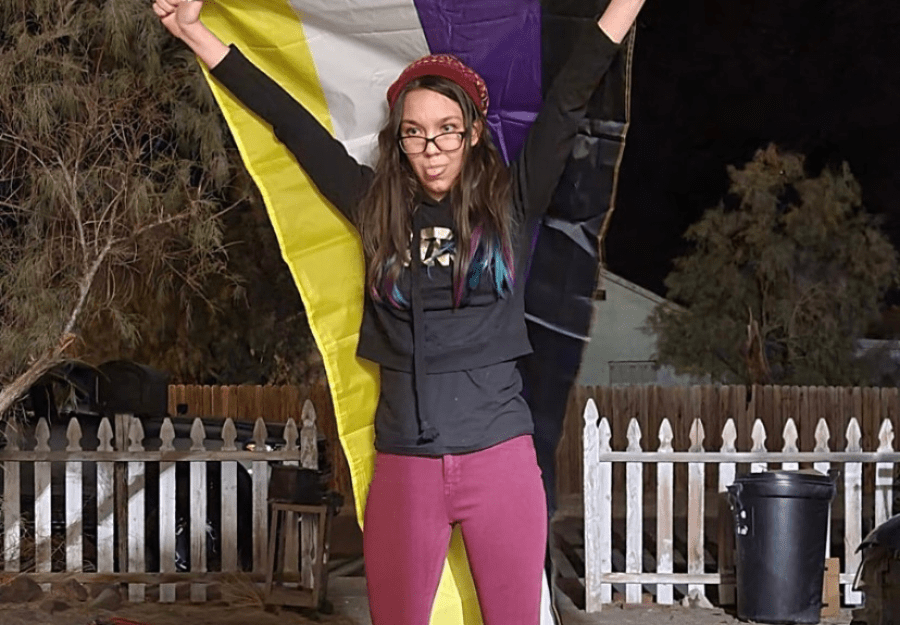
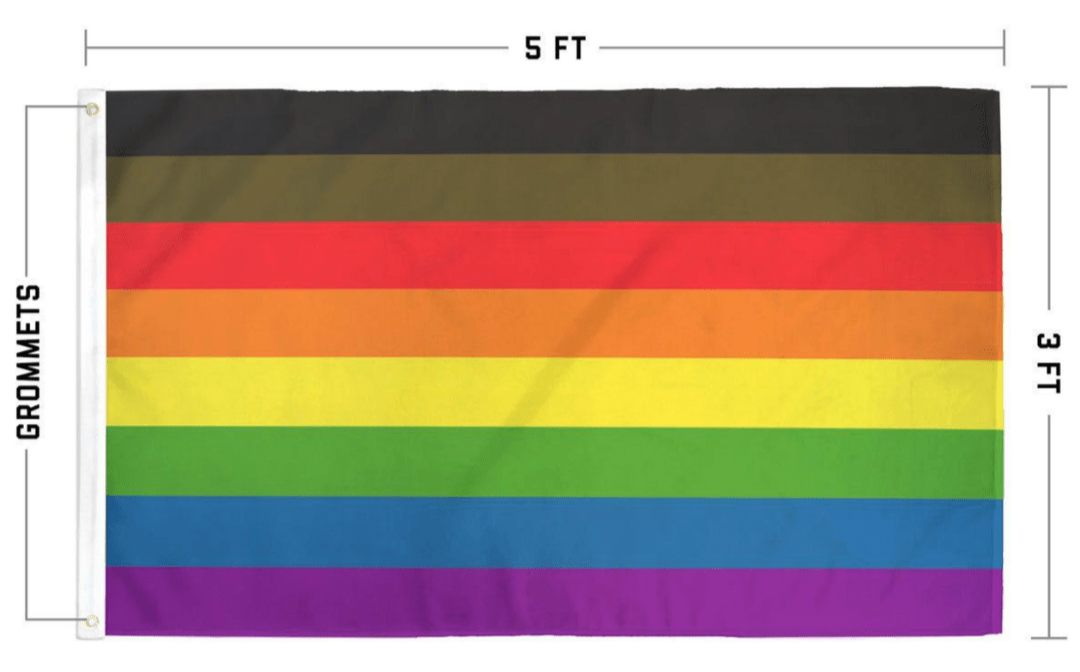
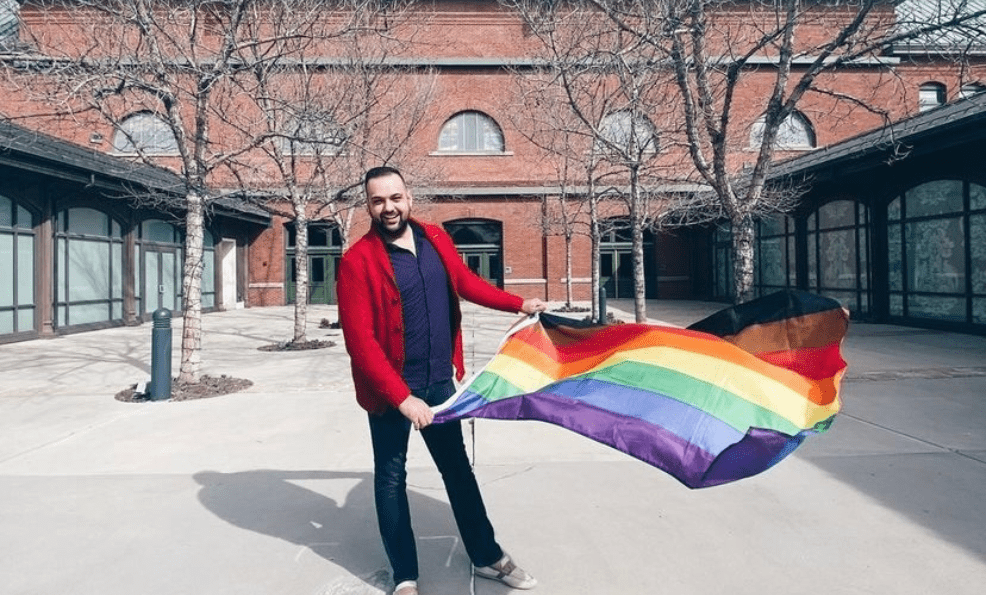
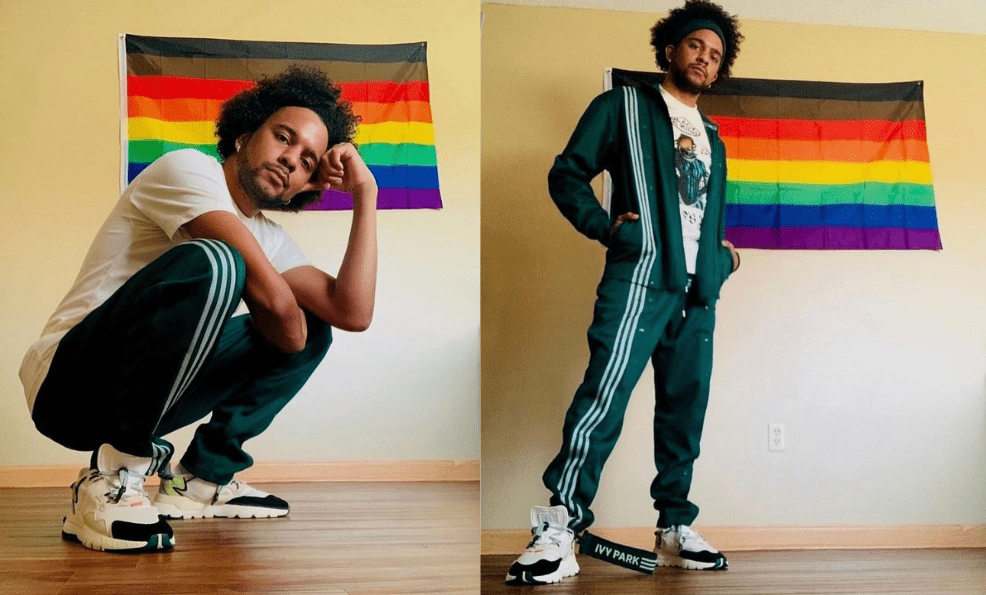
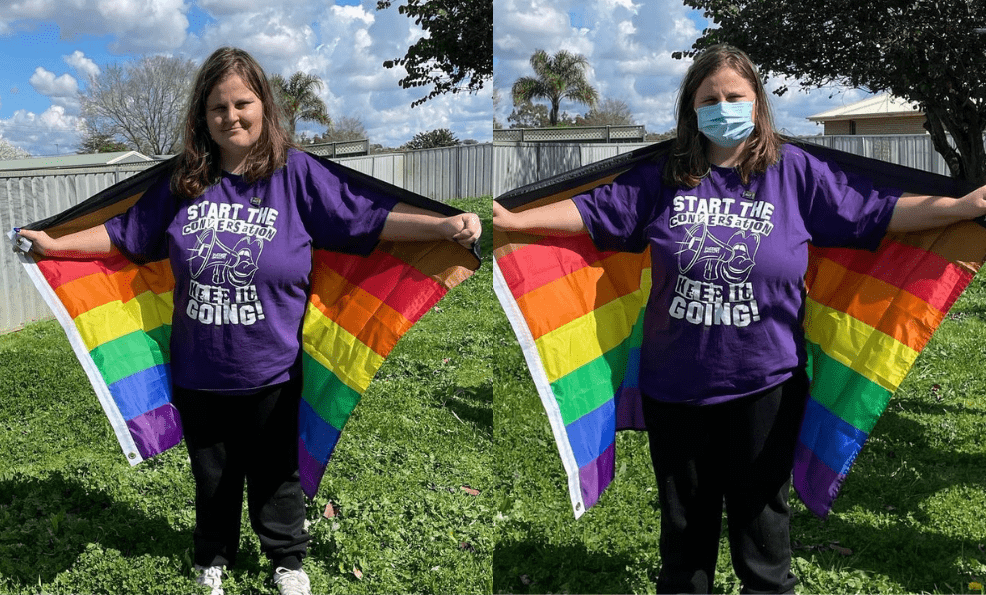
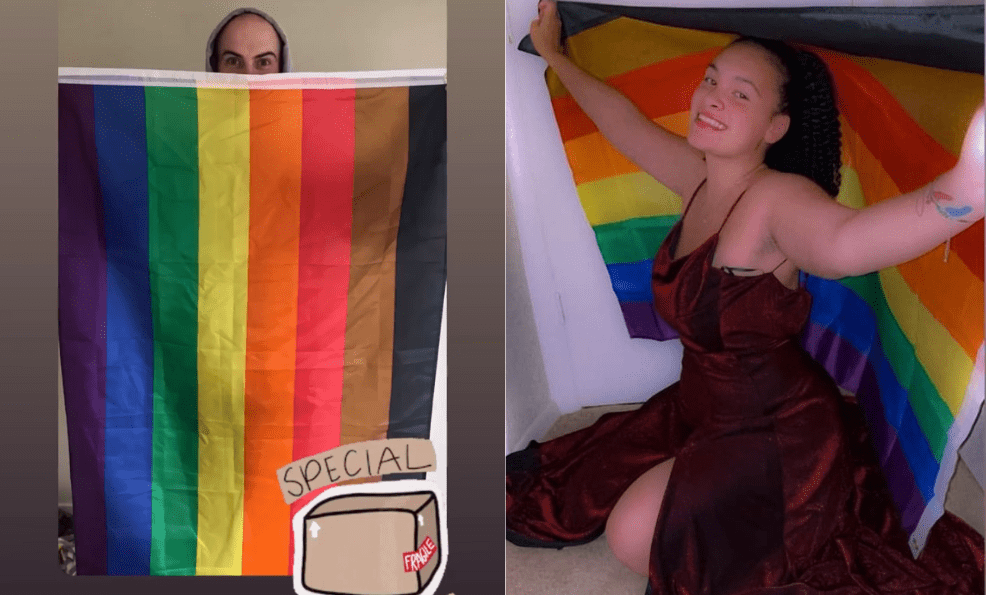
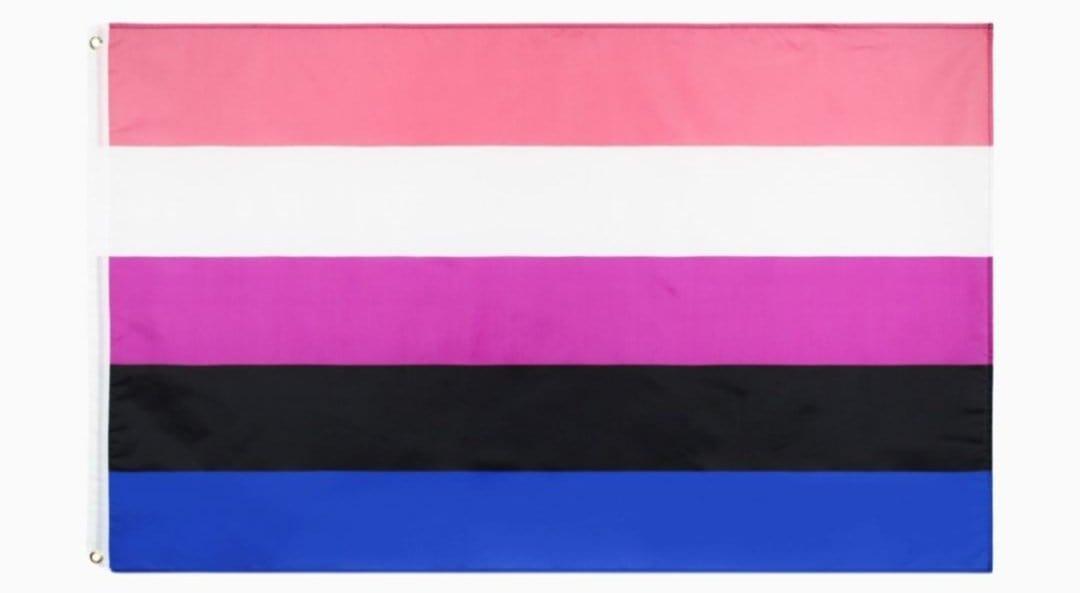
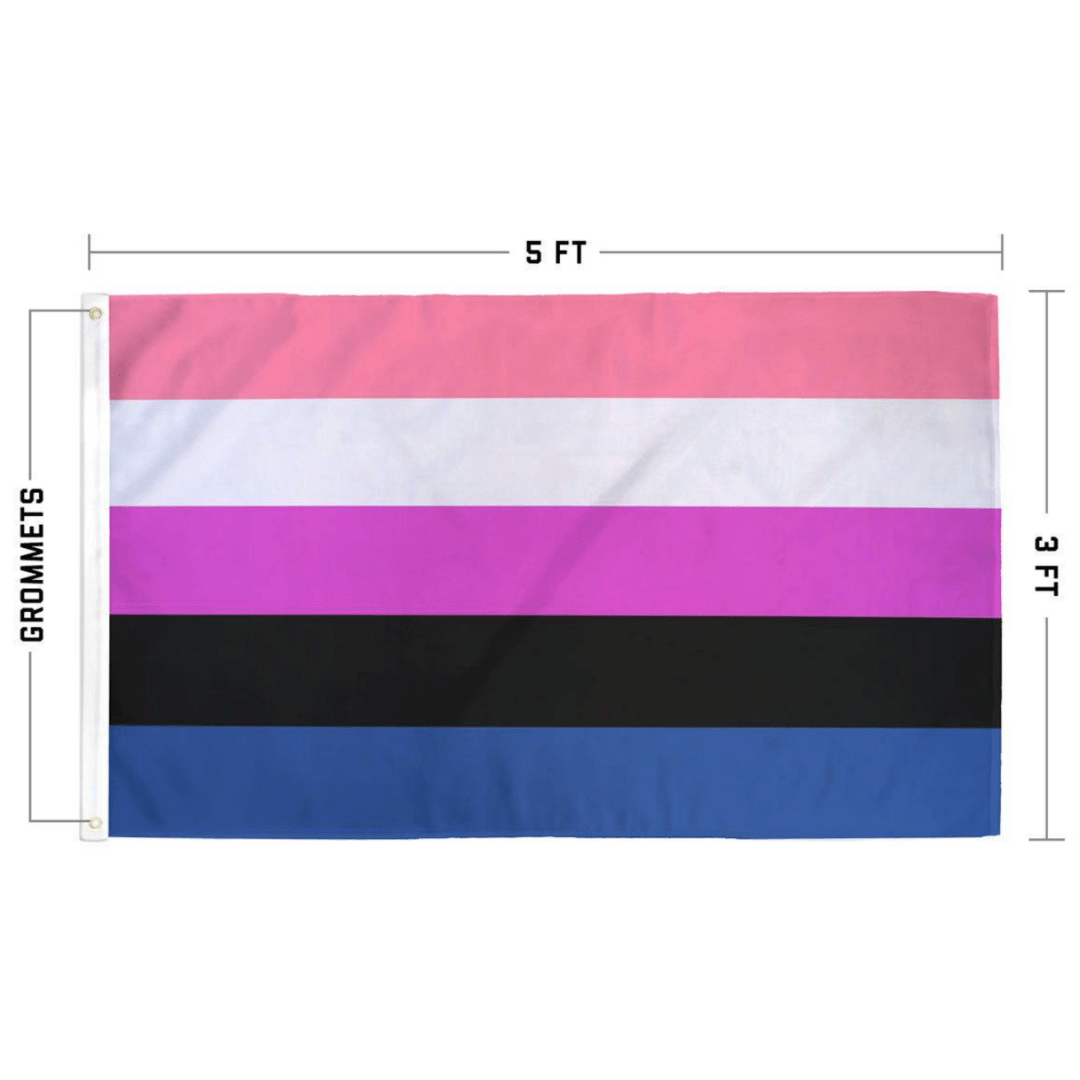
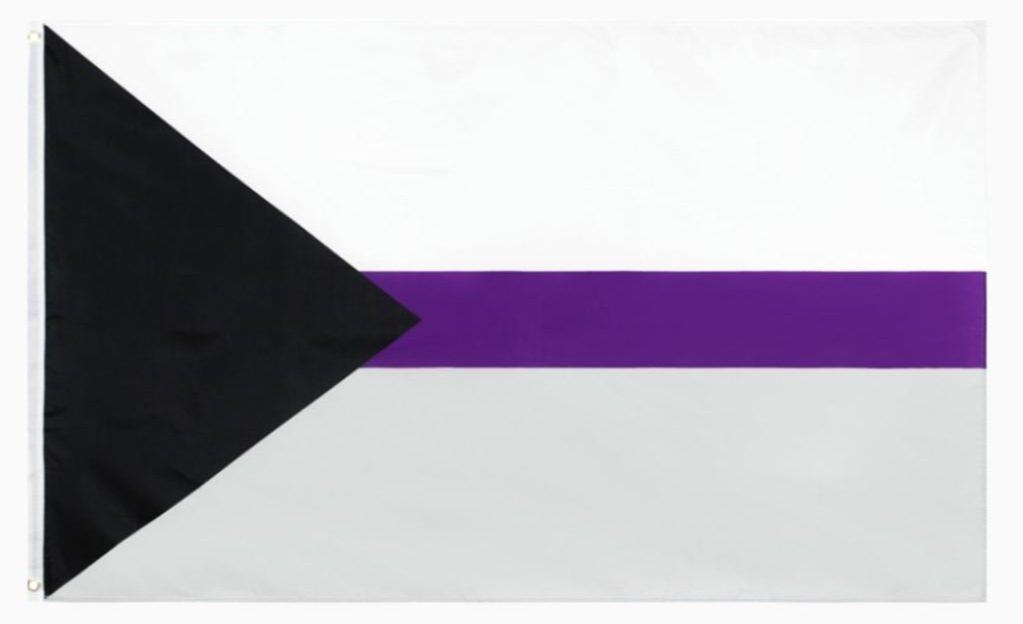
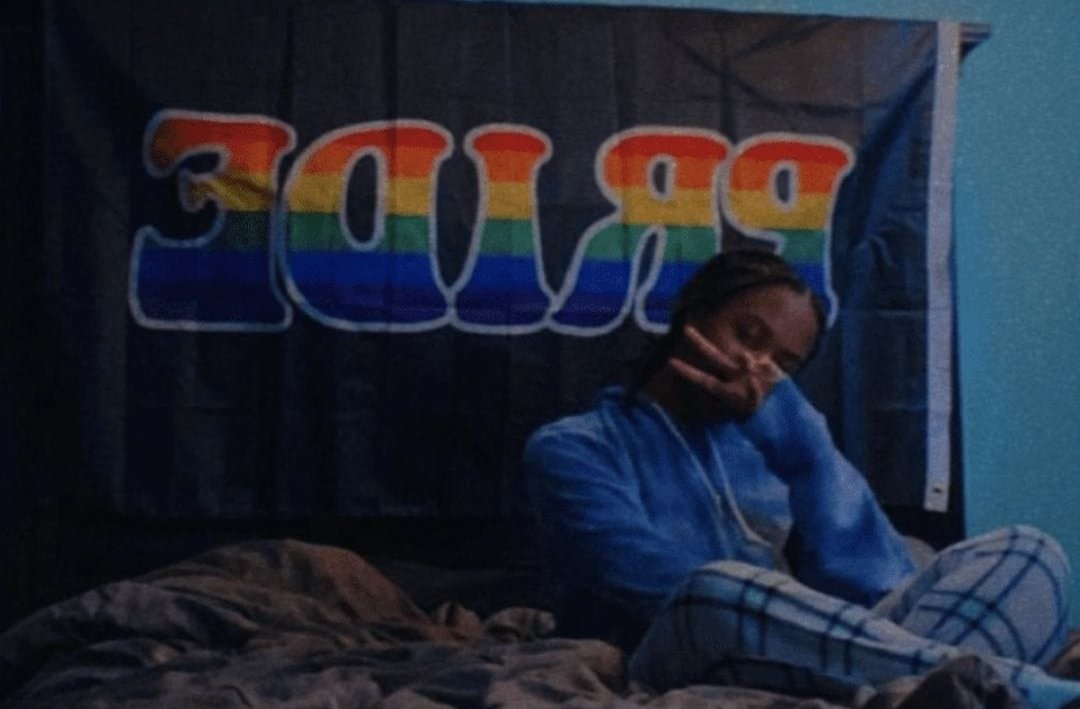
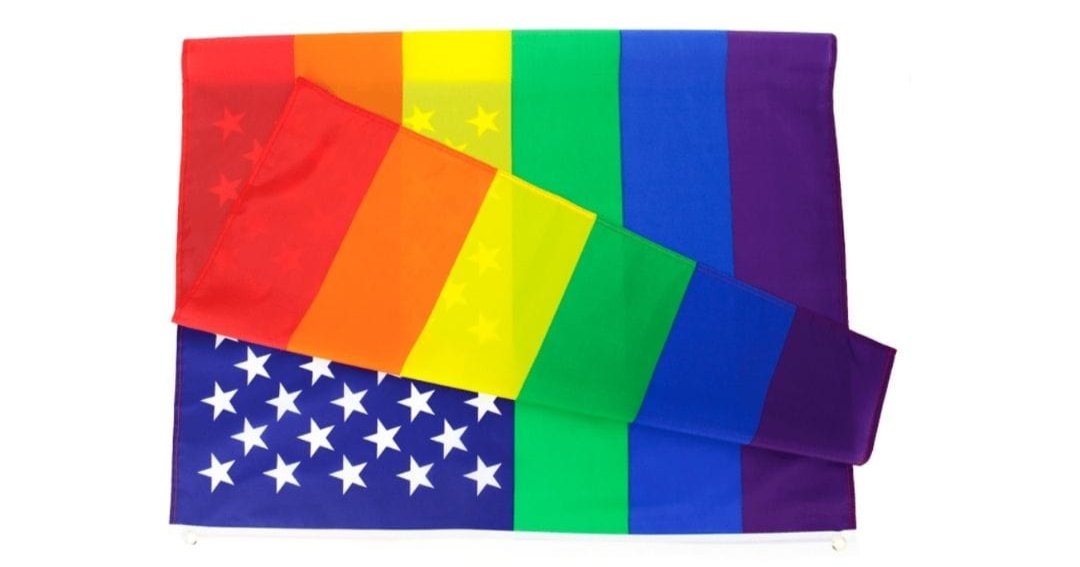
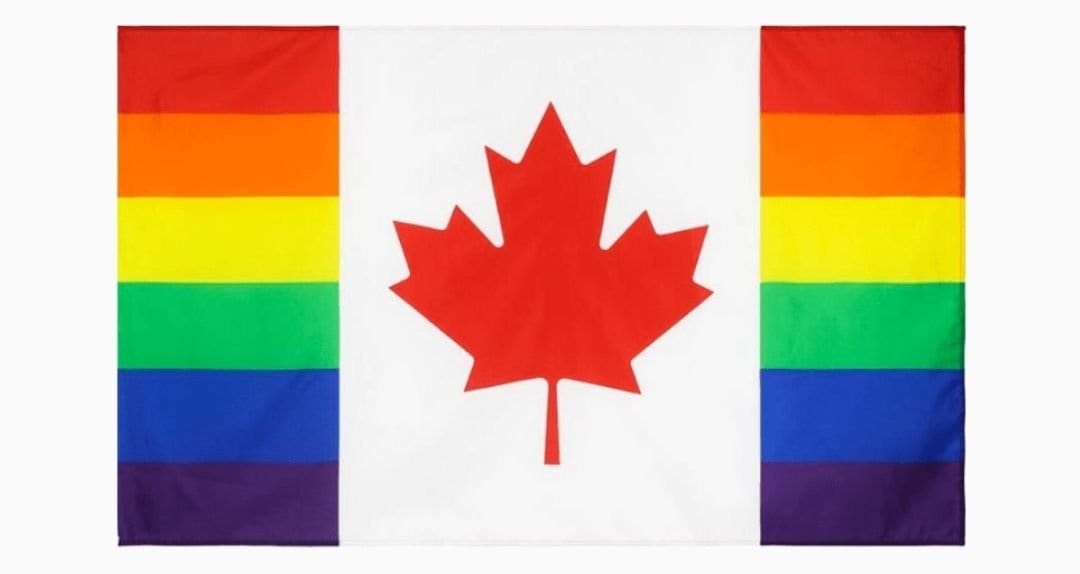
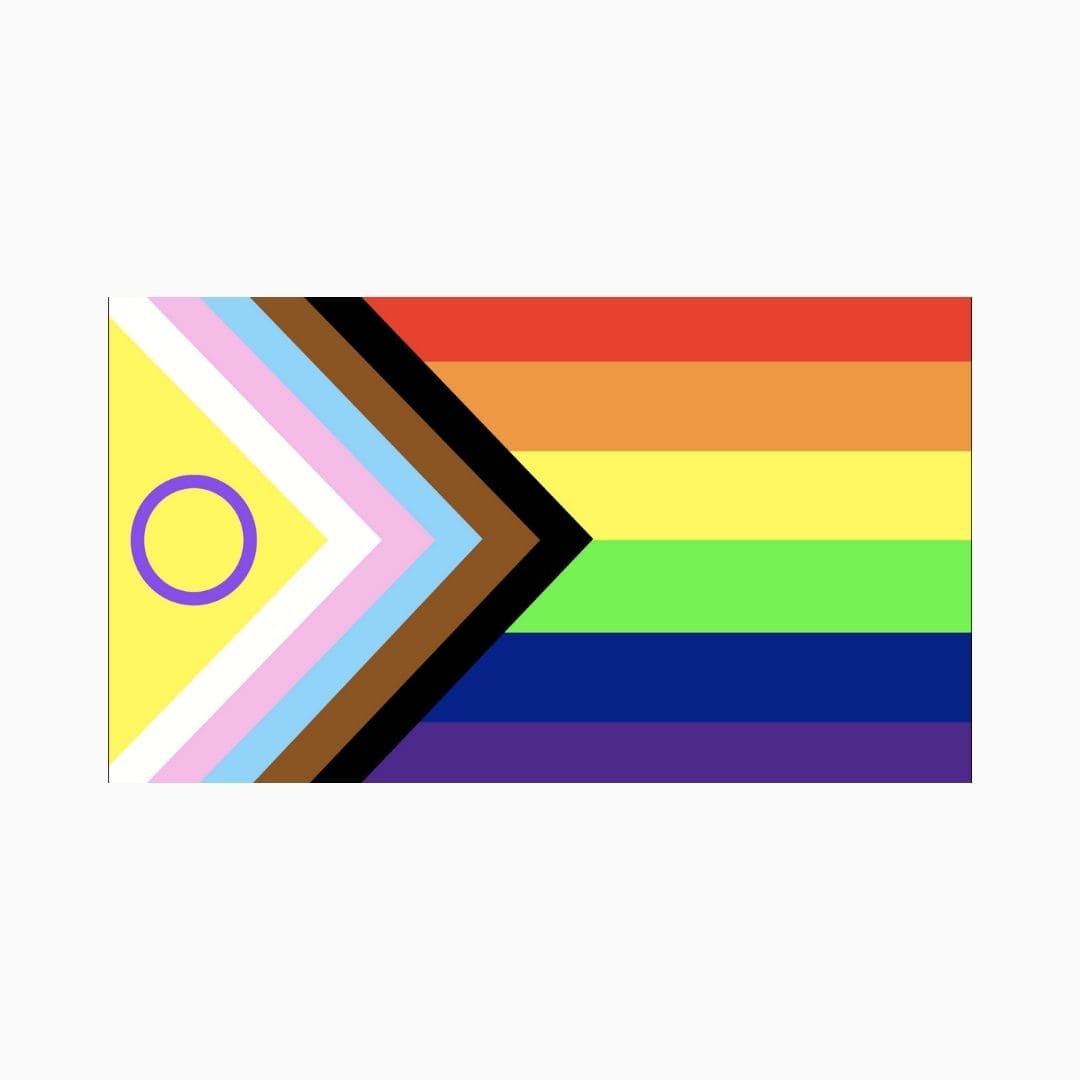
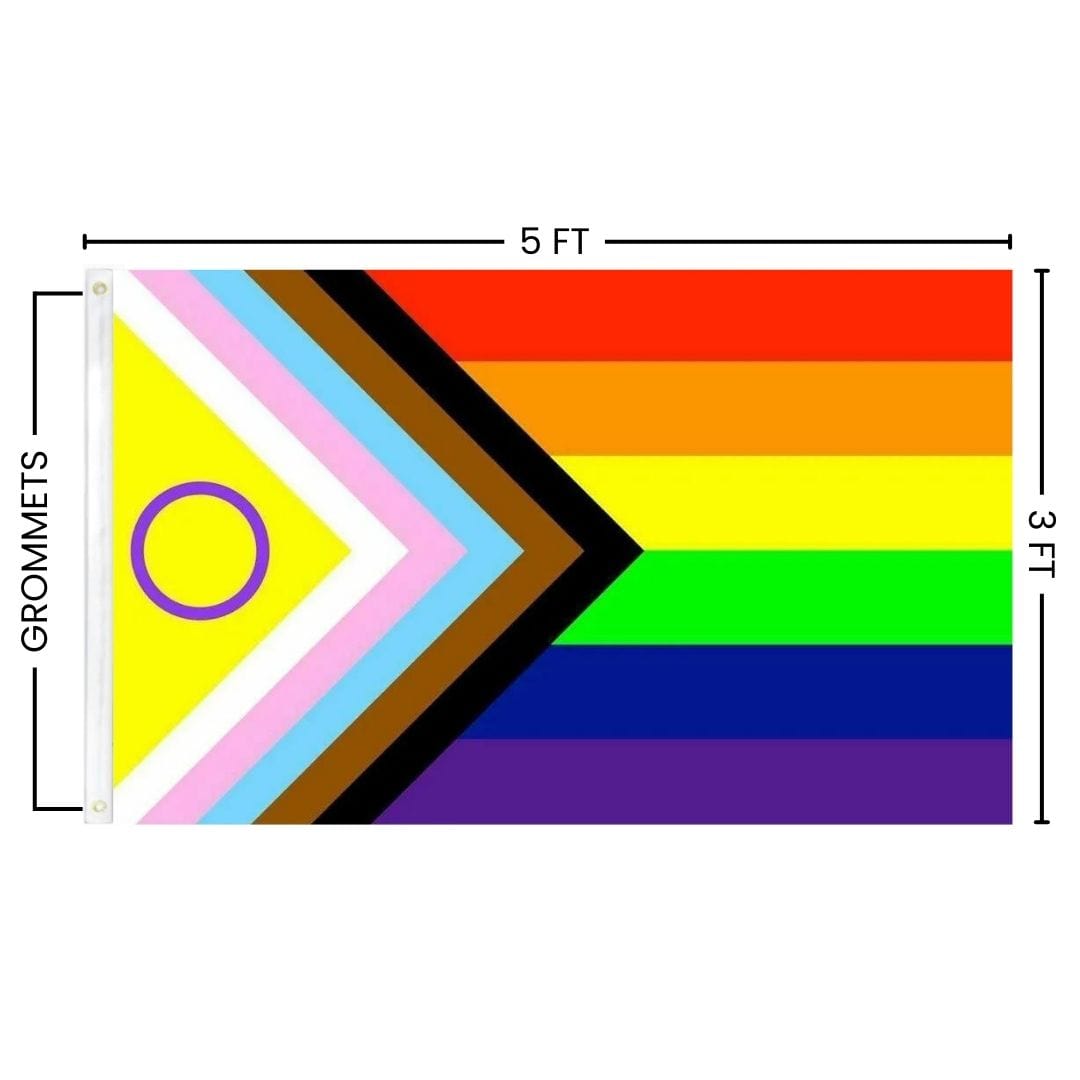
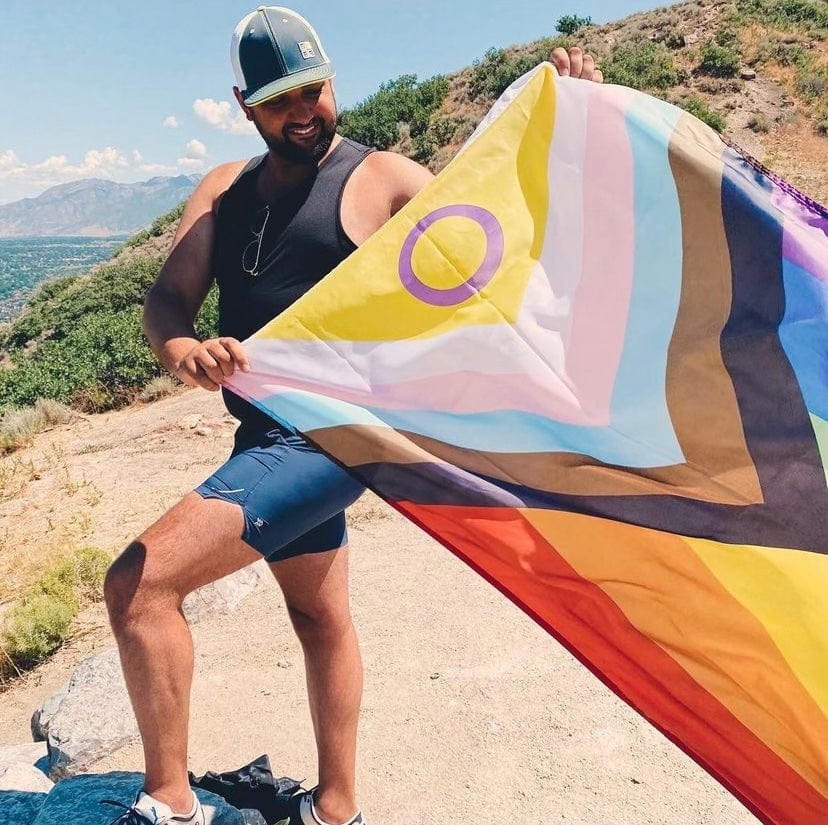
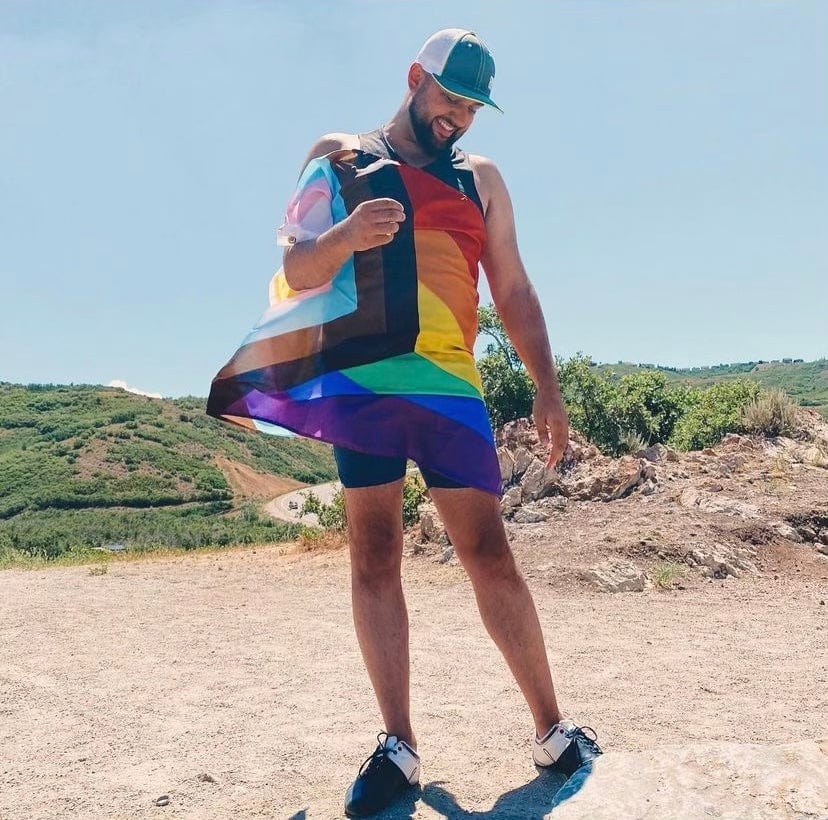
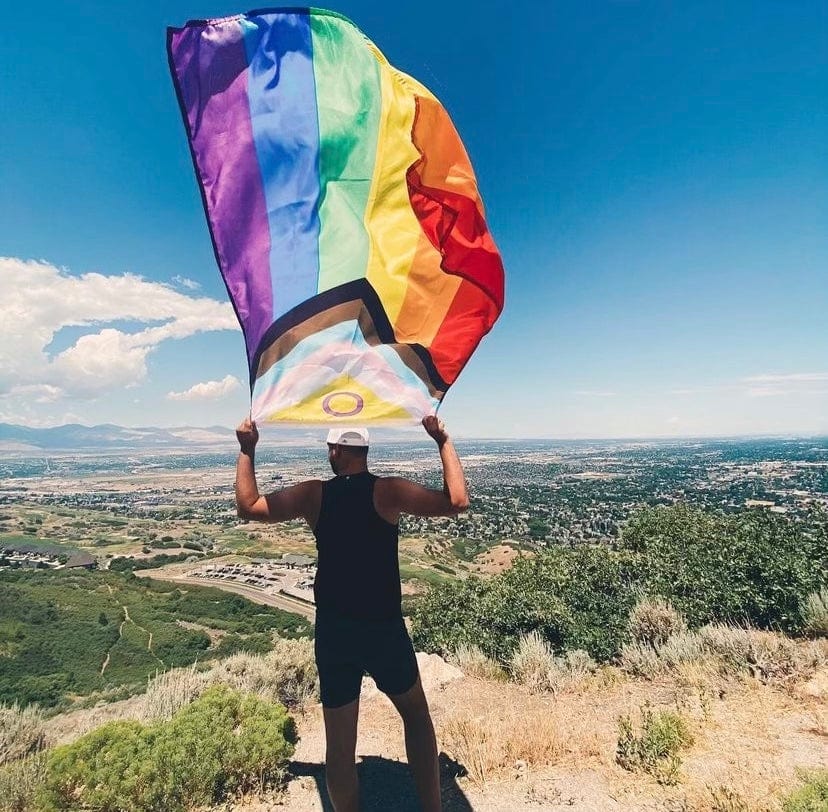
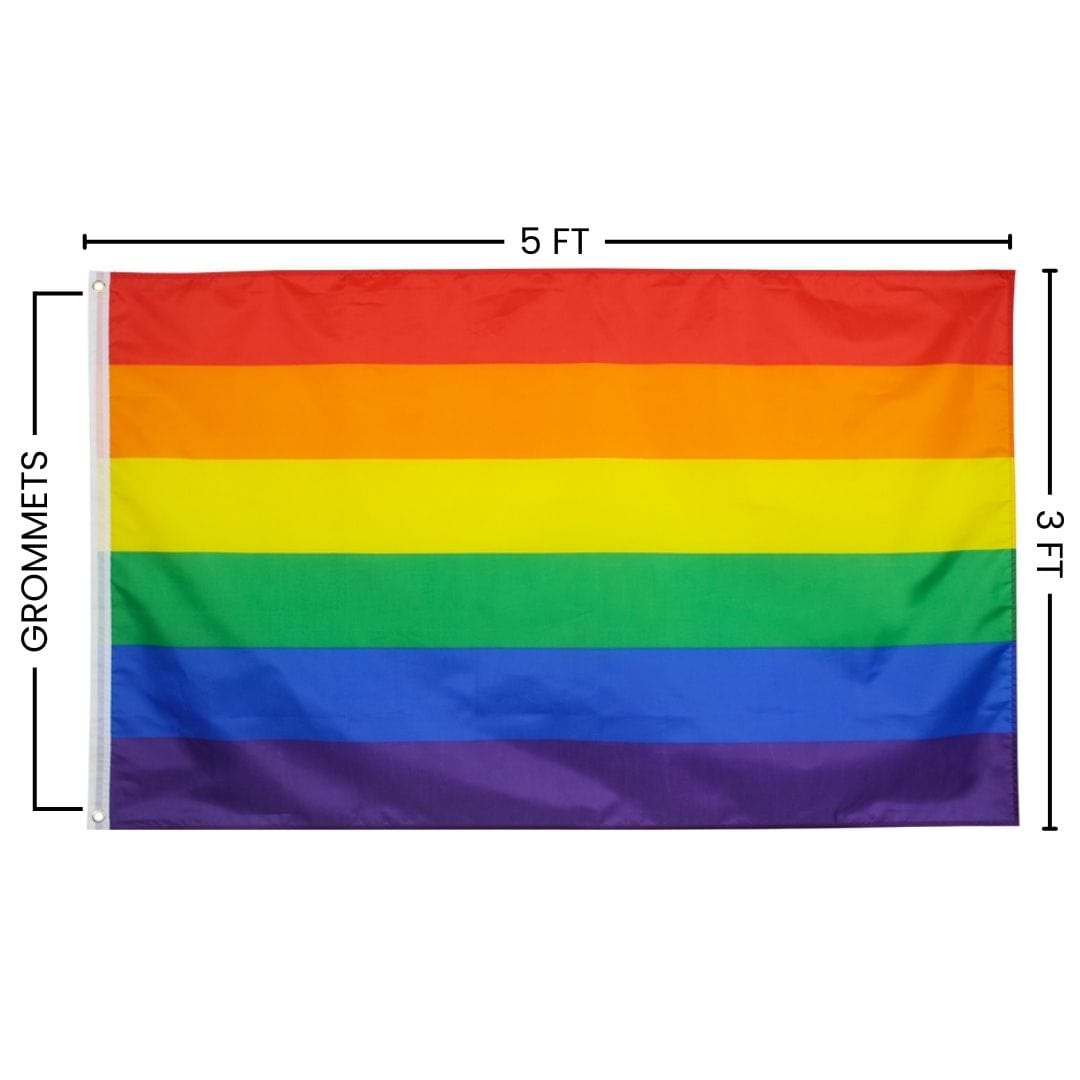
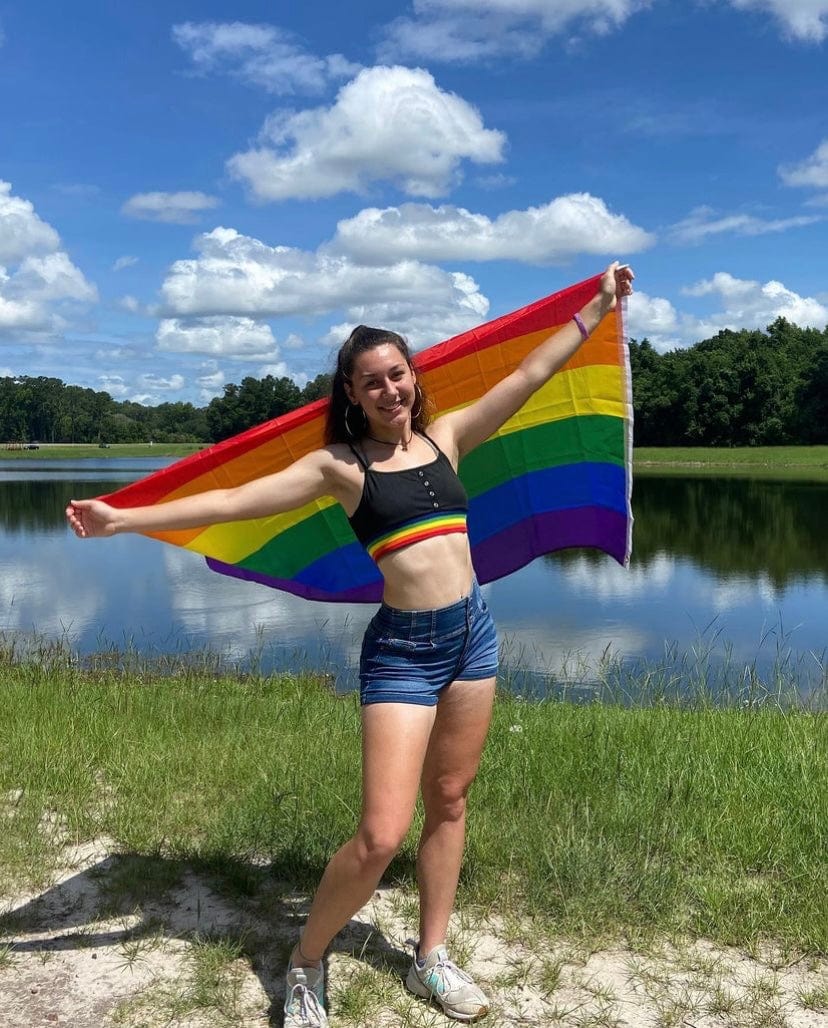
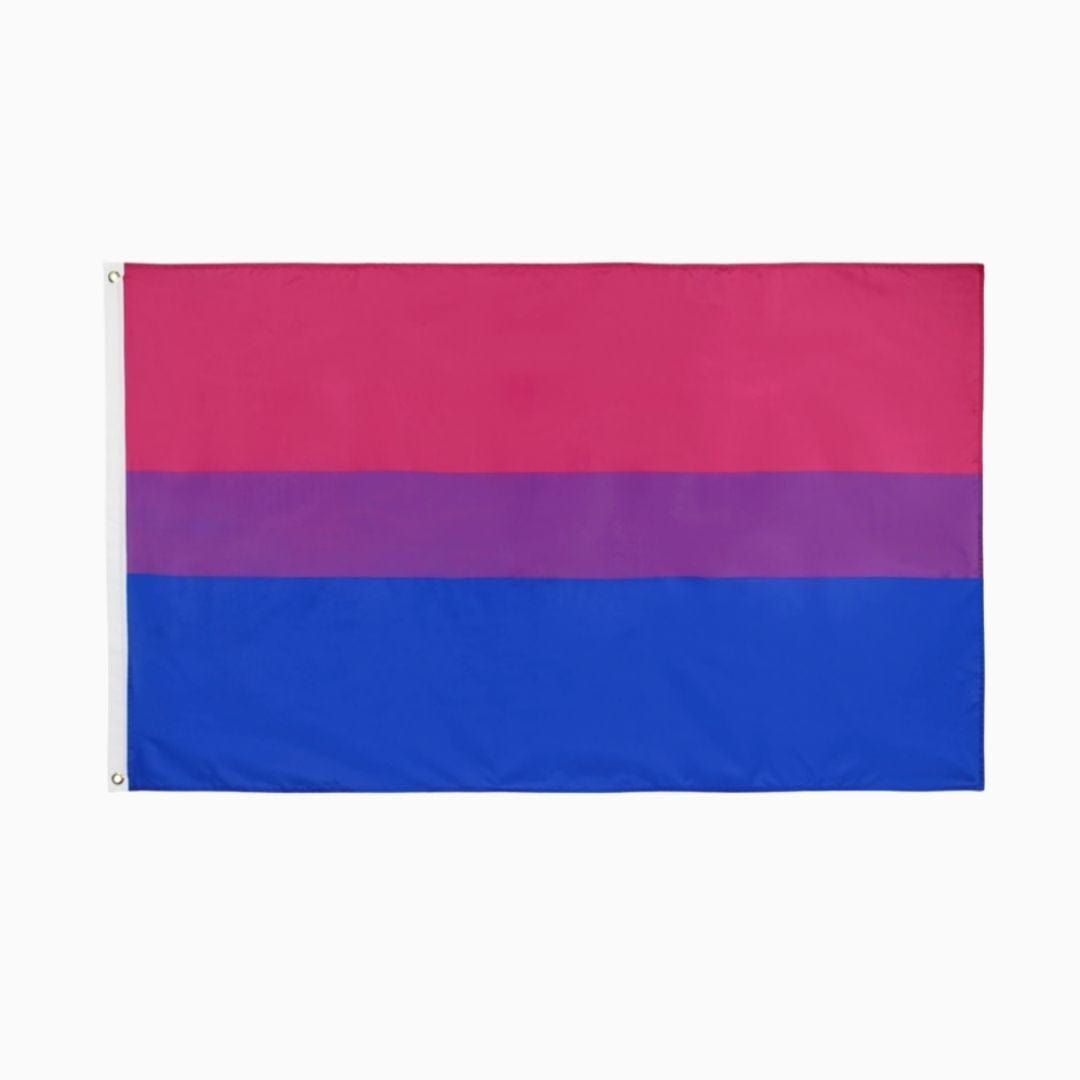
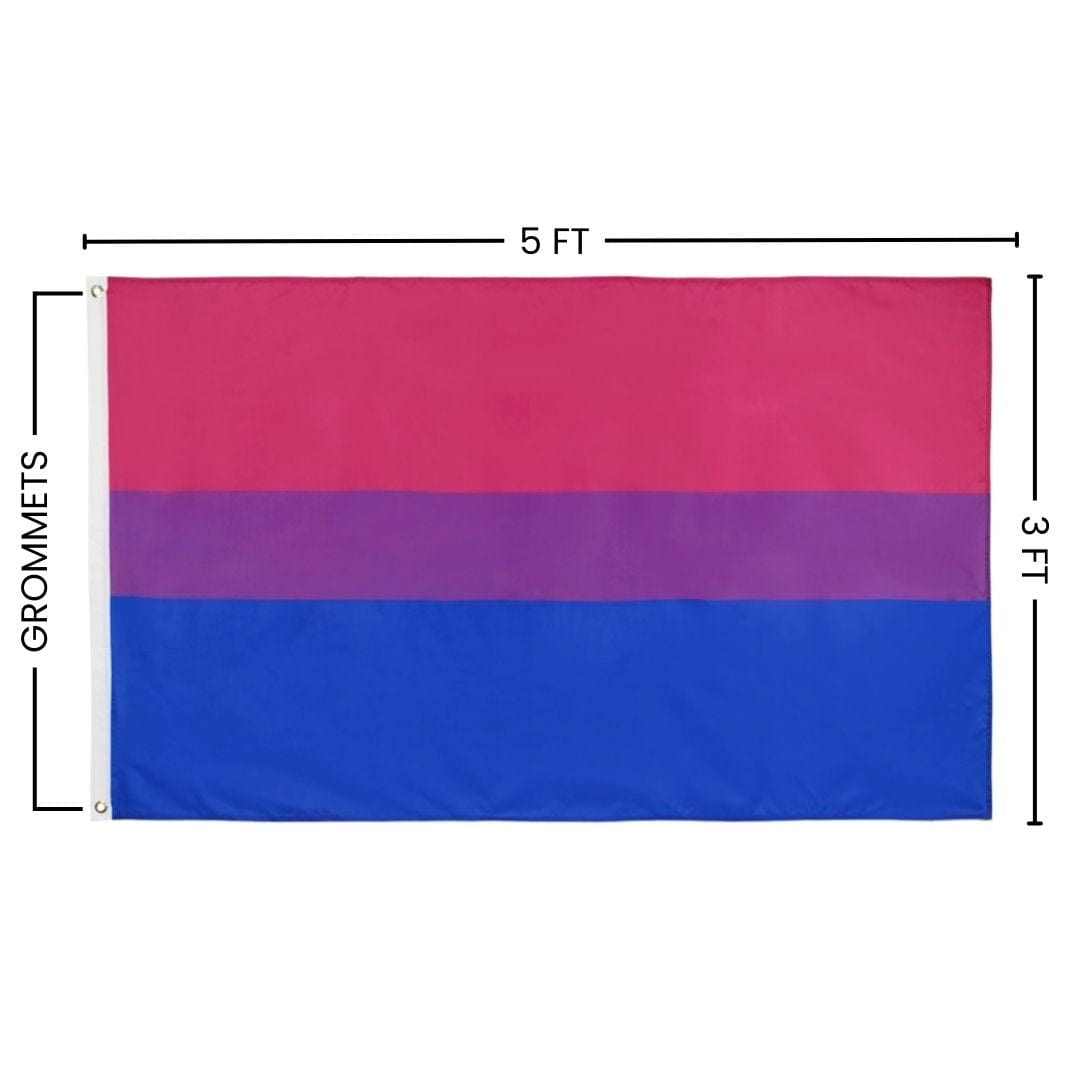
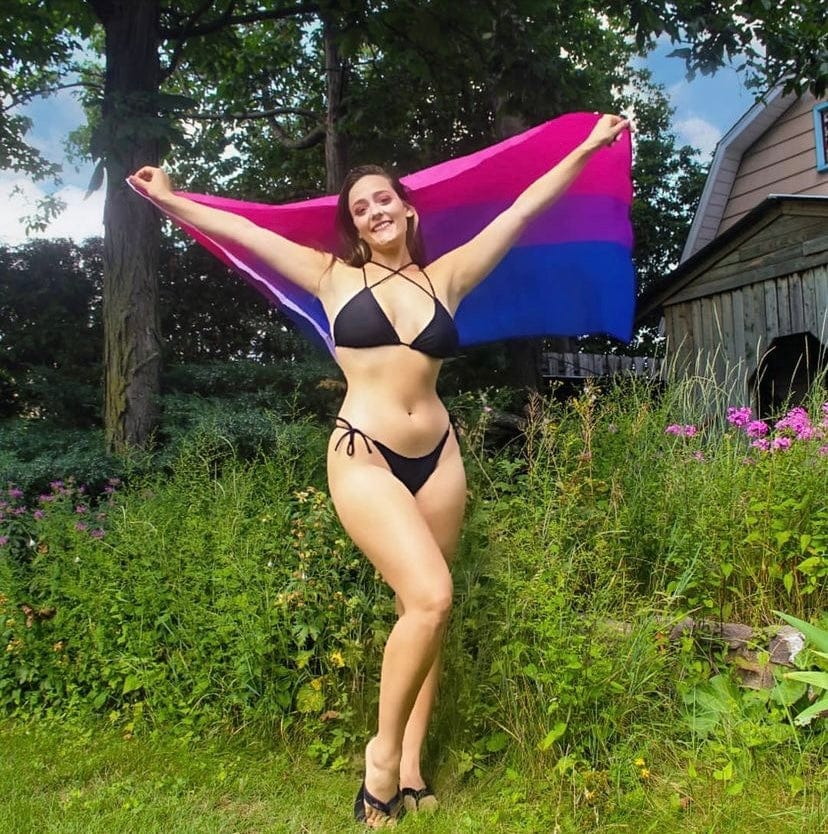
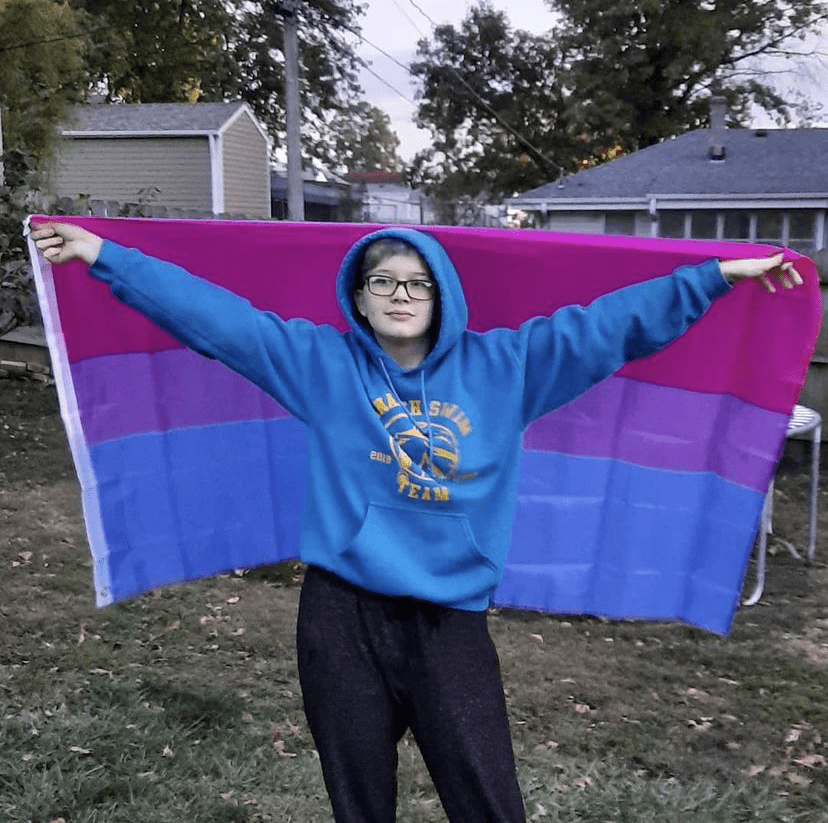
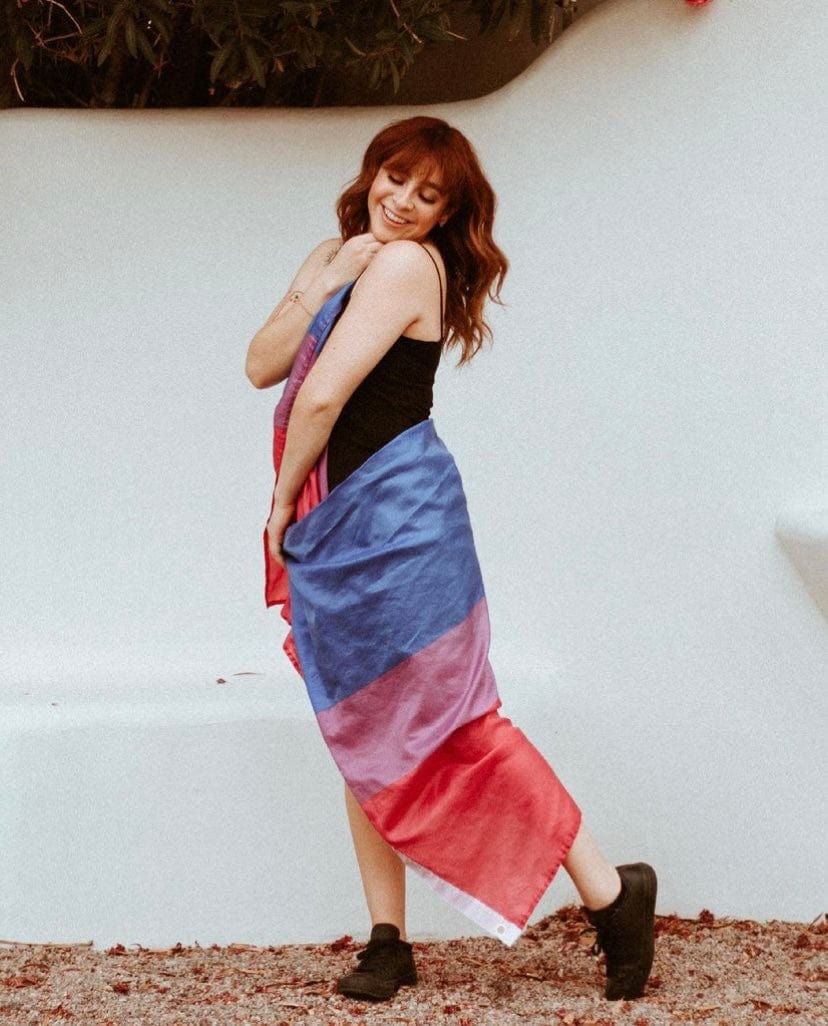
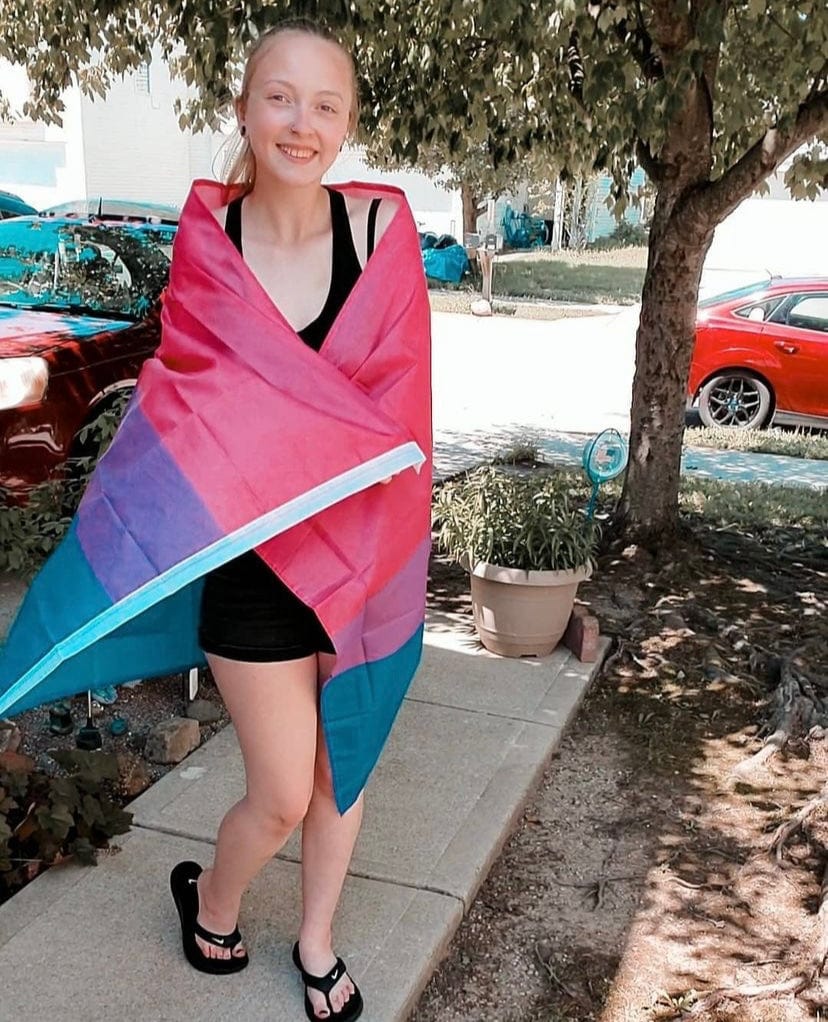
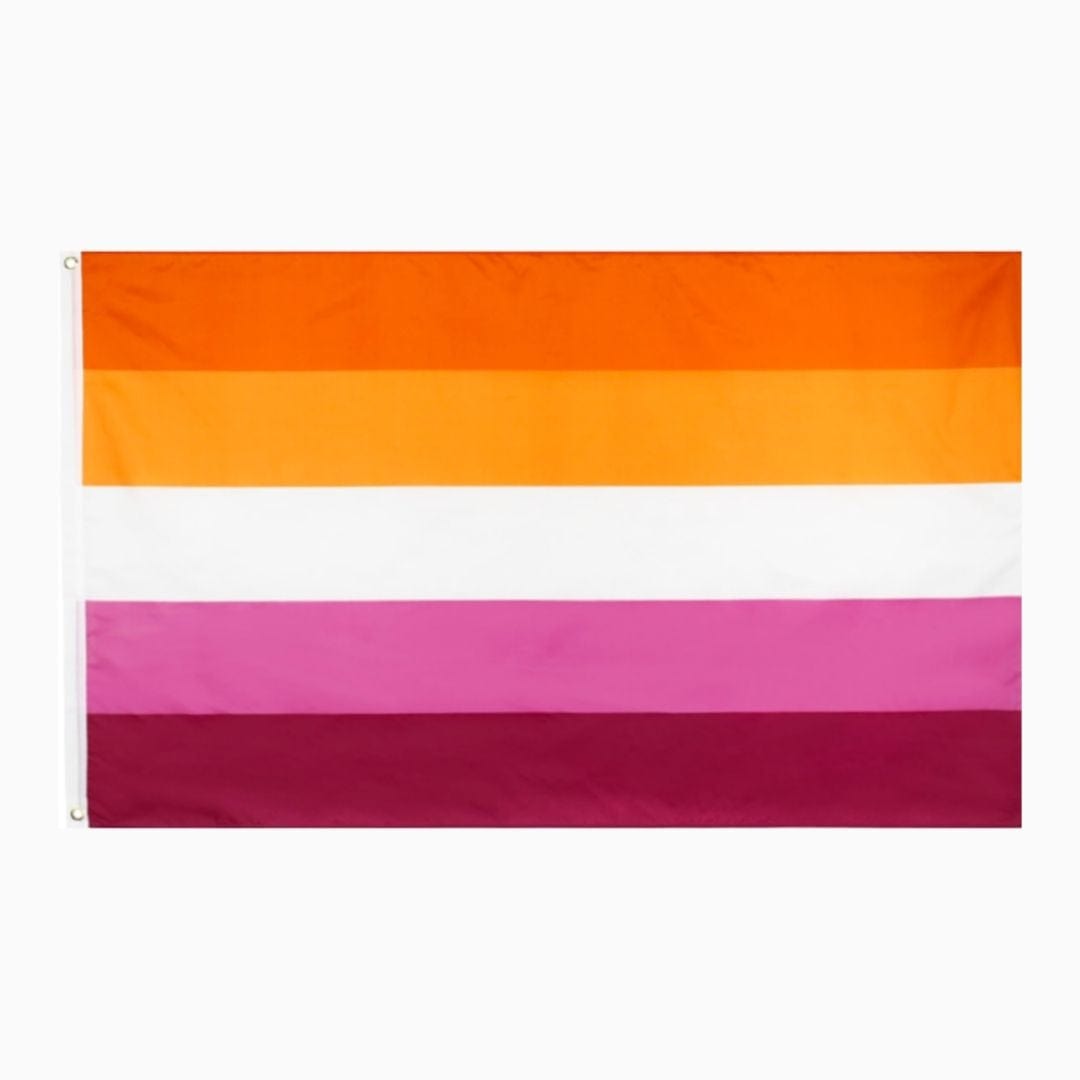
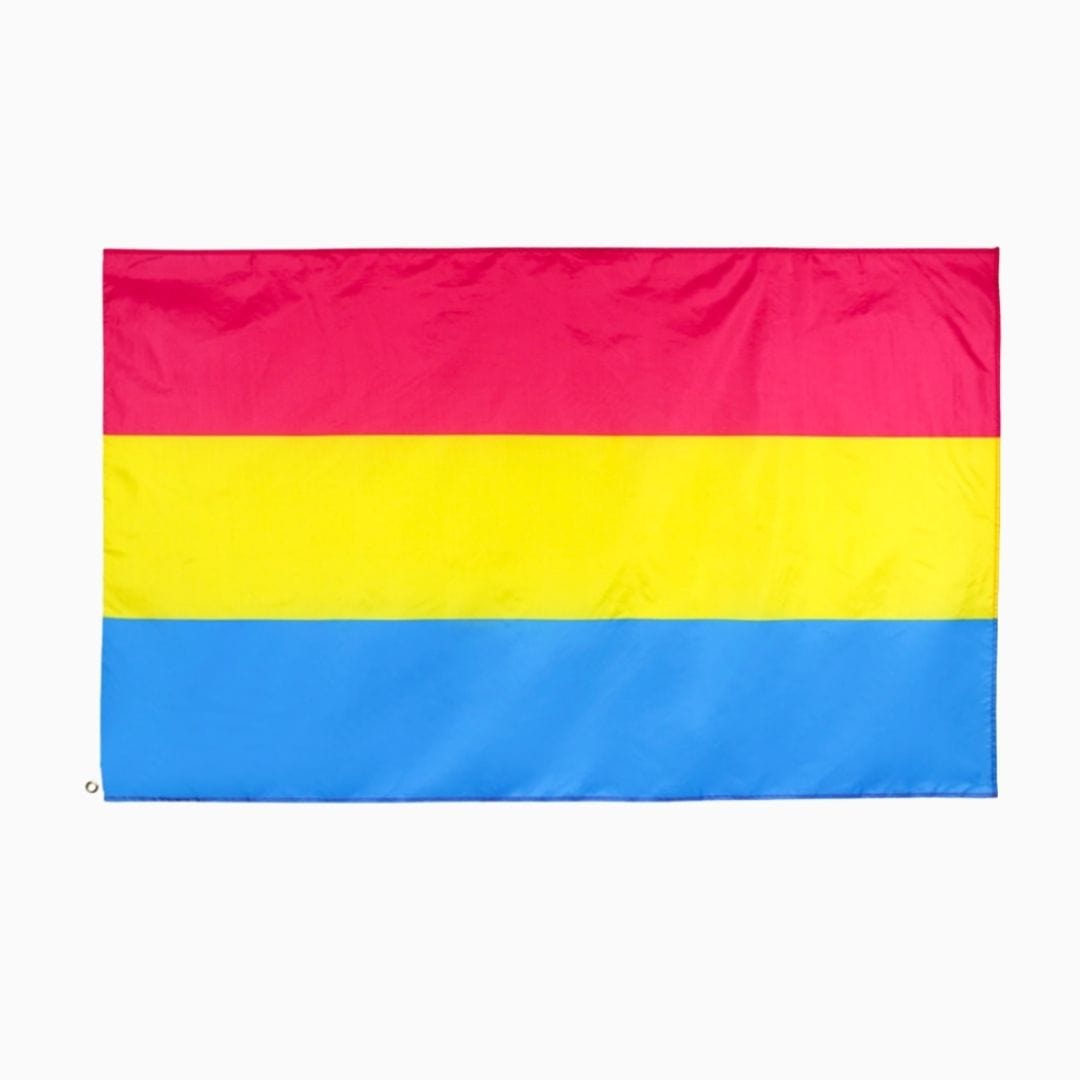
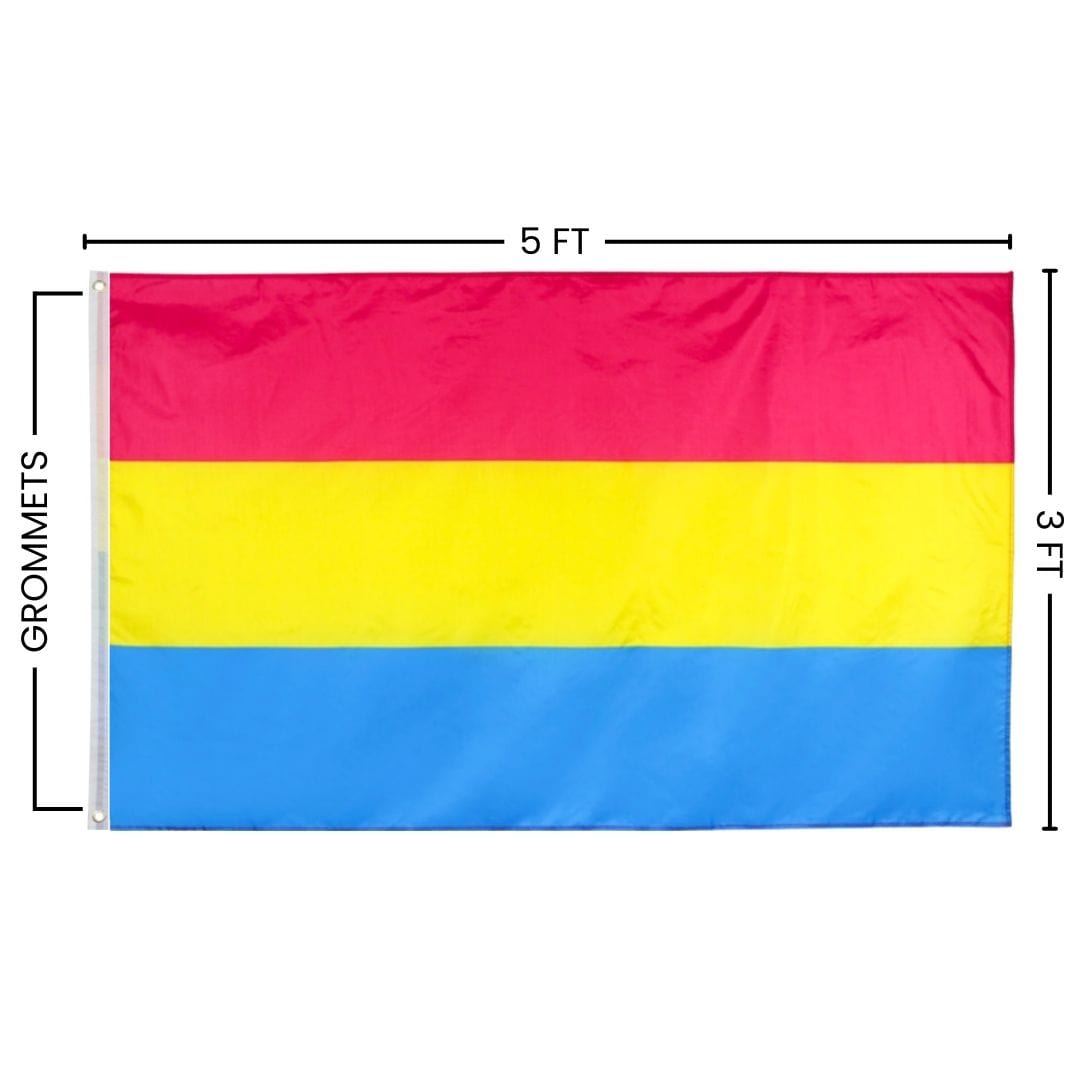
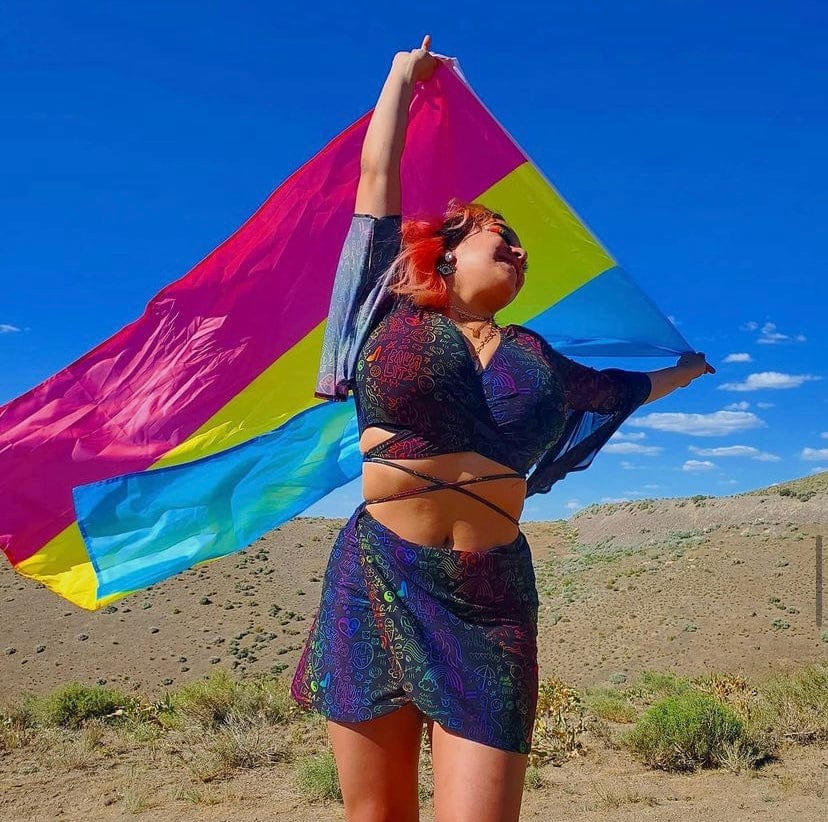
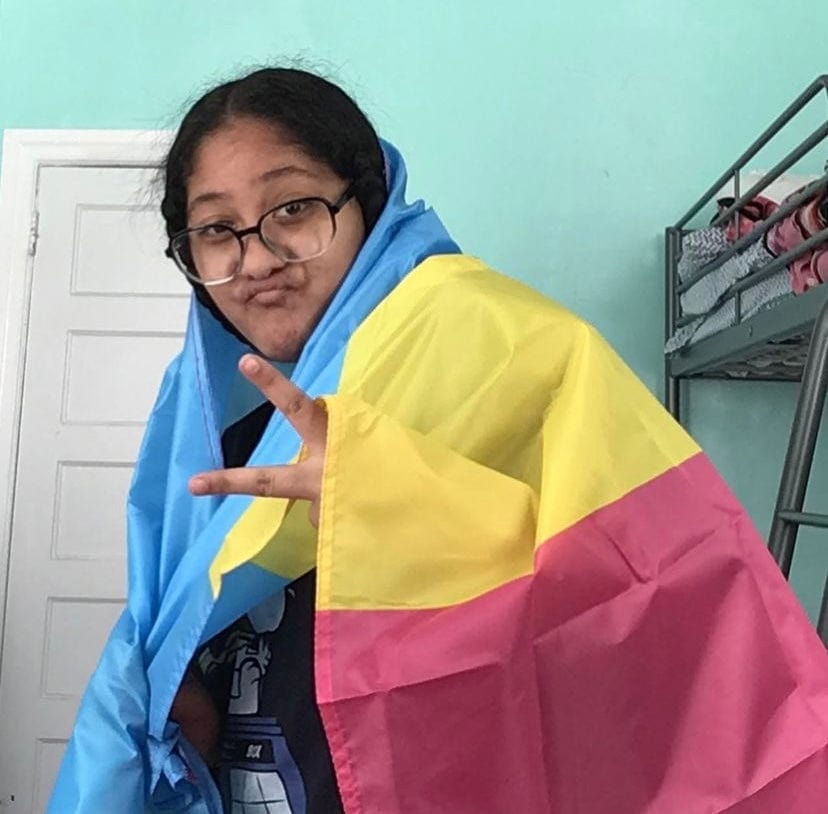
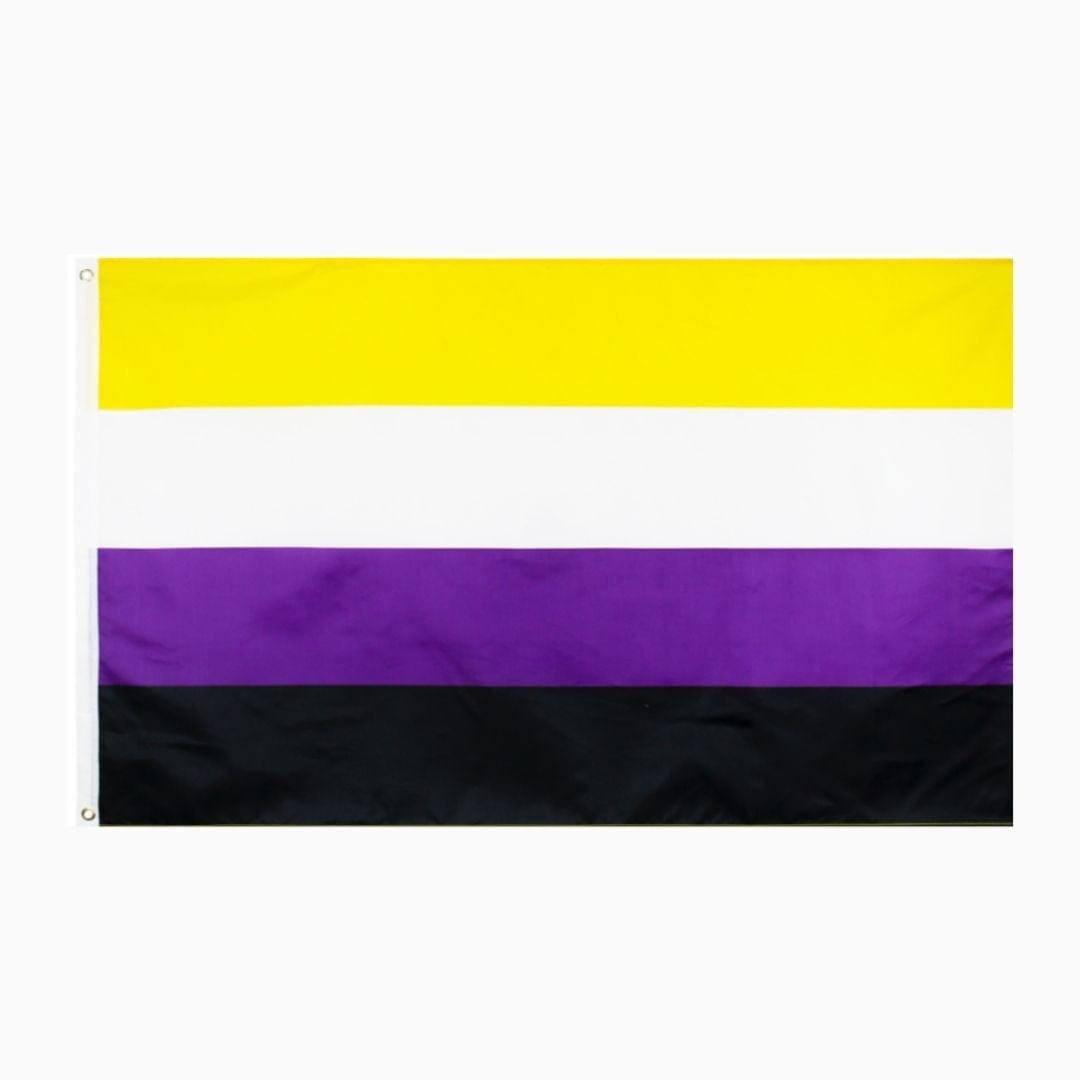
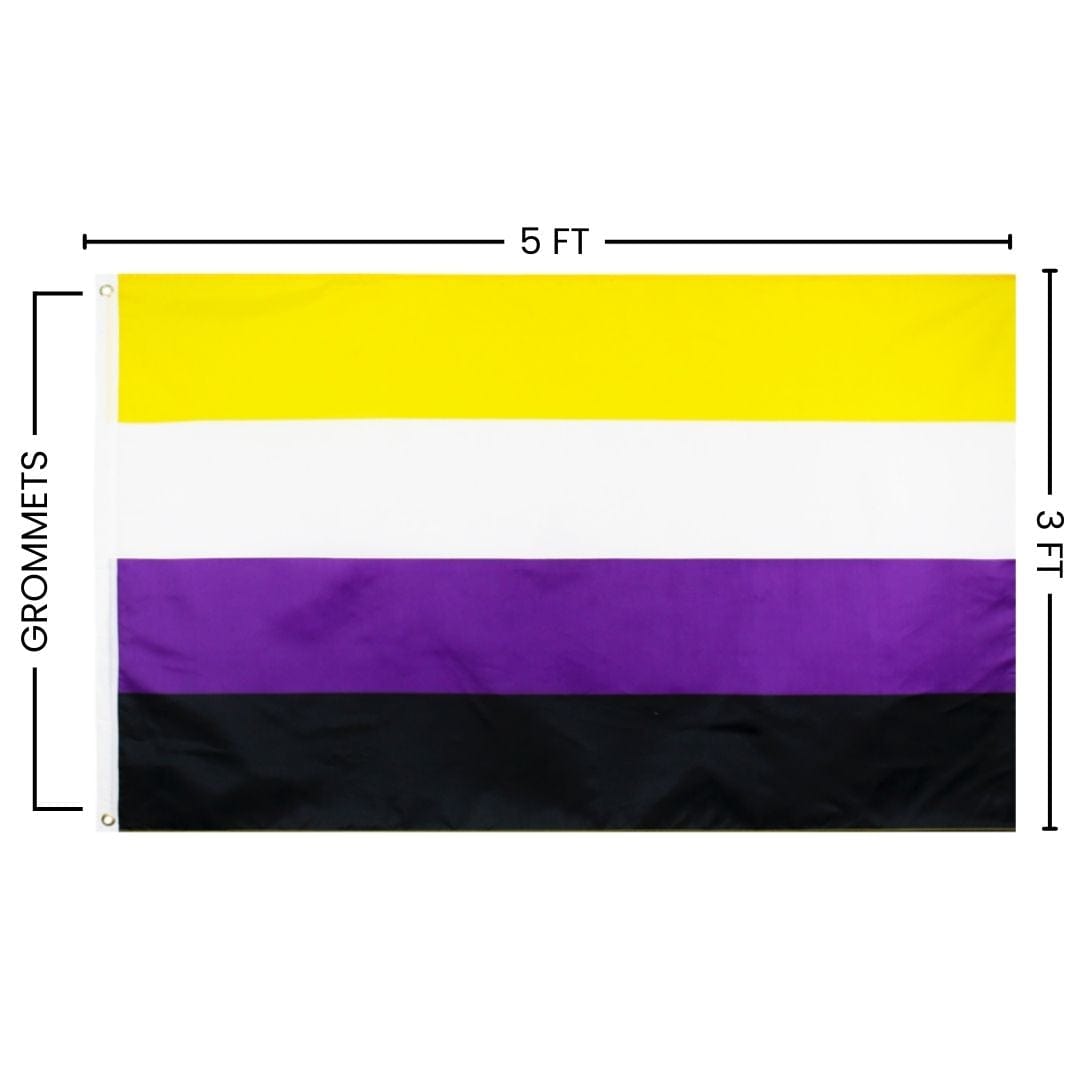
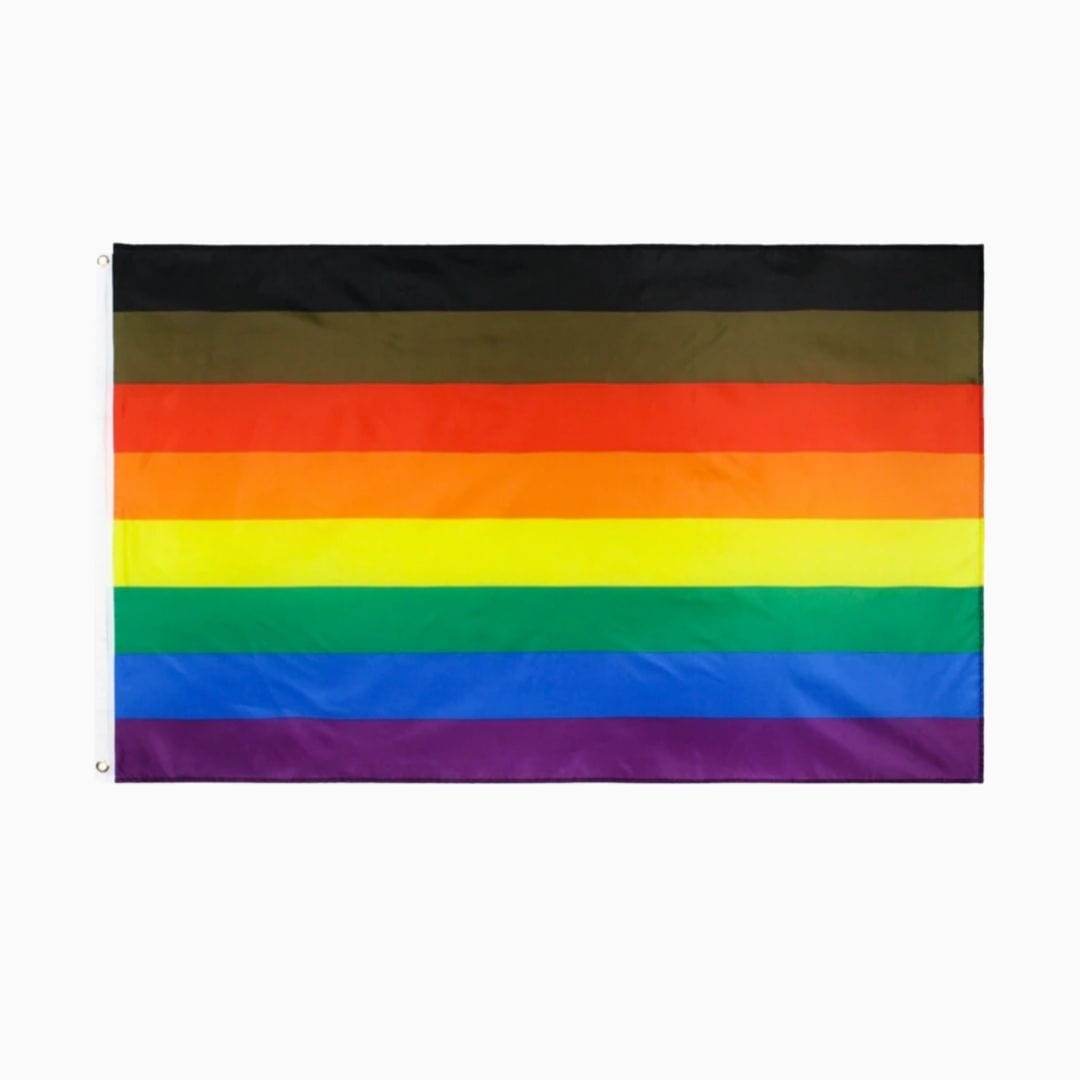
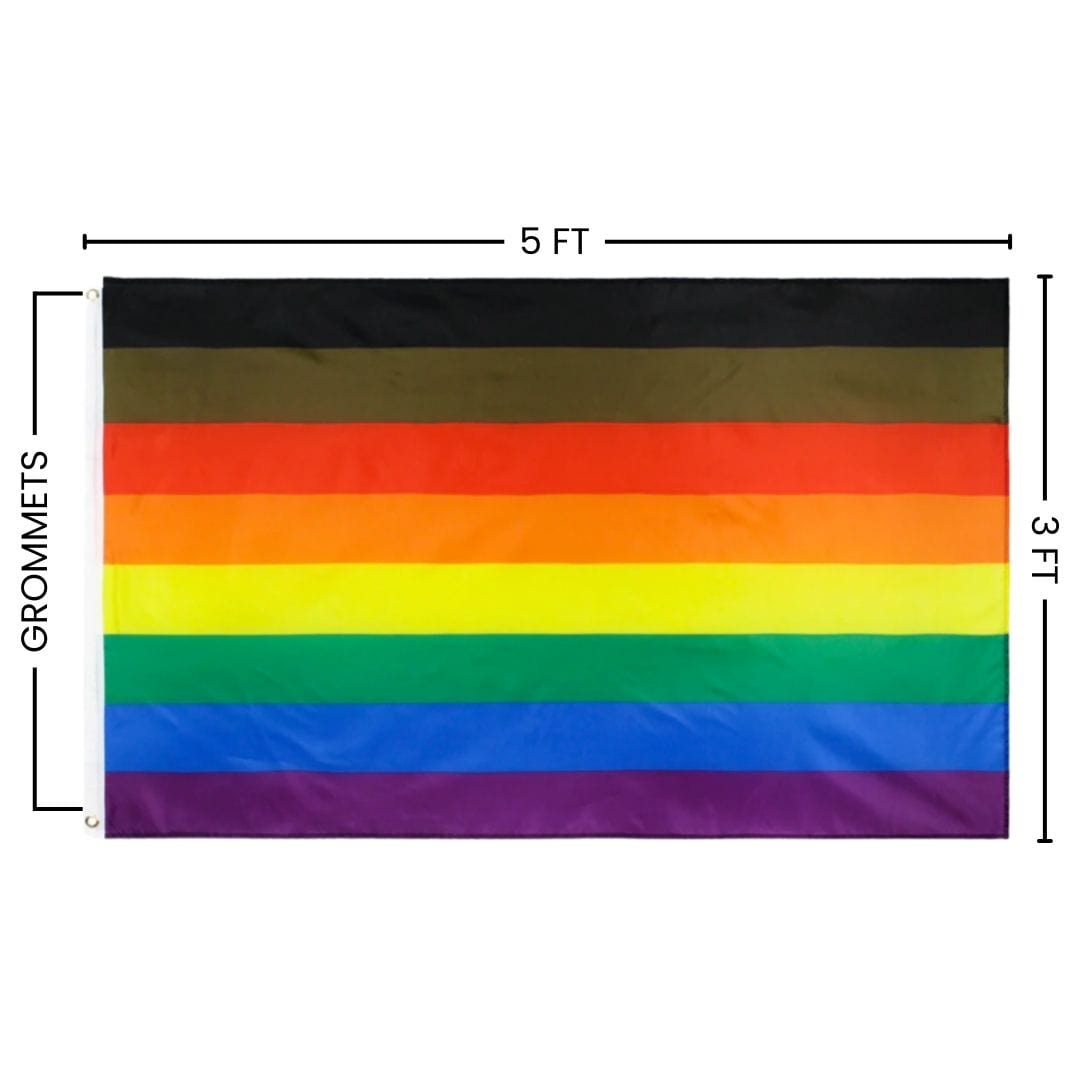
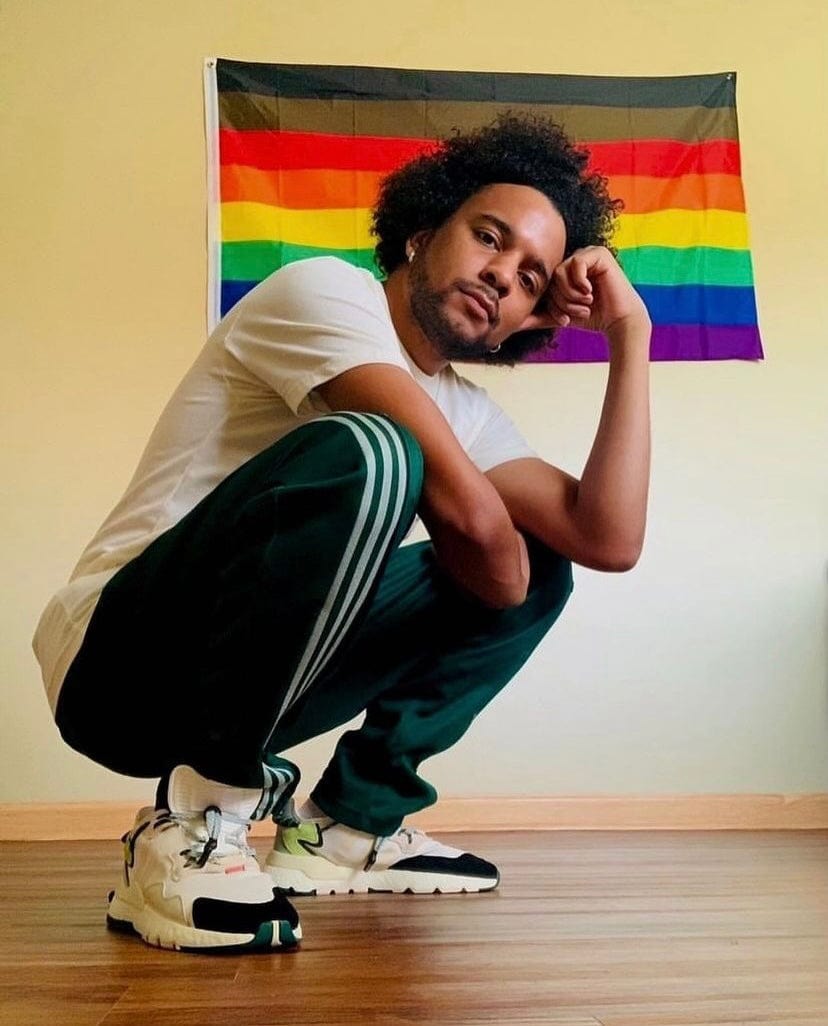
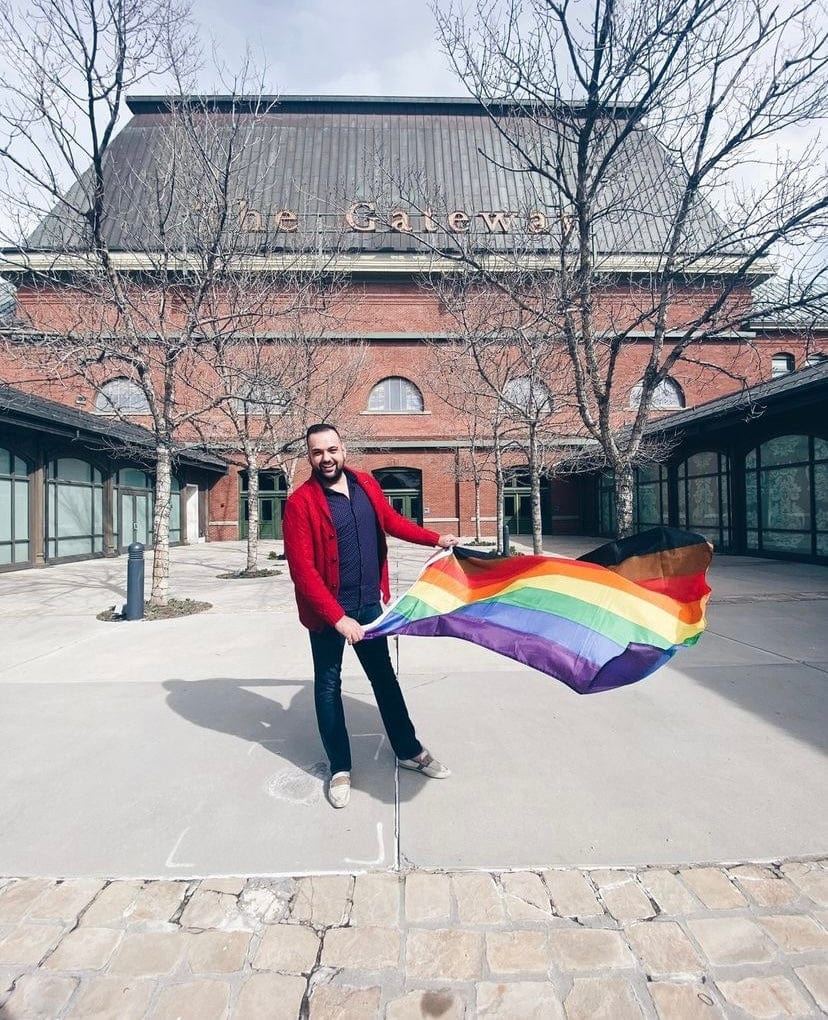
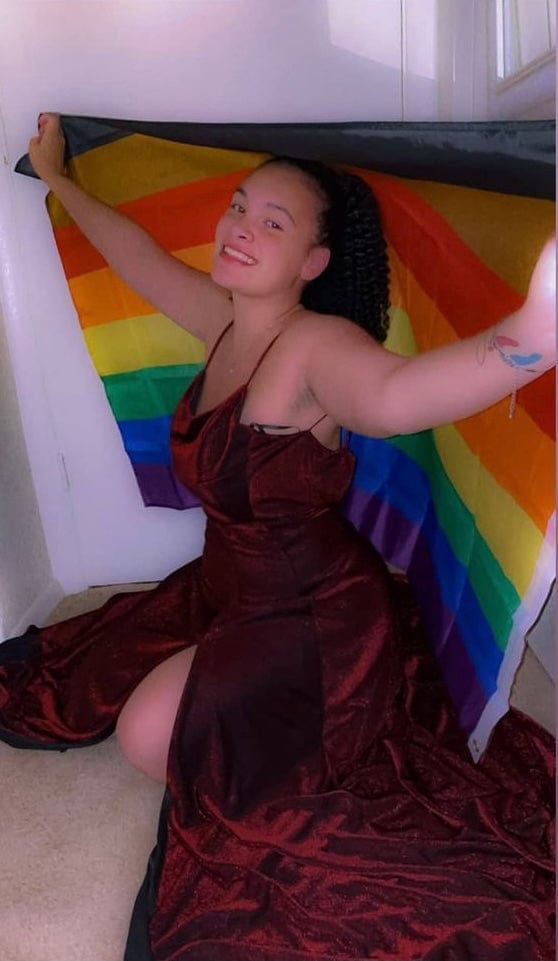
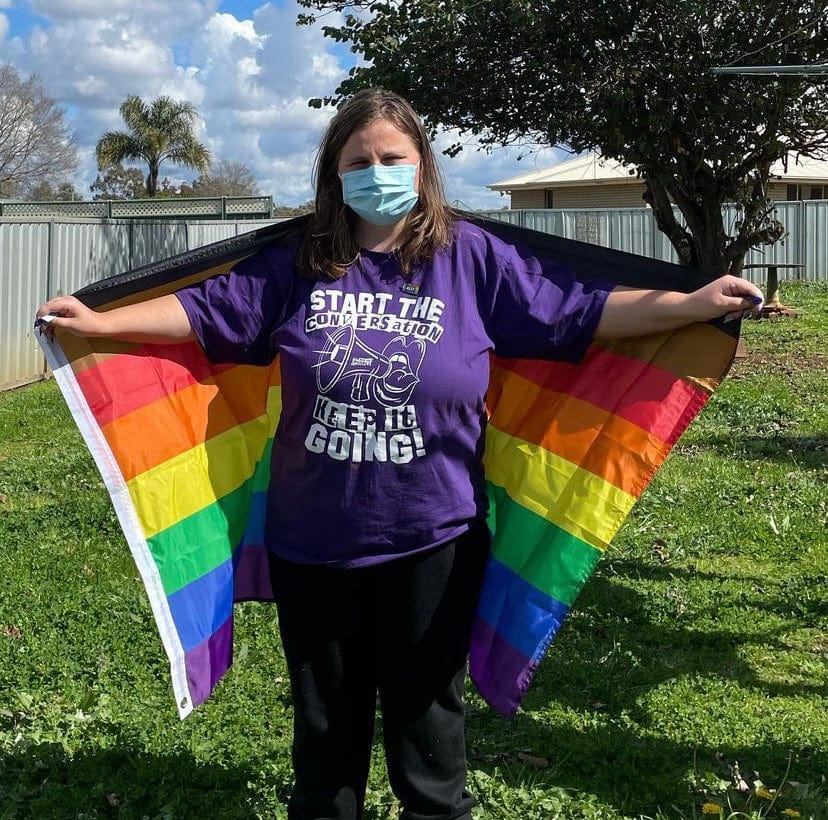
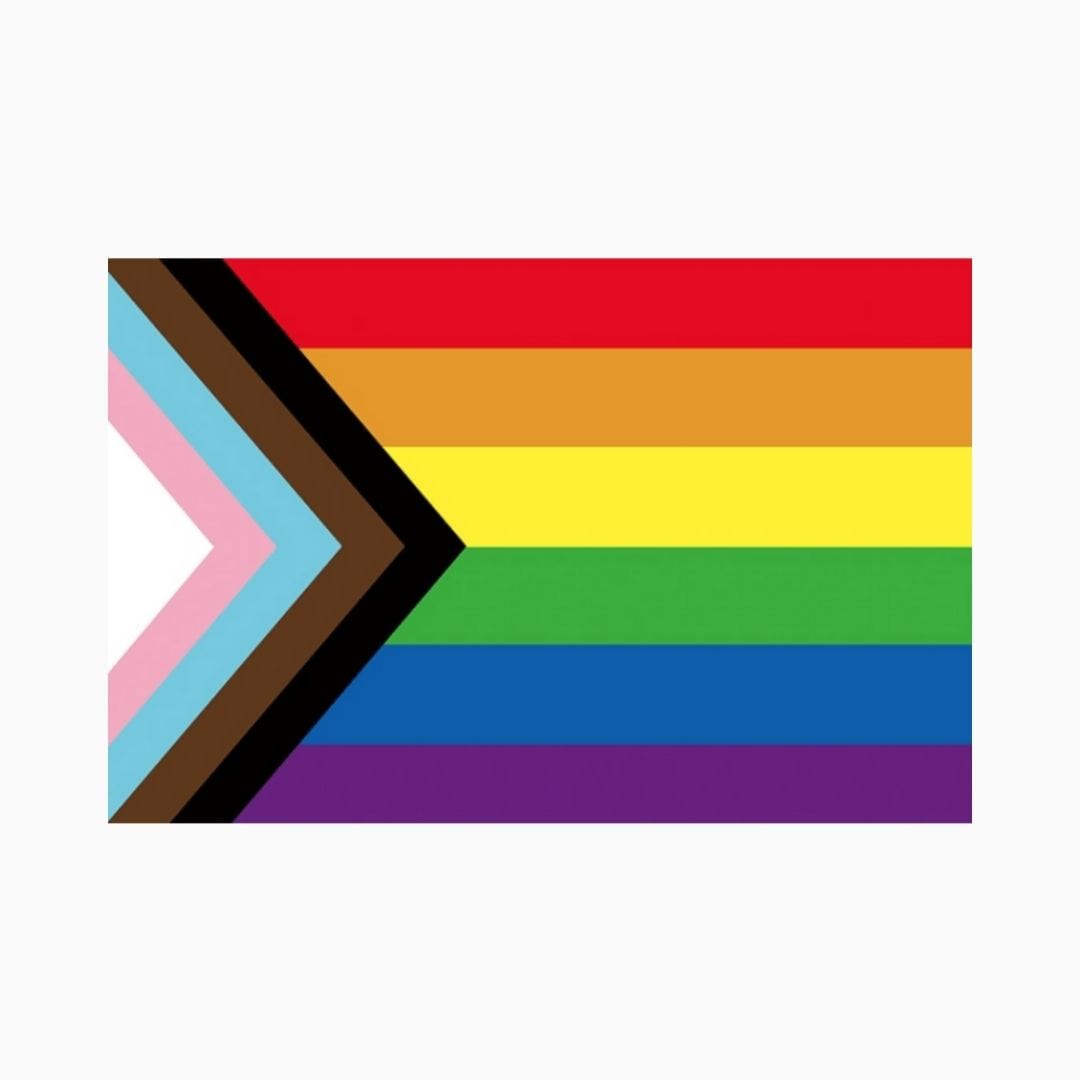
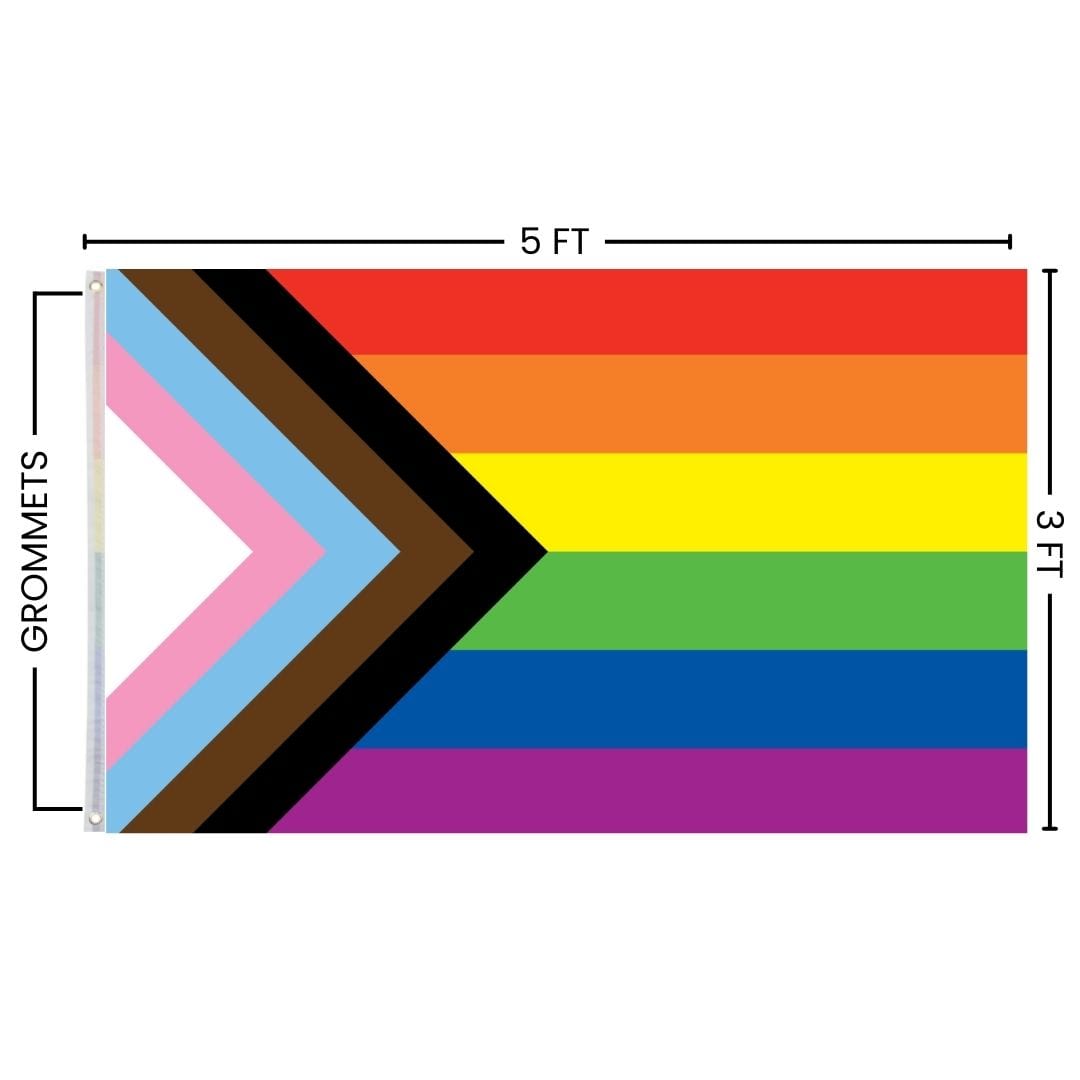
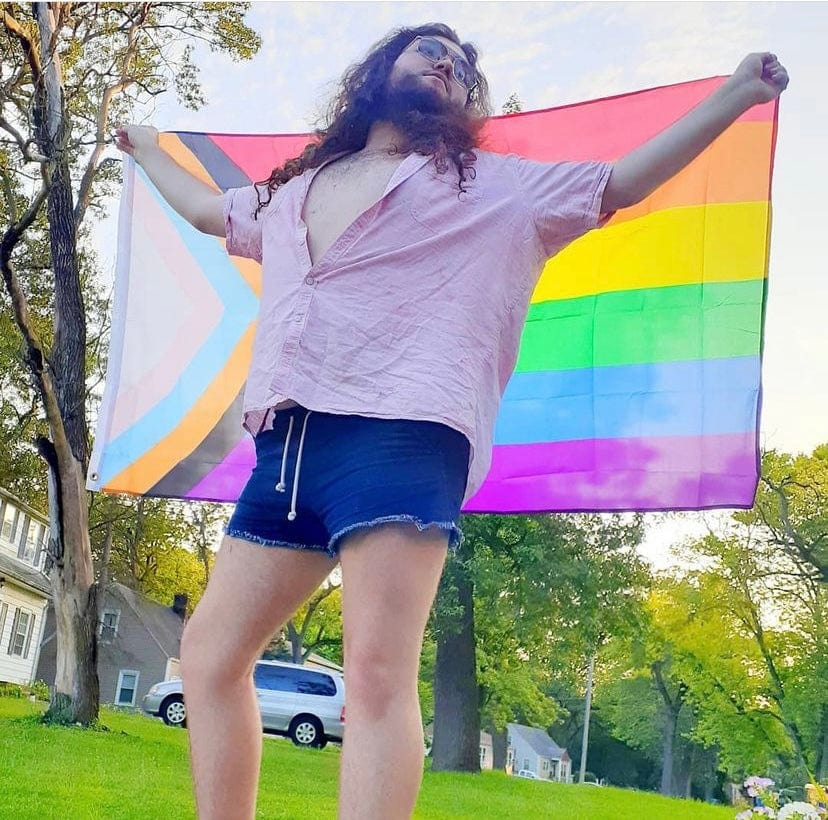
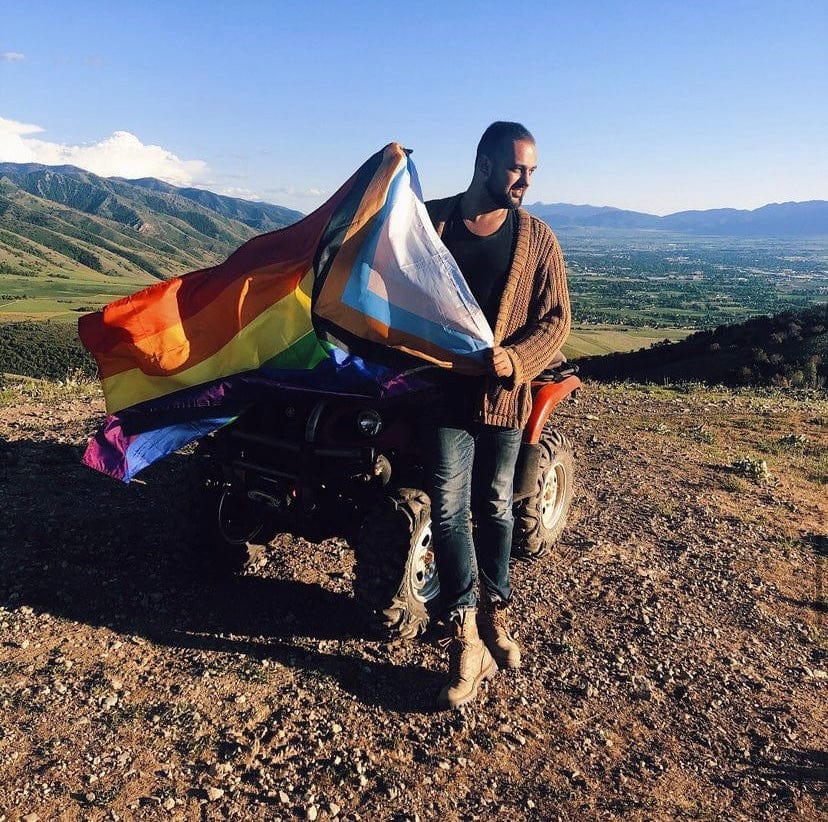
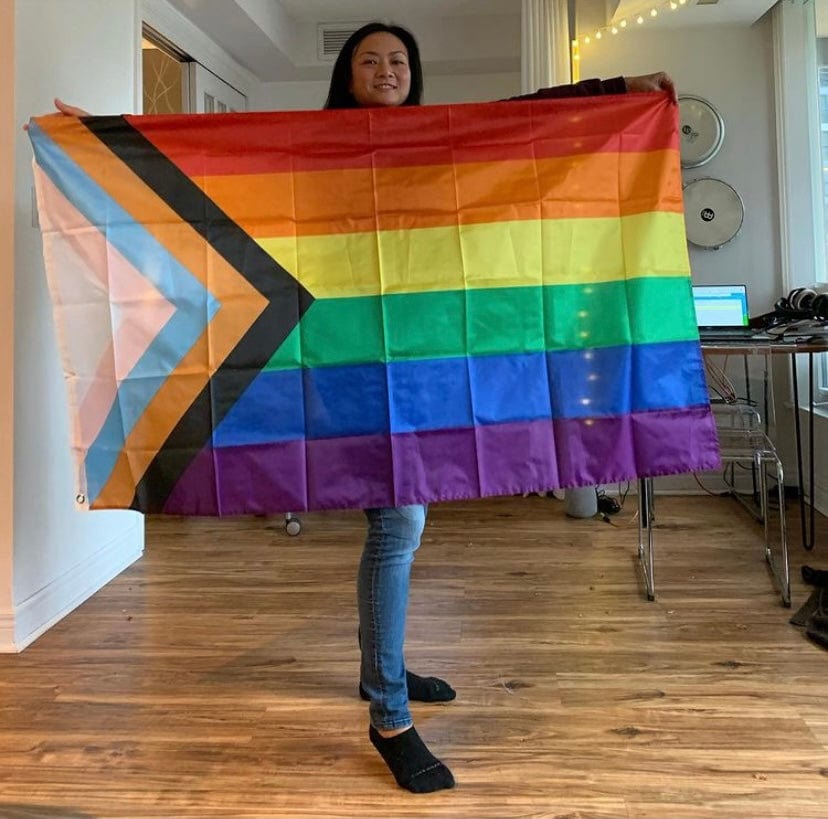
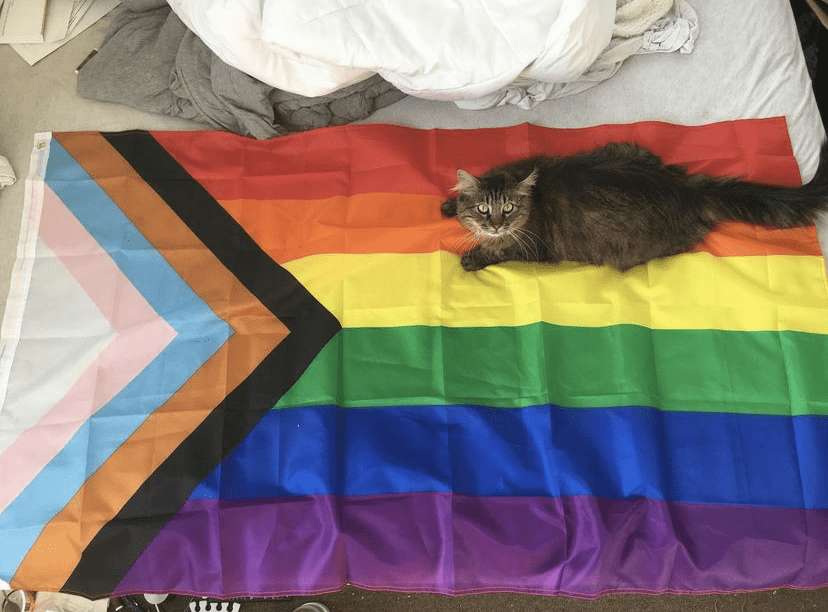
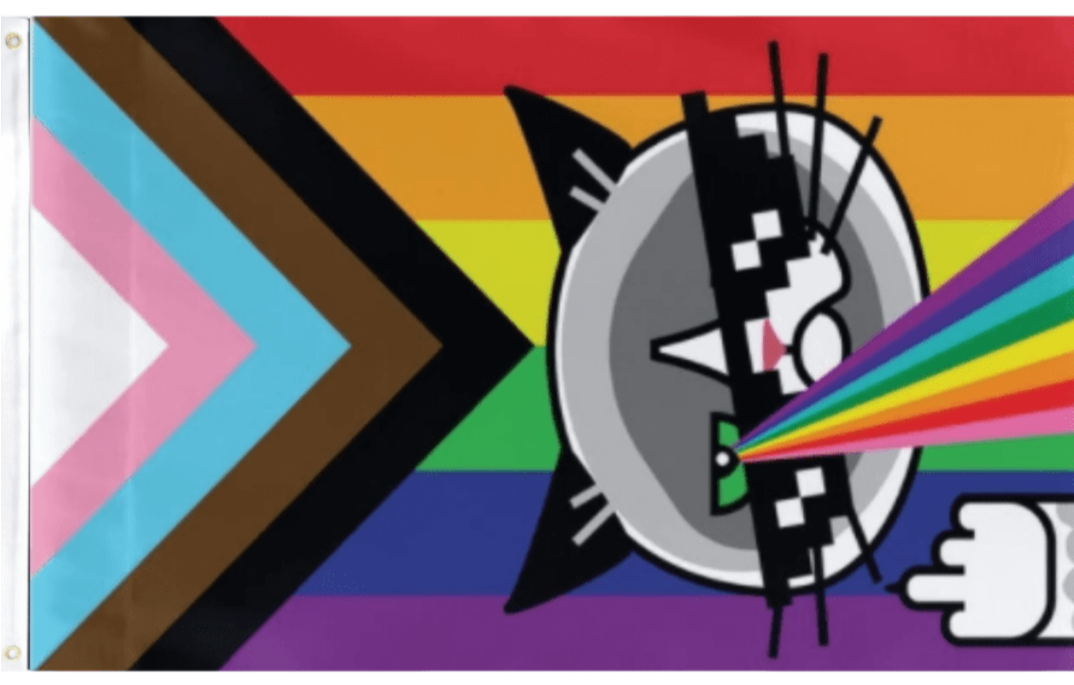
Because when people don’t see pansexuality represented accurately, the cycle continues. That’s why creating spaces where people feel seen matters, whether it’s through conversation, education, or even something as simple as visibility in your environment. Our Pride Flag collection exists to help create those spaces — small signals that say: you belong here.
Moving forward
Understanding pansexuality doesn’t require having all the answers. It starts with being open, respectful, and willing to unlearn assumptions.
Because at the end of the day, identities aren’t the problem.
Misunderstanding is.
And that’s something we can change — together. 🏳️🌈✨