
Frida Kahlo painted her truth long before queerness had language, visibility, or safety. She didn’t ask permission. She didn’t soften her pain. And she never separated who she was from what she created.
Frida Kahlo’s life and work exist at the intersection of bisexuality, disability, Mexican identity, political resistance, and radical self-expression. At a time when society demanded silence — especially from women and queer people — Frida chose visibility.
Her legacy stands alongside other LGBTQ+ pioneers we honor in our LGBTQ+ History series, reminding us that art itself can be a form of survival.
Frida Kahlo and Queer Identity Beyond Labels
For decades, Frida Kahlo’s queerness was minimized or erased. But history — and Frida herself — tell a different story.
Frida openly loved people of multiple genders. Her relationships with women were not hidden footnotes but lived realities. In her letters, art, and personal life, Frida expressed desire beyond heterosexual norms — at real personal risk.
The myth that “Frida wasn’t really queer” exists because bisexual identities have often been erased from history, especially when it comes to women.
Like many figures featured in our Bisexual Visibility stories, Frida didn’t need modern labels to live authentically.
Art as a Mirror of the Self
“I paint myself because I am so often alone and because I am the subject I know best,” Frida once said.
Her self-portraits weren’t vanity — they were survival.
Frida painted chronic pain, disability, emotional trauma, gender expression, and desire without apology. She rejected Western beauty standards while embracing traditional Mexican identity.
This kind of radical self-portraiture paved the way for the queer artists we celebrate today in our Queer Art & Expression Collection.
Why Art and Sexuality Are Always Political
One of the biggest myths surrounding Frida Kahlo is the belief that “art and sexuality aren’t political.”
For marginalized people, visibility itself is political. Frida’s art challenged patriarchal control over women’s bodies, erased queer desire, and defied colonial expectations of beauty and behavior.
Her bisexuality, politics, disability, and creativity were never separate — they coexisted boldly.
This belief in representation and visibility is central to everything we do at Pride Palace.
Visibility Through Vulnerability
Frida didn’t romanticize pain — but she refused to hide it.
At a time when queer people were expected to stay invisible, Frida made herself the center of her work. Vulnerability became her resistance.
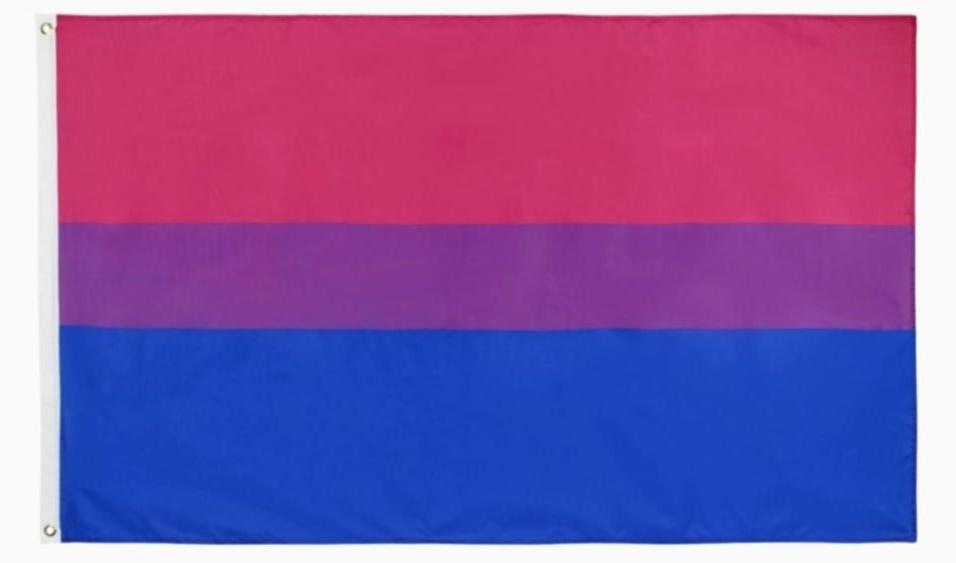
That same courage lives on today through queer visibility — symbolized by flags like the Bisexual Pride Flag and celebrated across our community.
Frida’s Legacy for Queer Communities Today
Frida Kahlo gave us permission to exist without explanation.
For bisexual people, queer women, and LGBTQ+ folks navigating layered identities, Frida’s life proves that you don’t have to choose one part of yourself to survive.
Your complexity is not a flaw — it is your power.
Learn how Frida painted her truth long before it was safe to do so — and why queer self-expression is still an act of liberation.